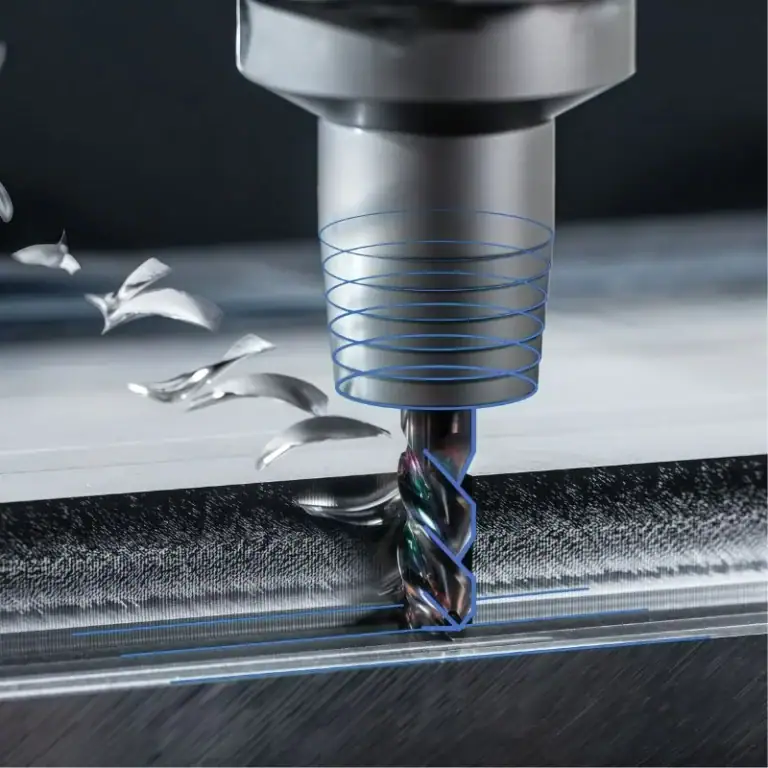
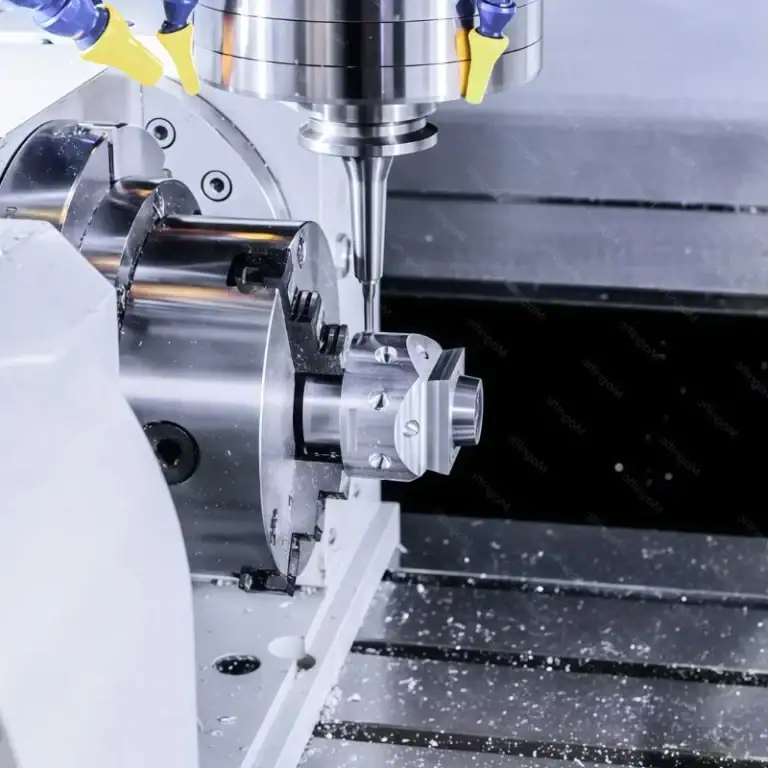
Carbide turning tools are widely used in modern CNC machining due to their high hardness, excellent wear resistance, and strong cutting stability. Made from tungsten carbide combined with a metallic binder, these tools are capable of maintaining sharp cutting edges even under high temperature and heavy cutting conditions. In precision manufacturing industries such as automotive parts production, aerospace components, mold processing, and industrial machinery manufacturing, carbide turning tools play an essential role in improving machining efficiency and ensuring stable product quality. Their performance advantages allow them to handle a wide range of materials and machining tasks that require durability and accuracy.
Carbide Turning Tools for Steel Material Machining
Carbide turning tools are highly suitable for machining various types of steel materials, including carbon steel, alloy steel, and stainless steel. These materials often require strong cutting capability due to their hardness and toughness. Carbide tools maintain stable cutting performance even under high resistance conditions, making them widely used in industrial steel processing. Their ability to withstand high cutting temperatures allows continuous machining without significant performance degradation, which improves production efficiency and surface quality consistency.
Carbon Steel Machining Applications
Carbon steel is commonly used in mechanical structures and industrial components. Carbide turning tools provide stable cutting performance when processing carbon steel parts such as shafts, bolts, and structural connectors. The hardness of carbide reduces tool wear during continuous cutting, allowing consistent dimensional accuracy. This makes carbon steel machining more efficient in batch production environments.
Alloy Steel Processing Capability
Alloy steel contains additional elements that increase hardness and strength. Carbide tools are suitable for machining these materials due to their excellent wear resistance. They maintain cutting edge stability under high load conditions, ensuring smooth machining performance. This is particularly important in manufacturing high-strength mechanical components used in automotive and heavy machinery industries.
Stainless Steel Machining Characteristics
Before listing key points, it is important to understand stainless steel machining challenges.
- High toughness increases cutting resistance during machining operations.
- Heat accumulation requires tools with strong thermal stability.
- Work hardening tendency demands stable and continuous cutting performance.
Carbide tools provide the required hardness and heat resistance to handle stainless steel effectively, ensuring stable machining results.
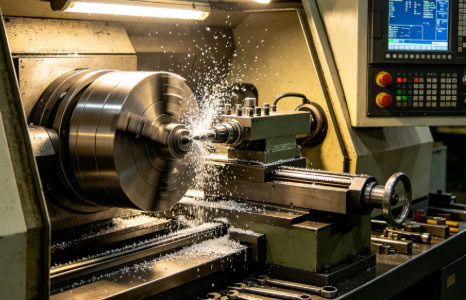
Carbide Turning Tools for High-Speed Cutting Operations
Carbide turning tools are well suited for high-speed machining environments due to their ability to maintain hardness at elevated temperatures. In CNC turning operations, high-speed cutting improves material removal rate and reduces production time. Carbide tools allow machines to operate at higher spindle speeds without compromising tool life or surface quality. This makes them essential in mass production systems where efficiency and consistency are required.
High Cutting Speed Stability
Carbide tools maintain structural integrity even under high-speed rotation conditions. This stability ensures that cutting edges remain sharp during continuous machining operations. As a result, production cycles are shortened while maintaining consistent machining quality across multiple parts.
Heat Resistance During Operation
High-speed cutting generates significant heat at the cutting zone. Carbide tools are designed to withstand these thermal conditions without losing hardness. This reduces the risk of tool deformation and ensures stable machining performance during long production runs.
Efficiency in Continuous Production
Before listing key points, it is important to highlight continuous machining behavior.
- Supports long-duration machining without frequent tool replacement.
- Maintains stable cutting conditions in automated production lines.
- Reduces downtime caused by tool wear or failure.
These characteristics make carbide tools highly efficient for industrial production systems.
Carbide Turning Tools for Hard Material Machining
Carbide tools are suitable for machining hardened materials such as quenched steel, die steel, and high-strength alloys. These materials require tools with high wear resistance and strong cutting stability. Carbide tools provide the necessary hardness to maintain cutting performance even under extreme machining conditions. Their durability makes them a preferred choice in mold manufacturing and heavy-duty industrial applications.
Hardened Steel Processing Capability
Hardened steel is commonly used in precision molds and mechanical components. Carbide tools can cut through these materials while maintaining edge stability. This ensures accurate machining results and reduces surface defects caused by tool wear.
Die Steel Machining Performance
Die steel requires high precision and surface quality. Carbide tools provide stable cutting performance that helps achieve smooth finishes and accurate dimensions. This is essential for mold cavities and industrial tooling components.
High-Strength Alloy Applications
Before listing key points, it is important to recognize machining difficulty levels.
- High cutting resistance requires strong tool hardness.
- Continuous cutting stability affects surface quality.
- Heat generation must be controlled to prevent tool failure.
Carbide tools provide reliable performance under these demanding conditions.
Carbide Turning Tools for Precision Component Manufacturing
Carbide turning tools are widely used in precision manufacturing industries where dimensional accuracy and surface quality are critical. Components such as shafts, connectors, hydraulic parts, and bearing housings require stable machining performance. Carbide tools ensure consistent cutting results, making them suitable for high-precision production environments. Their ability to maintain sharp edges during fine machining operations improves overall product quality.
Shaft and Rotational Part Machining
Carbide tools are commonly used for machining shafts and rotational components. These parts require precise diameter control and smooth surface finishing. Carbide cutting performance ensures stable concentricity and reduces machining errors.
Hydraulic Component Production
Hydraulic systems rely on precision-machined components for pressure control and sealing performance. Carbide tools provide accurate machining for cylinder bodies, pistons, and valve components, ensuring reliable system operation.
Bearing Housing Processing
Before listing key points, it is important to highlight precision requirements.
- Tight tolerance control is necessary for proper assembly fit.
- Surface finish quality affects operational performance.
- Dimensional stability ensures long-term reliability.
Carbide tools meet these requirements effectively in industrial production.
Carbide Turning Tools for Complex Material Environments
Carbide turning tools are also suitable for machining materials with complex physical properties, including composite materials and non-ferrous metals. These materials may exhibit varying hardness, thermal conductivity, and cutting resistance. Carbide tools adapt well to these conditions due to their stable cutting performance and wear resistance. This makes them suitable for aerospace components, electronic device parts, and specialized industrial applications.
Aluminum Alloy Machining
Aluminum alloys are widely used in lightweight structural components. Carbide tools provide smooth cutting performance and prevent material adhesion during machining, resulting in clean surface finishes.
Copper and Non-Ferrous Materials
Copper materials require sharp and stable cutting tools due to their softness and ductility. Carbide tools ensure clean cutting edges and reduce deformation during machining.
Composite Material Applications
Before listing key points, it is important to highlight material complexity.
- Fiber-reinforced structures require stable cutting control.
- Variable material hardness affects tool wear behavior.
- Precision machining requires consistent cutting stability.
Carbide tools provide reliable performance in these challenging environments.