When a machine tool struggles with inconsistent machining accuracy, the problem may not lie with the entire machine. A single precision component with incorrect dimensions or a poor fit can also cause issues. Parts such as spindle connectors, guide rail mounts, drive shafts, and fixture bases all affect positioning, transmission, and operating performance. For machine tool manufacturers, component machining must meet drawing specifications while also accounting for material strength, surface quality, assembly requirements, and future maintenance. CNC machining controls complex geometries and critical dimensions according to engineering drawings, making it suitable for high-precision machine tool components. Choosing the right machining solution can reduce assembly rework, control production costs, and improve equipment stability.
Why Are CNC Machining Solutions Suitable for Precision Machine Tool Components?
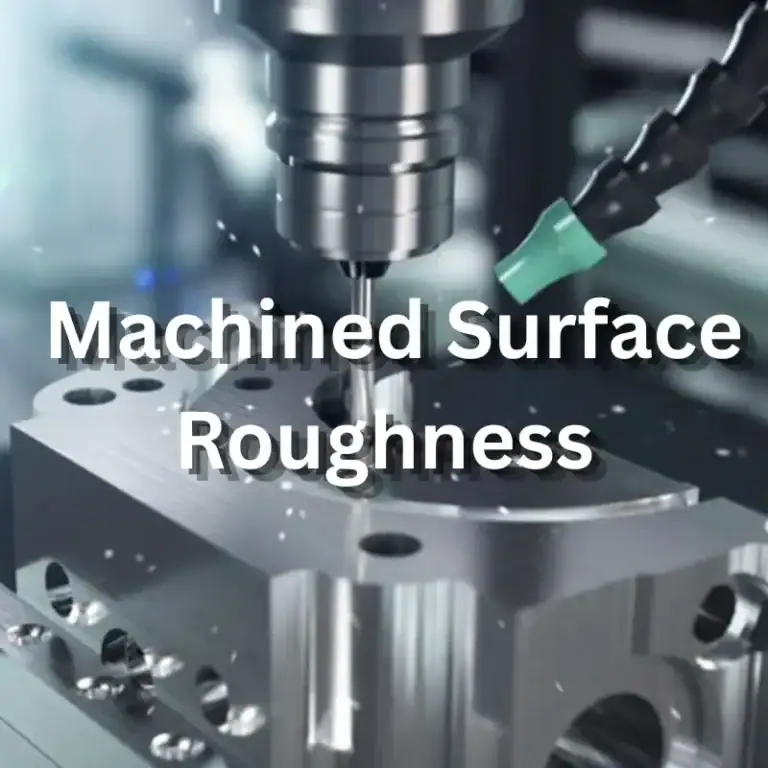
Machine tool components often need to fit accurately with guide rails, bearings, lead screws, spindles, and other transmission parts. Incorrect hole positions, uneven surfaces, or out-of-tolerance dimensions can affect assembly and even cause vibration during operation. CNC machining uses programmed tool movements to produce precision holes, complex contours, and multiple mating features. It is also suitable for batch production where dimensional consistency is important.
How Does CNC Machining Improve Machine Tool Component Accuracy?
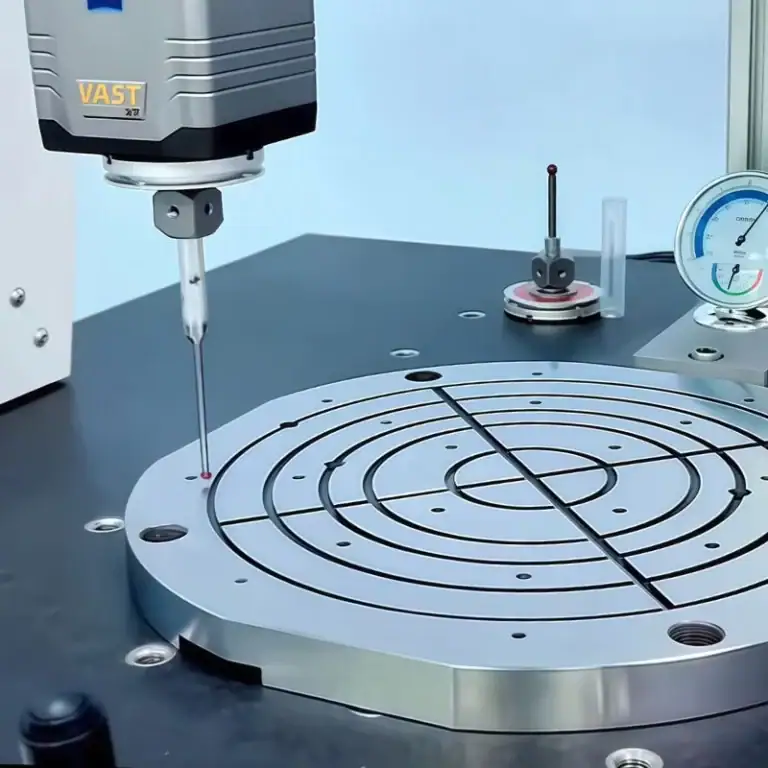
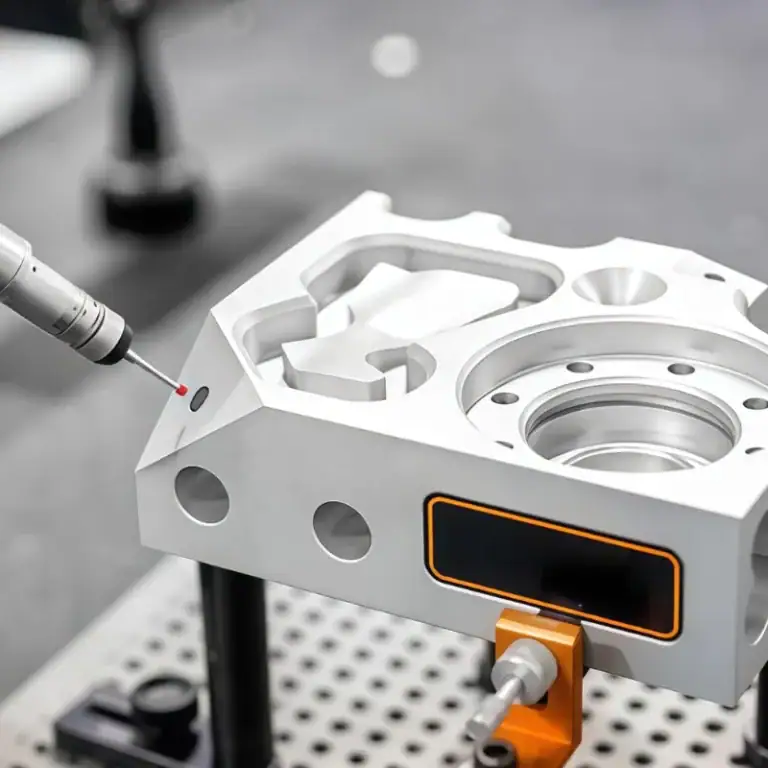
Machining accuracy involves more than the external dimensions of a part. Bearing seats, threaded holes, locating surfaces, and mating grooves can all affect equipment performance. Defining critical tolerances and inspection procedures before production helps prevent loose fits, binding, and positioning errors after assembly.
- Control critical dimensions: Machine shaft diameters, hole sizes, and locating grooves accurately.
- Reduce setup errors: Plan machining sequences carefully to minimize deviations caused by repeated repositioning.
- Maintain batch consistency: Standardize machining programs and inspection criteria to simplify assembly and replacement.
Although these steps may seem like small details, they directly affect whether a component fits and functions correctly. For parts with demanding mating requirements, tolerance ranges should be clearly specified in the drawings to avoid discovering compatibility problems after machining is complete.
Which Precision Machine Tool Components Are Suitable for CNC Machining?
CNC machining can produce metal components with a wide range of geometries, from simple connecting plates to precision parts with stepped surfaces, holes, and complex contours. The appropriate process depends on the component’s structure, function, and assembly requirements.
| Machine Tool Component | Key Machining Requirements | Common Applications |
| Spindle connectors | Concentricity, hole diameter | Spindle transmission systems |
| Guide rail mounting bases | Flatness, hole spacing | Machine tool guidance systems |
| Precision drive shafts | Shaft diameter, roundness | Transmission and rotary mechanisms |
| Fixture bases | Locating holes, surface accuracy | Workpiece clamping and positioning |
| Equipment support blocks | Dimensional stability, accurate hole positions | Machine tool structural support |
For components designed to fit existing equipment, provide interface dimensions and mating requirements alongside the part drawings. This helps establish suitable machining datums and reduces the risk of modifications or repeated machining later.
What Drawing Information Is Needed for Custom Machine Tool Components?
Complete engineering drawings make manufacturing requirements easier to understand. In addition to 3D models and overall dimensions, drawings should specify critical tolerances, material grades, surface roughness, and heat treatment requirements. If a component needs to fit a bearing or another mechanical part, the relevant mating dimensions should also be included to prevent installation problems after production.
How Should Materials and Processes Be Selected for Precision Machine Tool Components?
Material selection affects component strength, wear resistance, machining efficiency, and service life. Different machine tool parts have different operating conditions. Some carry continuous loads, others need to reduce the weight of moving assemblies, and some are frequently exposed to lubricants or moisture. Selecting materials based on actual operating conditions and then choosing a suitable machining process helps avoid unnecessary costs without compromising performance.
How to Choose Between Aluminum, Carbon Steel, and Stainless Steel?
Different metals have different properties and suit different component types. Understanding load requirements, movement patterns, and operating environments helps narrow down the right material.
- Aluminum alloys: Lightweight and efficient to machine, suitable for mounting plates and lightweight structural components.
- Carbon steel and alloy steel: Offer good strength and are suitable for load-bearing or wear-resistant components.
- Stainless steel: Provides good corrosion resistance for parts requiring rust protection.
For components exposed to heavy loads or continuous friction, hardness and heat treatment requirements should also be considered. The material grade must be confirmed before production because material selection affects machining difficulty, tooling requirements, and overall cost.
Which Machine Tool Components Are Best Suited to CNC Milling and Turning?
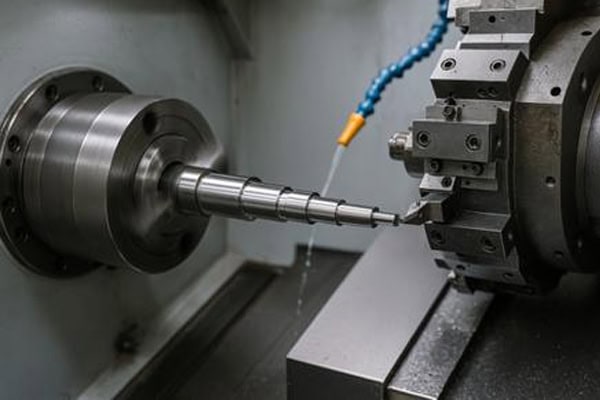
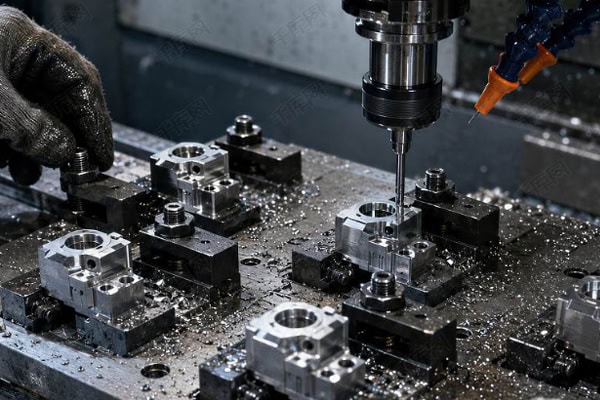
The machining process depends mainly on the component’s geometry. Milling is suitable for flat surfaces, grooves, holes, and complex contours, while turning is commonly used for shafts, sleeves, and other rotational components. Parts that combine flat surfaces, holes, and cylindrical features may require multiple operations. In these cases, consistent machining datums help reduce dimensional deviations between processes.
| Machining Process | Suitable Components | Key Inspection Items |
| CNC milling | Mounting bases, fixture plates | Flatness, hole spacing |
| CNC turning | Drive shafts, sleeves | Outer diameter, concentricity |
| Drilling and tapping | Mounting holes, threaded holes | Hole position, thread specifications |
| Multi-process machining | Components with combined geometries | Datum consistency, overall dimensions |
Before finalizing the process, consider workholding difficulty and machining sequence. A well-planned approach can reduce unnecessary repositioning while helping control machining time and production costs.
How to Control Surface Finish and Heat Treatment for Precision Machine Tool Parts?
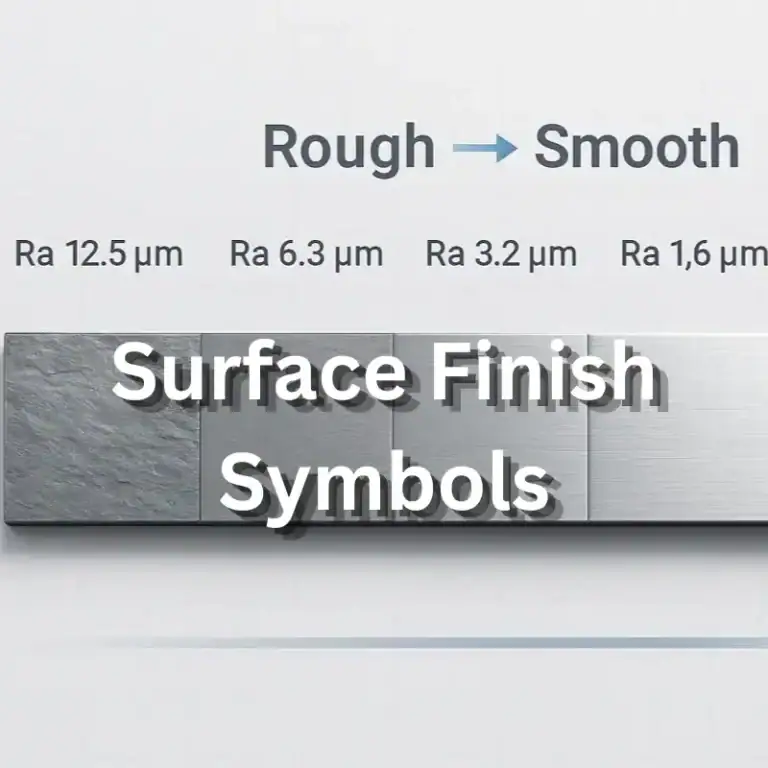
Surface roughness affects friction, contact conditions, and component fit. Bearing seats, sliding surfaces, and locating faces often require careful inspection. Components exposed to heavy loads may also need heat treatment to improve hardness or wear resistance. Because heat treatment and surface finishing can change dimensions, critical mating features should be inspected again after these processes to ensure they meet drawing specifications.
How to Control CNC Machining Costs and Lead Times for Precision Machine Tool Components
When ordering custom machine tool components, manufacturers care about more than the unit price. Production lead time, batch consistency, and the availability of replacement parts also matter. Material specifications, geometric complexity, tolerance requirements, and inspection criteria all influence the final quote. Confirming technical requirements before production helps reduce drawing revisions, repeated machining, and delivery delays.
What Factors Affect CNC Machining Quotes for Machine Tool Components?
Even components with similar overall dimensions can have different machining costs if their materials, geometries, or precision requirements differ. Distinguishing critical dimensions from non-critical ones helps avoid unnecessary high-precision machining and keeps costs focused on features that directly affect equipment performance.
- Material costs: Depend on material grade, blank dimensions, and machining allowance.
- Machining complexity: Deep grooves, narrow holes, and complex curved surfaces can increase machining time.
- Tolerance requirements: Tight tolerances generally require more careful machining and inspection.
- Order quantity: Setup and programming costs are distributed differently between single-part and batch production.
A machining quote involves more than raw materials and machine time. Workholding, inspection, and post-processing must also be considered. Providing complete drawings and the expected order quantity helps produce a more accurate quote and makes it easier to compare different manufacturing options.
How to Reduce Rework and Shorten Delivery Times for Machine Tool Components?
Production lead times depend on machining efficiency, drawing completeness, and process planning. Confirming materials, tolerances, and acceptance criteria before production reduces delays caused by missing information. For complex or slender components, workholding methods should be planned in advance to minimize deformation and positioning errors.
- Confirm drawing revisions to avoid repeated changes.
- Schedule heat treatment and surface finishing in advance.
- Inspect critical dimensions after key operations to identify deviations early.
These preparations help reduce rework and waiting time between processes. For projects with fixed delivery deadlines, discussing machining requirements and inspection procedures in advance also makes production scheduling more predictable.
How to Maintain Consistent Quality in Batch Production of Precision Machine Tool Components?
Batch production requires every component to meet drawing specifications, not just the first part. First-article inspection, in-process sampling, and records of critical dimensions help identify tool wear, workholding changes, and variations in machining conditions. For machine tool components that may need to be reordered, retaining material specifications, drawing revisions, and inspection records also supports repeat production and equipment maintenance.
The machining quality of precision machine tool components directly affects assembly accuracy, operational stability, and long-term maintenance costs. Selecting suitable materials, planning CNC machining processes, and inspecting critical dimensions can reduce rework and ensure that components meet actual operating requirements. If custom precision components for machine tools or industrial equipment are needed, submit your engineering drawings, material specifications, tolerance requirements, and order quantity to us for a CNC machining quote and process recommendations. We can help identify a suitable machining solution for equipment manufacturing and replacement parts.