In CNC metal machining, surface finishing affects not only the appearance of a part but also its corrosion resistance, wear resistance, dimensional accuracy, and service life. Anodizing, sandblasting, and polishing are three common metal surface finishing processes, but they differ in their working principles and intended applications. Choosing the right process requires consideration of the material, part geometry, operating environment, and cost requirements.
Anodizing: Improving Surface Protection for Metal Parts
How Does Anodizing Work?
Anodizing is an electrochemical surface treatment primarily used for aluminum and aluminum alloy parts. Through an electrolytic process, an oxide layer forms on the metal surface, improving corrosion resistance, surface hardness, and appearance. Depending on the application, different anodizing processes can be selected, and coloring treatments can produce black, blue, red, and other finishes.
Key Benefits of Anodizing
Anodizing is suitable for CNC machined parts that require both an attractive appearance and improved surface protection. The oxide layer can enhance the corrosion resistance and wear resistance of aluminum alloys while reducing surface damage during everyday use. For electronic enclosures, automation equipment components, and precision mechanical parts, anodizing can also help achieve consistent surface finishes.
However, anodizing changes the dimensions of the treated surface. For holes, threads, mating surfaces, and precision assembly areas, the oxide layer thickness must be considered during the machining and tolerance planning stages.
Sandblasting: Creating a Uniform Matte Finish
How Does Sandblasting Work?
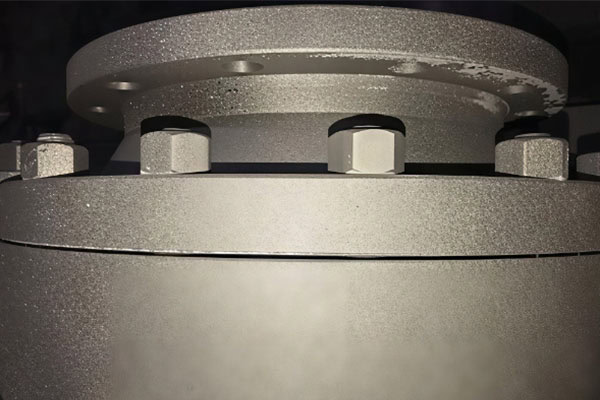
Sandblasting uses abrasive particles propelled at high speed to impact a metal surface and create a uniform texture. The abrasive type, particle size, blasting pressure, and treatment duration all influence the final appearance. For CNC machined parts, sandblasting can reduce the visibility of certain machining marks and produce a fine, consistent matte finish.
Which Parts Are Suitable for Sandblasting?
Sandblasting is commonly used for aluminum enclosures, mechanical structural components, visible product parts, and metal components that require subsequent coating. Compared with leaving machining marks exposed, sandblasting can create a more consistent appearance across large surface areas. It can also help prepare surfaces for certain coating processes.
However, sandblasting is not the same as polishing and cannot replace protective treatments such as anodizing. Sandblasted parts may require additional finishing to meet corrosion resistance, wear resistance, or specific appearance requirements. For precision mating surfaces and thin-walled structures, blasting parameters must be carefully controlled to avoid dimensional changes or surface damage.
Polishing: Improving Surface Smoothness and Appearance
How Does Polishing Improve Metal Surfaces?
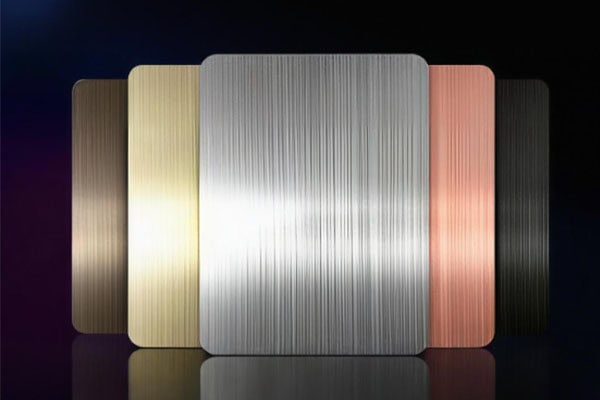
Polishing uses mechanical, chemical, or electrochemical methods to reduce microscopic surface irregularities, producing a smoother finish. Depending on the process and material, polishing can create a subtle sheen or a highly reflective mirror finish.
Applications and Limitations of Polishing
Polishing is commonly used for stainless steel decorative components, aluminum alloy exterior parts, brass components, and precision parts that require a high-quality surface finish. It is particularly useful when lower surface roughness, improved cleanability, or enhanced visual appeal is required.
However, polishing is not suitable for every geometry. Deep recesses, narrow grooves, and sharp corners can be difficult to finish uniformly. Excessive polishing may also alter edge profiles and critical dimensions. For parts with tight dimensional tolerances, surface roughness requirements and areas that must not be polished should be clearly specified in the engineering drawings.
Key Differences Between Anodizing, Sandblasting, and Polishing
The main difference between these three processes lies in their objectives. Anodizing focuses on forming a protective oxide layer, sandblasting creates a consistent surface texture, and polishing primarily reduces surface irregularities to improve smoothness.
Anodizing is mainly used for aluminum and aluminum alloys. It can improve corrosion resistance and provide different colors depending on the selected process. Sandblasting is suitable for various metal materials and produces a uniform matte texture, but it cannot replace a protective coating on its own. Polishing is more suitable for parts that require a glossy appearance or lower surface roughness. Its protective performance depends on the material and any subsequent treatment.
These processes are not always mutually exclusive. For example, an aluminum alloy component can be sandblasted before anodizing to achieve a uniform matte appearance combined with improved surface protection. The appropriate process combination depends on the product’s appearance requirements, performance specifications, and dimensional tolerances.
How to Choose the Right Surface Finish for CNC Metal Parts
Consider the Material and Operating Environment
If a component is made from aluminum alloy and requires color options and corrosion resistance, anodizing is worth considering. Sandblasting is a suitable choice when a consistent matte appearance is needed, while polishing should be evaluated when high gloss or low surface roughness is required.
For stainless steel components, mechanical polishing or electropolishing may be more appropriate than aluminum anodizing. The selected process should match the material’s properties and the conditions in which the finished part will be used.
Include Surface Finishing Requirements in the Design
Before mass production, clearly specify the material grade, surface treatment type, color, surface roughness, dimensional tolerances, and visual acceptance criteria. For components requiring multiple finishing operations, the processing sequence must also be established.
For example, aluminum alloy parts can be sandblasted before anodizing to achieve a more uniform matte finish. However, the final process sequence should be determined according to the component geometry and quality requirements.
Balance Machining Accuracy and Production Costs
Different surface finishing methods affect production lead times, inspection requirements, and overall costs. For internal structural components, retaining an acceptable CNC machined finish may be sufficient. For consumer electronics enclosures and visible decorative parts, manufacturers may need to balance appearance consistency against additional processing costs.
Design reviews and sample validation before mass production can help reduce rework and improve manufacturing consistency.
TiRapid’s CNC Machining and Surface Finishing Solutions
TiRapid provides CNC milling, turning, and multi-axis machining services for different application requirements, with surface finishing options including anodizing, sandblasting, and polishing. By considering material properties, component geometry, dimensional tolerances, and the final operating environment, manufacturers can develop suitable machining solutions for both prototypes and production runs.
For custom metal machining projects, customers are encouraged to provide 2D engineering drawings, 3D models, material specifications, and surface finishing requirements when requesting a quotation. Clear technical specifications help the engineering team evaluate process feasibility, control critical dimensions, and improve the quality consistency of finished parts.