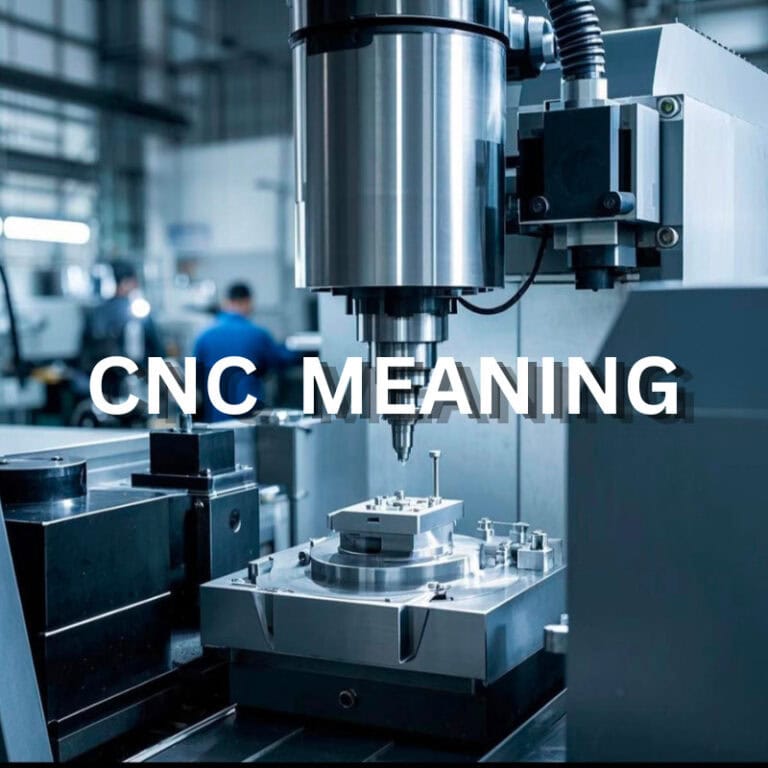
CNC machining and injection molding are two common manufacturing processes for plastic components. Both can be used to produce plastic housings, structural components, connectors, and industrial accessories, but they differ significantly in processing principles, production costs, dimensional accuracy, material selection, and suitable production volumes. CNC machining primarily uses computer-controlled equipment to cut plastic sheets, rods, or blocks, gradually removing excess material to achieve the required shape and dimensions. Injection molding, on the other hand, involves heating plastic until it melts, injecting the molten material into a mold, and allowing it to cool and solidify into the finished part. Choosing the right manufacturing method requires evaluating the component structure, operating environment, order quantity, and quality requirements. For example, CNC machining is usually more convenient when a product is in the design validation stage and a small number of prototypes must be produced quickly. When the product design has been finalized and large quantities of identical parts need to be manufactured continuously, injection molding generally offers better unit cost advantages.
How Do the Processing Principles Differ?
CNC Machining for Plastic Parts
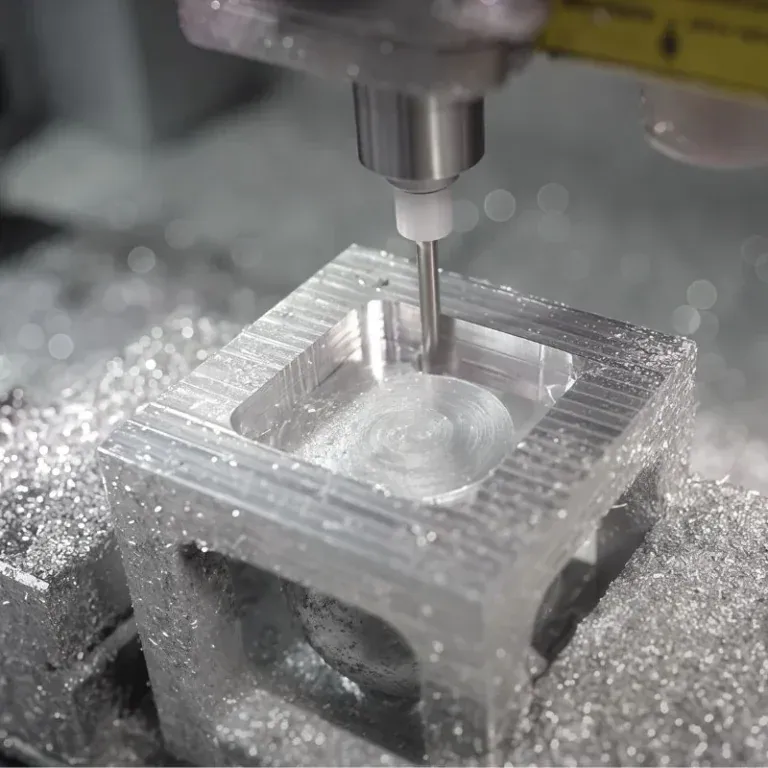
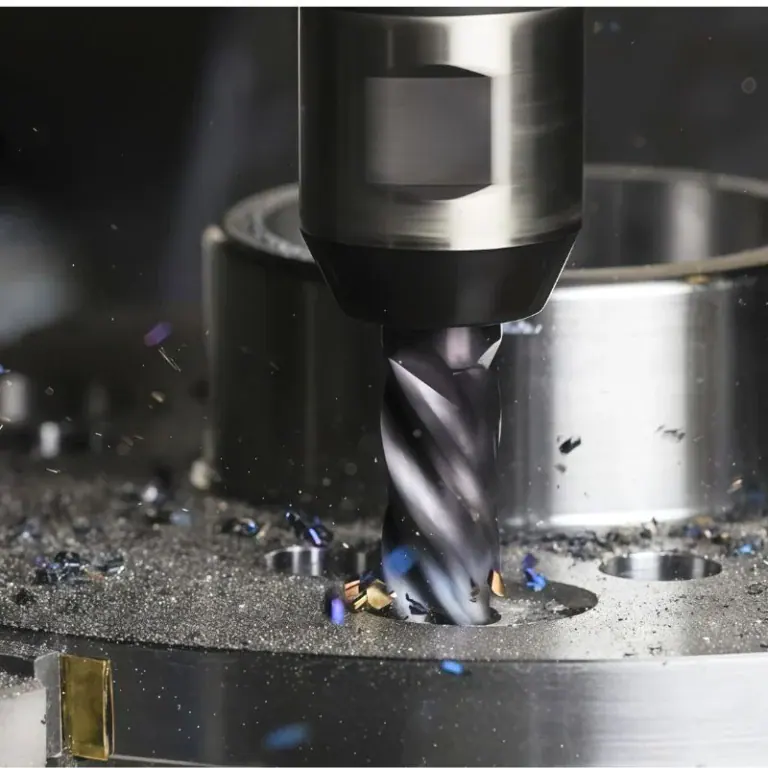
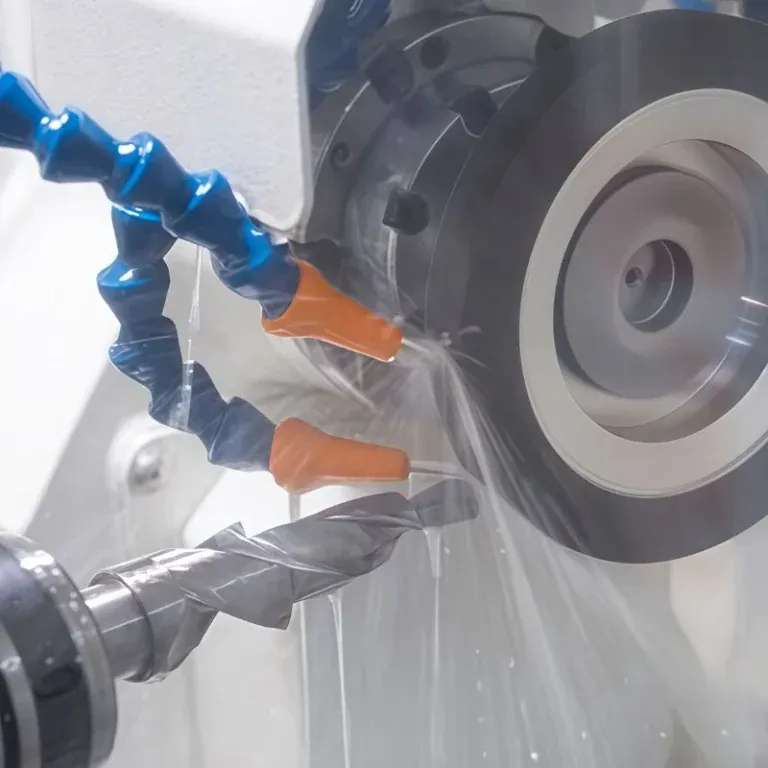
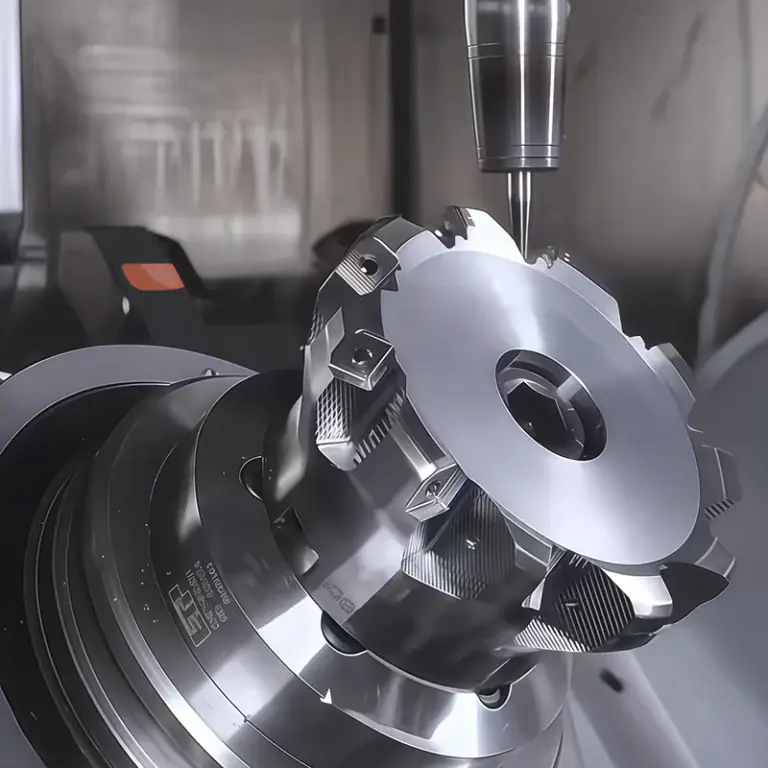
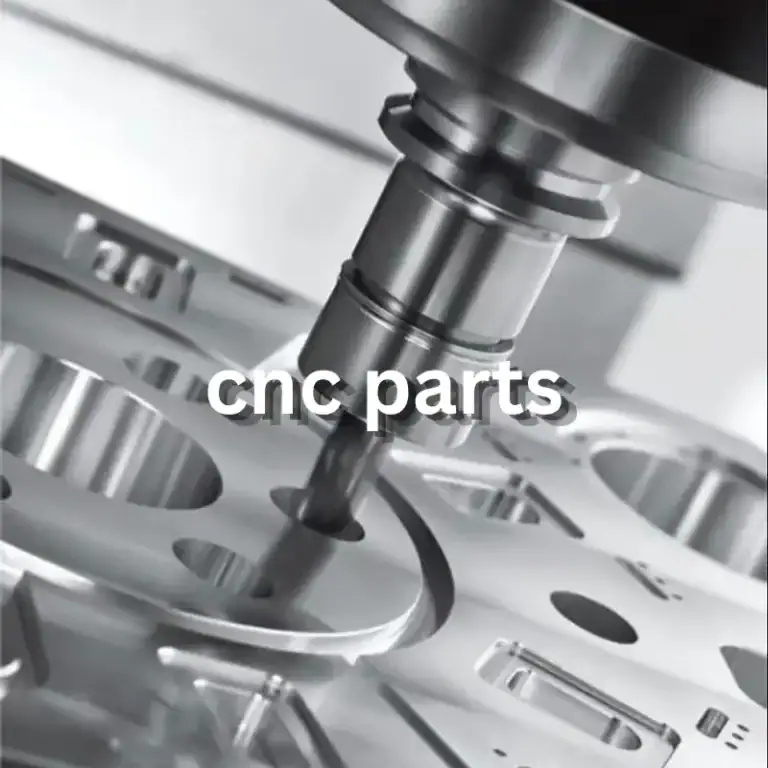
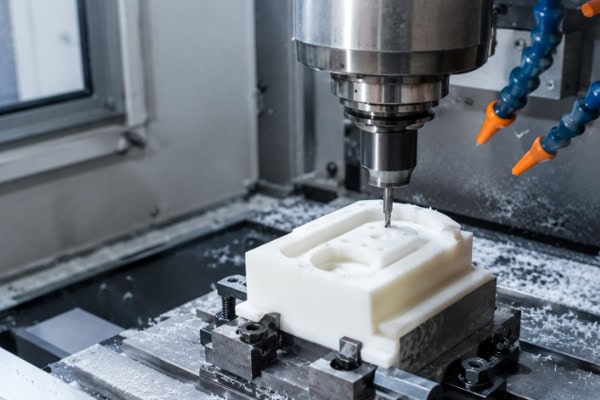
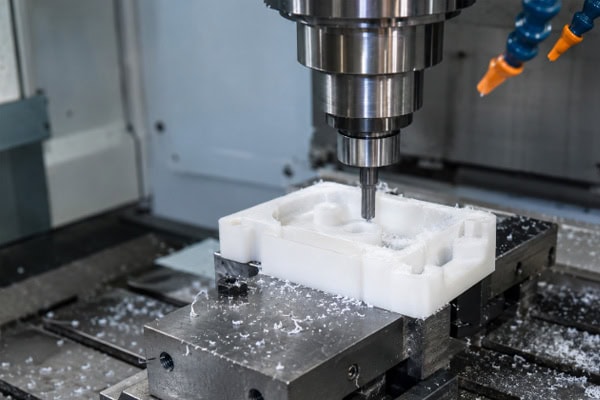
CNC machining is a computer-controlled cutting process. Based on the component drawings, the operator creates a machining program, after which a CNC milling machine, lathe, or other equipment performs cutting along the specified tool paths. During machining, the cutting tool gradually removes plastic material to create holes, slots, curved surfaces, stepped features, and other structures. This process does not require dedicated injection molds, making it suitable for parts that undergo frequent design changes, require strict dimensional tolerances, or are needed in small quantities. Common materials include ABS, POM, PA, PC, PEEK, PMMA, and UHMW-PE. The specific material selection depends on the component’s strength, wear resistance, temperature resistance, and operating environment. CNC machining also allows the cutting program to be adjusted according to the drawings. When a product requires changes to hole diameters, thicknesses, or local structural features, the program and machining parameters can usually be modified without manufacturing an entirely new mold set.
Injection Molding
Injection molding requires a mold designed to match the shape of the component. Plastic pellets are heated until they melt, and an injection molding machine applies pressure to force the molten plastic into the mold cavity. After the material cools and solidifies, the mold opens and the part is removed, followed by any necessary trimming, inspection, or post-processing. Injection molding is suitable for producing plastic parts with relatively complex shapes, consistent structures, and large production volumes. With proper mold design, features such as snap-fit joints, reinforcing ribs, mounting bosses, and other structural elements can be formed directly into the parts, reducing subsequent assembly and machining operations. However, injection molding requires careful consideration of mold costs, draft angles, wall thickness uniformity, shrinkage rates, and gate locations. If the product design undergoes major changes, the mold may need to be modified or even manufactured again from scratch.
How Do Production Costs and Manufacturing Efficiency Compare?
Cost Characteristics of CNC Machining
The cost of CNC machining typically consists of material expenses, machine operating time, tool consumption, programming time, setup operations, and quality inspection. Since there is no initial investment in dedicated injection molds, CNC machining is often easier to manage in terms of upfront costs for small-batch production.
- Prototype production: Suitable for product development, functional testing, and design validation, allowing a small number of parts to be produced relatively quickly.
- Small-batch production: Suitable for orders involving dozens or hundreds of parts. Its cost-effectiveness depends on component dimensions, structural complexity, and machining time.
- Complex structures: When parts require precision holes, localized recesses, or detailed contours, CNC machining can meet these requirements through multi-axis machining and precision cutting. However, complex features may also increase machining time.
CNC machining is a material removal process, meaning that some of the material becomes chips. When parts are large, structurally complex, or made from expensive materials, material utilization and machining time may both affect the final quotation.
Cost Characteristics of Injection Molding
The main upfront expenses of injection molding typically include mold design, mold manufacturing, trial molding, and process adjustment. Although the initial mold investment may be substantial, once the mold is completed and production becomes stable, the manufacturing time per part is usually short, and the unit cost can decrease as production volume increases. If order quantities are large and the product design remains stable over an extended period, injection molding is generally more suitable for continuous batch production. Automated part removal, continuous production, and multi-cavity molds can further increase production capacity. However, injection molding does not mean that every part can be manufactured at a low cost. For projects involving small order quantities, frequent product revisions, or multiple specifications, the mold cost may be difficult to distribute across enough units to achieve significant savings.
What Are the Differences in Machining Accuracy, Materials, and Part Quality?
The quality of plastic parts depends not only on the manufacturing process but also on material properties, structural design, equipment precision, and quality control procedures. Different plastics vary in hardness, strength, heat resistance, wear resistance, and moisture absorption, so the appropriate material must be selected according to the actual application of the component. CNC machining primarily controls part geometry and dimensions through cutting, while injection molding requires particular attention to mold accuracy, material shrinkage rates, molding temperatures, and other process parameters. The two processes have different characteristics in terms of dimensional tolerances, surface quality, and production consistency. Therefore, reasonable acceptance criteria should be established based on assembly requirements, operating environments, and structural characteristics. Dimensional measurements, visual inspections, and necessary performance tests should then be conducted to ensure that plastic parts comply with the design drawings and intended application requirements.
Dimensional Accuracy and Surface Quality
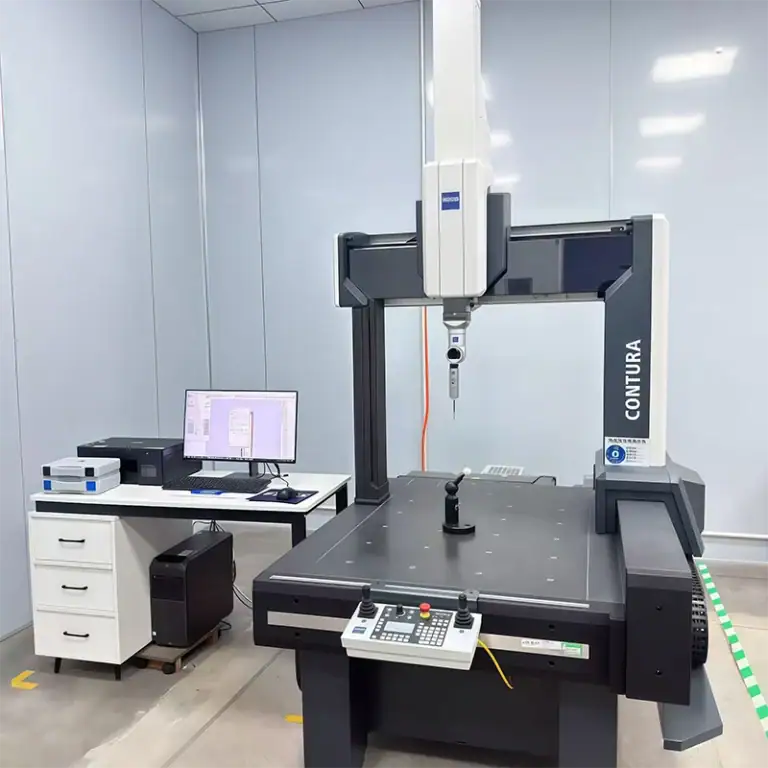
CNC machining controls tool paths through numerical programs and is suitable for parts with clearly defined requirements for critical dimensions, hole spacing, fit clearances, and local flatness. For plastic components that must be assembled precisely with metal shafts, screws, or other structural parts, machining parameters and subsequent finishing operations can be adjusted to meet drawing specifications. Injection molding is better suited to consistently reproducing parts with identical shapes. Actual dimensions may be affected by material shrinkage, mold precision, temperature, injection pressure, and cooling conditions. If a part requires strict dimensional tolerances, shrinkage compensation must be considered during mold design, and the results must be verified through trial molding and measurement. Surface quality also differs between the two processes. CNC-machined parts may retain tool marks, which can be improved through polishing, deburring, or other finishing operations when necessary. The surface finish of injection-molded parts is generally directly related to the quality of the mold cavity and can also be customized through mold texturing to achieve a specific appearance.
Material Properties and Structural Requirements
CNC machining can directly process plastic sheets, rods, or blocks that meet the required specifications, making it suitable for manufacturing functional components based on established material properties. Injection molding requires plastic grades suitable for the molding process, with material selection based on flowability, shrinkage rate, heat resistance, and mechanical properties.
Common material options include:
- ABS and PC:These materials can be used for equipment housings, instrument panels, and structural components. Their specific performance depends on the selected material grade.
- POM and PA: These materials are commonly used for gears, sliding components, support parts, and other mechanical components. Material selection should account for friction, moisture absorption, and operating conditions.
- PEEK and other engineering plastics: These materials can be used for components requiring relatively high heat resistance or mechanical performance, but material costs and processing conditions must be evaluated separately.
In terms of design, CNC machining offers considerable flexibility when working with solid structures, but deep cavities, thin walls, and complex internal cavities may increase machining difficulty. Injection molding can efficiently produce complex external shapes, but wall thicknesses, radii, reinforcing ribs, and demolding structures must be properly designed to prevent sink marks, warping, bubbles, and other molding defects.
How Do You Choose the Right Manufacturing Process?
Choosing between CNC machining and injection molding for plastic parts requires evaluating order quantity, product structure, delivery time, and precision requirements. CNC machining does not require dedicated molds, making it suitable for prototype development, small-batch production, and projects involving frequent design modifications. Injection molding is suitable for parts with finalized designs and high production demand, helping improve manufacturing efficiency and reduce unit costs. The two processes can also be used together. For example, prototypes can first be produced through CNC machining to verify dimensions and assembly performance, followed by injection molding for mass production. When selecting a manufacturing method, it is advisable to provide product drawings, material requirements, order quantities, and dimensional tolerances so that the supplier can evaluate the process, production lead time, and quotation.
Frequently Asked Questions
Q1: Is CNC machining of plastic parts always more expensive than injection molding?
Not necessarily. CNC machining generally does not require the cost of dedicated molds, so it may be more economical for small production runs. Although injection molding requires a higher initial investment, it usually offers a lower unit cost for large production volumes. The comparison should take total production quantity and part complexity into account.
Q2: Which process is better for custom plastic parts?
If a product is still in the development stage and its dimensions or structure may need repeated adjustments, CNC machining is generally more flexible. If the design has been finalized and large quantities of identical parts must be produced over an extended period, injection molding is often more suitable. For custom components requiring strict dimensional fits, CNC finishing can also be evaluated.
Q3: Can prototypes be produced through CNC machining before moving to injection molding?
Yes. This workflow is suitable for projects that require verification of appearance, assembly relationships, and basic functionality. CNC-machined prototypes can be used to evaluate the structural design before mold development, helping reduce mold modification costs caused by design errors. However, CNC prototypes and injection-molded parts may differ in material condition, surface finish, and dimensional changes. Trial molding and finished-part validation are still necessary before formal mass production.
Q4: What information should be provided when requesting a quotation?
It is advisable to prepare 2D engineering drawings or 3D models, material grades, estimated order quantities, critical dimensional tolerances, surface finishing requirements, and operating conditions. If complete drawings are not yet available, a dimensioned sketch and functional description can also be provided for an initial evaluation of process feasibility, machining difficulty, and the estimated quotation range.
Conclusion
The main differences between CNC machining and injection molding for plastic parts lie in their material-forming principles, upfront investments, production efficiency, and suitable order volumes. CNC machining does not require dedicated injection molds, making it suitable for custom components, prototype production, small-batch manufacturing, and structures requiring precision cutting. Injection molding relies on molds to reproduce part geometries, making it suitable for products with stable designs, high demand, and ongoing batch production requirements. When determining the manufacturing approach, unit price should not be the only consideration. Mold investment, material utilization, machining lead time, dimensional tolerances, and post-processing costs should also be calculated. For businesses requiring CNC machining of plastic parts, providing complete drawings, material specifications, and order quantities helps suppliers evaluate suitable equipment, cutting tools, and machining processes, allowing them to develop a manufacturing solution that better meets product requirements. If a project is still in the design stage, a preliminary process evaluation can also help determine which features are better suited to CNC machining and which are more appropriate for injection molding, reducing unnecessary production costs and design rework.