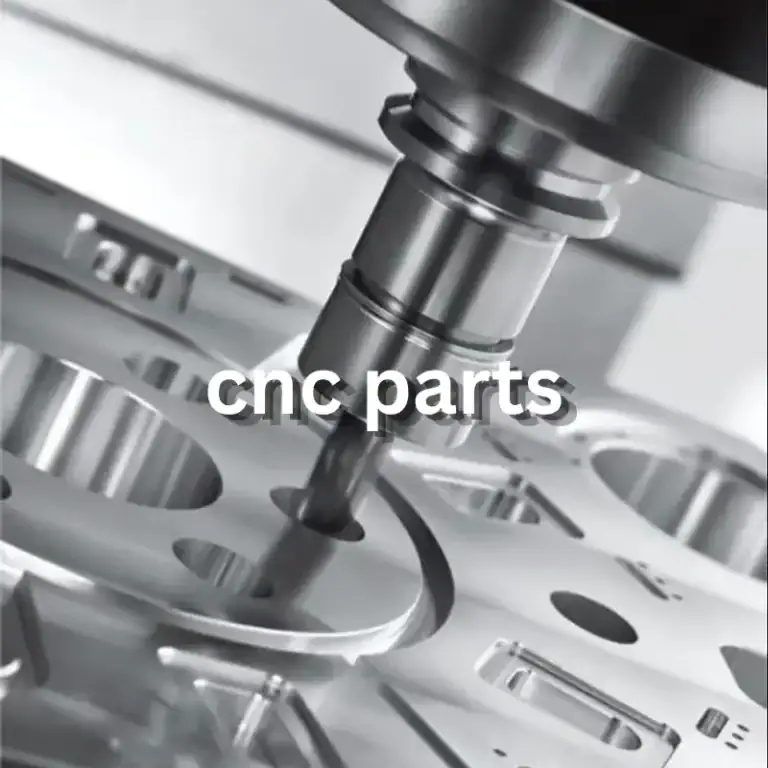
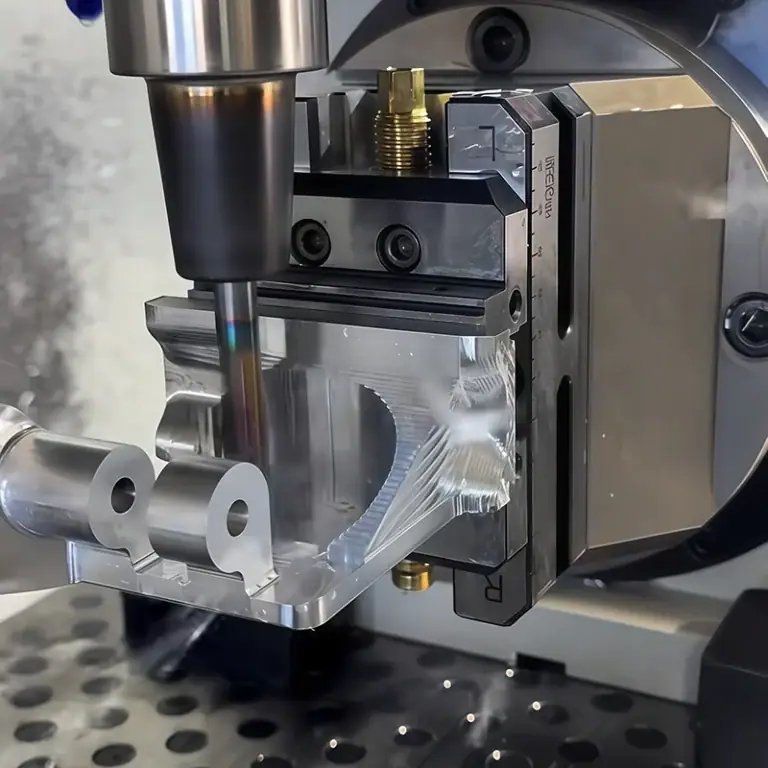
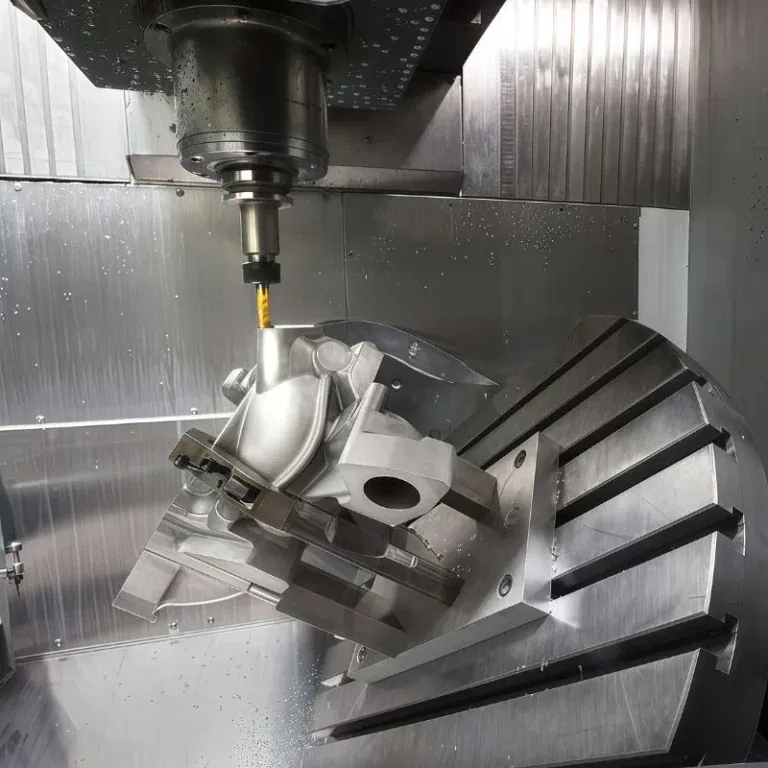
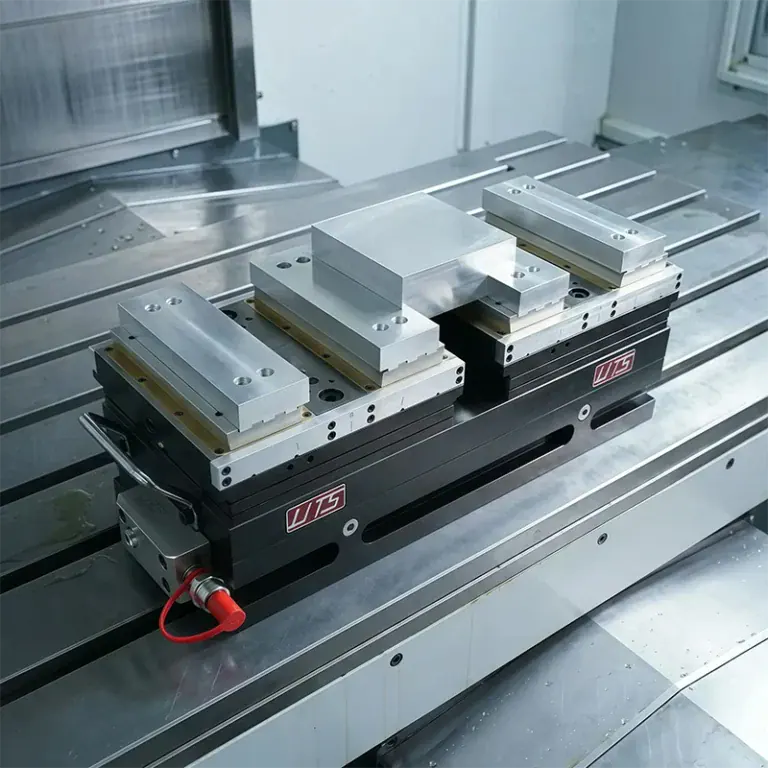
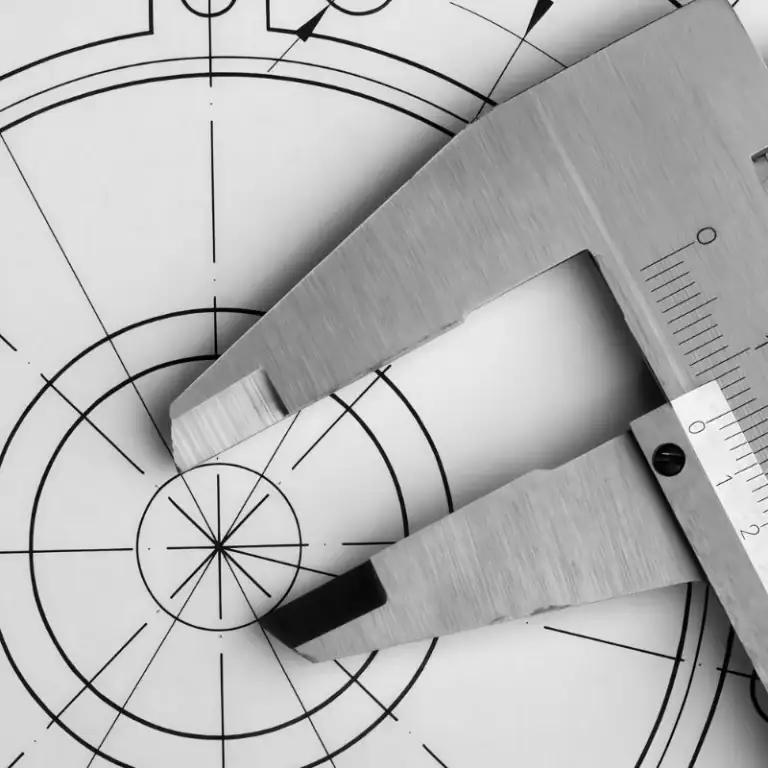
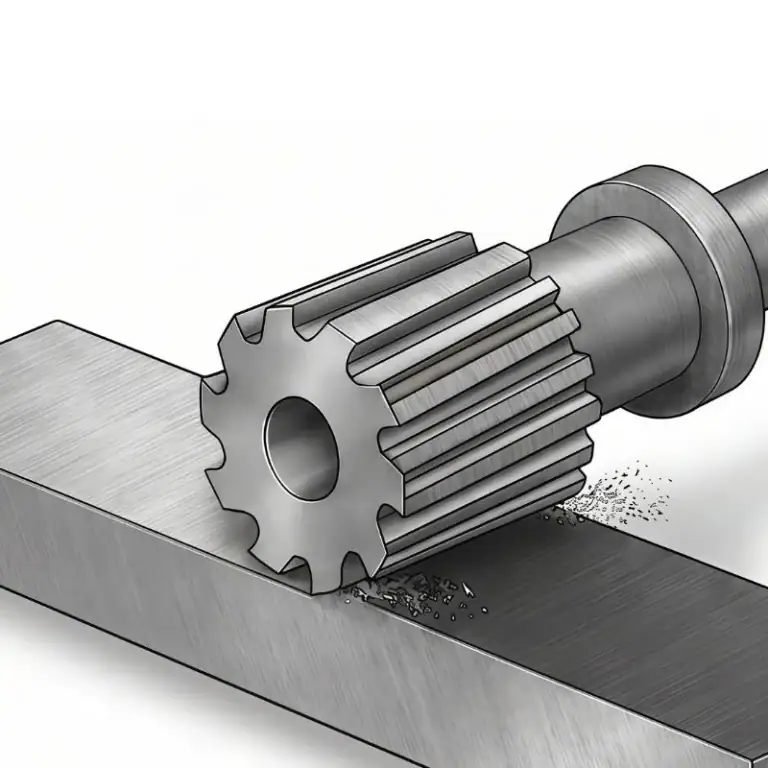
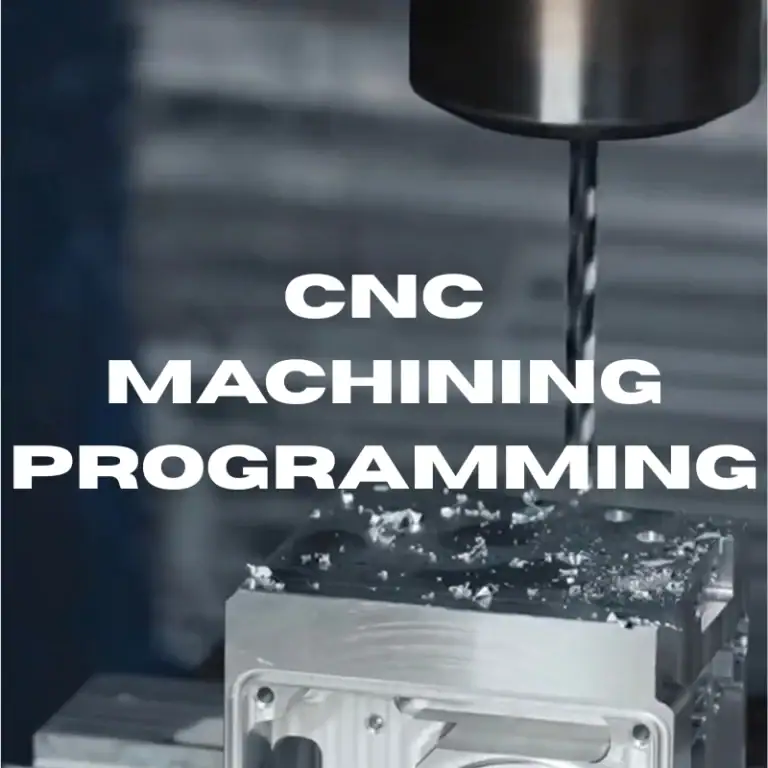
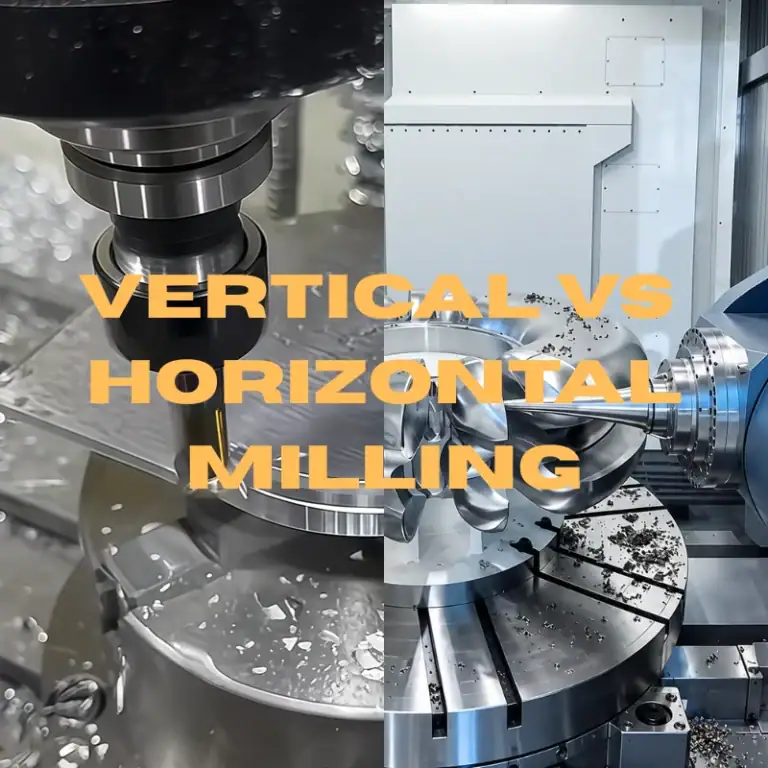
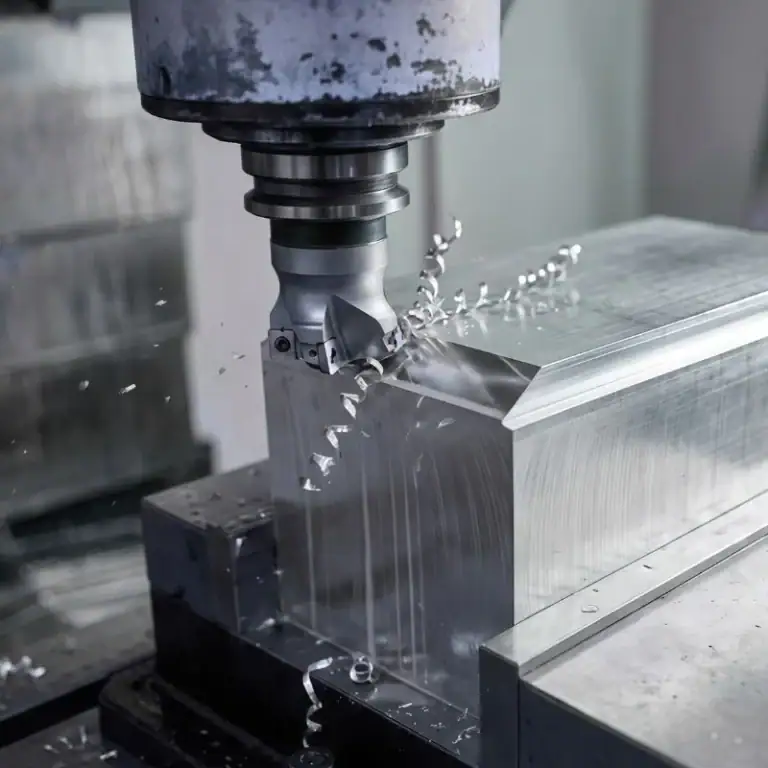
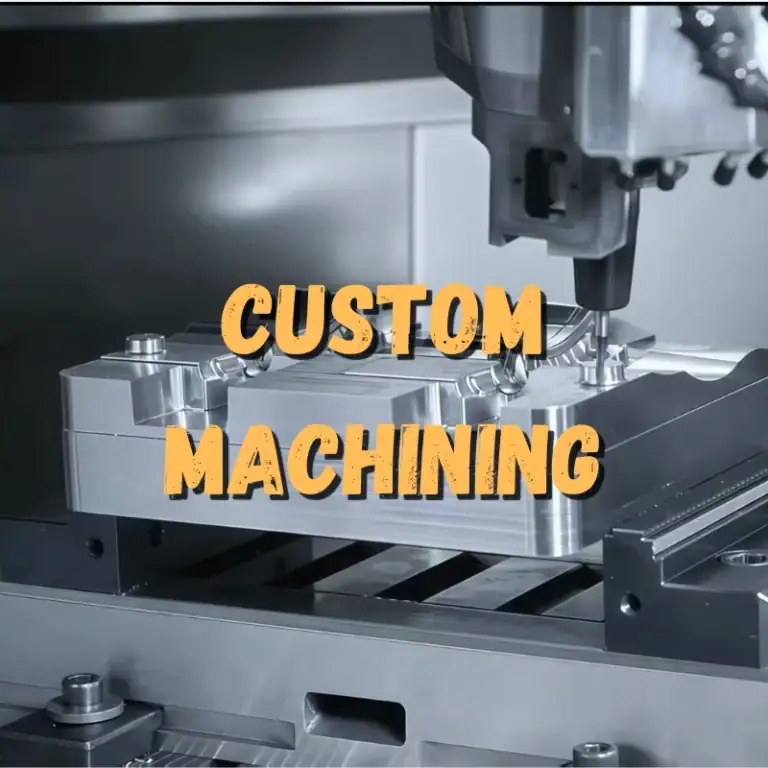
Many people hear the term “precision machining” and assume it is something reserved for advanced factories or highly specialized industries. In reality, it is already used in many everyday manufacturing sectors. From metal components inside automobiles to small structural parts in medical equipment, aerospace systems, and semiconductor machinery, precision machining plays an important role in modern manufacturing. The smaller the part, the more complex the structure, or the tighter the assembly requirements, the more likely conventional machining methods are to encounter limitations. Precision machining addresses practical issues such as dimensional control, complex geometry, assembly stability, and batch consistency.
Why Is Precision Machining Commonly Used in Automotive and Industrial Equipment?
Automotive manufacturing, automation equipment, and industrial machinery are some of the most common application areas for precision machining. These products often contain numerous metal components that move, connect, support, or work together over long periods. Even a small dimensional deviation in one component can affect the operation of the entire system. Custom parts and development prototypes are especially suitable for CNC machining because the manufacturing process can be adjusted quickly to match different designs.
Precision Machining for Automotive Components
Automobiles contain a wide range of components responsible for transmission, support, connection, and positioning. The growth of electric vehicles has also created demand for more custom-machined parts in electric drive systems, battery structures, and lightweight components. During production, manufacturers pay attention not only to dimensional accuracy but also to hole positions, flatness, curved surfaces, and mating areas.
Common precision-machined components include:
- Precision structural parts, shafts, and connectors used in engine and transmission systems.
- Mounting components and metal parts for electric vehicle drive systems.
- Fixtures, positioning components, and specialized structures used in automotive testing equipment.
These parts may not always look complicated, but their dimensional relationships can become critical once they are installed in the vehicle or equipment. Stable machining makes assembly easier and can reduce adjustment time later in the production process.
Precision Machining for Automation Equipment
Components used in automated production lines are often designed specifically for individual machines. Mounting plates, robotic arm connectors, positioning bases, and fixtures may all require custom machining. Many automation projects are still in the development or modification stage, meaning drawings can change as testing progresses. The manufacturing process needs to be flexible enough to keep up.
Common production requirements include:
- Accurate positioning of mounting holes so different components can fit together correctly.
- Machining complex contours and localized structures with minimal manual finishing.
- Supporting single-piece, small-batch, and repeat-order production.
- Allowing modified designs to move quickly into the next testing stage.
Automation equipment may not require huge quantities of parts, but every component can affect the overall machine movement. Stable dimensions can make equipment commissioning and troubleshooting much easier.
Precision Machining for Molds and Mechanical Structures
Molds, jigs, fixtures, and mechanical structures often contain cavities, positioning grooves, guide structures, and mounting areas. If these features are significantly out of tolerance, assembly problems such as sticking, misalignment, or excessive clearance may occur.
Precision machining can transform complex designs into finished components and is particularly useful for development-stage and custom manufacturing. For projects where designs change frequently, CNC programs can also be adjusted without the large tooling investment required by some traditional manufacturing methods.
What Precision Machining Requirements Exist in Medical, Aerospace, and Semiconductor Industries?
Medical, aerospace, and semiconductor industries operate in very different environments, but all place demanding requirements on component manufacturing. Medical equipment places greater emphasis on dimensions, surfaces, and functional safety. Aerospace products focus on weight, strength, and structural reliability. Semiconductor equipment is highly sensitive to dimensional stability, cleanliness, and long-term operating performance. In these applications, precision machining is not simply about making parts “smaller” or “more accurate”; it is about ensuring that components remain stable in real operating conditions.
Precision Machining for Medical Equipment
Medical equipment often contains relatively small components with detailed structures. Connectors, supports, positioning components, and operating mechanisms may need to fit precisely with other parts. Burrs and surface defects can also interfere with subsequent assembly.
Common applications include:
- Precision metal components used in surgical instruments.
- Connection and positioning structures inside medical equipment.
- High-precision custom parts made from materials such as titanium alloys.
When manufacturing these components, dimensional accuracy, surface condition, and batch consistency all deserve close attention. For equipment intended for long-term operation, even small dimensional changes can gradually affect overall performance.
Precision Machining for Aerospace Components
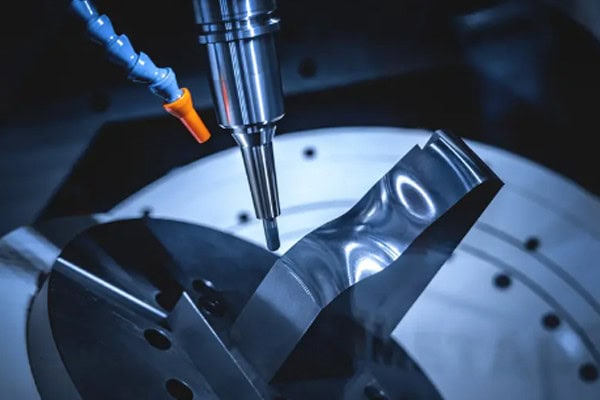
Aerospace manufacturing commonly uses aluminum alloys, titanium alloys, and high-strength steels. Some components must combine low weight with sufficient structural strength, while machining may involve thin walls, deep cavities, and complex curved surfaces.
Precision machining can be used to manufacture aerospace structural components, supports, connectors, and internal equipment parts. For products with many curved surfaces, multi-axis CNC machining can reduce repeated setups and improve dimensional relationships between different machining areas.
Precision Machining for Semiconductor Equipment
Semiconductor production equipment contains numerous high-precision components. Vacuum chamber components, wafer support structures, positioning parts, and mounting components are common examples. In addition to dimensional accuracy, surface quality and post-machining cleanliness are also important.
After production, critical dimensions, positional accuracy, and surface conditions are typically inspected. For high-value equipment, stable manufacturing is often more important than simply increasing machining speed.
Where Is Precision Machining Used in Electronics, Optics, and New Energy?
Electronic products are becoming thinner and smaller, optical equipment is becoming more sophisticated, and the internal structures of new energy equipment are becoming increasingly complex. These trends are creating broader opportunities for precision machining. Features that could once be produced with conventional machining may now require tighter control over holes, contours, surfaces, and assembly relationships. This is particularly true for small-batch development products, where manufacturing costs must be controlled without compromising test results.
Metal Components for Electronic Equipment
Electronic equipment may contain custom-machined metal housings, mounting brackets, heat-dissipation structures, and connection components. Products with demanding appearance requirements may also require anodizing, sandblasting, or other surface treatments after CNC machining.
Common considerations include:
- Dimensional control for small structural components.
- Positional relationships between mounting holes and internal features.
- Machining marks and surface conditions on visible areas.
For electronic products with rapid development cycles, precision machining can also shorten the time between design and physical verification, allowing new structures to enter testing sooner.
Precision Components for Optical Equipment
Optical equipment may contain lens support structures, adjustment mechanisms, and mounting bases that are sensitive to positional relationships and machining stability. If the mounting position changes significantly, the relationship between optical components may be affected.
Precision machining can be used to process flat surfaces, holes, curved profiles, and small features on these components. For small quantities during the development stage, it can also reduce the time and cost pressure associated with conventional mold-making processes.
Components for New Energy Equipment
The development of electric vehicles, battery manufacturing equipment, and energy storage systems has created demand for many precision metal components. Equipment fixtures, mounting structures, connectors, and testing tools may all require CNC machining.
These projects often place strong emphasis on delivery speed while maintaining dimensional stability. A well-organized machining process can reduce repeated operations and make subsequent assembly, testing, and commissioning smoother.
Components for Communications and Precision Instruments
Communication equipment and precision instruments often have limited internal space, so components need to perform positioning, fixing, and connection functions within compact dimensions. Small metal brackets, shielding structures, and mounting components may all involve precision machining.
For these products, dimensional accuracy is not the only consideration. Hole positions, flatness, and assembly clearances can also affect final performance. The more stable the machining process, the less adjustment is likely to be required during assembly.

What Should You Look for When Choosing a Precision Machining Supplier?
Knowing where precision machining is used is only part of the decision. When it comes to purchasing, companies are usually more concerned about whether a manufacturer can actually produce the required parts reliably. A low quotation does not always mean a lower overall cost. If parts require repeated rework or delivery schedules keep changing, the real cost can become much higher. For custom components, drawings, materials, tolerances, quantities, and surface requirements can vary considerably, so reliable manufacturing should connect everything from drawing review to final inspection.
CNC Equipment and Machining Capabilities
Different components require different equipment. A simple flat component and a complex five-axis structure clearly should not be produced through exactly the same process. When selecting a machining supplier, it is useful to check whether the available equipment covers the actual requirements of the part and whether the machines can maintain stable performance over time.
Key points to consider include:
- Whether CNC milling and precision turning capabilities are available.
- Whether complex curved surfaces and multi-sided structures can be machined consistently.
- Whether common materials such as aluminum alloys, stainless steel, and titanium alloys are supported by established machining experience.
Equipment provides the foundation, but tools, programming, fixturing, and process management also have a major influence on the finished component. When these capabilities work together, precision machining becomes much more stable.
Inspection Equipment and Quality Control
After machining, visual inspection alone is not enough to determine whether a component meets its specifications. For small parts with demanding mating requirements, many dimensional deviations cannot be identified simply by looking at the finished product.
Common inspection items include:
- Critical dimensions and geometric tolerances.
- Hole positions, flatness, and profile accuracy.
- Surface roughness and visual condition.
- Consistency across production batches.
Complete inspection records also make it easier to trace issues when abnormalities occur during production. For companies that regularly purchase precision components, stable quality management can be more valuable than a one-time low quotation.
Drawing Communication and Project Support
Clear communication before production is an important part of precision machining. Some structures may look fine on a drawing but create problems during actual production, such as limited tool access, insufficient clamping space, or unnecessarily high machining costs.
An experienced machining team can review these details before production and identify potential manufacturing issues. This helps reduce unnecessary design changes and makes delivery schedules and manufacturing costs easier to manage.
Precision machining is no longer limited to a small group of high-end industries. It is now widely used in automotive manufacturing, automation equipment, medical devices, aerospace, semiconductors, electronics, optics, new energy, communications, and precision instruments. Different products have different requirements for accuracy, materials, surface quality, and structural complexity. For companies looking for custom components, providing clear information about drawings, materials, tolerances, and intended applications before production can make the entire process much smoother. Tirapid specializes in precision machining services, providing CNC milling, precision turning, and custom part manufacturing support for a wide range of industrial applications.