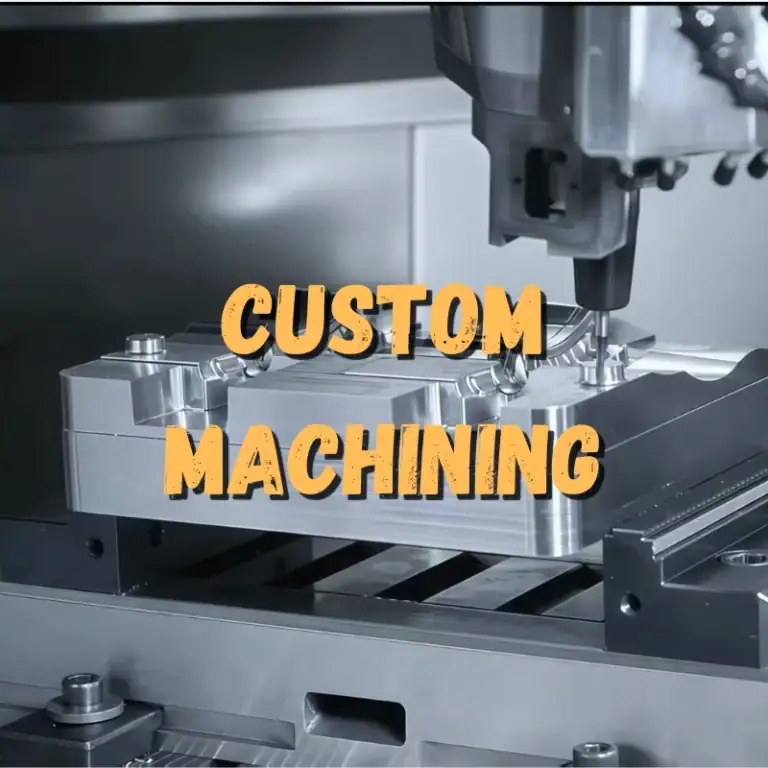
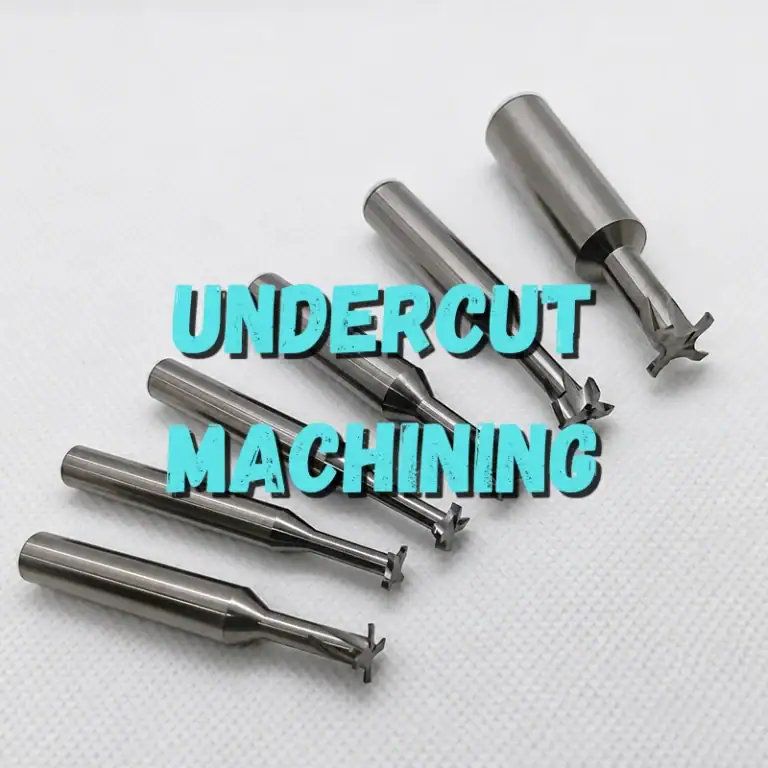
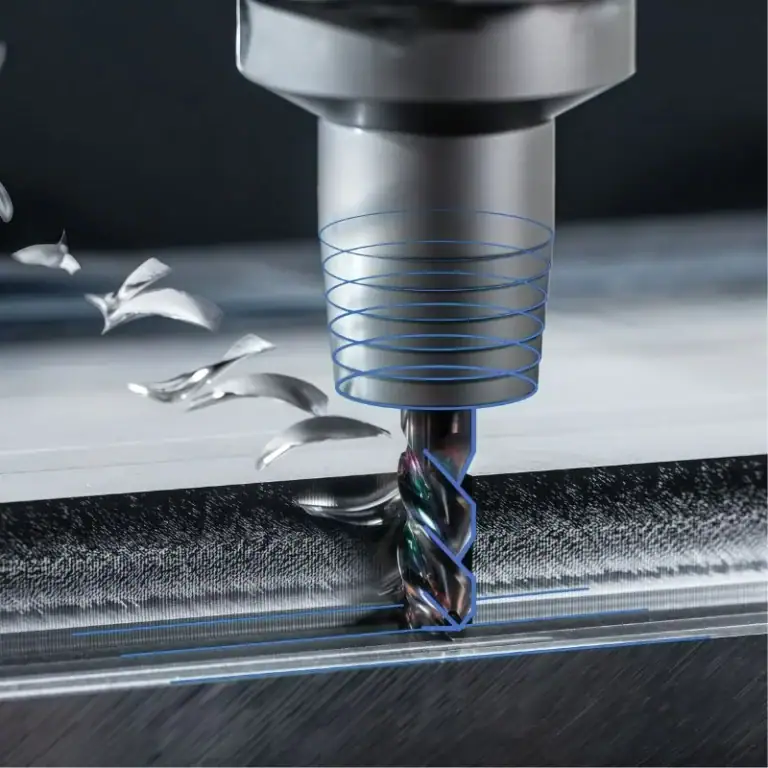
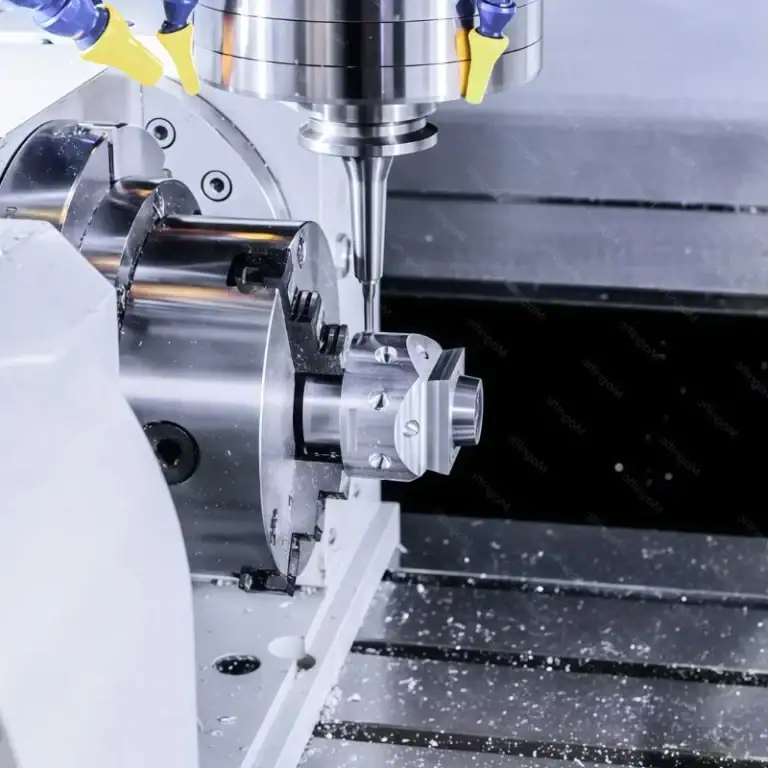
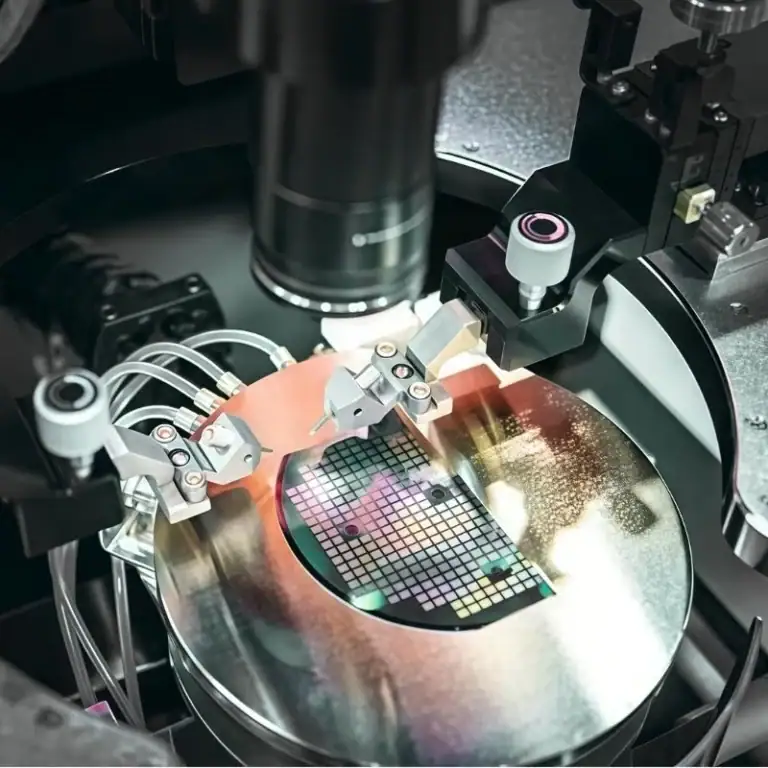
3D printing has made mold prototyping much faster. A complex mold that once required considerable preparation can now be produced quickly for evaluation. However, a printed mold is not necessarily ready for use immediately after printing. Surface layer lines, hole position deviations, flatness of mounting surfaces, and cavity dimensions can all affect assembly and product forming. This is where CNC precision machining becomes valuable. Simply put, 3D printing creates the basic mold geometry quickly, while precision machining refines critical dimensions, surfaces, and mating areas so the mold can move from a basic prototype to a functional production tool.
Why Do 3D-Printed Molds Still Need Precision Machining?
The biggest advantages of 3D printing are fast production and design freedom, making it particularly useful for new product development and low-volume prototyping. However, the printing process can be affected by layer thickness, material shrinkage, equipment condition, and build orientation, which may create differences between the actual part and the digital model. These issues may not matter much for a display model, but they become more important when a mold must open and close repeatedly, maintain accurate positioning, or directly form a finished product. Precision machining helps refine the areas that have the greatest impact on actual mold performance.
Removing Surface Layer Lines
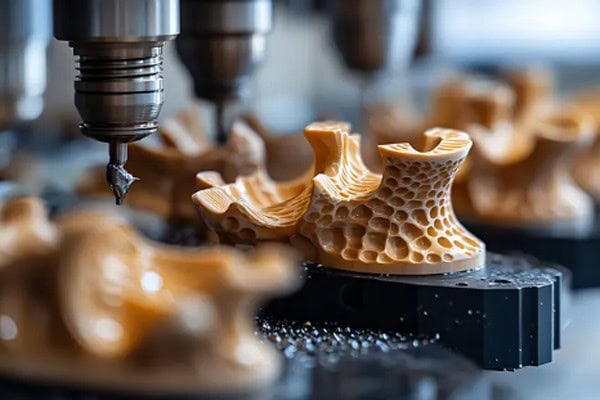
3D printing builds a part layer by layer, which can leave visible texture on the surface. These marks may be particularly noticeable on curved surfaces, angled areas, and rounded transitions. If they remain on the mold surface, the same texture may transfer to the finished product. This is especially important for components with demanding appearance requirements.
During machining, the team can identify which areas require surface refinement and which areas can remain as printed. The mold cavity, core, and critical flat surfaces can receive more machining attention without unnecessarily processing the entire mold.
- Precision milling can refine cavity surfaces and reduce the effect of printed layer lines on the molded product.
- Curved and rounded areas can be machined more carefully to improve dimensional consistency.
- Appropriate machining allowance can be reserved for areas that will receive additional polishing.
Surface finishing does not simply mean making every area as smooth as possible. Different sections of a mold perform different functions, so allocating machining time intelligently can improve forming results while avoiding unnecessary manufacturing costs.
Correcting Dimensional Deviations After Printing
Once a digital model has been turned into a physical part, actual dimensions may be affected by material shrinkage, printing parameters, and equipment accuracy. If locating holes, insert holes, or mounting surfaces are out of position, assembly may become difficult, with components potentially fitting too tightly, leaving excessive clearance, or failing to align correctly.
CNC machining can refine these critical areas and bring important dimensions closer to drawing requirements. For molds, this step can have a direct impact on how smoothly the tool can be assembled and operated.
- Precision machining can refine locating holes and control their diameter and positional relationships.
- Mounting surfaces can be corrected to reduce height differences during assembly.
- Critical mating areas can be finished more accurately to make inserts and other components easier to install.
Keeping dimensional deviations within a reasonable range can improve mold opening, closing, and installation stability while reducing the time lost to repeated rework.
Improving Cavity and Core Accuracy
The cavity and core directly determine the shape and dimensions of the molded product, making them key areas for post-print machining. Complex curved surfaces, small radii, and localized grooves may not always achieve the required dimensional accuracy through printing alone.
In production, the basic geometry can first be created through 3D printing, followed by precision milling of critical areas. This avoids remachining the entire mold while still providing tighter control over the features that matter most.
Which Areas of a 3D-Printed Mold Need Precision Machining Most?
Not every square inch of a printed mold needs high-precision machining. The areas that usually deserve the most attention are those that directly affect product geometry, assembly relationships, and mold opening and closing. Focusing machining resources on these critical locations also helps keep production time and costs under control instead of trying to give every surface the same machining level.
Cavities and Cores
Cavities and cores are the direct forming surfaces, so their dimensions and surface conditions are transferred to the finished product. Small radii, deep grooves, and complex curved surfaces can be particularly sensitive to dimensional deviations.
During precision machining, the actual dimensions of the forming surfaces, transition areas, and surface condition should receive close attention. Appropriate machining allowance should also be left in areas that will later be polished.
Locating and Mounting Holes
Holes may look like ordinary features, but they are critical during mold assembly. The successful installation of locating pins, screws, and inserts depends heavily on hole diameter, depth, and positional accuracy.
CNC machining can refine these holes and improve assembly accuracy. For molds that require frequent disassembly, stable hole dimensions can also make maintenance much easier.
Parting and Mating Surfaces
Parting surfaces play an important role when the mold closes. If these areas have significant height differences, burrs, or local deformation, the mold may not close properly, potentially affecting the finished product.
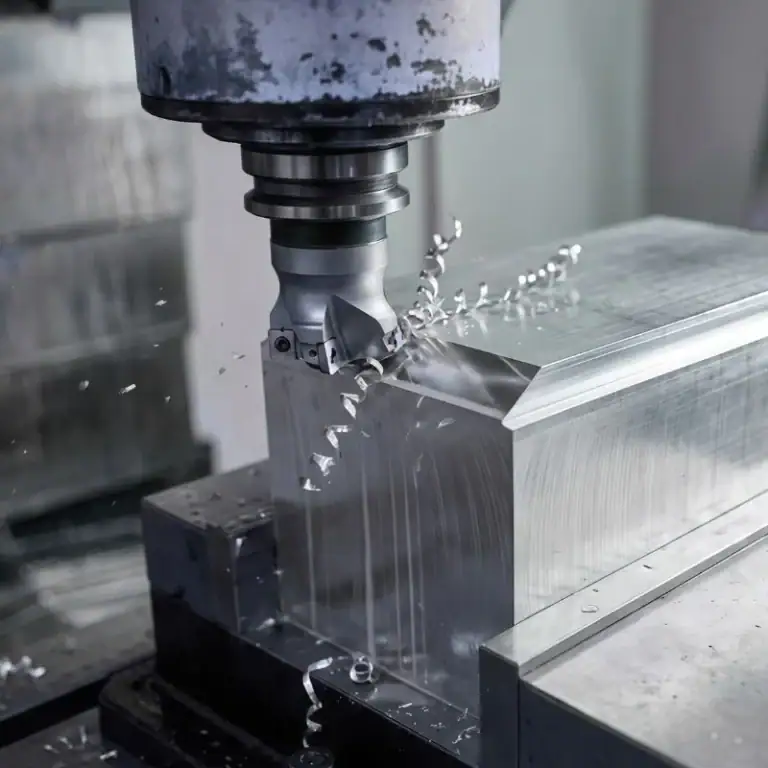
Precision milling can be used to refine these surfaces and create a more even contact condition. Excessive machining is not always necessary; dimensional relationships and actual mating performance are more important.
What Are the Main Challenges in Precision Machining 3D-Printed Molds?
3D-printed parts are not exactly the same as solid blocks of conventional material when it comes to machining. Some printed molds have thin-wall sections, internal cavities, or complicated support structures. Excessive clamping force can change the condition of the workpiece and affect machining accuracy. At the same time, customers often choose 3D-printed molds precisely because they want shorter development cycles, so CNC machining cannot take unnecessarily long. The challenge is to achieve critical dimensions while keeping the manufacturing process efficient.
Clamping Must Be Carefully Controlled
Traditional metal blocks generally have good overall rigidity, while some 3D-printed molds are lightweight and contain thin-wall sections. If excessive clamping force is applied, the workpiece may deform. Simply clamping the part as tightly as possible can actually reduce machining accuracy.
- Plan support locations in advance to avoid excessive pressure on thin-wall sections.
- Choose suitable fixtures to minimize workpiece movement during machining.
- For unusual mold structures, auxiliary supports can be used to improve stability.
Stable clamping allows the cutting tool to follow the intended path more accurately. This becomes particularly important when machining thin walls, deep cavities, and small structural features.
Machining Allowance Must Be Appropriate
Not every area should have the same machining allowance after printing. If the allowance is too small, there may not be enough material left for dimensional correction. If it is too large, machining time increases and thin-wall sections may experience greater cutting loads.
- Leave sufficient allowance on forming surfaces for subsequent finishing.
- Plan the final dimensions of mounting surfaces in advance to reduce repeated machining.
- Control material removal in thin-wall areas to reduce deformation risk.
Proper allowance planning allows 3D printing and CNC machining to connect more smoothly. Careful planning during the modeling and printing stage can reduce the amount of work required during finishing.
Build Orientation Can Affect Machining Results
The orientation selected during 3D printing affects more than printing speed. It can also influence surface texture, support placement, and local dimensional stability. If an important forming surface will later be machined, the build orientation deserves consideration before printing begins.
For complex molds, the locations that will receive CNC machining can be considered during the printing stage. This can reduce difficult-to-machine areas and make subsequent positioning and clamping easier.
When Is 3D Printing Combined With Precision Machining a Good Choice?
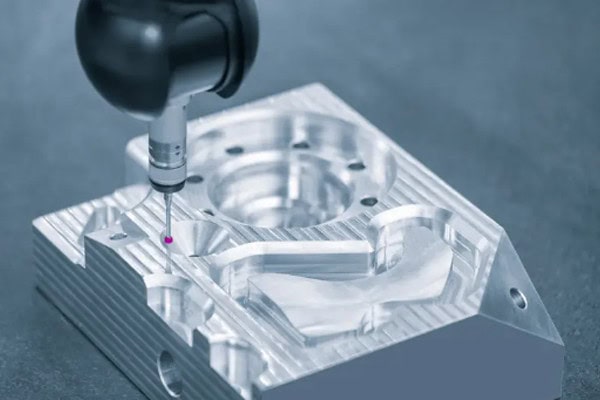
Combining 3D printing with CNC machining is particularly useful for product development, rapid prototyping, and low-volume production. 3D printing can quickly create complex geometries, while CNC machining refines critical dimensions and surfaces. For products that are still being tested, this approach can reduce the initial investment associated with conventional mold manufacturing and make design changes easier to manage.
During New Product Development
Designs often change repeatedly during early product development. Rebuilding a conventional mold every time the design changes can slow down development and increase costs.
3D printing can quickly produce an initial mold, after which critical areas can be precision-machined once the structure has been tested. This makes design verification more convenient and reduces the pressure of early-stage manufacturing.
For Rapid Prototyping of Complex Mold Structures
Some molds contain special curved surfaces, internal cavities, and irregular structures that require multiple conventional manufacturing operations. 3D printing can quickly create the basic complex geometry, while CNC machining handles areas that require tighter dimensional control.
For these projects, the goal is not necessarily to machine every area to the highest possible precision. The most important areas are those that directly affect product performance. This can shorten production time while keeping machining costs under control.
For Low-Volume Custom Production
When a product is newly launched or still being validated by the market, production quantities may be relatively small. Investing in a conventional high-cost mold at this stage may not always be economical. Combining 3D printing with precision machining provides a more flexible alternative.
If order volumes increase later, production can transition to a manufacturing method that is better suited to mass production, reducing the financial pressure during the early stage.
Precision machining for 3D-printed molds essentially combines rapid prototyping with high-accuracy finishing in one manufacturing workflow. 3D printing creates complex structures quickly, while CNC machining handles critical areas such as cavities, cores, holes, mounting surfaces, and mating surfaces. For new product development, complex mold prototyping, and low-volume production, this approach can provide a practical balance between production speed, machining quality, and cost. Tirapid specializes in precision machining services and provides CNC precision machining support for 3D-printed molds, helping customers shorten development cycles and improve part manufacturing quality.