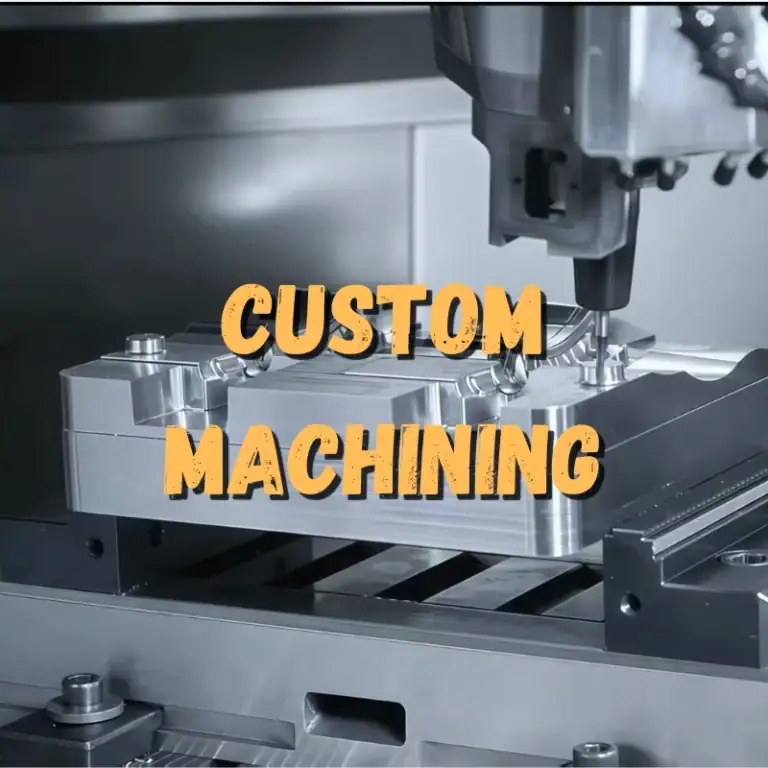
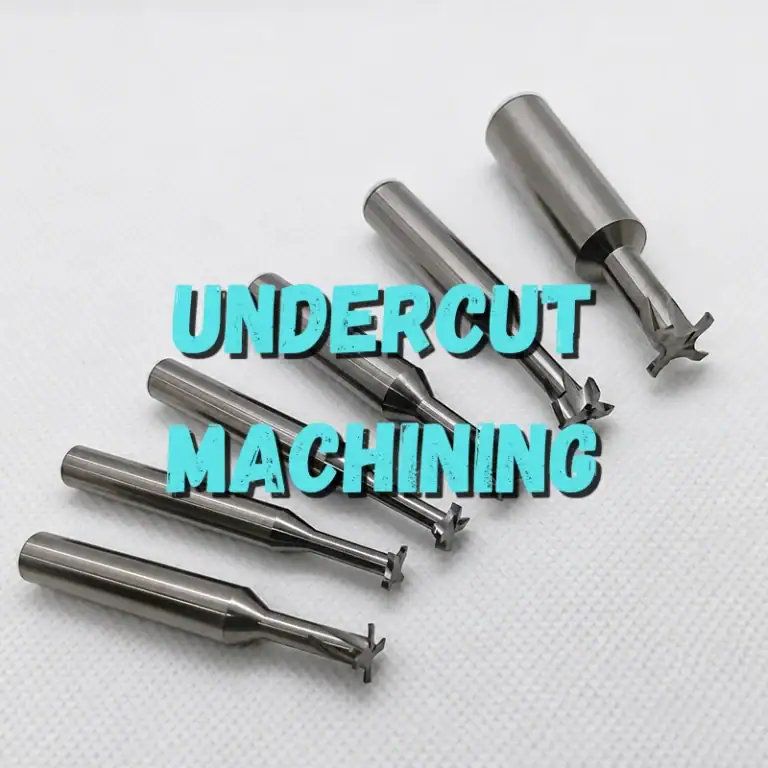
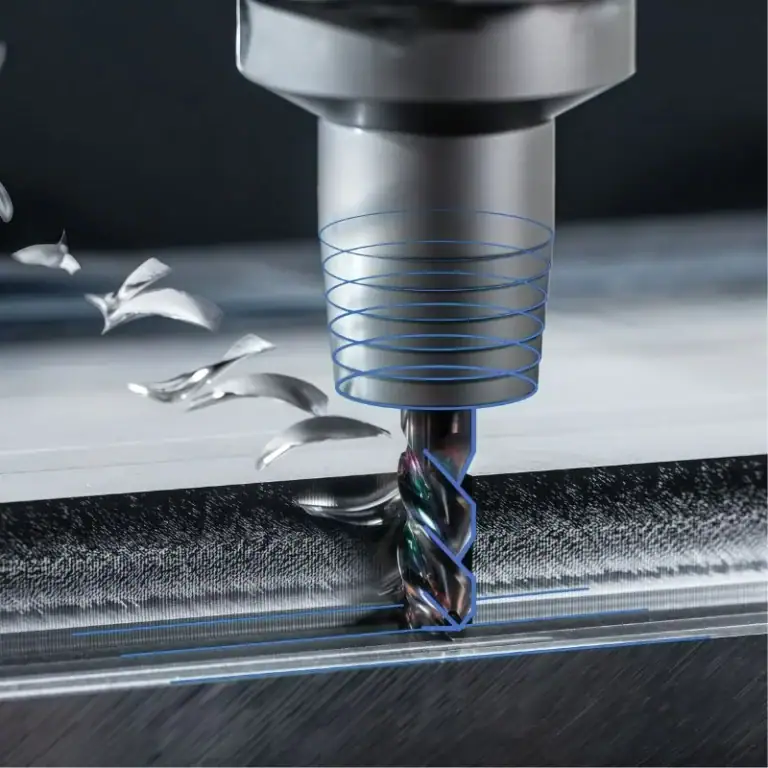
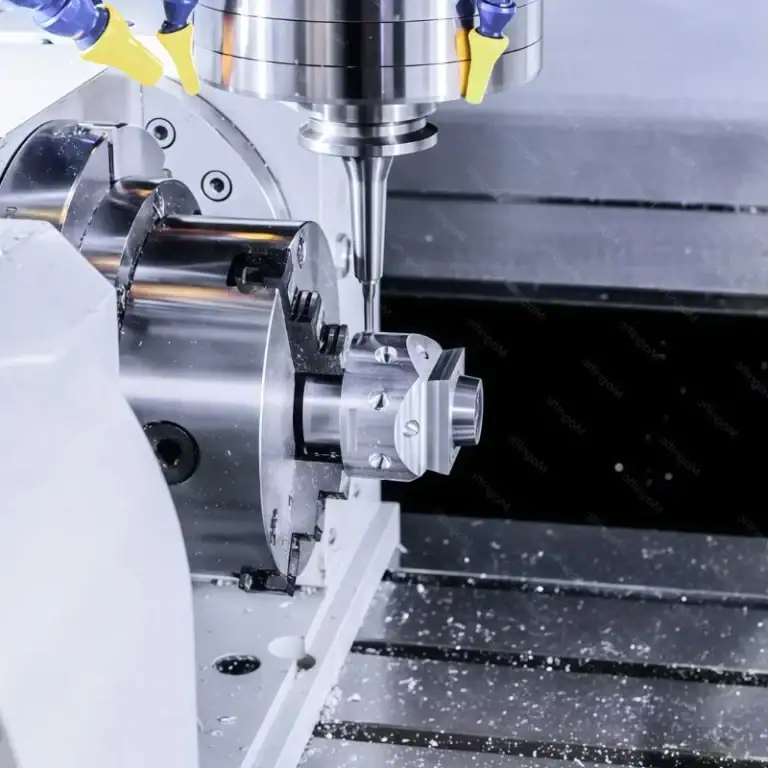
The reliable operation of industrial equipment often depends on the quality of its internal components. Pump bodies, connecting bases, transmission parts, and equipment brackets may look simple, but they can feature deep holes, threaded sections, irregular contours, and precision-fit structures. Even small dimensional errors can complicate assembly and increase the risk of equipment failure. CNC machining can produce complex structures directly from technical drawings and accommodate different materials and precision requirements. For industrial equipment projects involving custom components, the right machining process helps reduce rework, meet real-world application needs, and maintain consistency in repeat production.
What Are the Challenges of CNC Machining Complex Industrial Parts?
Industrial components often need to fit precisely with other parts, making the relationships between hole positions, mounting surfaces, and connection structures particularly important. Machining must account for more than the external shape. Positioning methods, material properties, and assembly requirements also need careful consideration.
How to Control Dimensional Tolerances in Precision Industrial Parts?
Precision mounting plates, locating bases, and connecting components often have specific tolerance requirements. Critical dimensions must remain within the specified limits throughout production. Identifying critical dimensions in advance helps determine the machining sequence and inspection priorities.
- Hole diameter and spacing: Mounting holes, locating holes, and threaded holes must be positioned accurately to prevent alignment problems during assembly.
- Flatness and parallelism: Uneven mounting surfaces can prevent components from fitting properly or cause positioning errors.
- Fit dimensions: Shaft holes, sleeves, and connection interfaces must meet design requirements to avoid fits that are too loose or too tight.
Incorporating these requirements into the machining plan helps reduce additional finishing work and ensures components fit together more accurately.
How to Minimize Deformation During CNC Machining of Complex Structures?
Thin-walled parts, deep cavities, and irregular components can deform under clamping and cutting forces. Proper fixture positioning, machining sequences, and toolpaths are essential. Simply increasing cutting speed is not enough.
- Use suitable clamping methods for thin-walled structures to avoid excessive localized pressure.
- Consider tool overhang, chip evacuation, and cutting stability when machining deep holes.
- Machine complex profiles in stages to reduce deformation caused by removing too much material at once.
- Recheck critical dimensions after machining to confirm that the part remains within tolerance after unclamping.
Careful process planning improves dimensional stability and reduces the adjustments needed during assembly.
Why Surface Quality Matters for Industrial Equipment Components?
Burrs around holes, machining scratches, and residual chips can interfere with fastening, sliding, or sealing interfaces. For precision-fit components, surface finish, deburring, and cleaning requirements should be defined before machining begins. A part may meet its dimensional requirements yet still cause problems during installation if these details are overlooked.
Which Complex Components Can Be CNC Machined for Industrial Equipment?
CNC machining is suitable for industrial parts that require accurate dimensions, complex profiles, or repeatable production. Pump and valve components, automation equipment mounting parts, and mechanical transmission components have different structures and functions, so their machining processes should be tailored to their specific applications.
Precision CNC Machining for Industrial Pump Bodies and Valve Bodies
Pump bodies, valve bodies, and fluid connectors commonly feature internal passages, flanges, threaded interfaces, and sealing grooves. Machining quality directly affects connection accuracy and sealing performance. Different features require specific dimensional controls, especially around sealing areas and fluid passages.
- Fluid passages and hole positions: Control hole diameters and positional relationships to meet design requirements.
- Flange mating surfaces: Maintain flatness and interface dimensions to minimize assembly deviations.
- Sealing grooves: Control groove width, depth, and surface condition to meet sealing design requirements.
- Threaded interfaces: Verify thread specifications, depth, and position to prevent connection mismatches.
For components used in pressurized or sealing applications, required dimensional inspections and leak tests should be defined in advance to ensure the finished parts meet operating requirements.
CNC Machining for Automation Equipment Mounting Plates and Bases
Mounting plates, locating bases, and guide brackets often connect to linear guides, drive shafts, or other precision components. Hole positioning and datum surface accuracy directly affect equipment assembly. Clarifying the relationships between mating components before machining helps reduce repeated adjustments.
- Mounting plates require accurate hole spacing, flatness, and locating-hole positions.
- Mounting bases need checks for installation dimensions, thread specifications, and hole depth.
- Guide components require careful control of fit dimensions and contact surfaces.
CNC machining is particularly suitable for non-standard mounting parts and equipment components with specific hole-position requirements.
CNC Machining for Industrial Transmission Components and Mechanical Connectors
Shaft sleeves, transmission supports, gear connectors, and mechanical fittings may contain mating holes, stepped features, and multiple mounting locations. Machining must account for the dimensional relationships between features rather than checking each dimension in isolation.
- Shaft holes and mating surfaces: Control hole diameters, fit dimensions, and required positional accuracy.
- Stepped features: Verify step dimensions and their relative positions to maintain the required assembly clearances.
- Multi-hole connectors: Establish appropriate machining datums to reduce accumulated positional errors.
A well-planned machining sequence and inspection process help minimize assembly deviations and improve the fit between transmission components and adjacent parts.
Key CNC Machining Requirements for Different Industrial Components
Different component types have different machining priorities. Identifying critical features early helps establish suitable processes and inspection plans.
| Component Type | Main Machining Features | Key Quality Requirements |
| Pump and valve bodies | Fluid passages, flanges, sealing grooves | Interface dimensions, hole positions, surface quality |
| Precision mounting plates | Mounting holes, locating surfaces, threads | Hole spacing, flatness, positional tolerances |
| Transmission connectors | Shaft holes, mating surfaces, stepped features | Hole diameter, fit dimensions, positional accuracy |
| Thin-walled components | Deep cavities, complex profiles, thin walls | Wall thickness, deformation, profile accuracy |
This comparison provides a useful starting point for process planning and helps identify the dimensions and inspection items that need the most attention.
How to Improve CNC Machining Accuracy for Complex Industrial Components?
Machining accuracy depends not only on the equipment but also on drawing information, material properties, tool condition, and inspection procedures. Clarifying critical requirements before production helps reduce repeated adjustments and control manufacturing costs.
What Information Is Needed for Custom CNC Machining of Industrial Parts?
Clear technical information helps the machining team understand the component structure and avoid process-planning problems caused by incomplete specifications. Critical tolerances and unusual features are particularly important for non-standard components.
- Identify critical tolerances for mounting holes, mating holes, and locating surfaces.
- Check whether deep holes, narrow slots, or complex curved surfaces create tool-access or chip-evacuation challenges.
- Specify material grades, surface roughness, dimensional tolerances, and required surface treatments.
- Provide the expected order quantity and clarify whether prototypes or repeat production are required.
Thorough preparation makes potential machining challenges easier to identify. Evaluating the process before production is usually more efficient than modifying a finished part.
How to Inspect Critical Dimensions During CNC Machining?
Inspecting a part only after every operation is complete can allow dimensional deviations to go unnoticed until the final stage. Checks after critical operations help identify problems earlier and reduce unnecessary rework.
- Inspect changes in critical hole diameters, hole spacing, and mounting surface dimensions.
- Recheck thin-walled components after unclamping when necessary.
- Investigate tool wear, fixture conditions, and cutting parameters when dimensional deviations occur.
- Inspect burrs, scratches, and surface roughness against drawing requirements.
This in-process approach helps correct machining deviations promptly and improves the completeness of quality records for critical dimensions.
How to Maintain Consistency Across Production Batches?
Industrial equipment components may need to be manufactured repeatedly. A single conforming part does not guarantee that subsequent batches will have the same quality. Recording validated processes and inspection requirements helps reduce repeated setup work.
- Retain validated CNC programs and fixture arrangements.
- Record critical dimensional inspection results for comparison between batches.
- Check tool condition regularly to minimize dimensional variation caused by wear.
- Review process and inspection requirements whenever drawings or materials change.
Applying these practices consistently helps maintain part-to-part uniformity and makes subsequent assembly more predictable.
What Are the Advantages of CNC Machining for Complex Industrial Components?
For industrial parts with complex structures and tight tolerances, CNC machining offers more than cutting efficiency. Its benefits include complex-profile machining, flexible customization, material adaptability, and repeatable production. Machining operations can be planned around drawing requirements to better connect component design with manufacturing.
Greater Flexibility for Complex CNC Machining
CNC machining uses programmed toolpaths to produce a wide range of profiles and features, making it suitable for non-standard industrial components and precision mechanical parts. For structures that are difficult to position or require frequent manual adjustments with conventional methods, careful process planning can improve machining efficiency.
- Irregular profile machining: Suitable for non-uniform shapes, curved surfaces, and specialized connection features.
- Multiple hole features: Can produce mounting holes, threaded holes, stepped holes, and deep holes within machine capability.
- Complex mounting structures: Use planned machining datums to maintain dimensional relationships between different features.
This flexibility is useful for specialized machinery, automation equipment, and custom industrial components with different drawing and specification requirements.
How Precision CNC Machining Improves Assembly Quality?
Industrial equipment components often need to connect accurately with other parts, making dimensional consistency important for assembly efficiency. Appropriate positioning methods, machining sequences, and inspection plans help control critical mating features.
- Control dimensions at mating holes, locating surfaces, and connection interfaces.
- Use suitable positioning methods to reduce errors caused by repeated clamping.
- Schedule inspections for critical operations according to tolerance requirements.
- Check dimensions, surface quality, and deburring after machining.
When dimensions and mating relationships are properly controlled, components are generally easier to align during assembly, reducing the need for on-site adjustments.
CNC Machining for Different Industrial Materials
Industrial equipment has varying requirements for strength, weight, corrosion resistance, and cost. Adjusting cutting parameters and tool selection to suit each material helps maintain dimensional accuracy and surface quality.
- Aluminum alloys: Suitable for weight-sensitive equipment structures; burrs and surface finish require attention.
- Stainless steel: Useful for components requiring corrosion resistance or specific strength properties; cutting heat and tool wear must be controlled.
- Carbon steel: Commonly used for mechanical structures and load-bearing components, with machining efficiency and dimensional stability both requiring attention.
- Engineering plastics: Suitable for specific insulation, chemical resistance, or low-friction requirements, depending on the material grade.
Matching the machining process to the selected material helps components meet their intended application requirements.
Custom Prototyping and Batch Production Support
Industrial components may progress from individual prototypes to small batches and repeat production. CNC machining can accommodate different production stages through program adjustments and process optimization.
- Prototype development: Verify dimensions, structure, and assembly fit before production expands.
- Small-batch machining: Suitable for non-standard equipment parts or projects with evolving designs.
- Repeat production: Reuse validated programs, fixture methods, and inspection requirements to improve consistency.
- Process optimization: Adjust machining sequences to suit the material and structure, reducing unnecessary operations and rework.
Validating prototypes and carrying proven process requirements into subsequent production helps control batch variation and maintain manufacturing consistency.
Comparison of CNC Machining Advantages for Complex Industrial Components
When selecting a machining approach, consider component geometry, precision requirements, and production volume to ensure the process fits the actual application.
| Machining Advantage | Manufacturing Benefit | Suitable Applications |
| Complex profile machining | Produces irregular structures and specialized hole features | Non-standard industrial components |
| Critical dimension control | Improves fit and assembly accuracy | Precision mounting parts and connectors |
| Material adaptability | Allows processes to be adjusted for material properties | Metal and engineering plastic components |
| Flexible customization | Accommodates different drawings and specifications | Specialized machinery and automation equipment |
| Reusable processes | Reduces repeated setup work and supports consistent production | Prototypes, small batches, and production runs |
Machining complex industrial components requires careful attention to geometry, dimensional accuracy, material properties, and assembly requirements. A well-planned CNC machining process can handle irregular structures and precision-fit features while helping reduce rework and improve repeat-production consistency. TIRAPID provides CNC machining for precision industrial components, with custom solutions tailored to drawings, materials, and tolerance requirements, supporting complex part customization, prototype development, and batch production.