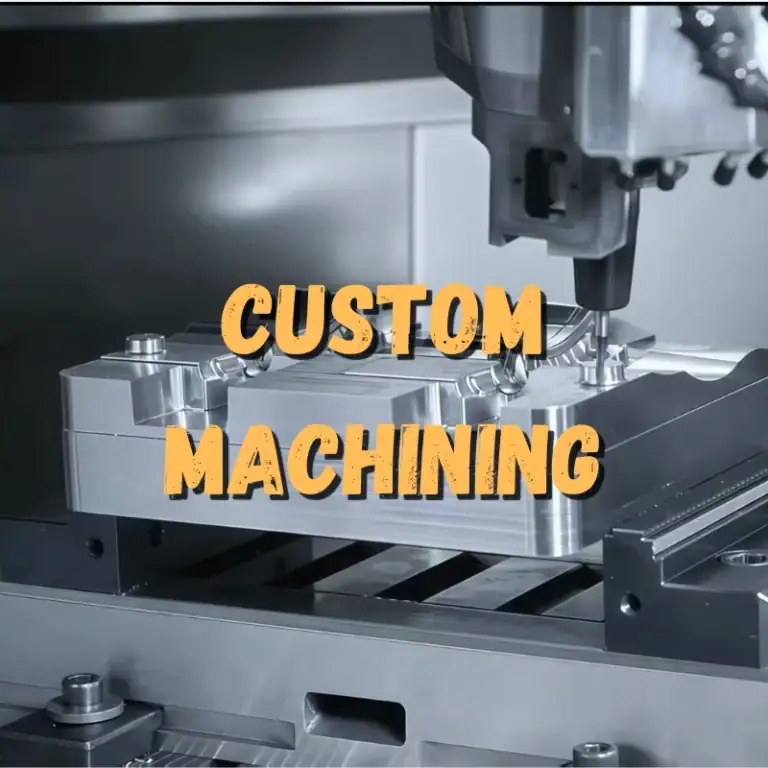
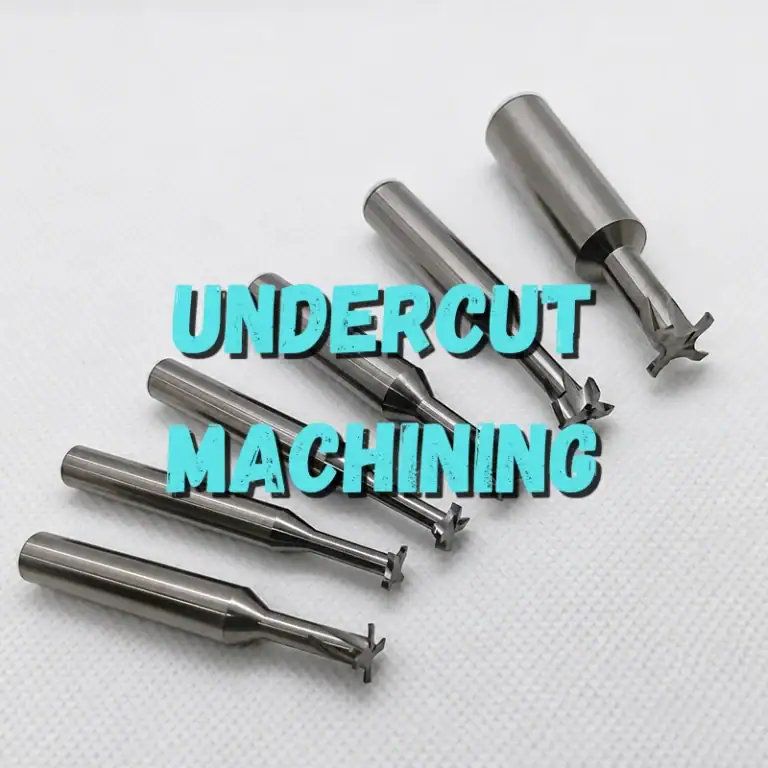
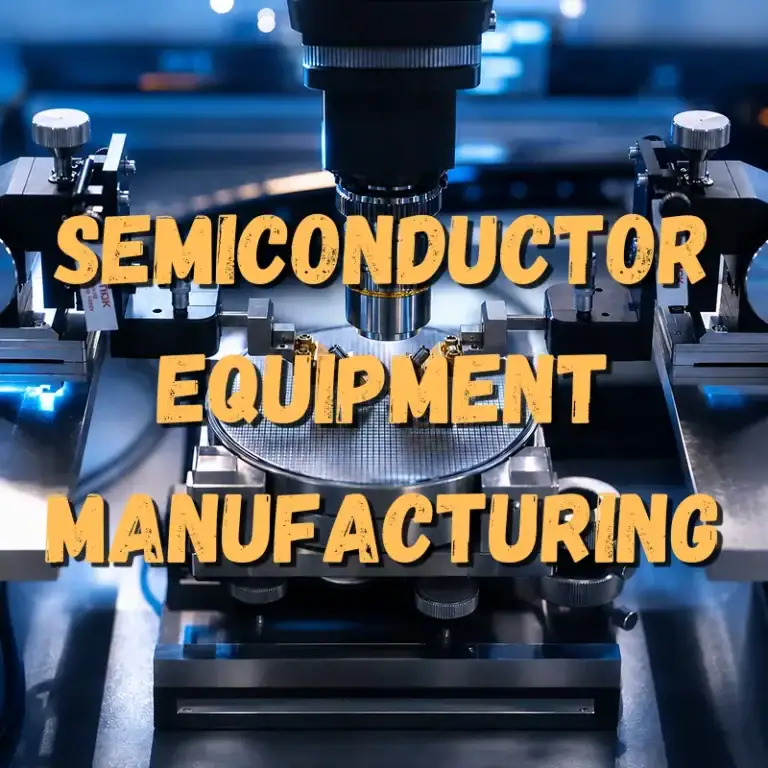
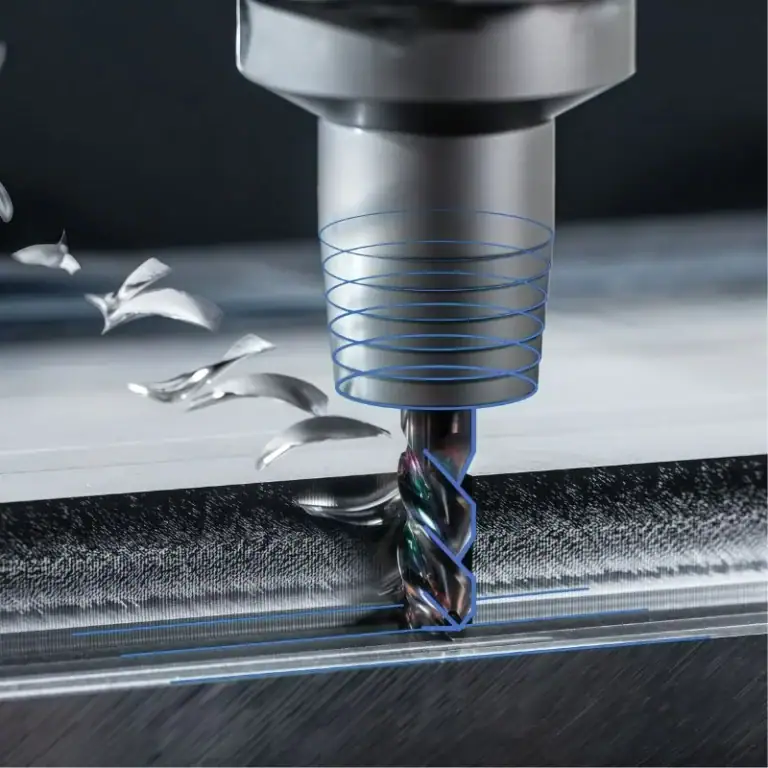
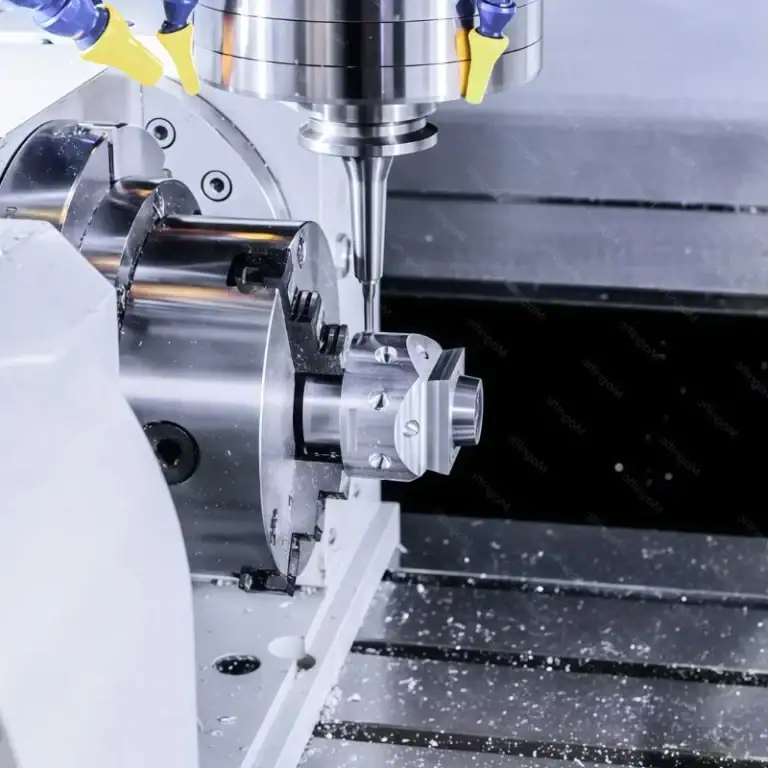
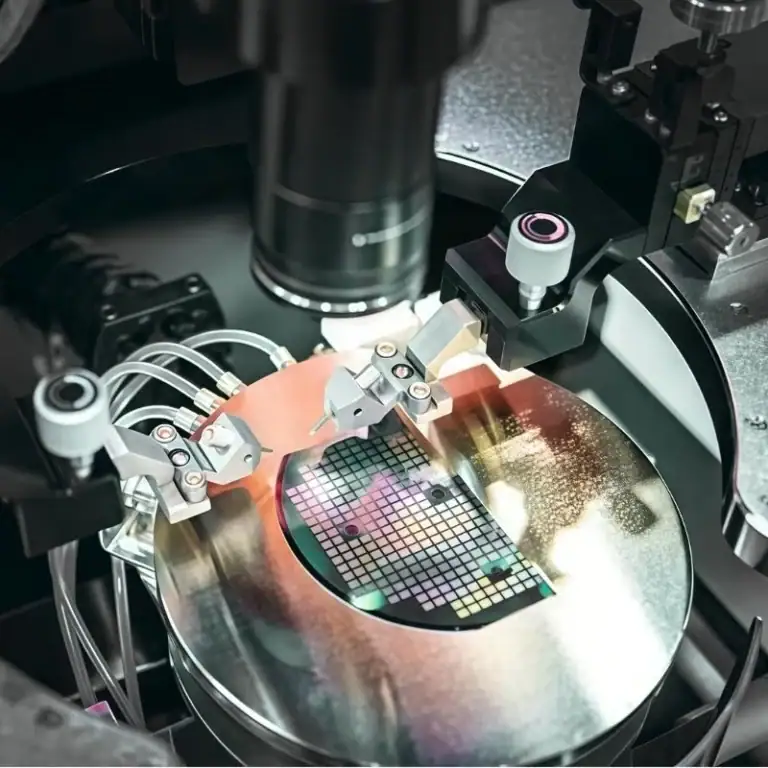
In the context of manufacturing steadily advancing toward higher precision and efficiency, machining technologies continue to evolve. CNC precision machining, with its digital control and automated execution, has become a key pillar of modern industry. By driving equipment through programmed instructions, it enables high-precision production of complex components while significantly improving consistency and efficiency across manufacturing processes.
Concept and Working Principles of CNC Precision Machining
CNC precision machining refers to an advanced manufacturing method in which computer programs control machine tools, converting design data into machining instructions for automated production. This process emphasizes “program-driven execution,” ensuring accuracy, stability, and repeatability.
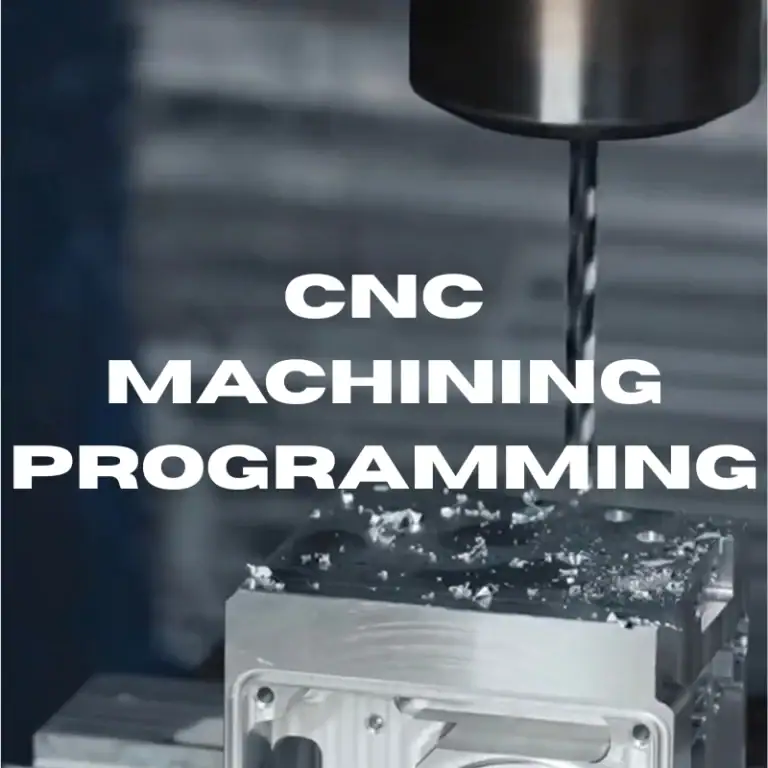
Digital Programming for Process Control
Through digital programming, the entire machining process becomes standardized and reproducible, laying the foundation for high-precision manufacturing:
- CAD/CAM software is used to build 3D models and generate toolpaths
- Design data is converted into machine-readable codes such as G-code
- Programs can be reused for batch production with consistent quality
- Easy modification of programs allows adaptation to different product requirements
Automated Execution for Stable Performance
CNC machines operate with a high level of automation, minimizing human intervention and improving reliability:
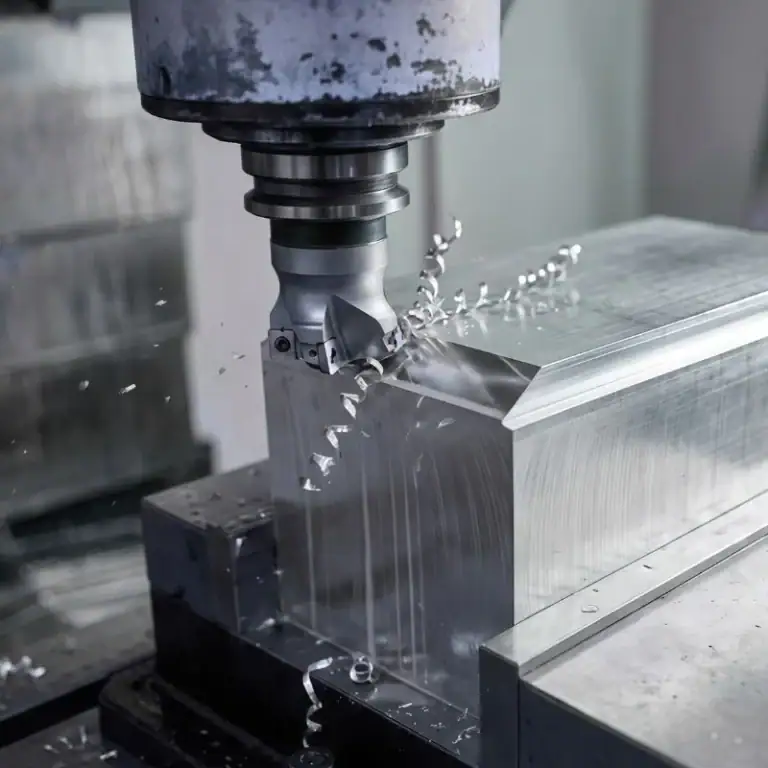
- Machines automatically perform cutting, drilling, milling, and other operations
- Reduces quality variations caused by operator experience
- Maintains stable accuracy during long production runs
- Enhances process control and standardization
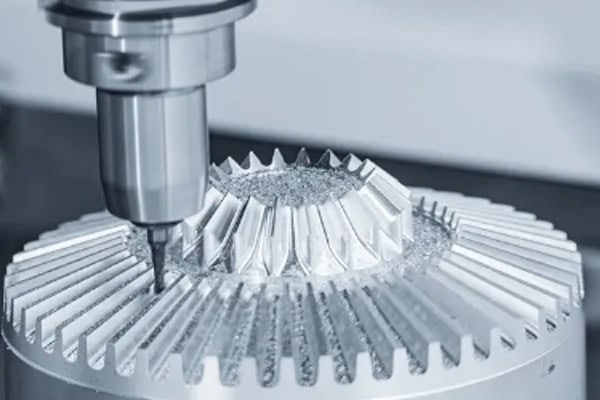
Multi-Axis Machining for Complex Structures
Multi-axis CNC systems expand machining capabilities from simple planes to complex geometries:
- 3-axis, 4-axis, and 5-axis machines enable simultaneous multi-directional movement
- Capable of producing complex surfaces and intricate structures
- Reduces the need for multiple setups, improving both efficiency and precision
- Meets the demands of high-end, complex component manufacturing
Key Advantages of CNC Precision Machining
As competition in manufacturing intensifies, companies demand higher efficiency and product quality. CNC precision machining has become the preferred solution due to its multiple advantages.
High Precision and Consistent Quality
CNC systems precisely control machining parameters, ensuring reliable product quality:
- Machining errors can be controlled within micron-level tolerances
- High consistency across large production batches
- Excellent surface finish reduces the need for secondary processing
- Minimizes scrap rates and rework costs
Improved Efficiency and Faster Delivery
Automation significantly enhances production speed and supports tight deadlines:
- Machines can operate continuously for extended periods
- Integrated processes reduce intermediate steps
- Shortens the overall cycle from design to finished product
- Ideal for urgent orders and fast turnaround requirements
Flexibility for Diverse Production Needs
CNC machining offers strong flexibility, enabling quick response to market changes:
- Switching products requires only program modification, not equipment changes
- Suitable for low-volume, high-mix production
- Reduces costs in product development and prototyping
- Supports rapid iteration and product updates
Reduced Overall Costs and Increased Efficiency
Over time, CNC precision machining helps optimize cost structures:
- Reduces reliance on manual labor
- Improves material utilization and minimizes waste
- Lowers losses caused by errors and rework
- Enhances overall productivity and scalability
Main Applications of CNC Precision Machining
With continuous technological advancement, CNC precision machining has been widely adopted across various industries, becoming a fundamental support for high-end manufacturing.
Aerospace Industry: Extreme Precision and Reliability
In aerospace, CNC machining ensures the quality of critical components:
- Produces high-strength, lightweight structural parts
- Meets stringent accuracy and complexity requirements
- Enhances component stability and safety
- Supports long-term reliable operation of key systems
Medical Industry: Precision and Safety Focus
Medical products require exceptionally high standards, which CNC machining can meet:
- Manufactures surgical instruments and precision devices
- Produces high-accuracy implant components
- Ensures dimensional accuracy and surface quality
- Reduces risks associated with human error
Electronics Industry: Driving Miniaturization
As electronic devices become smaller, machining precision becomes increasingly critical:
- Produces micro-components and complex structures
- Meets the needs of high-density electronic assemblies
- Improves assembly precision and product performance
- Supports the advancement of high-end electronic devices
Automotive Industry: Performance and Efficiency Enhancement
CNC machining plays a vital role in automotive manufacturing:
- Used for engine parts and transmission components
- Improves vehicle performance and reliability
- Enables large-scale standardized production
- Optimizes manufacturing processes and efficiency
With its high precision, efficiency, and flexibility, CNC precision machining continues to drive the manufacturing industry toward intelligent production. For companies aiming to enhance product quality and operational efficiency, choosing a reliable machining partner is essential. Tirapid focuses on precision manufacturing solutions, providing stable and high-quality machining services that help businesses achieve stronger competitiveness and sustainable growth in a demanding market.