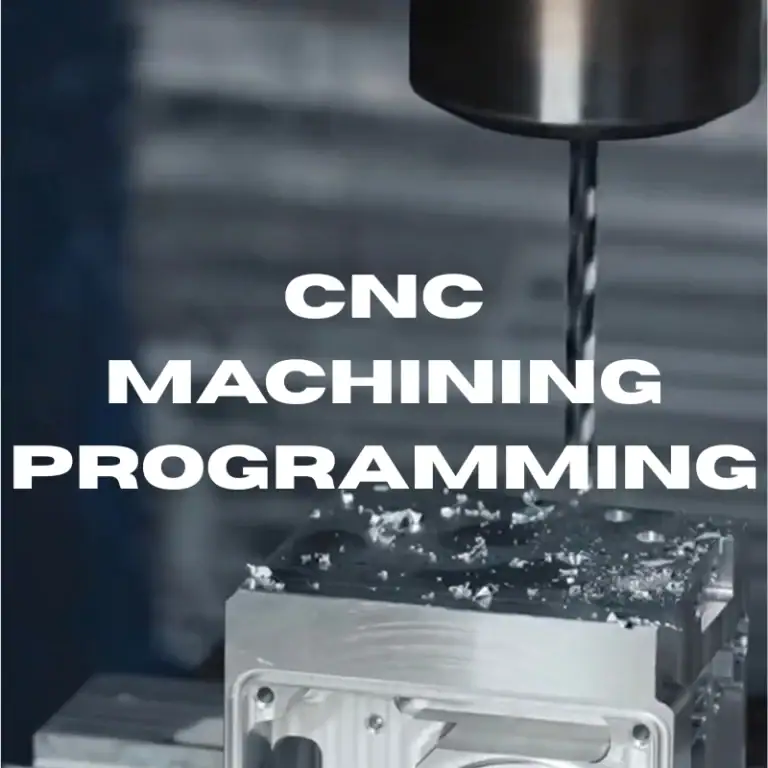
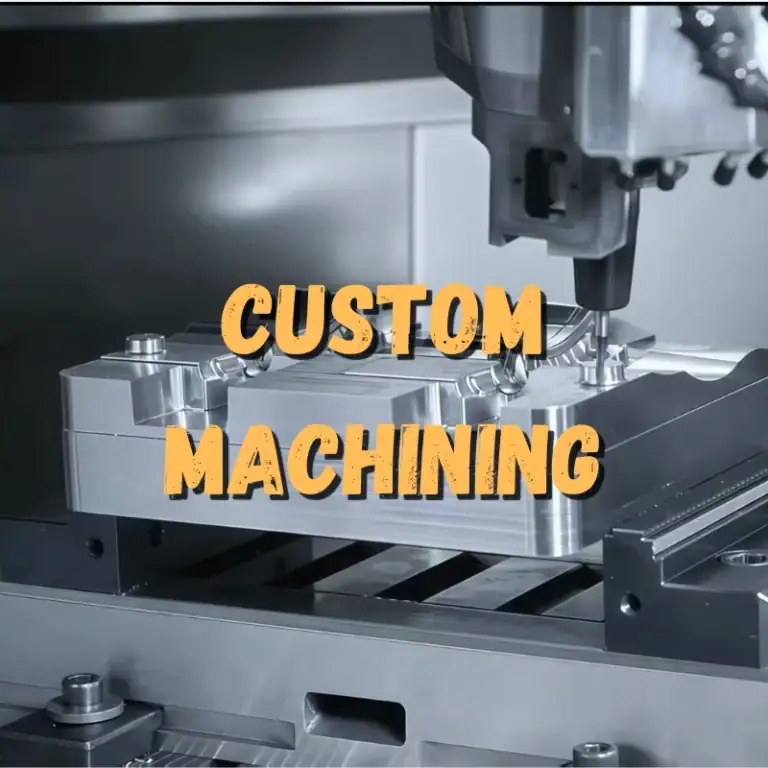
In modern manufacturing, plastic products are increasingly widely used, from electronic product casings and industrial parts to medical device prototypes, all relying heavily on high-precision plastic machining technology. CNC plastic machining (Computer Numerical Control) is a crucial manufacturing method. It uses computer programs to control machine tools, performing cutting, drilling, and milling operations on plastic materials to quickly produce high-precision parts. Compared to traditional mold-making methods, CNC machining is more suitable for product development stages requiring small batches, customization, and high precision.
What is CNC Plastic Machining?
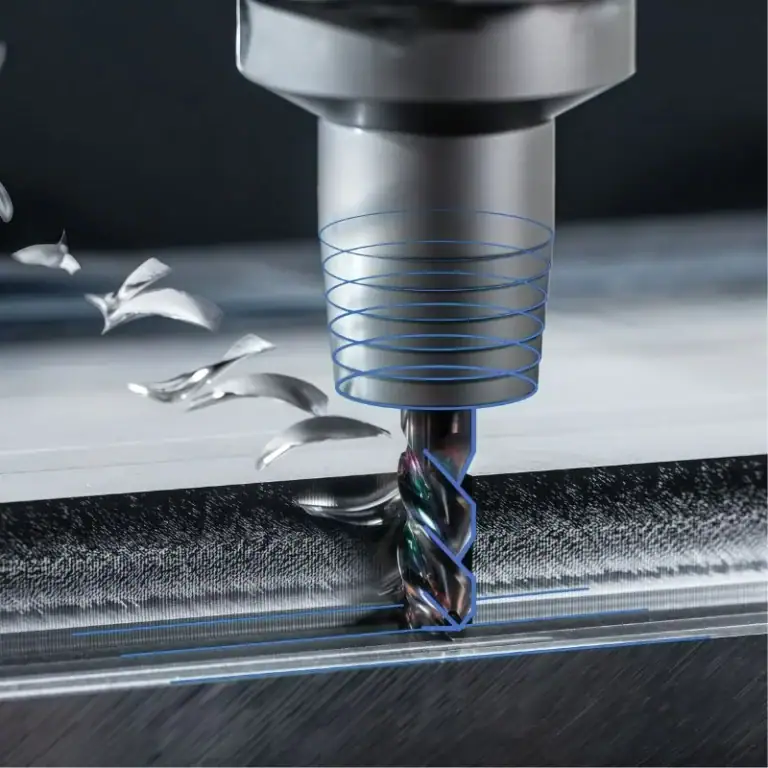
CNC plastic machining refers to a technology that uses CNC machine tools to precisely machine plastic materials. It uses digital programming to control the tool movement path, thereby achieving the cutting and machining of plastic materials. Unlike injection molding, CNC machining does not require molds, making it ideal for sample making, product development, and small-batch production.
The advantages of this processing method are:
- High machining accuracy, reaching the micron level
- Strong material adaptability, capable of machining various engineering plastics
- No mold opening required, saving upfront costs
- Flexible design modifications, suitable for rapid iteration
Therefore, CNC plastic machining is widely used in industrial design, electronics manufacturing, and mechanical R&D.
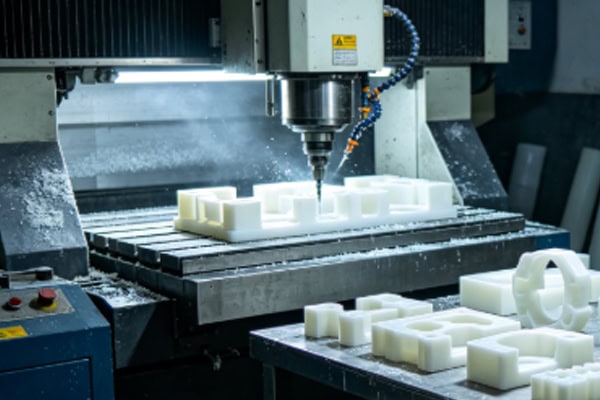
The Process of Creating Plastic Prototypes Using CNC Machining
CNC plastic machining is typically used to create product prototypes. The process mainly includes the following key steps:
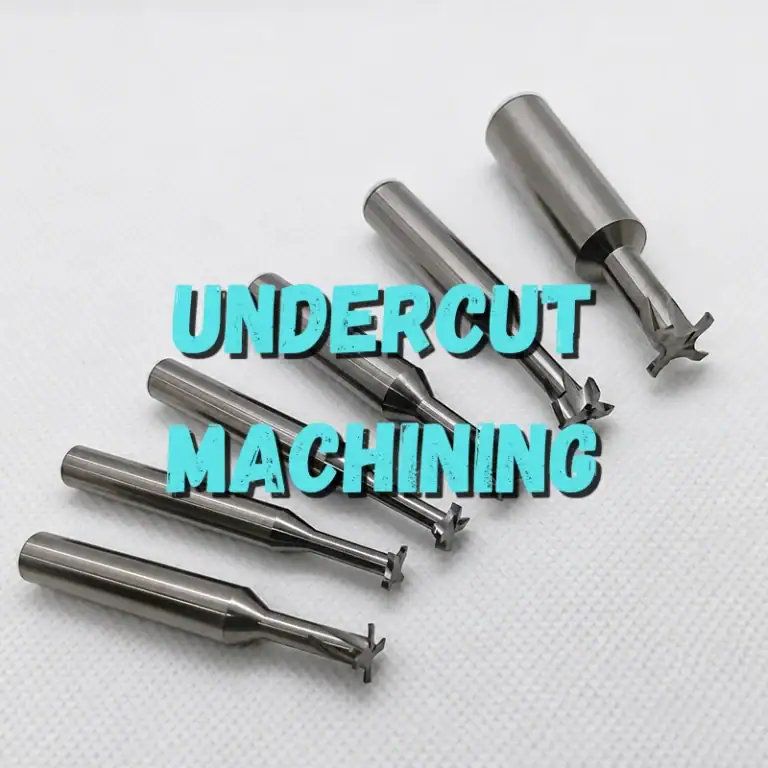
Tool Selection
Different plastic materials require different cutting tools. For example:
- Soft plastics can use high-speed steel tools
- Hard plastics are more suitable for carbide tools
- Precision parts require small-diameter tools
Correct tool selection can effectively avoid material deformation, melting, or burr problems.
Machine Settings
Before machining, machine parameters need to be set according to the material characteristics, including: spindle speed, feed rate, depth of cut, and cooling method. Inappropriate parameter settings may lead to material overheating or decreased machining accuracy; therefore, this step is crucial.
Surface Treatment
After CNC machining, the plastic surface typically requires post-processing, such as deburring, polishing, sandblasting, and surface coating.
These steps improve the product’s appearance quality, bringing it closer to the final product.
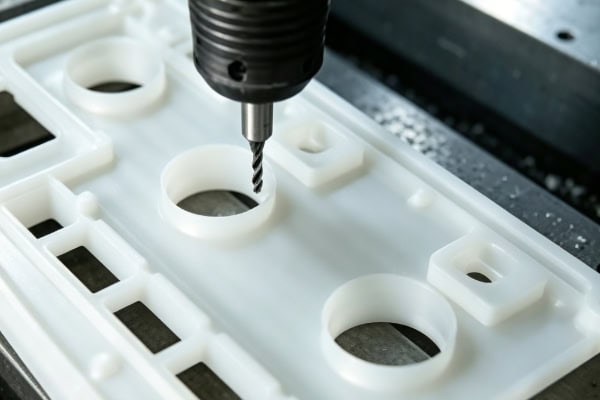
Key Technologies in CNC Machining of Plastics
In CNC plastic machining, different machining methods correspond to different machining requirements, mainly including the following core processes:
· CNC Turning of Plastics
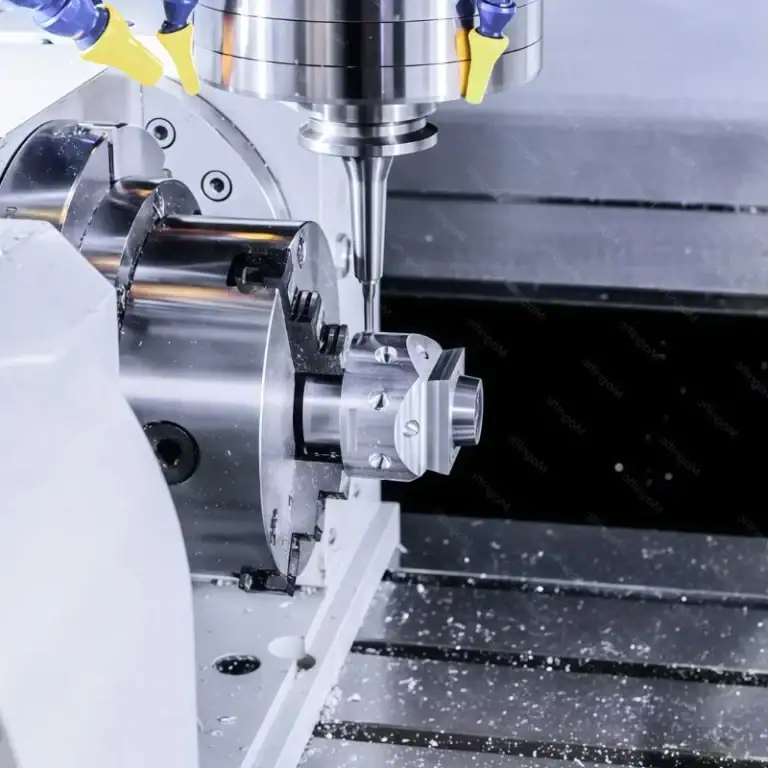
Turning is mainly used for machining cylindrical or rotationally symmetrical parts, such as bushings and circular connectors. High-precision outer diameters and inner hole structures can be obtained through workpiece rotation and tool cutting.
· CNC Milling of Plastics
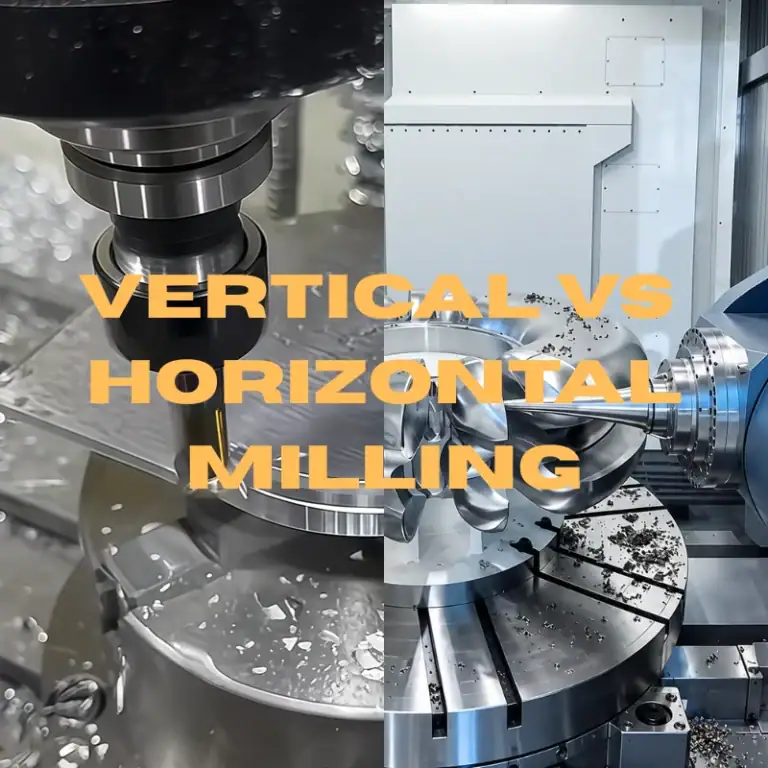
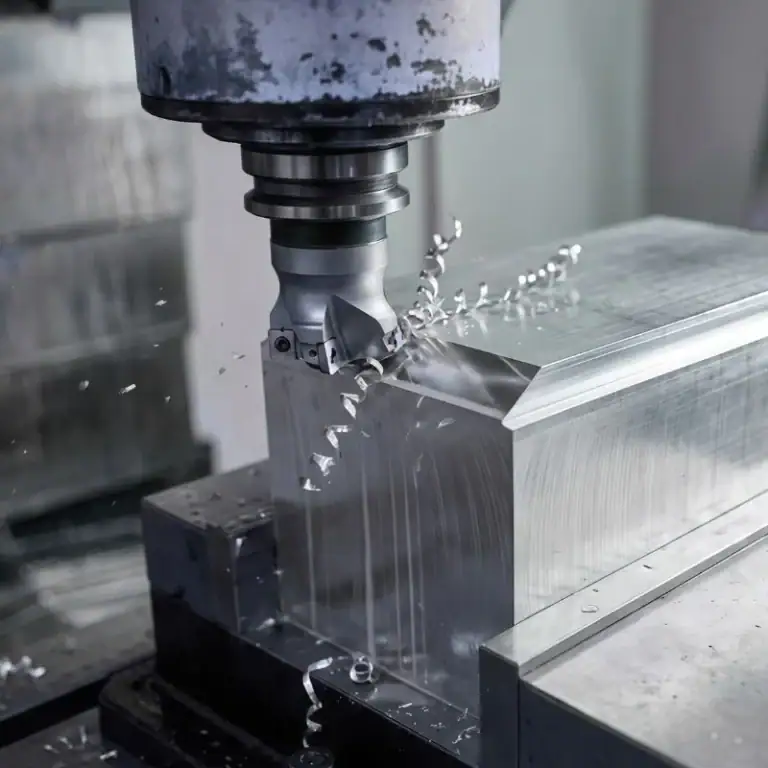
Milling is one of the most common machining methods, suitable for complex structural parts, such as housings, brackets, and structural components. The tool moves in multiple directions, enabling the machining of complex three-dimensional shapes.
· CNC Drilling of Plastics
Drilling is mainly used for machining hole structures, such as mounting holes and connecting holes. This process emphasizes hole position accuracy and hole wall smoothness, and is a crucial step in assembly machining.
CNC Plastic Material Selection Guide
Different plastic materials have different physical properties, therefore, appropriate selection must be made based on the application requirements during CNC machining.
· ABS Plastic CNC Machining
ABS is a common engineering plastic with good strength and toughness, easy to process, and not prone to cracking. It is widely used in electronic product casings and industrial parts.
· Nylon CNC Machining
Nylon material has strong wear resistance and self-lubricating properties, suitable for moving parts such as gears and sliders. However, it is prone to moisture absorption during processing, requiring attention to dimensional stability.
· Acrylic CNC Machining
Acrylic has high transparency and an attractive appearance, often used in display parts and lighting structures. However, it is relatively brittle, requiring control of cutting speed during machining to prevent cracking.
· High-Density Polyethylene CNC Machining
This material has good corrosion resistance and impact resistance, suitable for chemical containers, pipe parts, etc., but its rigidity is relatively low, making it prone to deformation during machining.
· CNC Machining of Polycarbonate
Polycarbonate possesses extremely high strength and impact resistance, commonly used in products such as protective covers and industrial observation windows. However, it is prone to stress during machining, requiring careful parameter control.
How to Choose CNC Plastic Machining Technology?
The choice of CNC plastic machining is typically based on three core factors: precision requirements, production volume, and development stage. In the early stages of product development, where rapid design verification is needed, CNC machining is the best choice because it eliminates the need for mold making and reduces modification costs. For mass production, injection molding may be more suitable to reduce unit costs. However, for high-precision mechanical parts or complex products, CNC machining still holds irreplaceable advantages. Therefore, CNC plastic machining is not only a manufacturing method but also a “flexible production tool,” playing a crucial role in the product development chain.
CNC plastic machining achieves high-precision cutting through computer control and is an indispensable technology in modern manufacturing. From basic turning, milling, and drilling to the appropriate selection of different engineering plastics, this technology system covers multiple stages from prototype development to functional part manufacturing. Its greatest advantage lies in the combination of flexibility and precision, enabling designs to be quickly transformed into actual products. In the process of industrial design and product development, the rational use of CNC plastic machining can not only improve development efficiency but also effectively reduce trial-and-error costs, allowing products to enter the market validation stage more quickly.