In the context of modern manufacturing systems continuously evolving towards higher precision and automation, the choice of machining technology is no longer merely a simple matter of process; it is a key factor directly impacting product quality, production costs, and delivery efficiency. CNC milling, as an advanced machining method driven by digital control, enables the precise control of machine tool movement through computer programs, making the production of complex parts with high consistency possible. This characteristic is particularly important in aerospace, automotive parts, and precision mold manufacturing. In contrast, traditional machining methods rely on manual operation of machine tools to complete the cutting process. While they still have advantages in terms of flexibility and equipment investment, they differ significantly in terms of precision stability and the ability to handle complex structures.
In practical industrial applications, the two machining methods are often not simply interchangeable but rather selected based on a comprehensive consideration of product complexity, batch size, cost budget, and quality requirements. A systematic comparison of machining principles, process structures, equipment types, and application scenarios provides a clearer understanding of their different roles in the modern manufacturing system, thus offering more valuable insights for production decisions.
What is CNC Milling?
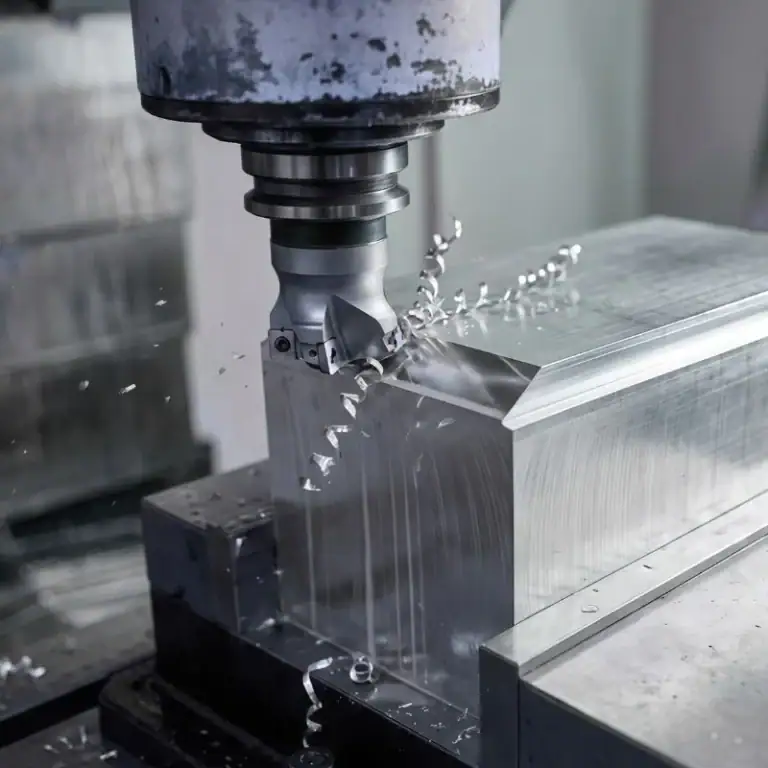
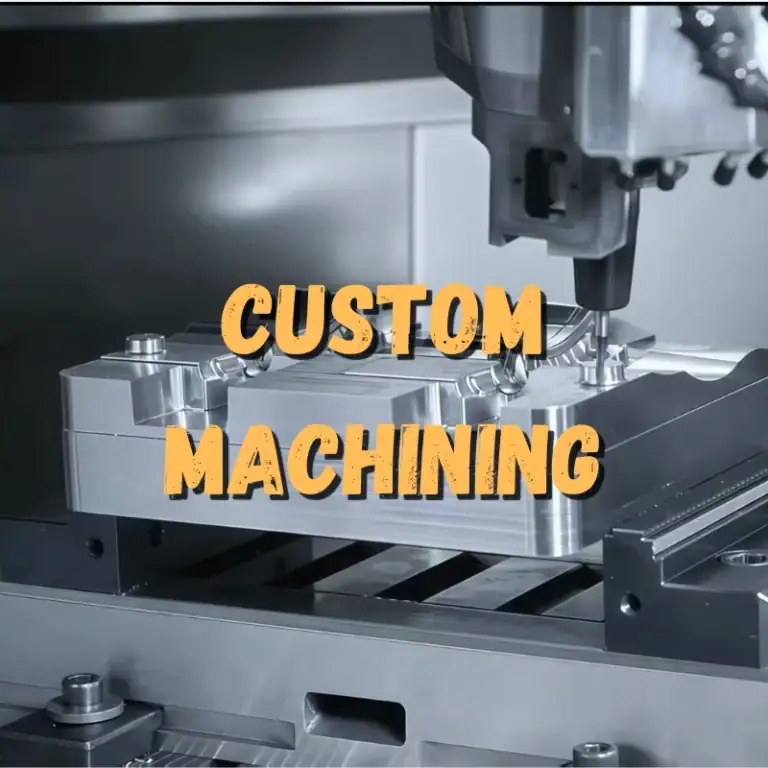
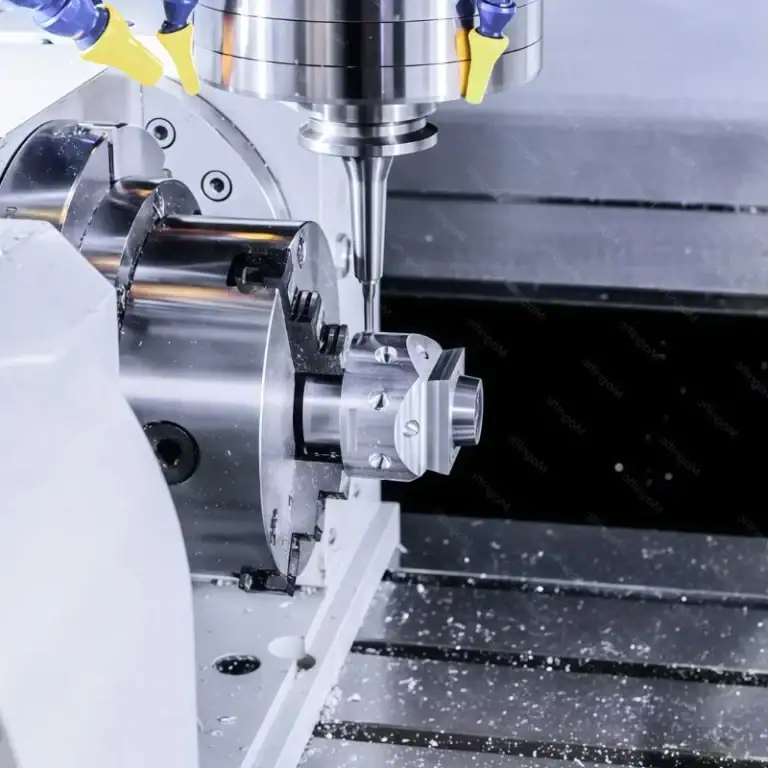
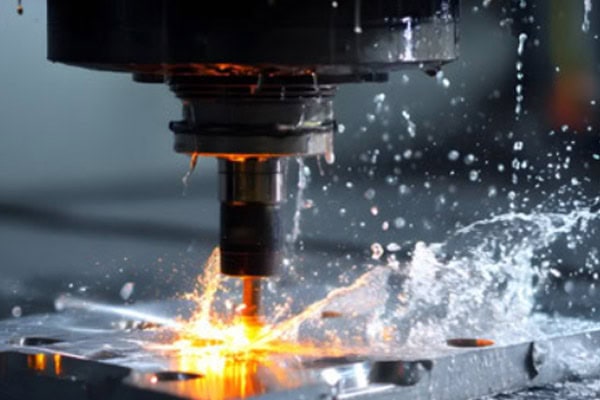
CNC milling is an automated machining technology based on Computer Numerical Control (CNC) systems. It uses pre-programmed instructions to control the tool’s movement along multiple coordinate axes, achieving precise cutting of metallic or non-metallic materials. This technology is widely used in high-precision parts manufacturing and is an important component of modern intelligent manufacturing (refer to TiRapid CNC Milling service system).
Process Definition and Principles
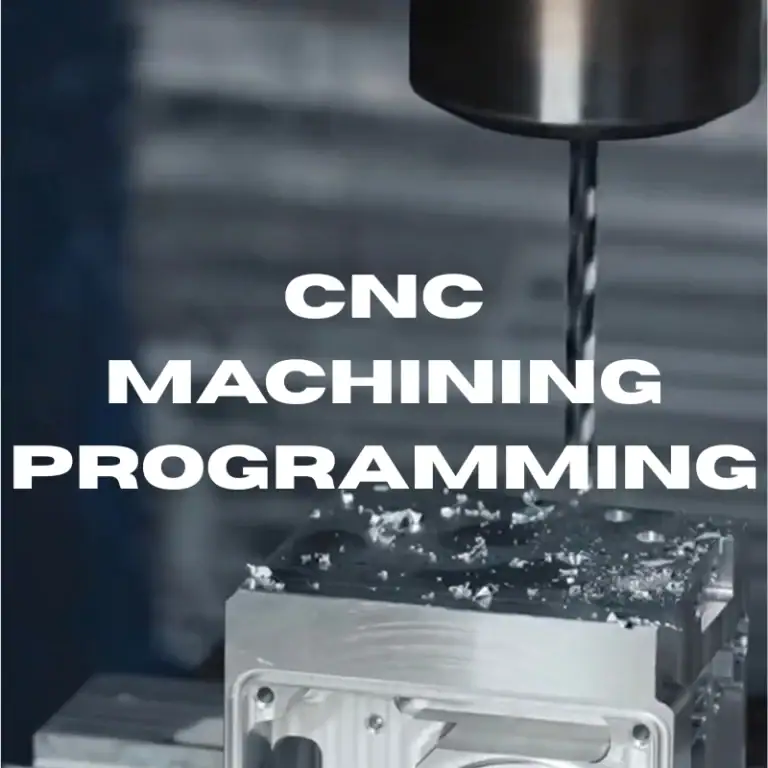
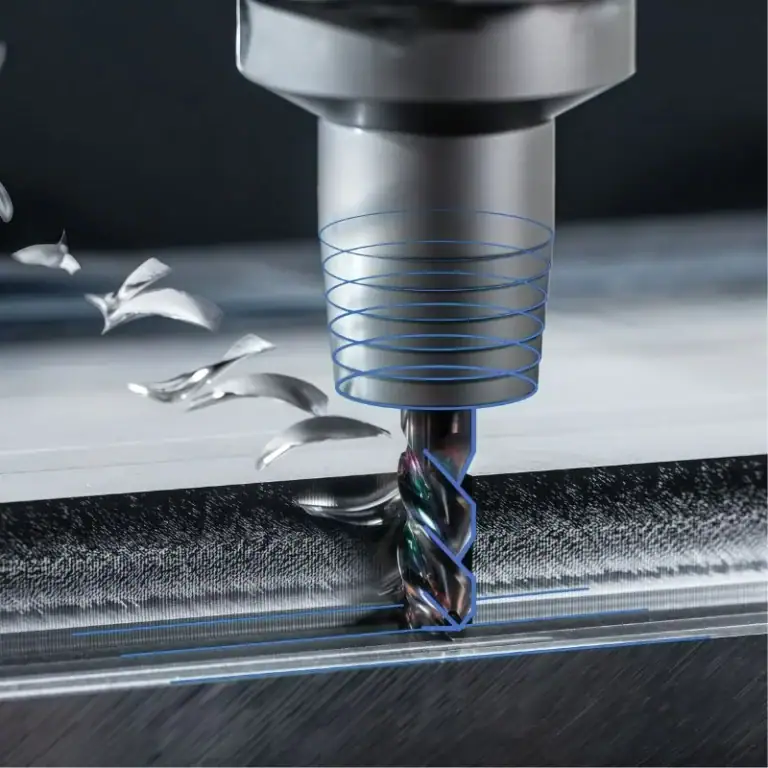
CNC milling typically consists of three core stages: CAD modeling, CAM path planning, and CNC machine tool execution. During the machining process, the design drawings are converted into G-code or M-code, and the machine tool automatically controls the cutting path according to the program instructions.
Its core principles include
Digital Control Principle: Replacing manual operation with programming
Optimal Trajectory Principle: Optimizing toolpaths to reduce machining time
Consistent Precision Principle: Ensuring consistency across multiple batches of parts
Material Adaptation Principle: Adjusting cutting parameters according to material properties
This standardized process enables CNC milling to maintain high stability in machining complex structures.
Common Types
Different types of CNC milling equipment are suitable for different machining needs.
Based on the equipment structure and the number of control axes, common types include:
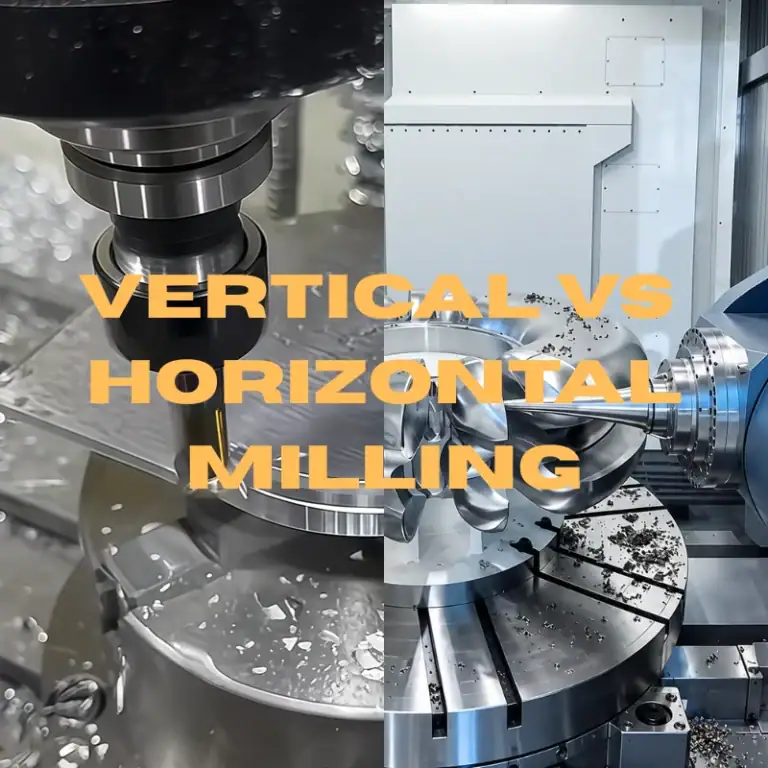
- Vertical milling: Suitable for machining holes, slots, and small to medium-sized complex parts.
- Horizontal milling: Suitable for high-volume machining and heavy cutting.
- Multi-axis milling (3-axis, 4-axis, 5-axis): Suitable for complex curved surfaces and high-precision parts.
Choosing the right equipment type helps improve machining efficiency and product quality.
Advantages and Limitations
Analyzing the advantages and disadvantages helps to more comprehensively evaluate its applicability.
Advantages:
- High machining accuracy and stability: The CNC system controls the toolpath through a program, maintaining micron-level precision, making it particularly suitable for machining high-standard parts while reducing fluctuations caused by human error.
- High degree of automation: The machining process can operate continuously for extended periods, reducing manual intervention, improving efficiency, and lowering the risk of operational errors.
- Strong capability for machining complex structures: Multi-axis linkage technology can complete complex curved surfaces, deep cavity structures, and multi-angle machining tasks, which is difficult to achieve with traditional machining methods.
- Outstanding consistency: In mass production, the size and shape of each part are highly consistent, suitable for standardized product manufacturing.
- High overall efficiency: Through program optimization and path planning, it can achieve high efficiency. Shorten processing time and improve equipment utilization
These advantages make CNC milling highly competitive in high-precision, high-complexity, and large-scale production.
Limitations:
- High equipment investment cost: CNC machine tools are expensive, and there are also costs for software, cutting tools, and maintenance, requiring a large initial budget.
- High technical threshold: Requires professional programmers for program design and debugging, demanding significantly higher operator skills than traditional machining.
- Strict equipment maintenance requirements: Long-term operation requires regular maintenance and calibration; otherwise, machining accuracy may be affected.
- Uneconomical for small-batch production: In single-piece or very small-batch production, programming and preparation time may account for too high a percentage.
- Equipment size limitations: Large or extra-long workpieces may be limited by machine tool travel and structure.
CNC milling is more suitable for high-precision, high-complexity, and large-scale production scenarios.
What is Traditional Machining?
Traditional machining refers to machining methods that rely on manual operation of machine tools for cutting, drilling, milling, or grinding. It typically uses equipment such as ordinary lathes and manual milling machines to manufacture parts. This method dominated in the early stages of industrial development and is still used in some production scenarios today.
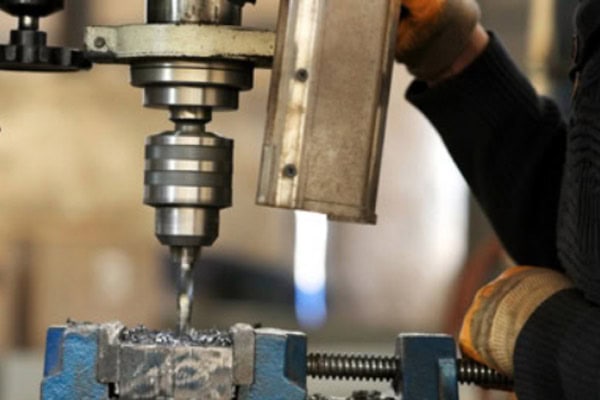
Process Definition and Principles
Traditional machining processes mainly rely on operator experience, manually adjusting tool position, cutting speed, and feed rate to complete machining tasks. The machining process requires continuous manual measurement and correction to ensure the parts meet design requirements.
Its core principles include:
- Manual Control Principle: Relying on operational experience for judgment.
- Step-by-Step Machining Principle: Achieving shaping through step-by-step cutting.
- Real-Time Correction Principle: Adjusting errors while machining.
- Flexible Adaptation Principle: Allowing for rapid adjustments based on site conditions.
This method emphasizes operational flexibility but has relatively weak stability.
Common Types
Different types of traditional machining methods meet diverse production needs.
- Conventional Milling
- Turning
- Drilling and Grinding
- Manual or Semi-Automatic Machine Tool Machining
Choosing the appropriate method based on specific needs can improve machining efficiency and practicality.
Advantages and Limitations
Analyzing from the perspective of advantages and disadvantages helps in making a more rational choice.
Advantages:
Lower Equipment Costs: Ordinary machine tools have lower purchase costs, suitable for production environments with limited funds or small initial investments.
- High Operational Flexibility: Processes can be adjusted on-the-spot during machining, suitable for variable or irregular tasks.
- Suitable for Small Batch or Single-Piece Production: No complex programming required, short preparation time, and greater efficiency in customized machining.
- Relatively Low Technical Barrier: No complex software support is needed; skilled operators can complete most machining tasks.
- Strong Adaptability: Traditional machining can still quickly complete tasks for simple structural parts.
These advantages make traditional processing more practical in small-batch, low-complexity, and flexible production scenarios.
Limitations:
Accuracy Depends on Human Experience: Machining results are greatly affected by operator skill, making it difficult to maintain long-term consistency.
- Poor Repeatability: Dimensional deviations are prone to occur between different parts in batch production.
- Lower Efficiency: Multiple processes need to be completed step-by-step, resulting in relatively long machining times.
- Limited Capability for Machining Complex Structures: High-quality machining is difficult to achieve when dealing with complex curved surfaces or multi-angle structures.
- High Labor Costs: In the long run, the cumulative cost of manual operation is significant.
Traditional machining is more suitable for production scenarios with simple structures, small batches, and low precision requirements, while still having certain advantages in flexibly responding to ad-hoc machining needs.
Key Differences Between CNC Milling and Traditional Machining
The main differences between CNC milling and traditional machining lie in two dimensions: control system and production capacity.
- In terms of control methods: CNC relies on computer programs for automated machining, while traditional machining relies on manual operation to complete each cutting action. Regarding precision, CNC can maintain micron-level consistency through stable program paths, while traditional machining is easily affected by human error. In terms of production efficiency, CNC is suitable for continuous batch production, while traditional machining is more suitable for small-scale, flexible processing.
- In terms of handling complex parts: CNC, especially 5-axis machining, has a significant advantage, capable of machining complex curved surfaces and multi-angle structures, while traditional machining is usually limited by machine tool structure and the range of manual operation. Regarding cost structure, CNC requires higher initial investment but more stable long-term production costs; traditional machining has lower initial costs but weaker efficiency at scale.
The core difference between the two lies in the degree of automation, processing precision, and adaptability to complex and mass production needs.
How to Choose a Machining Method
Choosing a machining method requires a comprehensive judgment based on product design complexity, production volume, cost budget, and delivery cycle.
When parts have complex structures, high precision requirements, and need stable batch production, CNC milling is more advantageous, especially for precision parts, molds, and critical industrial components. When product structures are relatively simple, production quantities are small, or cost is a concern, traditional machining remains applicable.
In practical industrial applications, many manufacturing companies adopt hybrid machining strategies. For example, they use CNC machining for critical structural parts, combined with traditional machining for auxiliary processing, thus achieving a balance between cost and efficiency. This combination is particularly common in small- to medium-batch production.
As the manufacturing industry continues to move towards intelligence and precision, the choice of machining technology is gradually becoming a crucial factor influencing a company’s competitiveness. CNC milling, with its high degree of automation and stable machining accuracy, occupies a core position in the manufacturing of complex parts and large-scale production, and its application scope continues to expand in modern industrial systems. Meanwhile, although traditional machining methods are relatively basic in technology, they still have irreplaceable practical value in terms of flexibility, cost control, and small-batch production scenarios.
Conclusion
There is no absolute superiority or inferiority between the two machining methods; rather, they complement each other based on different production needs. In actual manufacturing processes, by rationally assessing the complexity of the product structure, machining accuracy requirements, and production cycle, a more scientific selection of the appropriate machining method can be made, thereby improving overall production efficiency and reducing manufacturing risks. With the continuous development of digital manufacturing technology, the application depth of CNC technology will be further enhanced, while traditional machining will continue to play a fundamental role in specific fields, jointly building a more complete modern manufacturing system.