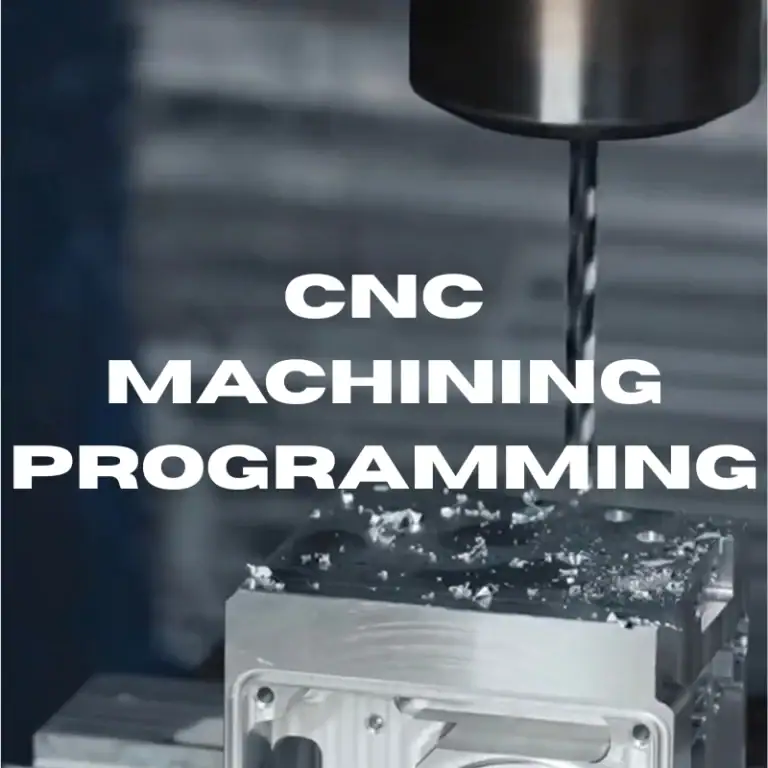
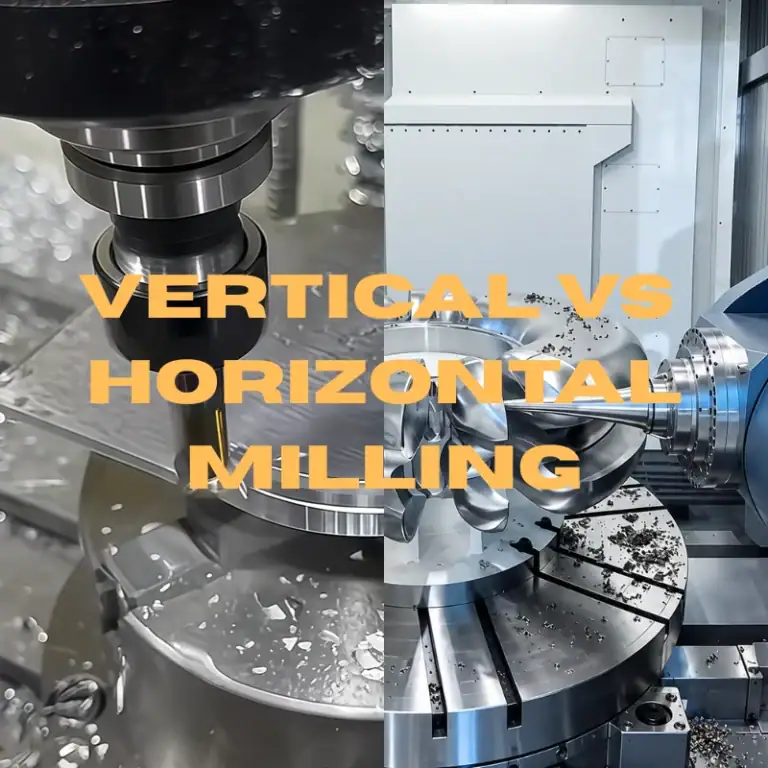
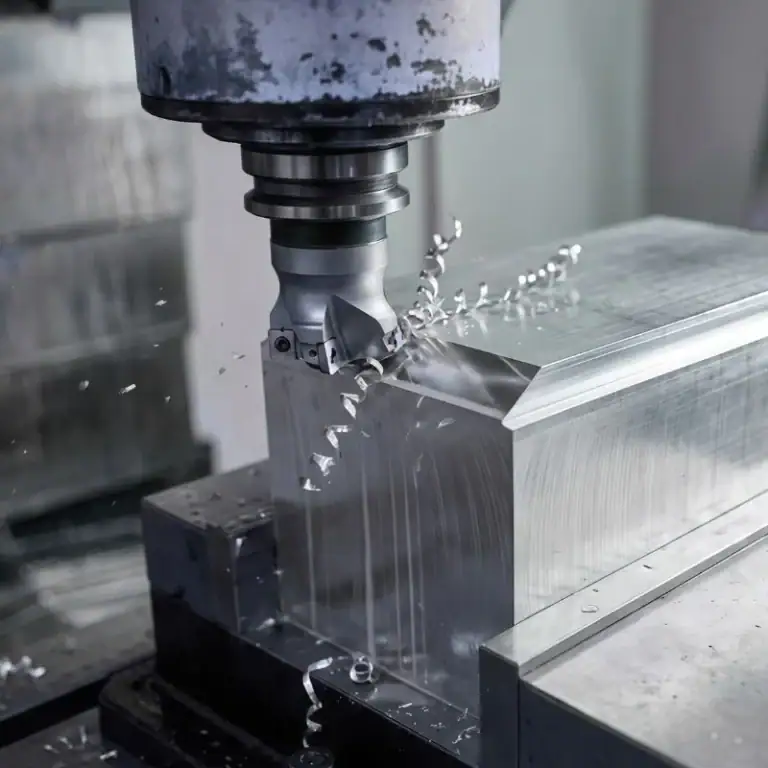
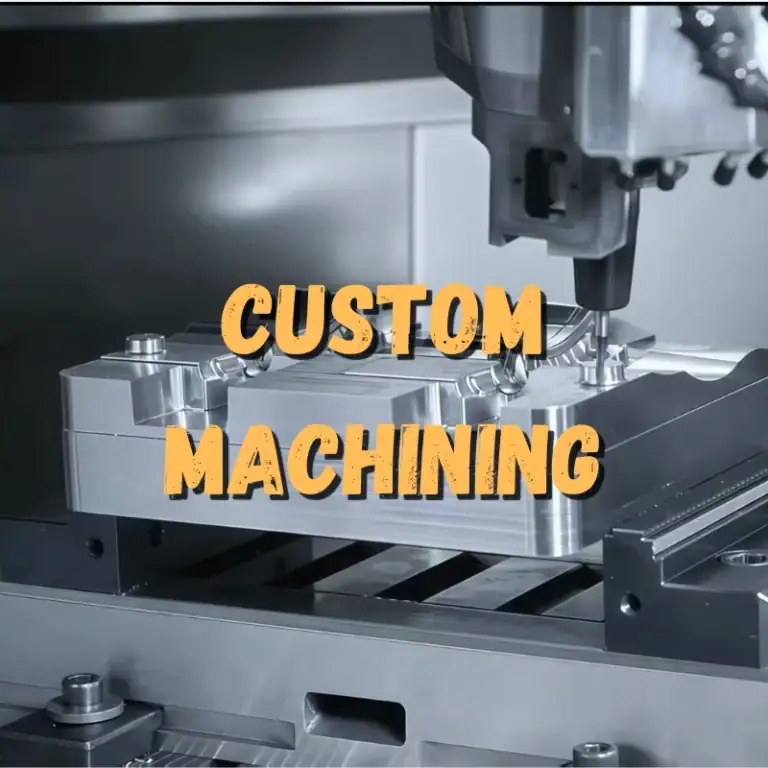
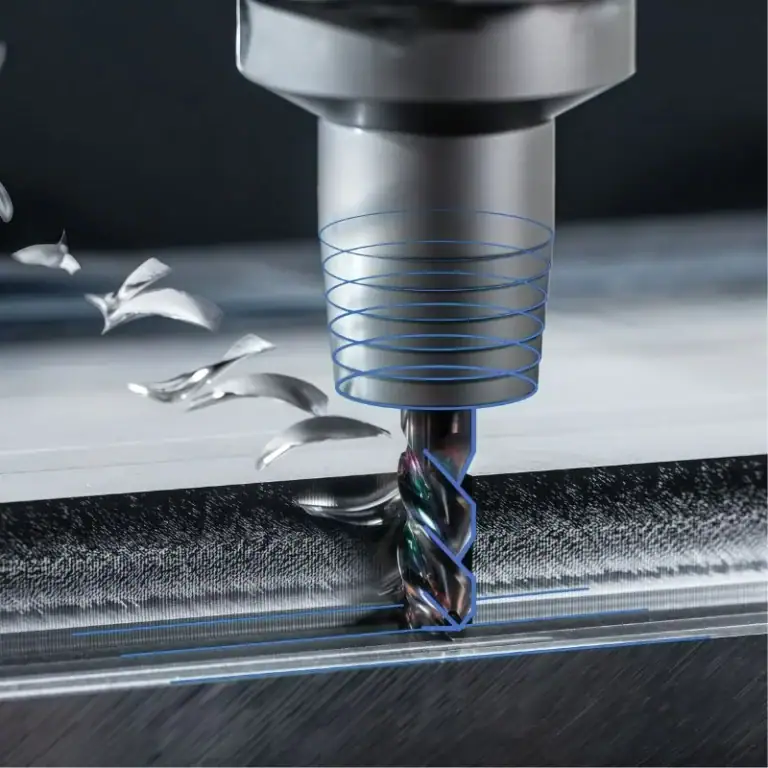
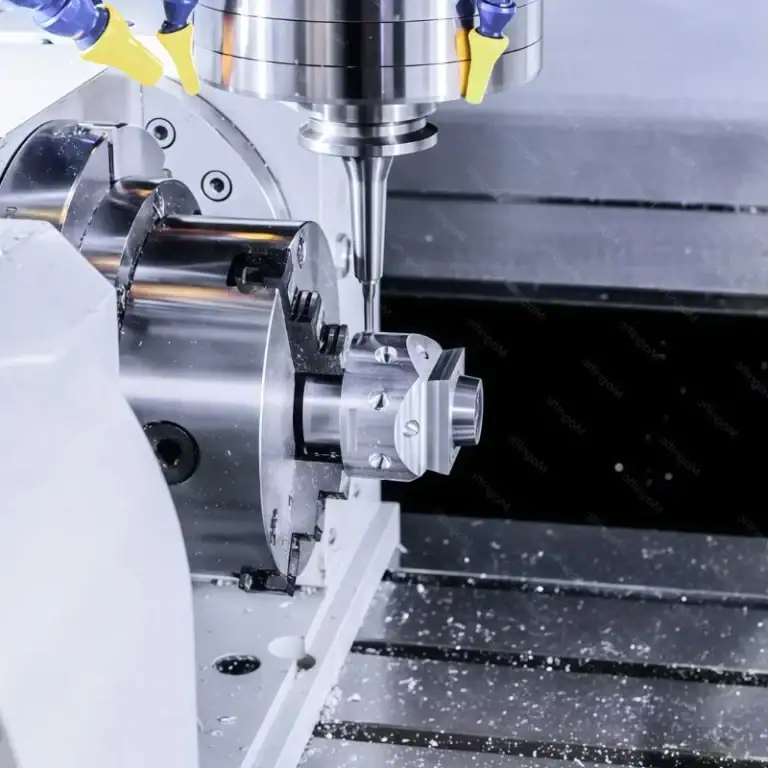
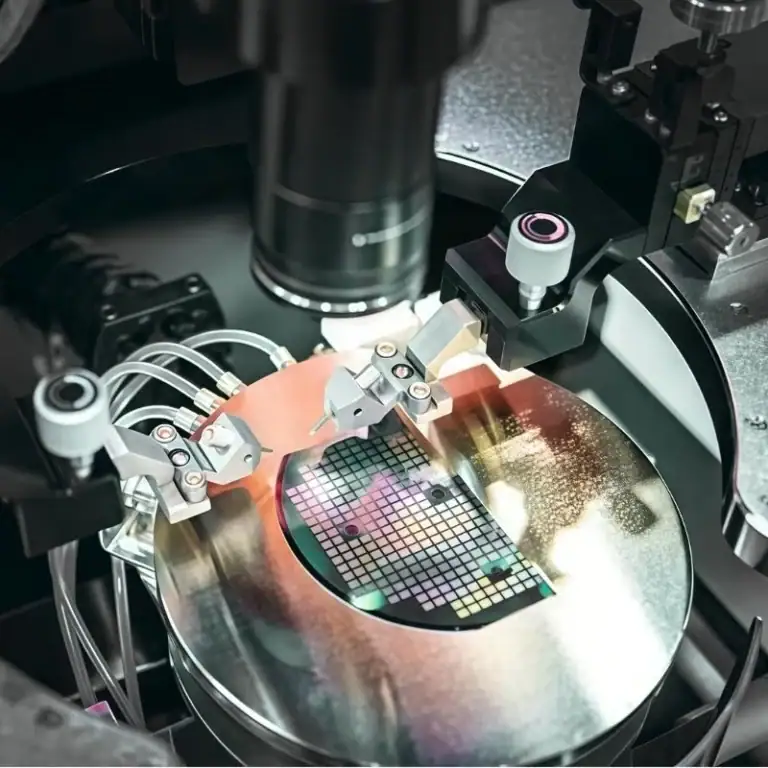
In modern manufacturing systems, product structures are becoming increasingly complex, highly integrated, and function-driven. From 3D curved blades in aerospace engines to microfluidic channels in medical devices and high-precision connection components in electronics, traditional machining methods are no longer sufficient. Precision machining, supported by multi-axis motion systems, high-rigidity machine tools, and advanced CNC control systems, enables the stable production of a wide range of complex geometries while ensuring dimensional consistency and long-term reliability.
Freeform Surfaces and Multi-Curved Complex Structures
Freeform surfaces are one of the most common and technically challenging structure types in modern industrial design, widely used in aerospace, automotive, and high-end mold industries.
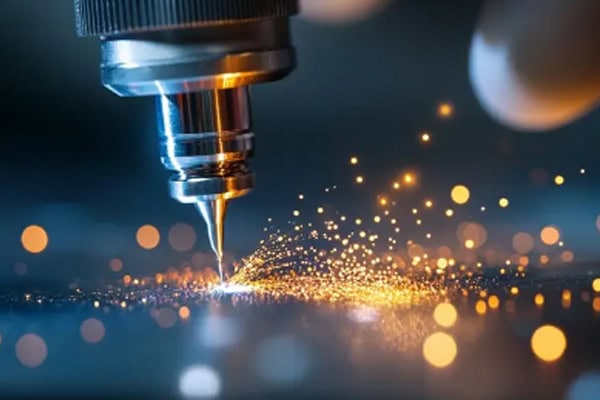
Aerospace and energy industry freeform components
- Precision machining enables the integral shaping of complex 3D surfaces such as turbine blades and impellers
- Multi-axis machining ensures smooth surface transitions without step errors from segmented processing
- Maintains aerodynamic accuracy under high-speed and high-temperature conditions, improving efficiency and stability
- Precise material removal control prevents stress concentration and structural performance degradation
Mold industry complex cavity surfaces
- Injection molds and die-casting molds often contain highly complex internal cavity geometries
- Precision machining directly achieves high-surface-quality cavity formation, reducing polishing requirements
- Ensures dimensional consistency of molds, improving mass production accuracy
- Optimized toolpaths reduce machining marks and improve surface stability
Industrial product and automotive curved parts
- Automotive exterior panels and industrial housings often feature aerodynamic freeform designs
- Precision machining ensures high matching accuracy between design and assembly
- Supports lightweight design while maintaining structural strength
- Improves overall appearance quality and manufacturing consistency
Freeform surface machining reflects the upper limit of spatial geometry control in precision manufacturing.
Microstructures and High-Precision Internal Complex Structures
Compared with external surfaces, internal microstructures are more difficult to machine and require extremely high precision, consistency, and stability. They are widely used in medical, semiconductor, and advanced equipment industries.
Micro-holes and microfluidic channels
- Medical microfluidic chips require extremely small and consistent channel structures
- Semiconductor systems rely on microchannels for precise gas and liquid control
- Precision machining achieves micron-level or sub-micron hole accuracy
- Ensures flow consistency and reduces fluid deviation
Complex internal cavities and hidden structures
- Hydraulic components and aerospace parts often contain intricate internal cavities and channels
- Multi-axis or deep-cavity machining enables complete internal structure formation
- Achieves lightweight design while maintaining structural strength
- Reduces assembly errors and improves sealing reliability
Micro high-precision functional components
- Electronic devices contain numerous miniature connectors and transmission structures
- Precision machining enables production of micro gears and positioning components
- Ensures stable mechanical performance at very small scales
- Improves system accuracy and response speed
Microstructure machining capability directly determines the functional limits of high-end equipment.
Irregular Shapes and High-End Functional Complex Components
With increasing design freedom in modern industry, more non-standard, asymmetric, and multifunctional integrated structures are being widely used. These structures place even higher demands on machining capabilities.
Asymmetric and freeform irregular parts
- Multi-axis machining enables the production of complex asymmetric geometries
- Supports freeform designs beyond traditional 2D or simple 3D constraints
- Eliminates cumulative errors from multi-part assembly processes
- Improves geometric consistency and mechanical performance
High-precision assembly and connection components
- Used in mechanical systems for precision-fit parts such as pins, sleeves, and interfaces
- Ensures tight tolerances for smooth assembly without jamming or looseness
- Improves operational stability and long-term reliability of mechanical systems
- Reduces wear and extends equipment service life
Thin-walled and lightweight high-strength components
- Widely used in aerospace and new energy industries
- Precision machining prevents deformation and structural collapse during cutting
- Maintains strength while significantly reducing weight
- Improves material utilization and structural efficiency
Irregular and functional structure machining reflects the flexibility of modern high-end manufacturing.
The ability of precision machining to produce complex structures comes from the integration of multi-axis control systems, high-rigidity machine tools, intelligent CNC systems, and closed-loop measurement feedback mechanisms. This combination allows manufacturing to overcome traditional geometric and accuracy limitations. Whether dealing with freeform surfaces, microstructures, or highly irregular functional components, precision machining delivers stable, repeatable, and high-accuracy production capabilities—making it an essential foundation of modern advanced manufacturing. Tirapid focuses on precision machining and advanced manufacturing solutions, providing reliable and high-precision production support to help companies achieve more advanced design and manufacturing capabilities.