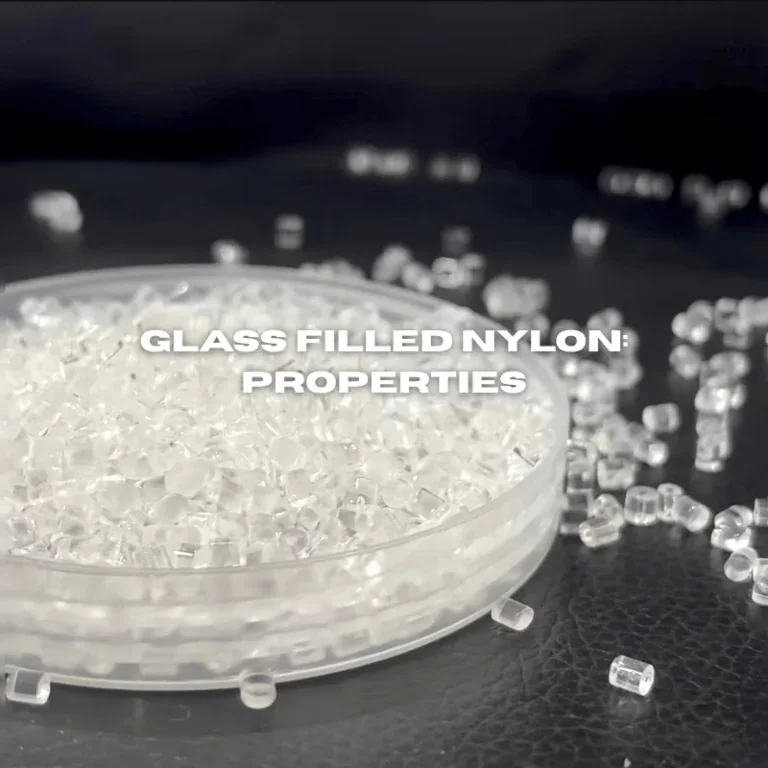
CNC turning is an advanced manufacturing process that uses computer numerical control systems to perform precision cutting operations. It enables high accuracy, excellent repeatability, and efficient production of various components. As CNC technology continues to evolve, the range of machinable materials has expanded far beyond traditional metals to include hardened alloys, engineering plastics, and composite materials. Different materials possess unique characteristics such as hardness, toughness, thermal conductivity, and cutting behavior, requiring appropriate tooling, cutting parameters, and cooling strategies. Understanding which materials are suitable for CNC turning helps manufacturers select the right machining process, improve productivity, and achieve better product quality.
Common Metal Materials for CNC Turning
Metal materials are the most widely used workpieces in CNC turning operations. From standard mechanical components to high-precision industrial parts, a wide variety of metals can be machined efficiently through CNC turning. Depending on material properties, tooling selection and machining methods may vary significantly.
Carbon Steel and Alloy Steel
Carbon steel and alloy steel play a critical role in the manufacturing industry and are commonly used for shafts, flanges, connectors, gear blanks, and industrial equipment components. These materials offer an excellent balance of strength, toughness, and wear resistance. In CNC turning applications, carbon steel and low-alloy steel generally provide good machinability and stable cutting performance. As material hardness increases, higher requirements are placed on tool wear resistance and machine rigidity. By optimizing cutting speed, feed rate, and cooling conditions, manufacturers can achieve excellent dimensional accuracy and surface finish quality.
- Widely used in mechanical manufacturing
- Good balance of strength and toughness
- Suitable for shaft machining
- Ideal for mass production
- Compatible with a wide range of cutting tools
- Stable machining performance
Carbon steel and alloy steel remain among the most commonly machined materials in CNC turning because they provide a strong balance between machining efficiency and mechanical performance.
Stainless Steel
Stainless steel is widely used in food processing equipment, medical devices, chemical processing systems, and marine engineering due to its excellent corrosion resistance and mechanical strength. Compared with conventional steel, stainless steel is more prone to work hardening during machining, which can accelerate tool wear. Maintaining sharp cutting edges and providing sufficient coolant are essential for controlling cutting temperatures. Modern CNC lathes can effectively machine stainless steel components with high precision and excellent surface finishes through stable process control.
- Excellent corrosion resistance
- Suitable for medical equipment manufacturing
- Commonly used in food processing systems
- High surface finish requirements
- Prone to work hardening
- Requires effective cooling strategies
Proper control of cutting heat improves machining quality and extends tool life when processing stainless steel.
Cast Iron
Cast iron offers excellent vibration damping and wear resistance, making it a popular material for machine bases, pump housings, valve bodies, and engine components. During machining, cast iron typically produces small fragmented chips, reducing the risk of chip entanglement and improving process stability. Gray cast iron and ductile iron are among the most common types used in manufacturing. Due to the graphite content within the material, cutting tools often experience relatively low wear, contributing to higher machining efficiency.
- Excellent vibration damping properties
- Stable cutting performance
- Suitable for large component production
- Longer tool life
- Widely used in equipment manufacturing
- High production efficiency
Cast iron is well suited for large-scale industrial production and supports efficient machining operations.
Lightweight Metals for CNC Turning
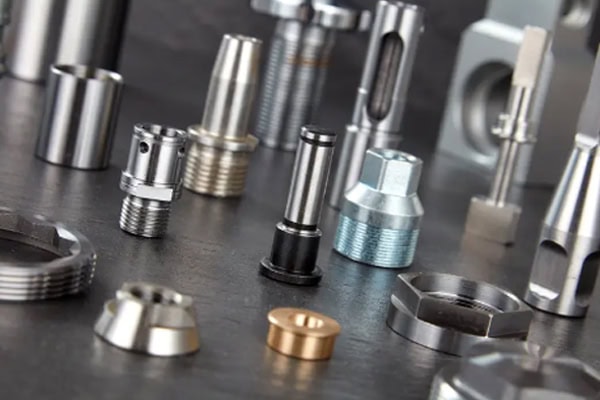
Lightweight metals have become increasingly important in modern manufacturing due to their low weight, high strength, and excellent machinability. Industries such as aerospace, automotive, and consumer electronics continue to drive demand for these materials.
Aluminum Alloys
Aluminum alloys are among the most commonly machined lightweight materials in CNC turning. Their low density, excellent thermal conductivity, and low cutting resistance allow for high-speed machining and increased productivity. Aerospace structures, electronic enclosures, automation equipment, and electric vehicle components frequently utilize aluminum alloys. Although aluminum is relatively easy to machine, certain grades may develop built-up edges, requiring optimized tool geometry and coolant application to achieve superior surface quality.
- Lightweight material
- High machining efficiency
- Excellent surface finish
- Superior thermal conductivity
- Suitable for high-speed cutting
- Widely used across industries
Aluminum alloys combine productivity and cost-effectiveness, making them one of the most valuable materials in modern manufacturing.
Copper and Copper Alloys
Copper offers outstanding electrical and thermal conductivity, making it essential in electronics, electrical systems, and renewable energy industries. Copper alloys include brass, bronze, and pure copper grades. Due to the material’s toughness, continuous chips may form during machining, making chip control an important consideration. Appropriate tool geometry and cutting parameters help improve cutting performance and productivity.
- Excellent electrical conductivity
- Superior thermal conductivity
- Suitable for precision component production
- High-quality surface finishes
- Easy to achieve tight tolerances
- Widely used in electronics manufacturing
Copper and copper alloys are indispensable materials in precision electrical and electronic industries.
Titanium Alloys
Titanium alloys provide a unique combination of high strength and low weight, making them critical materials in aerospace, medical, and energy industries. Despite their excellent properties, titanium alloys have poor thermal conductivity, causing heat to concentrate near the cutting edge and accelerating tool wear. High-performance cutting tools and high-pressure coolant systems are typically required to maintain stable machining conditions.
- High strength-to-weight ratio
- Excellent corrosion resistance
- Widely used in aerospace applications
- Demands advanced cutting tools
- More difficult to machine
- High-value end products
Although machining costs are relatively high, titanium alloys meet the demanding requirements of advanced engineering applications.
Hardened Materials for CNC Turning
Advancements in cutting tool technology and CNC systems have made it possible to machine increasingly hard materials directly through turning operations, reducing the need for secondary grinding processes and improving overall productivity.
Hardened Steel
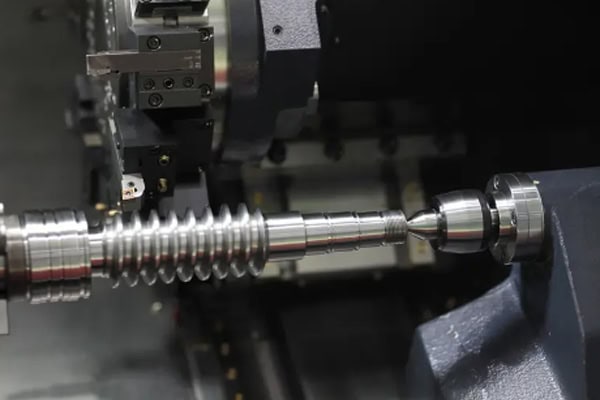
Hardened steel undergoes heat treatment to achieve high hardness and wear resistance, making it suitable for molds, bearings, and wear-resistant components. These materials are challenging to machine and require high machine rigidity and advanced cutting tools. Modern CNC lathes equipped with CBN tools can perform hard turning operations while maintaining excellent dimensional accuracy.
- High hardness
- Outstanding wear resistance
- Suitable for mold manufacturing
- Can replace certain grinding processes
- Requires rigid machinery
- High precision requirements
The development of hard turning technology has significantly improved the efficiency of machining hardened steel components.
Superalloys
Superalloys retain their mechanical properties under extreme temperatures and are widely used in aerospace engines and energy equipment. Their high strength and low thermal conductivity generate significant heat during machining, making advanced tooling and efficient cooling systems essential.
- Excellent high-temperature resistance
- Strong mechanical stability
- Used in aerospace engines
- Rapid tool wear potential
- Longer machining cycles
- High manufacturing value
Superalloys are high-value materials that demand sophisticated machining techniques and process control.
Non-Metal Materials for CNC Turning
In addition to metals, many engineering plastics and composite materials can also be machined through CNC turning. These materials are increasingly used in electronics, medical devices, and automation industries.
Engineering Plastics
Engineering plastics such as POM, Nylon, PEEK, and PTFE offer low weight, corrosion resistance, and excellent insulation properties. Cutting forces are relatively low during machining, but some materials may deform when exposed to excessive heat. Careful control of spindle speed and feed rate is required to maintain dimensional accuracy.
- Lightweight
- Excellent corrosion resistance
- Superior electrical insulation
- Easy to machine
- Common in medical applications
- Capable of high-precision production
Engineering plastics have become an important choice for precision component manufacturing across multiple industries.
Composite Materials
Composite materials combine the advantages of multiple material types and are increasingly used in aerospace, renewable energy, and high-performance industrial equipment. These materials typically provide exceptional strength-to-weight ratios, but their layered structures can create machining challenges such as delamination and edge damage. Specialized cutting tools and optimized machining strategies are required to achieve the best results.
- High strength-to-weight ratio
- Excellent fatigue resistance
- Widely used in aerospace applications
- Requires specialized cutting tools
- Demanding machining requirements
- High product value
As advanced manufacturing technologies continue to evolve, the application of composite materials in CNC turning is expected to expand significantly.