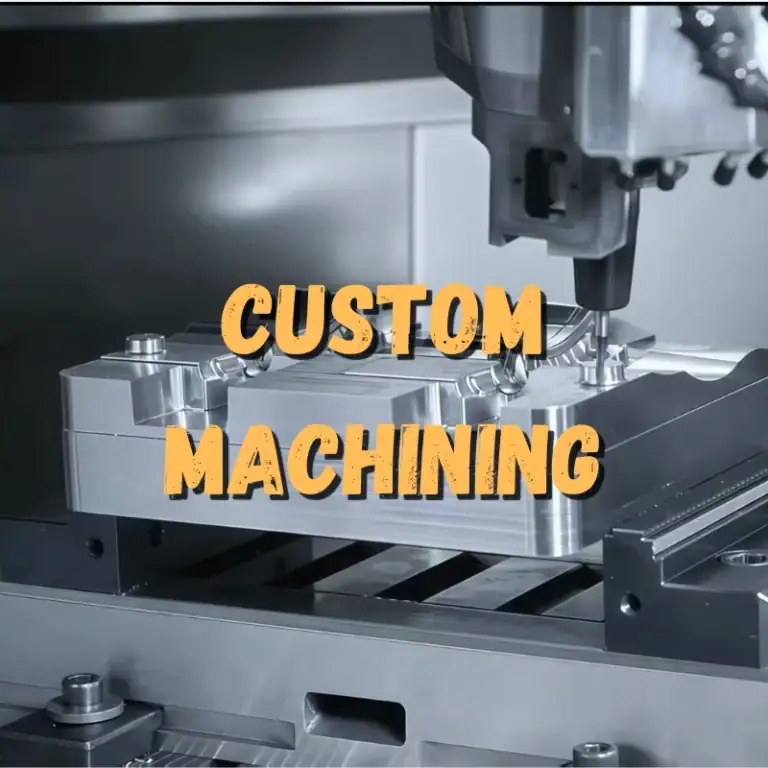
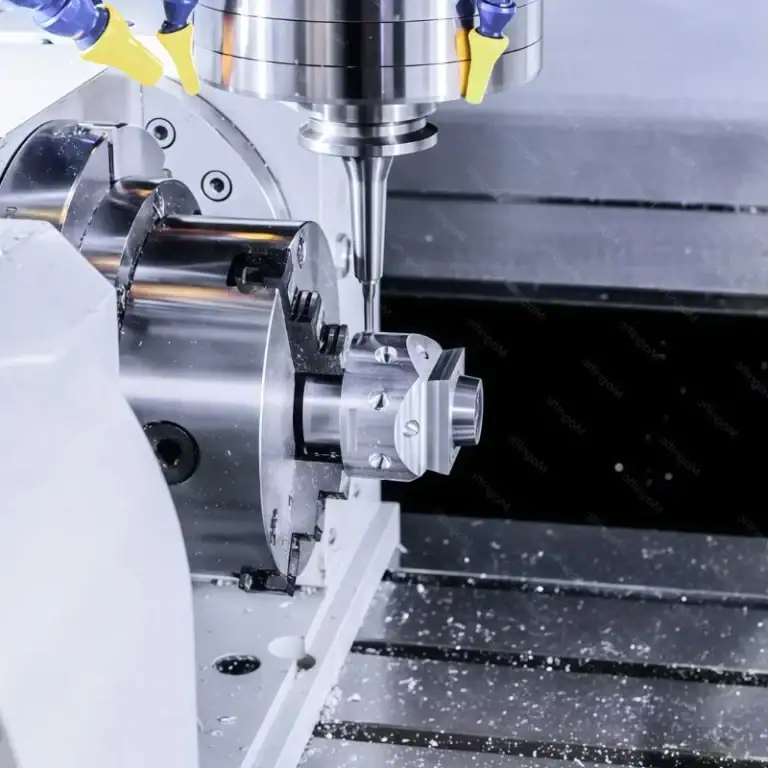
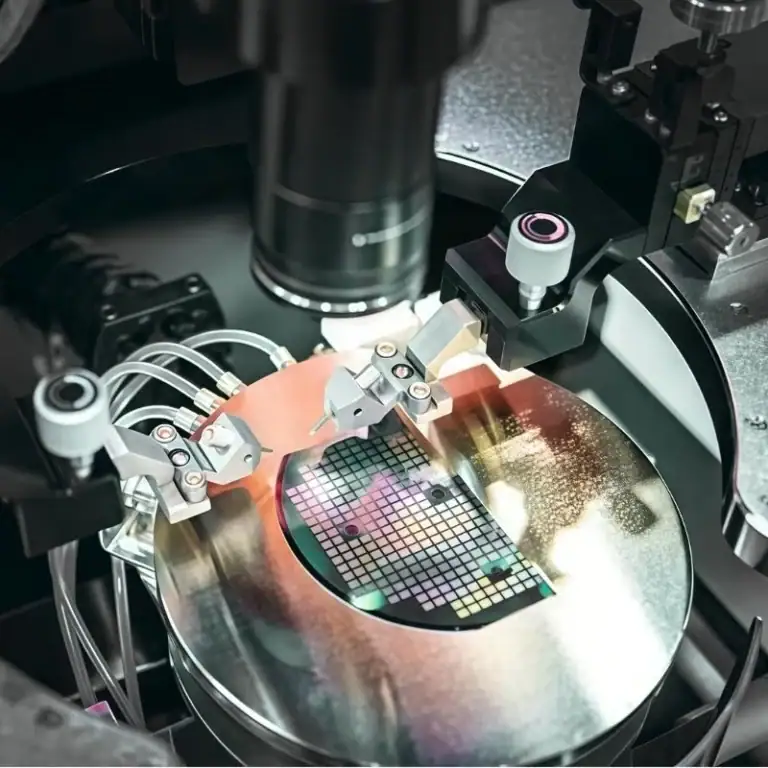
In modern high-end manufacturing, micron-level accuracy has become one of the most important benchmarks for evaluating precision machining capability. Whether in aerospace engine components, medical implants, or semiconductor and optical equipment parts, tolerance for dimensional deviation is extremely limited. To consistently achieve micron-level machining accuracy is not the result of a single machine or technology, but rather a fully integrated system involving machine tool structure, CNC control systems, machining processes, measurement feedback, and environmental control.
High-Precision Machine Tools as the Foundation
Machine tools are the physical foundation of precision machining, and their structural stability and motion accuracy define the “baseline” of machining errors.
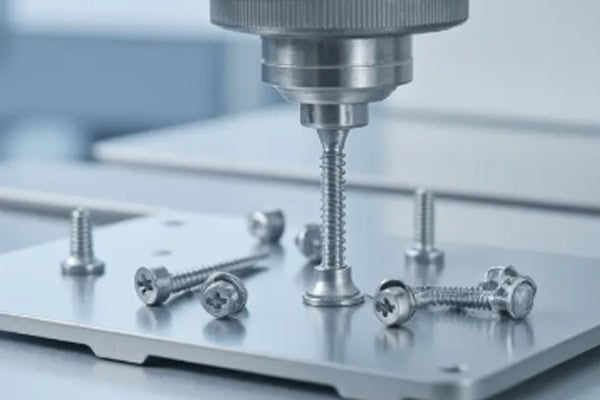
High-rigidity structural design
- Monolithic cast or mineral casting machine beds improve vibration resistance and reduce micro-displacement errors during cutting
- Optimized structural force distribution prevents localized stress concentration and deformation
- Maintains geometric stability even under high-speed machining conditions
High-precision motion system
- High-precision linear guides and ball screw systems reduce backlash and motion errors
- Multi-axis synchronization ensures higher consistency in complex surface machining
- Improves repeatability of micro-positioning, reducing trajectory deviation
Thermal stability control system
- Thermal isolation design for spindles and motors reduces heat transfer impact
- Temperature control and cooling systems maintain stable thermal conditions during long operations
- Thermal balance design minimizes dimensional drift caused by localized expansion
Machine tool stability determines the initial source of error and serves as the first critical safeguard for micron-level precision.
CNC Systems and Dynamic Control Technologies
If the machine tool is the “skeleton,” then the CNC system acts as the “nervous system,” responsible for real-time error correction and motion optimization.
High-precision interpolation and trajectory control
- Micro-step interpolation breaks complex toolpaths into highly precise motion segments
- Smooth trajectory control reduces errors caused by sudden acceleration and deceleration
- Multi-axis coordinated control ensures consistency in complex surface machining
- Improves motion smoothness and reduces cumulative path deviation
Dynamic error compensation mechanisms
- Real-time compensation for servo lag errors improves motion consistency
- Automatic adjustment of control parameters based on load variations
- Dynamic correction of mechanical backlash and transmission errors
- Continuous precision optimization during high-speed machining
Intelligent control and optimization algorithms
- AI-driven analysis optimizes cutting paths and machining strategies
- Automatic recognition of machining stages with parameter adjustment
- Real-time cutting load monitoring prevents overload-related accuracy loss
- Enhances stability in complex part processing
CNC systems transform error control from passive correction to proactive precision management.
Machining Processes and Tool Systems for Error Control
Even with highly precise equipment and control systems, machining processes themselves remain a major source of potential error.
High-performance tool selection and management
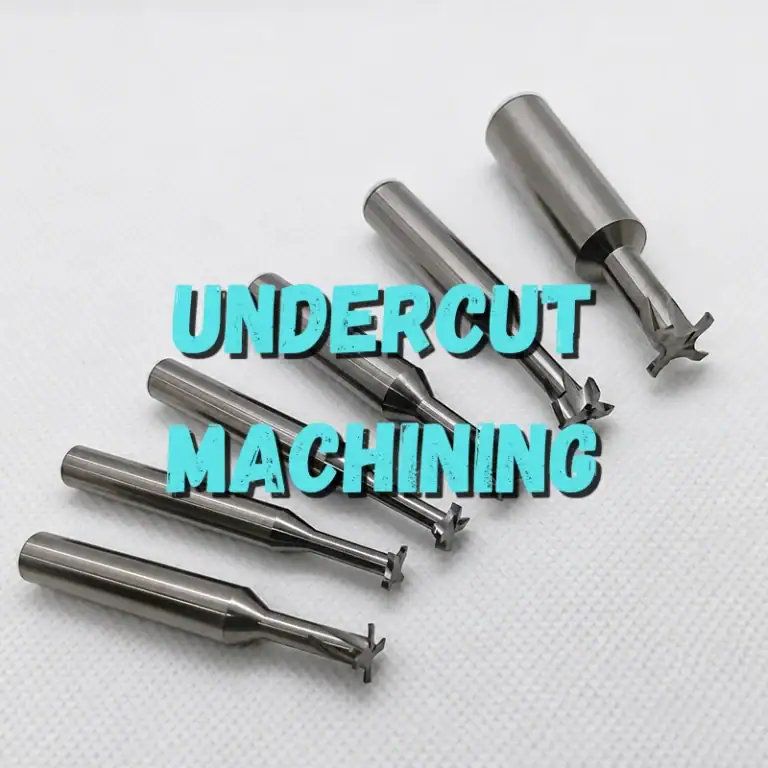
- Use of carbide, coated, or superhard tools to improve cutting stability
- Tool selection based on material properties to reduce vibration and deviation
- Real-time tool wear monitoring prevents dimensional drift
- Tool life management reduces cumulative batch errors
Cutting parameter optimization
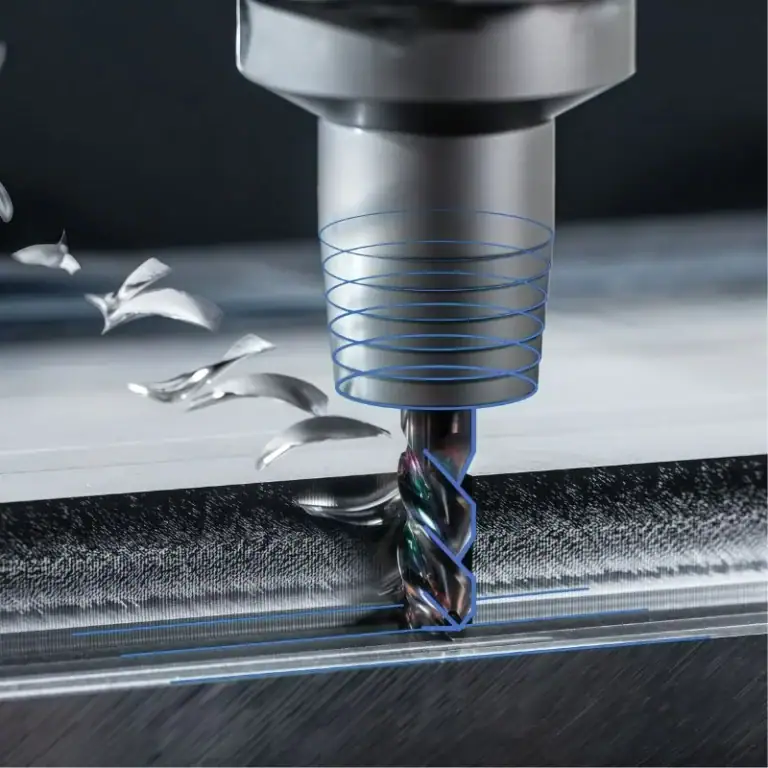
- Precise control of cutting speed and feed rate reduces thermal deformation
- Layered machining strategies reduce single-pass cutting load
- Optimized coolant application stabilizes cutting temperature
- Prevents excessive cutting forces that may deform the workpiece
Process planning and machining strategy
- Step-by-step machining (roughing, semi-finishing, finishing) improves accuracy gradually
- Optimized toolpaths reduce redundant movements and repositioning errors
- Minimized re-clamping reduces positioning deviations
- Ensures continuous and stable machining processes
Process control ensures that errors are minimized before they even occur.
Measurement Feedback and Environmental Control Systems
Achieving true micron-level accuracy depends on a closed-loop system combining measurement feedback and environmental stability.
High-precision measurement and inspection technologies
- Coordinate Measuring Machines (CMM) for complex geometry inspection
- Laser measurement systems for micron or sub-micron accuracy analysis
- Optical vision systems for complex surface inspection
- Non-contact measurement prevents secondary deformation
Closed-loop feedback and correction systems
- Real-time feedback from measurement systems to CNC control
- Automatic parameter adjustment for continuous error correction
- Closed-loop “machining–measurement–correction” system
- Minimizes cumulative errors in mass production
Environmental and production condition control
- Constant-temperature workshops reduce thermal expansion effects
- Humidity control stabilizes material properties
- Vibration isolation foundations reduce external disturbances
- Stable environment ensures long-term machining consistency
Environmental control is often invisible but critically important for maintaining micron-level stability.
Micron-level precision machining is not achieved by a single technology but by the coordination of multiple systems. High-rigidity machine tools provide a stable foundation, CNC systems handle dynamic correction, machining processes control error sources, while measurement feedback and environmental control ensure continuous correction and stability. This full closed-loop system enables modern manufacturing to break through traditional limits and enter a new era of ultra-precision production. Tirapid focuses on precision machining and advanced manufacturing solutions, providing stable and efficient machining capabilities to help companies achieve higher levels of manufacturing accuracy.