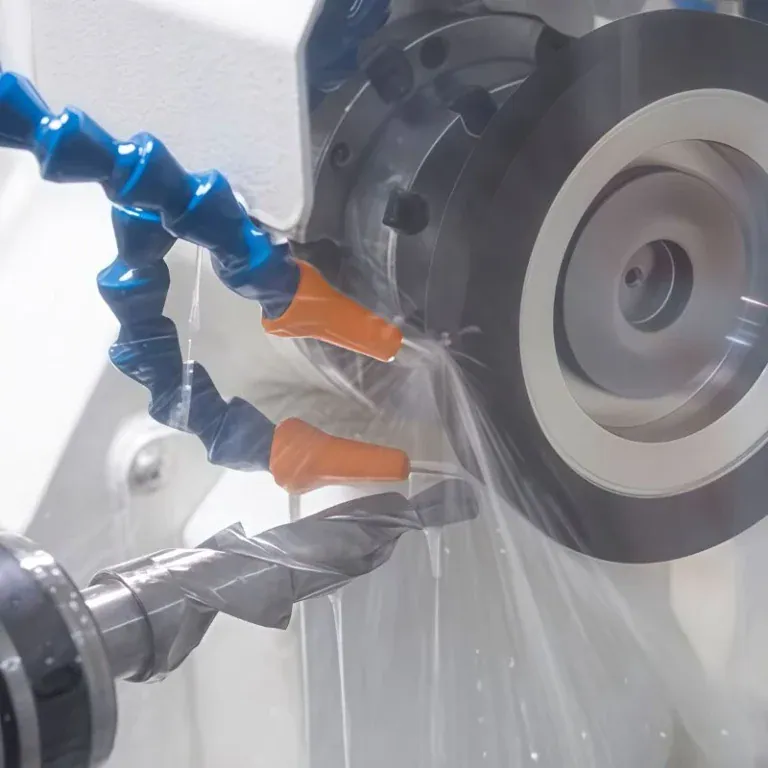
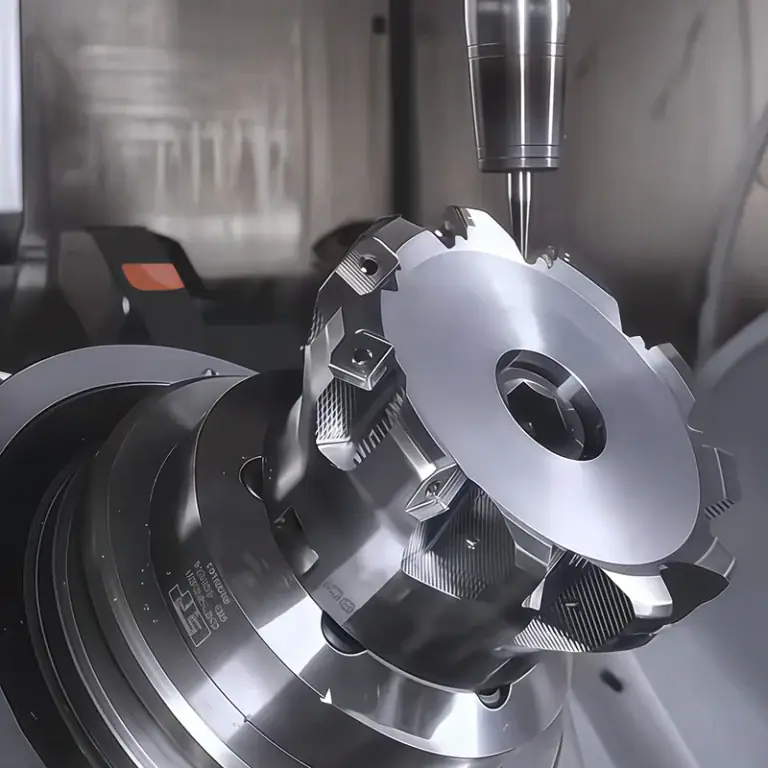
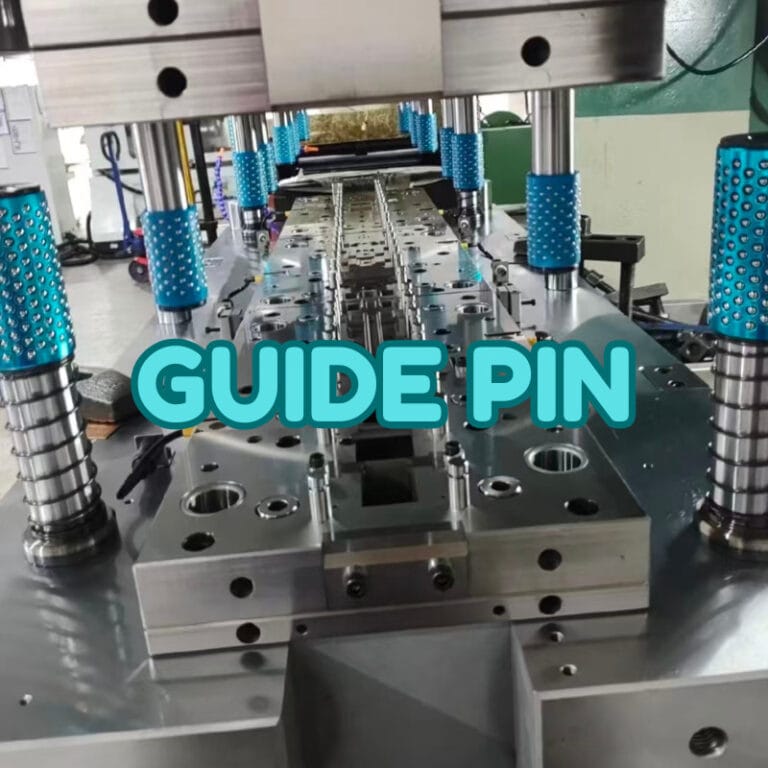
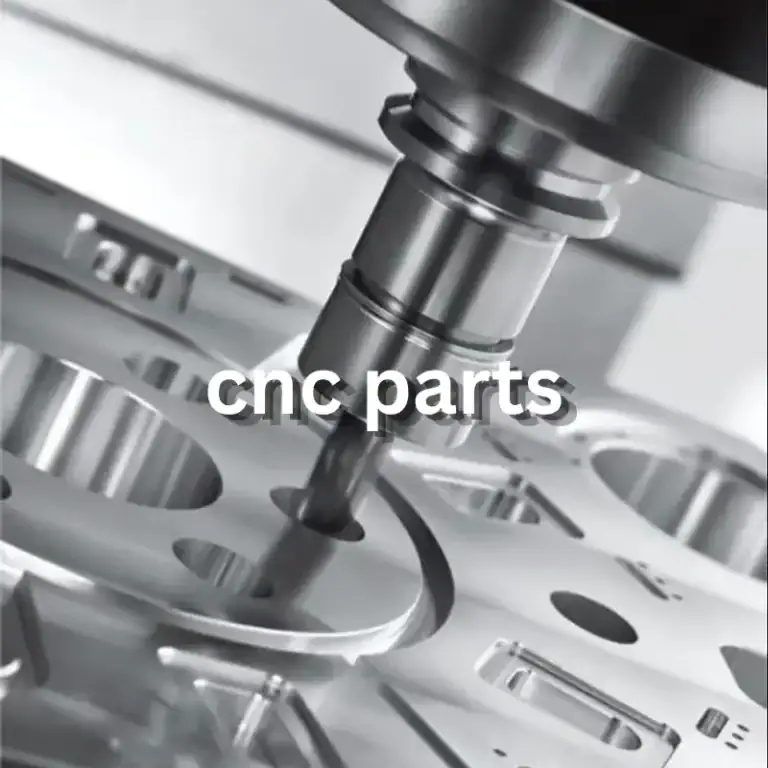
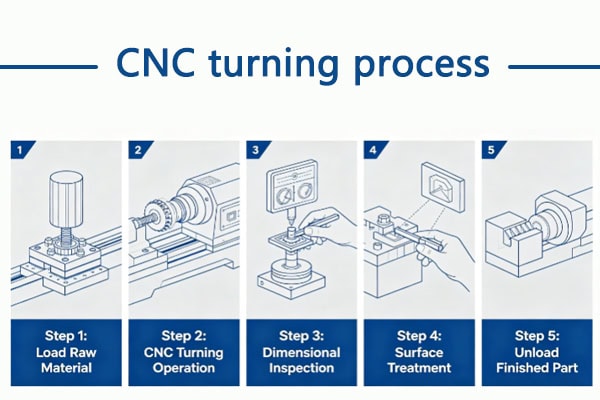
CNC turning is a widely used precision manufacturing method in modern engineering. It uses computer numerical control systems to manage tool paths, spindle rotation, and feed movement, enabling highly accurate machining of rotating workpieces. The entire process involves not only machine operation but also process planning, program creation, machine setup, and quality inspection. Each stage is closely connected, and any deviation may affect final dimensional accuracy and surface quality. A standardized workflow ensures consistency and stability in mass production.
Process Planning and Technical Preparation Before Machining
Before CNC machining begins, a complete process plan and technical preparation must be established. This stage plays a foundational role in the entire manufacturing workflow. Workpiece geometry, material properties, and machining requirements are translated into a structured process plan, which guides programming and machine operation. The more detailed the preparation, the more stable the machining process and the higher the production efficiency.
Drawing Analysis and Structural Evaluation
Drawing analysis involves systematically breaking down the part design, focusing on dimensional tolerances, geometric accuracy, and structural complexity. For parts with deep holes, thin walls, or multi-step geometries, machining feasibility must be evaluated in advance. Potential tool interference, fixture limitations, and deformation risks are also assessed to determine a reliable machining strategy.
- Identify critical dimensions and tolerance requirements
- Analyze complex geometries and machining difficulties
- Evaluate tool accessibility
- Assess fixture stability
- Define preliminary machining sequence
- Predict possible deformation risks
After drawing analysis is completed, a clear machining direction is established, reducing unnecessary adjustments during later stages and improving overall process stability.
Material Selection and Blank Design
Material selection and blank design directly influence machining efficiency and final product quality. Different materials vary in hardness, toughness, and machinability, which affects cutting behavior and tool life. At the same time, blank size must be carefully designed to balance machining allowance and material utilization.
- Confirm material grade and performance requirements
- Analyze cutting characteristics of the material
- Define appropriate machining allowance
- Control material cost
- Evaluate heat treatment conditions
- Improve material utilization efficiency
Proper material and blank planning reduce uncertainties during machining and ensure a smoother production rhythm while improving overall economic efficiency.
Fixture and Tool Preparation
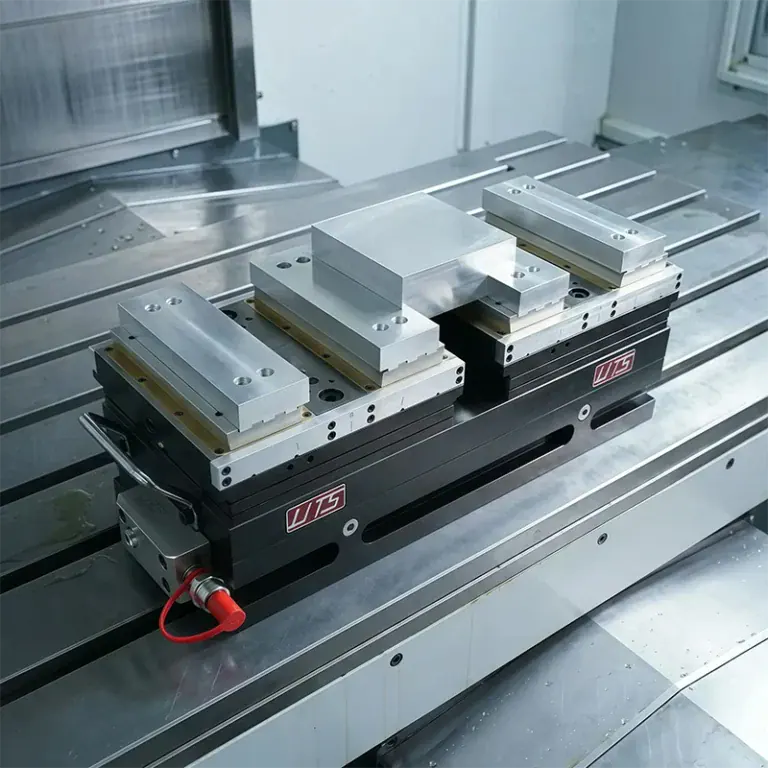
Fixtures and tools play a critical role in maintaining machining stability and cutting accuracy in CNC turning. The fixture must hold the workpiece securely during high-speed rotation, while cutting tools must be selected according to machining stages to balance efficiency and surface quality.
- Design high-rigidity fixture structures
- Ensure repeat positioning accuracy
- Select roughing and finishing tools
- Configure tool compensation parameters
- Inspect tool wear conditions
- Control vibration risks
After completing fixture and tool preparation, machining stability improves significantly, reducing errors caused by clamping or tool issues.
CNC Programming and Machine Setup Stage
This stage converts process planning into machine-executable code and includes machine parameter configuration and path verification. Program quality and setup accuracy directly influence machining efficiency and safety, making this a critical link between design and production.
CNC Program Creation
CNC programming defines tool paths, cutting parameters, feed rates, and tool change logic based on part geometry. A well-designed program ensures not only correct execution but also efficient and stable machining performance.
- Establish machining coordinate system
- Write tool movement paths
- Define cutting parameters
- Plan tool change sequences
- Optimize machining cycle time
- Improve operational stability
Once programming is completed, machining becomes standardized and controllable, improving production efficiency and reducing human error.
Program Simulation and Collision Detection
Before actual machining, simulation is used to verify tool paths and detect possible collisions or programming errors. This step helps identify risks early and prevents equipment damage or production loss.
- Simulate tool movement paths
- Check fixture interference
- Validate machining sequence
- Estimate machining time
- Optimize motion paths
- Improve trial production success rate
Simulation significantly improves machining safety and reduces uncertainty during initial production runs.
Machine Parameter and System Setup
Machine setup ensures that the CNC program executes correctly by configuring coordinate systems, tool offsets, and spindle parameters. Accurate settings are essential for achieving consistent machining results.
- Set workpiece zero point
- Configure tool offset values
- Adjust spindle speed
- Set feed rate parameters
- Check cooling system status
- Calibrate measurement systems
Proper system configuration ensures stable and accurate machining operations.
CNC Turning Machining Process Control
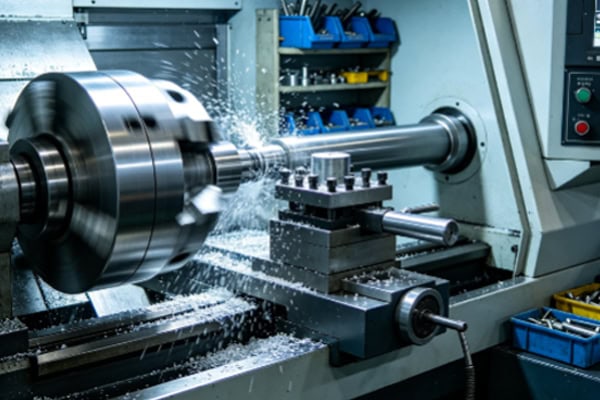
The machining execution stage is the core of the entire workflow. It requires staged control based on material properties and part geometry to achieve a balance between efficiency and precision.
Roughing Stage
The roughing stage focuses on removing excess material quickly to form the basic shape of the workpiece. Efficiency and material removal rate are prioritized while maintaining machine stability.
- Rapid material removal
- Controlled cutting load
- High machining efficiency
- Formation of basic geometry
- Reduced load for later stages
- Maintained structural stability
After roughing, a stable foundation is created for subsequent machining steps, ensuring smoother processing.
Semi-Finishing Stage
Semi-finishing corrects dimensional deviations from roughing and brings the part closer to final geometry while improving surface condition. It also reduces the workload for finishing operations.
- Correct dimensional errors
- Improve surface condition
- Enhance contour accuracy
- Reduce finishing load
- Control thermal deformation
- Improve dimensional consistency
This stage provides a stable transition between roughing and finishing operations.
Finishing Stage
Finishing determines final dimensional accuracy and surface quality. It requires strict control of tool condition, cutting parameters, and machine stability.
- Achieve final dimensional requirements
- Improve surface finish quality
- Control geometric tolerances
- Ensure batch consistency
- Reduce machining defects
- Meet technical specifications
Finishing defines the final quality level of the product and is the most critical machining stage.
Inspection and Quality Control Process After Machining
After machining, parts must be systematically inspected to ensure compliance with design requirements and technical standards. Quality control includes dimensional measurement, surface evaluation, and data recording for traceability. A structured quality system enables continuous process improvement and stable production output.
Dimensional Accuracy Inspection
Dimensional inspection verifies critical dimensions using measuring tools or testing equipment to ensure product compliance with design requirements.
- Check outer diameter
- Measure length and position
- Verify hole diameter accuracy
- Compare tolerance ranges
- Record inspection data
- Confirm batch consistency
Complete dimensional inspection effectively guarantees product compliance with standards.
Surface Quality and Defect Inspection
Surface quality is a crucial indicator of the machining level of CNC-machined parts. It not only affects the product’s appearance but also its wear resistance, sealing performance, assembly accuracy, and service life. For precision mechanical parts, medical device components, and automated equipment assemblies, surface condition often directly determines whether the product meets practical application requirements. The inspection process requires a comprehensive check of surface roughness, machining marks, scratches, indentations, burrs, and localized defects to ensure that parts meet dimensional standards while possessing excellent surface quality.
Quality Records and Traceability Management
Quality records store machining and inspection data for full process traceability. This supports continuous improvement and long-term production stability.
- Record machining parameters
- Store inspection results
- Build traceability system
- Analyze quality variations
- Optimize process parameters
- Improve production stability
A complete data system strengthens long-term manufacturing capability.
Finished Product Handling and Delivery Process
After machining, parts must undergo cleaning, protection, and packaging to ensure safe delivery and proper surface condition during transportation and storage. Residual cutting fluids, chips, and burrs must be removed to avoid affecting assembly or performance.
Cleaning and Deburring Process
Machined parts often contain residual coolant, chips, and small burrs that must be removed before delivery.
- Remove machining residues
- Eliminate burrs
- Clean oil and coolant
- Improve appearance quality
- Reduce assembly risks
- Ensure safe usage
Proper cleaning significantly improves overall product quality.
Anti-Rust and Packaging Protection
Metal components require protective measures during storage and transport to prevent corrosion and mechanical damage.
- Apply anti-rust coating
- Use shock-resistant packaging
- Prevent transport damage
- Maintain surface condition
- Extend storage life
- Improve delivery reliability
Proper packaging ensures safe delivery to customers.
Delivery and Technical Support
After the product is packaged and passes final inspection, it will enter the delivery phase. In addition to shipping on time, the manufacturer also needs to provide corresponding technical support services, including product information, test reports, and usage suggestions. Timely communication and response can help resolve practical needs and improve the cooperation experience when customers encounter problems during installation, commissioning, or use.
- On-time product delivery
- Provide inspection reports
- Offer technical consultation
- Handle customer feedback
- Establish long-term cooperation
- Improve customer satisfaction
A complete delivery and support system ensures reliable product usage and strengthens long-term business relationships.