In turning operations, cutting depth directly affects machining efficiency, surface quality, and tool life. During lathe machining, problems such as chatter, dimensional errors, rapid tool wear, and rough surfaces are often related to improper cutting depth settings. Different materials, cutting tools, and machining stages require different cutting depth values. Reasonable parameter adjustment can improve machining stability while reducing production costs.
What Is Turning Cutting Depth?
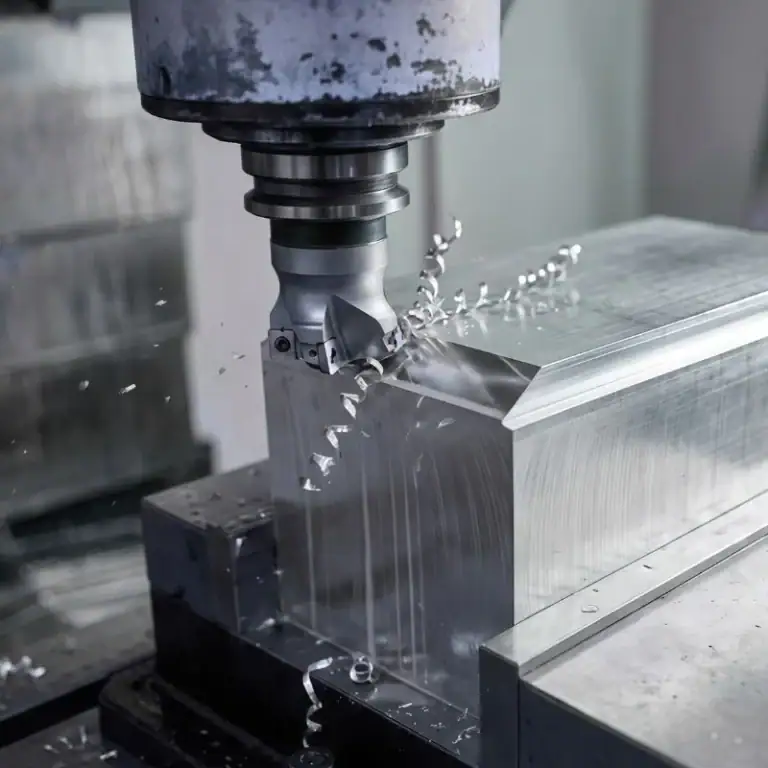
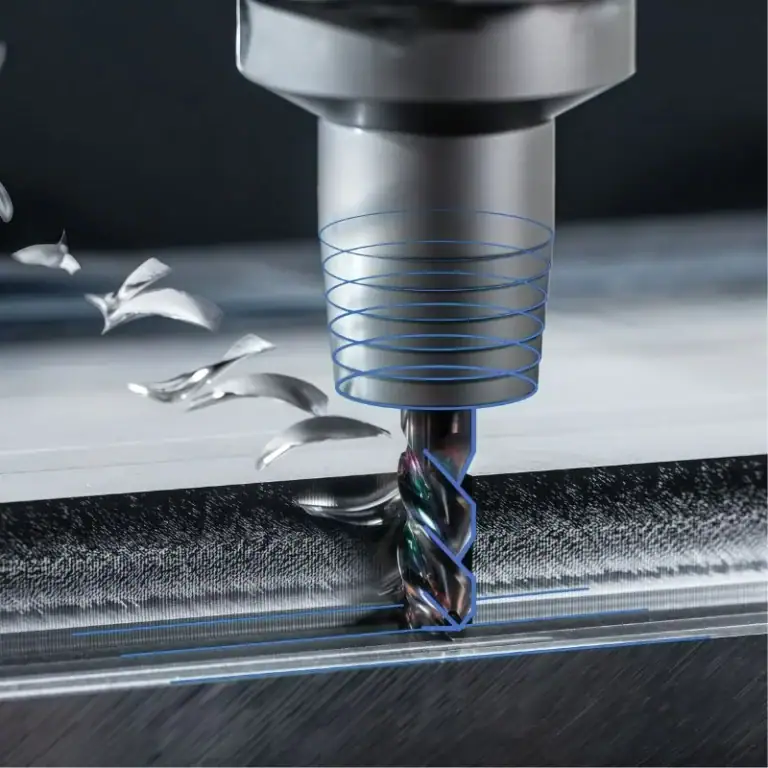
Turning cutting depth usually refers to the thickness of material removed by the cutting tool in a single pass. It is also known as the depth of cut.
The calculation method is relatively simple:
- Cutting depth = (Original diameter − Final diameter) ÷ 2
- A larger value removes more material in one pass
- A smaller value provides finer machining results
For example, if the original workpiece diameter is 60 mm and the final diameter is 56 mm, the cutting depth is 2 mm.
Cutting depth is not always better when larger. Excessive cutting depth increases machine load and can easily cause vibration or tool breakage. If the cutting depth is too small, machining efficiency decreases and friction cutting may occur, affecting surface finish.
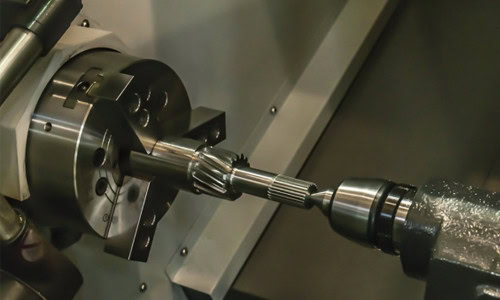
How to Choose Cutting Depth for Roughing and Finishing
Rough machining and finish machining use very different parameters because their processing goals are completely different.
Rough Machining Cutting Depth
The main purpose of rough turning is to remove material quickly, so a larger cutting depth is usually selected.
Common ranges include:
- Mild steel: 2 mm–5 mm
- Cast iron: 3 mm–8 mm
- Aluminum alloy: 2 mm–6 mm
During rough machining, larger cutting depth improves productivity. However, if the machine rigidity is insufficient or the workpiece is not clamped securely, the parameter should be reduced.
Rough turning is usually combined with a larger feed rate to improve overall machining efficiency.
Finish Machining Cutting Depth
Finish machining focuses more on dimensional accuracy and surface quality, so the cutting depth is generally much smaller.
Common ranges include:
- Standard finish turning: 0.2 mm–0.5 mm
- High-precision parts: 0.05 mm–0.2 mm
- Mirror finishing: smaller depth with high-speed cutting
If the cutting depth is too large during finishing, tool marks and dimensional inaccuracies may appear, reducing surface quality.
Many CNC lathes also include a semi-finishing stage to correct dimensional errors left after rough machining and improve stability during final machining.
Cutting Depth Selection for Different Materials
Different materials have different hardness levels, so the cutting depth should be adjusted accordingly.
Carbon Steel and 45 Steel
Common carbon steel has good machinability and can use medium to large cutting depths.
Typical settings:
- Rough turning: 2 mm–4 mm
- Finish turning: 0.2 mm–0.5 mm
45 steel is widely used in mechanical processing. With proper cutting tools, most machines can process it efficiently.
Stainless Steel Machining
Stainless steel is prone to built-up edge and work hardening.
When machining stainless steel:
- Cutting depth should not be too small
- Repeated rubbing between the tool and workpiece should be avoided
- Stable continuous cutting should be maintained
Many experienced machinists prefer slightly deeper and faster cutting parameters for stainless steel machining.
Aluminum Alloy Machining
Aluminum has low cutting resistance and supports larger cutting depths and higher spindle speeds.
Its machining characteristics include:
- Easy chip removal
- High machining efficiency
- Better surface finish
In some aluminum roughing operations, cutting depth may exceed 5 mm.
High-Hardness Materials
Hardened steel and high-hardness alloys place higher demands on cutting tools.
Machining recommendations include:
- Reduce cutting depth
- Lower the feed rate
- Control cutting heat
For many hardened parts, the finish turning depth may only be around 0.1 mm.
Key Factors Affecting Cutting Depth
Cutting depth is not a fixed value. It should be adjusted according to actual machining conditions.
Machine Rigidity
Large CNC lathes usually have strong rigidity and can withstand heavier cutting loads. Small lathes or worn machines are less suitable for heavy cutting because vibration can occur easily.
Tool Type
Different tools can handle different cutting capacities.
For example:
- Carbide inserts are suitable for heavy cutting
- High-speed steel tools are better for lighter cuts
- CBN tools are suitable for hardened materials
Larger tool nose radii generally support deeper cutting.
Workpiece Clamping Condition
Long and slender shafts can easily vibrate if clamping stability is poor.
In this situation:
- Cutting depth should be reduced
- Feed rate should be lowered
- Tailstocks or steady rests may be required
Otherwise, taper and surface waviness may appear.
Chip Removal and Cooling
As cutting depth increases, chip volume also increases.
Poor chip evacuation may cause:
- Chip entanglement
- Surface scratches
- Rapid tool temperature rise
Using coolant properly can significantly improve machining stability.
Common Problems in Cutting Depth Settings
Many machining failures are directly related to improper cutting depth selection.
When the cutting depth is too large:
- Spindle load increases
- Chatter becomes more likely
- Tool breakage risk rises
- Surface quality decreases
When the cutting depth is too small:
- Machining efficiency becomes very low
- Friction cutting may occur
- Stainless steel may harden
- Surface smearing may appear
Another common issue is poor parameter matching. Cutting depth, spindle speed, and feed rate must work together. Adjusting only one parameter may lead to unstable machining conditions.