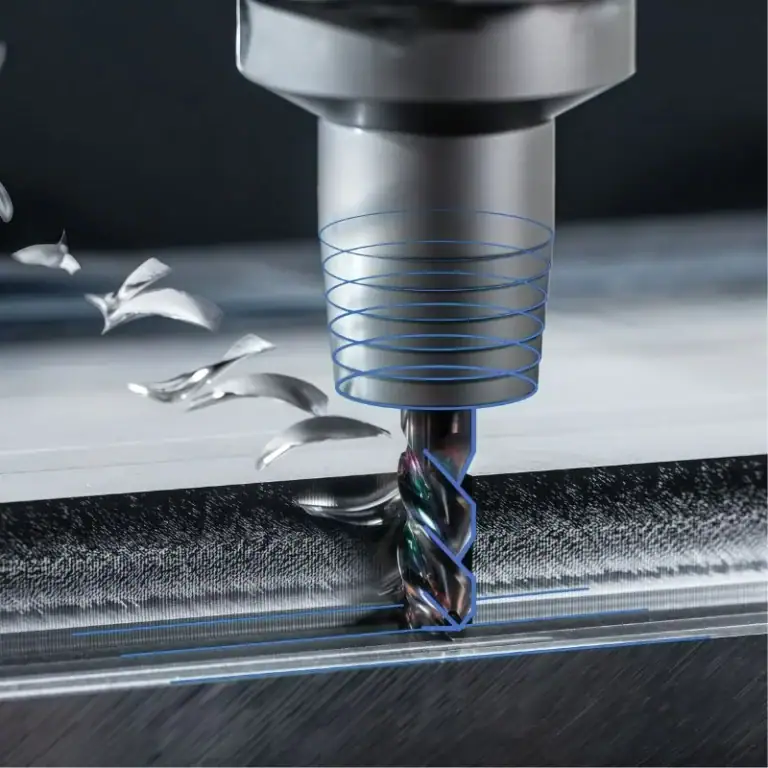
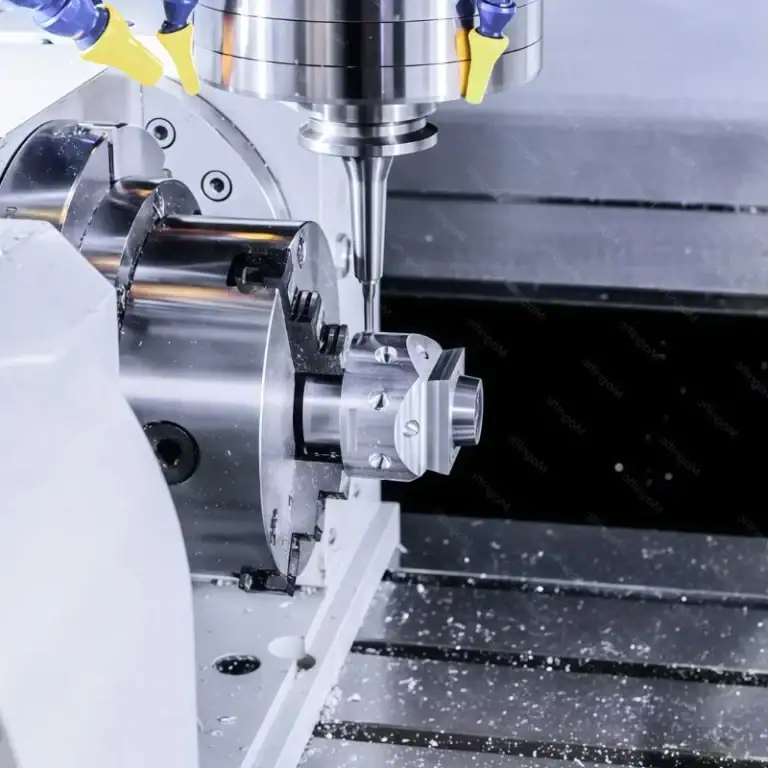
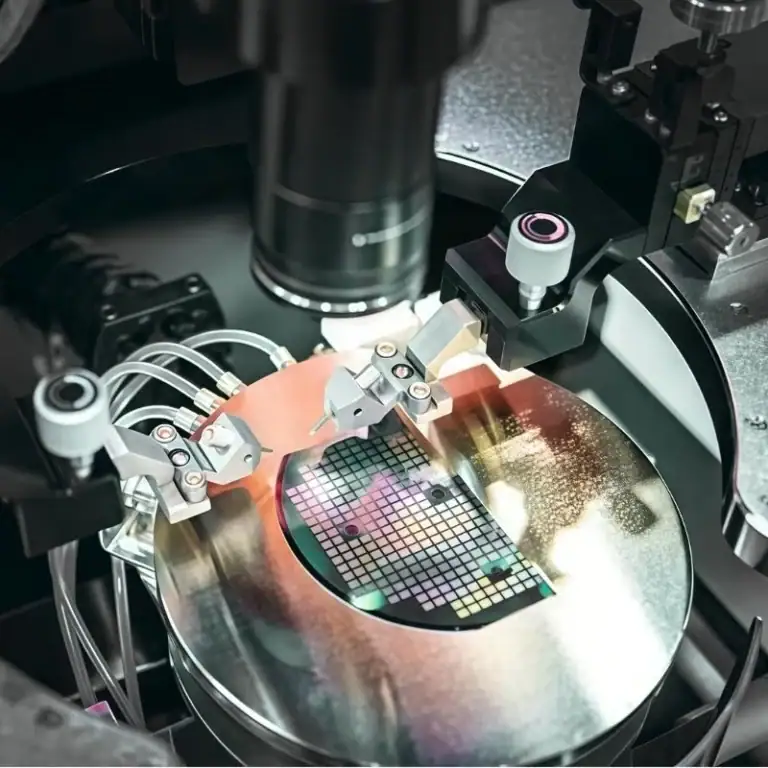
In modern manufacturing systems, engineering plastic parts are widely used in electronics, automotive structural components, medical devices, and automation machinery. Compared with metal materials, engineering plastics offer advantages such as lightweight properties, electrical insulation, and corrosion resistance. However, during machining, they are more prone to issues such as thermal deformation, dimensional shrinkage, edge melting, and stress cracking. In high-precision assembly applications, these problems become even more pronounced. Therefore, selecting the appropriate processing method and implementing proper process control are critical for achieving stable and high-quality output. Precision machining technology in engineering plastics not only focuses on forming capability but also on dimensional stability and batch consistency control.
CNC Machining in Engineering Plastics
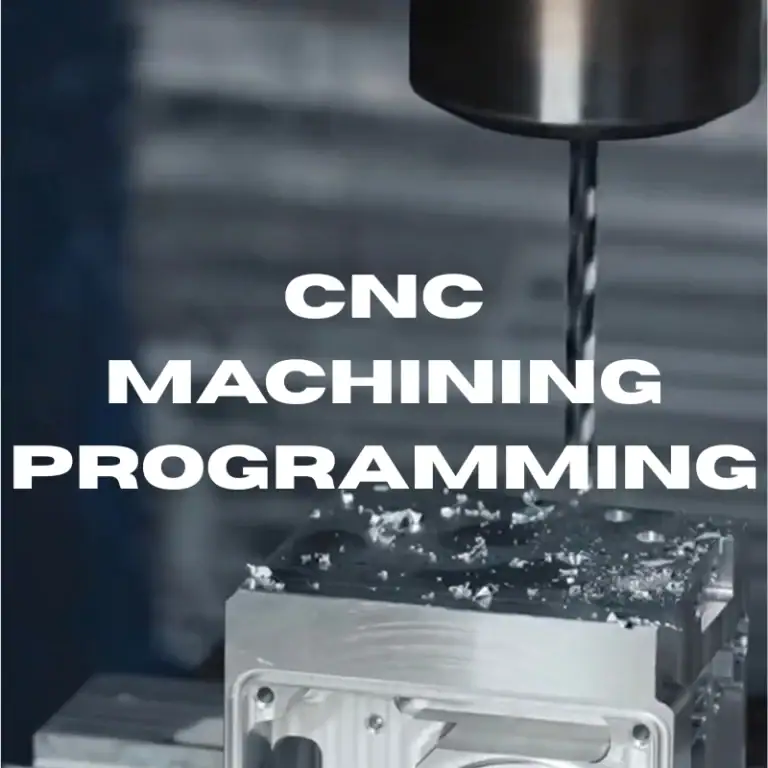
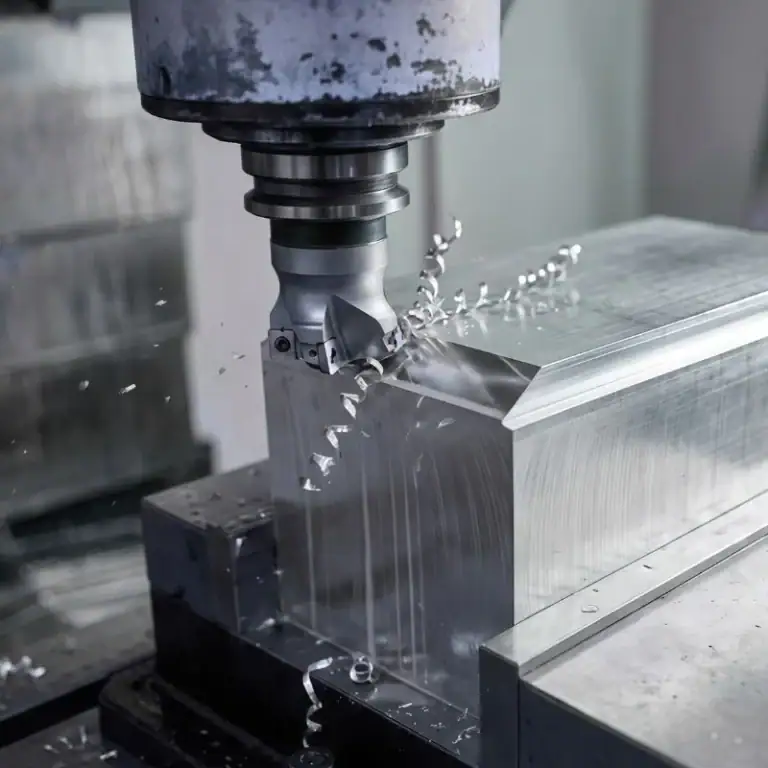
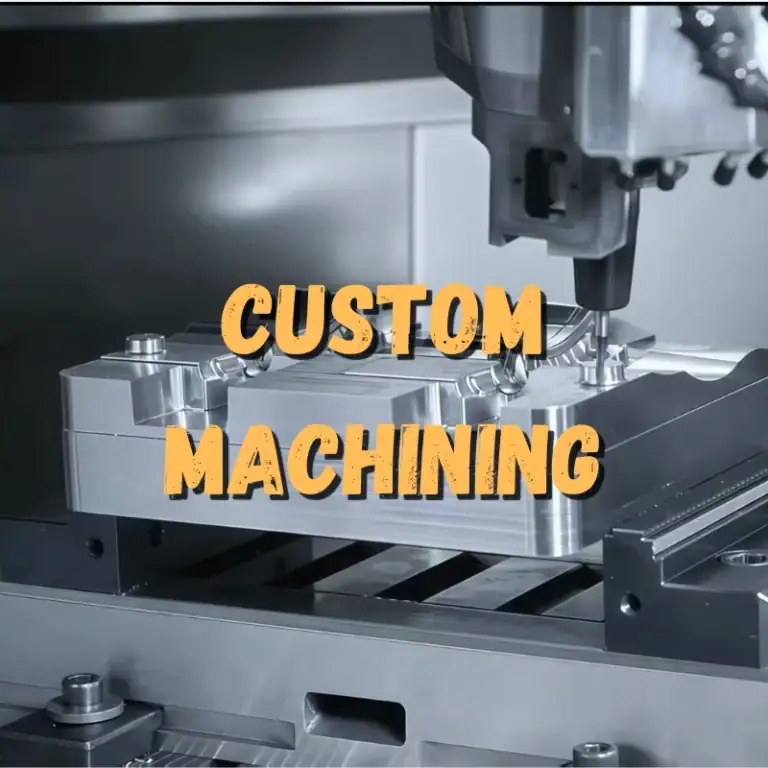
CNC machining is one of the most widely used high-precision methods for engineering plastic parts, especially suitable for small-batch, multi-variety, and complex-structure components. Since it is controlled by programmed instructions, it effectively reduces human error and ensures a more stable and controllable machining process. For parts requiring high dimensional accuracy, CNC machining can achieve strong repeatability and consistency while maintaining good surface quality. However, due to material characteristics, process optimization is still required to avoid issues such as thermal deformation or edge melting.
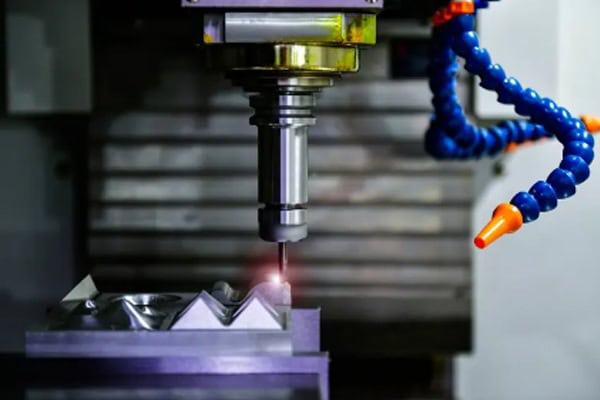
High-Precision Cutting and Forming
CNC cutting removes material layer by layer to achieve high-precision shaping of complex structures.
- Suitable for POM, PTFE, PEEK engineering plastics
- Achieves micron-level dimensional control
- Ideal for complex geometries
- Stable and controllable machining process
This is one of the most commonly used methods for precision parts.
Controlling Thermal Deformation
Engineering plastics have low thermal conductivity and are prone to localized heat deformation during cutting.
- Use low-speed, high-feed machining strategies
- Use sharp tools to reduce friction heat
- Select appropriate cutting depth
- Apply air cooling or cooling control
Temperature control is essential for dimensional stability.
Multi-Axis Complex Structure Machining
For complex surfaces or internal structures, multi-axis CNC machining significantly improves capability.
- 5-axis machining reduces clamping times
- Enhances complex geometry processing ability
- Reduces repositioning errors
- Improves overall efficiency
Complex parts require higher machine capability.
Injection Molding Process
Injection molding is the most common method for mass production of engineering plastic parts, suitable for standardized, high-volume manufacturing. Its main advantage is high efficiency and low unit cost, but it requires strict control of mold design and process parameters. Since the process involves melting and rapid cooling, any deviation in temperature or mold precision directly affects product quality. Therefore, comprehensive control of mold design, processing parameters, and material shrinkage behavior is essential.
High-Efficiency Mass Production
Injection molding produces large quantities of parts in a single cycle, ideal for large-scale manufacturing.
- Suitable for mass production of standard parts
- Low per-unit cost
- Extremely high production efficiency
- Ideal for long-term stable orders
Widely used in consumer electronics and industrial components.
Mold Accuracy Determines Product Quality
The precision of injection-molded parts heavily depends on mold quality.
- High-precision CNC machining is required for molds
- Cavity dimensions determine final accuracy
- Surface polishing affects appearance quality
- Mold lifespan affects production stability
The mold is the core of injection molding.
Material Shrinkage Control
Engineering plastics shrink during cooling, requiring compensation in design.
- Shrinkage rates vary by material
- Mold design must include compensation allowance
- Cooling rate affects dimensional stability
- Temperature must be strictly controlled
Shrinkage control directly affects final accuracy.
Laser and Thermal Processing Methods
Some engineering plastics can be processed using laser or thermal methods, especially suitable for thin-walled parts, flexible structures, or rapid cutting applications. These methods are generally non-contact or low-contact processes, reducing mechanical stress on the material. However, energy input must be carefully controlled to avoid melting, carbonization, or performance degradation.
Laser Cutting for High-Precision Profiles
Laser processing is suitable for high-precision cutting of thin plastic sheets.
- Fast cutting speed and high accuracy
- Non-contact processing reduces deformation
- Suitable for thin materials
- Clean edge quality
Commonly used in electronics and precision parts.
Thermal Forming and Bending
Some thermoplastics can be reshaped by heating.
- Suitable for simple bent structures
- Temperature must be precisely controlled
- Cooling determines final shape
- Used for low-to-medium precision parts
Often used for structural components.
Preventing Material Degradation
Improper thermal processing can degrade material properties.
- Control heating time and temperature
- Avoid localized overheating
- Prevent discoloration or embrittlement
- Select appropriate heat-resistant materials
Thermal stability determines product lifespan.
Post-Processing and Finishing Methods
After machining, engineering plastic parts often require post-processing to improve dimensional accuracy, surface quality, and assembly performance. Since plastics can easily develop burrs, internal stress, or slight deformation during machining, post-processing is not only cosmetic but also essential for ensuring final functionality.
Deburring and Surface Finishing
Plastic machining often produces burrs that must be carefully removed.
- Manual or mechanical deburring
- Avoid surface scratches
- Improve assembly accuracy
- Enhance appearance quality
Detail quality affects overall performance.
Polishing and Surface Improvement
High-end parts may require improved surface finish and friction performance.
- Mechanical or chemical polishing
- Improve surface smoothness
- Reduce friction coefficient
- Enhance assembly performance
Surface quality affects user experience.
Dimensional Inspection and Quality Control
Precision plastic parts require strict inspection.
- Use calipers and CMM measurement
- Control dimensional tolerances
- Check deformation and warping
- Ensure batch consistency
Inspection is key to quality assurance.
Engineering plastic machining methods are diverse, and each process has its own application scope and technical focus. From CNC precision machining and injection molding to laser and thermal processing, as well as post-finishing operations, selecting the proper method based on material properties and application requirements is essential for achieving both efficiency and quality. Tirapid specializes in precision machining and engineering plastic component manufacturing, providing stable and reliable turnkey solutions.