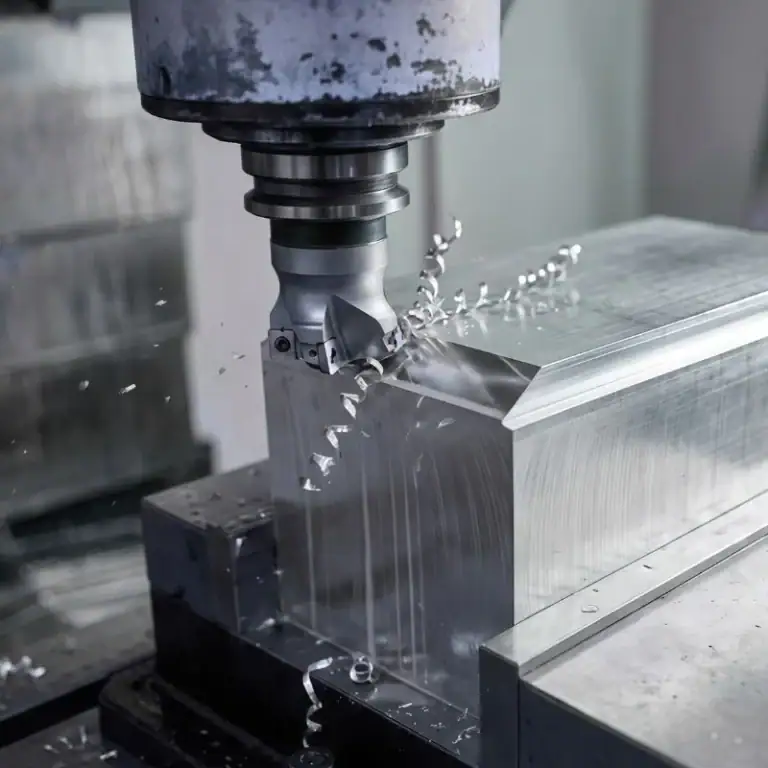
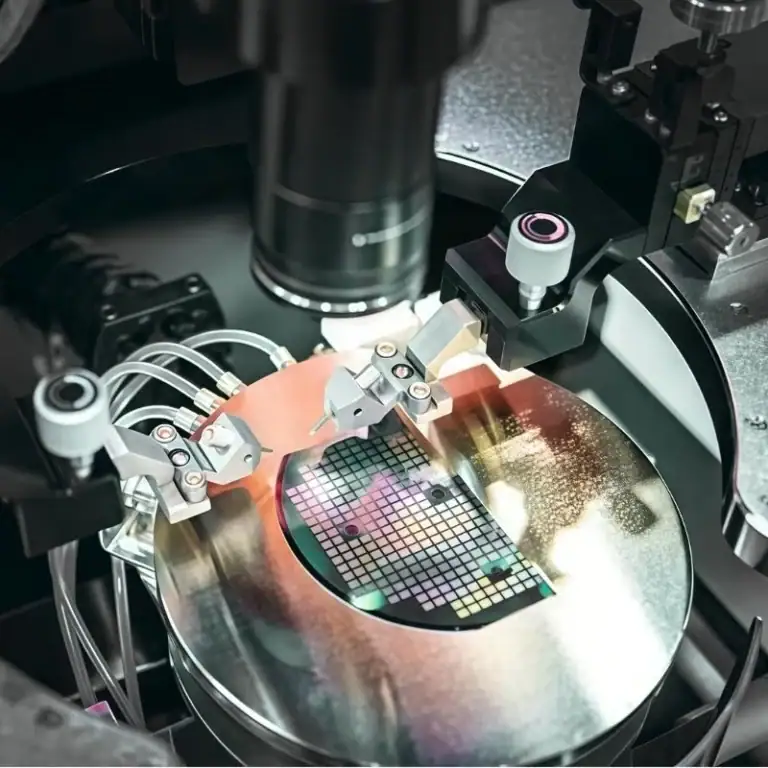
Stainless steel is one of the most widely used engineering materials in modern manufacturing. Thanks to its excellent corrosion resistance, high mechanical strength, wear resistance, and attractive surface appearance, it is extensively used in medical devices, food processing equipment, automotive components, aerospace parts, marine engineering, industrial machinery, and precision instruments. As manufacturing standards continue to rise, customers demand increasingly higher dimensional accuracy, surface finish, and consistency for stainless steel components. CNC turning has become one of the most efficient methods for producing these precision parts.
Compared with aluminum or carbon steel, stainless steel is considerably more difficult to machine. Its relatively low thermal conductivity, high cutting resistance, strong work-hardening tendency, and high cutting temperatures place greater demands on CNC machines, cutting tools, and machining strategies. Manufacturers must optimize cutting parameters, select appropriate tooling, and implement efficient cooling methods to achieve stable machining performance. A well-designed stainless steel CNC turning process not only improves machining quality but also extends tool life, reduces production costs, and increases manufacturing efficiency.
The Material Properties of Stainless Steel Directly Influence Machining Performance
Understanding the characteristics of stainless steel is essential before beginning CNC turning. Different stainless steel grades possess different hardness levels, tensile strength, corrosion resistance, and machinability. During machining, these material properties directly affect cutting forces, chip formation, surface finish, and tool wear. Engineers who understand these characteristics can develop more efficient machining strategies, reduce production risks, and improve product consistency throughout mass production.
Significant Work Hardening During Machining
One of the most distinctive characteristics of stainless steel is its tendency to work harden during cutting. As the cutting tool removes material, the surface layer rapidly becomes harder than the original material. This hardened layer increases cutting resistance during subsequent passes, accelerates tool wear, and may reduce machining stability if cutting conditions are not properly controlled. Selecting appropriate cutting parameters and maintaining continuous cutting action are essential for minimizing work hardening and achieving stable production.
- Increased cutting resistance
- Faster tool wear
- Reduced machining stability
- Poorer surface finish
- Greater vibration risk
- Reduced dimensional accuracy
Proper cutting strategies effectively minimize work hardening while maintaining excellent machining quality, longer tool life, and stable production efficiency.
Poor Thermal Conductivity Causes Heat Concentration
Stainless steel transfers heat much more slowly than many other engineering materials. During CNC turning, most of the generated heat remains concentrated around the cutting edge instead of dissipating into the workpiece or chips. Excessive temperatures can shorten tool life, discolor machined surfaces, and even affect dimensional accuracy. Efficient cooling and lubrication are therefore essential for maintaining stable machining conditions.
- High cutting temperatures
- Shortened tool life
- Increased thermal deformation
- Reduced surface quality
- Greater cooling requirements
- Higher machining risks
An efficient cooling system significantly improves machining stability while protecting both cutting tools and workpiece quality.
CNC Turning Stainless Steel Requires High-Performance Cutting Tools
Because stainless steel combines high strength with strong material adhesion, cutting tools must deliver excellent wear resistance, toughness, and heat resistance. Proper tool selection greatly influences machining efficiency, product quality, and manufacturing costs.
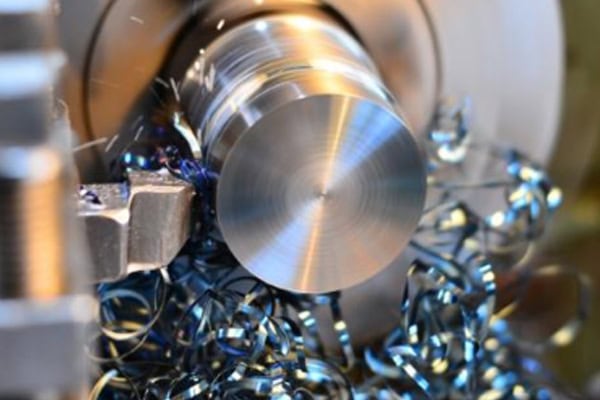
High-Performance Carbide Cutting Tools Are Recommended
Most stainless steel turning operations utilize premium carbide inserts or advanced coated carbide tools. These cutting tools maintain sharp cutting edges under high temperatures while resisting wear and chipping during long production runs. Proper tooling significantly improves machining stability and extends service life.
- Improve wear resistance
- Increase impact resistance
- Enhance cutting stability
- Extend tool life
- Reduce tool replacement frequency
- Improve machining efficiency
Using premium cutting tools enables manufacturers to improve productivity while reducing overall tooling expenses.
Optimized Tool Geometry Reduces Cutting Forces
Cutting tool geometry—including rake angle, clearance angle, cutting-edge preparation, and nose radius—has a major impact on machining performance. Proper tool geometry lowers cutting resistance, improves chip evacuation, reduces built-up edge formation, and enhances overall surface quality.
- Reduce cutting forces
- Improve chip evacuation
- Minimize material adhesion
- Improve surface finish
- Lower cutting temperatures
- Increase machining stability
Optimized tool geometry helps manufacturers achieve better machining performance and consistent production quality.
Cutting Parameters Determine Machining Stability
Selecting appropriate machining parameters is one of the most important factors in stainless steel CNC turning. Proper cutting speeds, feed rates, and depths of cut help balance machining efficiency, tool life, and finished part quality.
Control Cutting Speed to Prevent Excessive Heat
Stainless steel generally performs better under moderate cutting speeds. Excessively high cutting speeds rapidly increase cutting temperatures, causing premature tool wear and unstable machining conditions. Selecting appropriate spindle speeds improves machining quality while extending cutting tool life.
- Control cutting temperature
- Extend tool life
- Reduce overheating
- Improve machining stability
- Maintain dimensional accuracy
- Lower manufacturing costs
Balanced cutting speeds maximize machining efficiency while protecting cutting tools and maintaining consistent quality.
Optimize Feed Rate and Depth of Cut
Feed rate and cutting depth should be adjusted according to roughing and finishing operations. Proper parameter optimization reduces cutting loads, improves dimensional consistency, and produces smoother machined surfaces.
- Control cutting loads
- Reduce vibration
- Improve machining efficiency
- Maintain dimensional stability
- Enhance surface finish
- Increase production consistency
Carefully balanced machining parameters contribute to higher productivity and more reliable manufacturing results.
Cooling and Lubrication Significantly Affect Machining Results
Stainless steel generates considerable heat during machining, making cooling and lubrication essential components of successful CNC turning. Efficient coolant delivery protects cutting tools while improving machining quality.
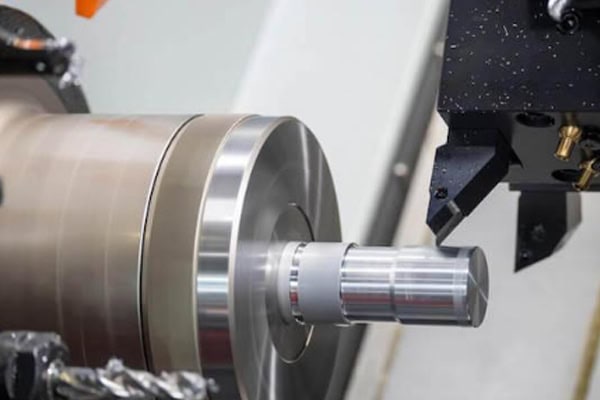
High-Pressure Coolant Improves Chip Removal
High-pressure coolant systems effectively remove heat from the cutting zone while flushing chips away from the cutting edge. Better chip evacuation reduces tool wear and prevents chip recutting, resulting in improved machining stability.
- Reduce cutting temperatures
- Improve chip evacuation
- Reduce tool wear
- Increase machining stability
- Extend tool life
- Improve surface finish
Modern high-pressure coolant systems have become standard equipment for precision stainless steel machining.
Select Suitable Cutting Fluids
Different cutting fluids offer varying levels of lubrication and cooling performance. Selecting fluids specifically designed for stainless steel machining reduces friction, minimizes built-up edge formation, improves machining quality, and extends both machine and tool life.
- Improve lubrication
- Enhance cooling performance
- Reduce material adhesion
- Improve machining quality
- Extend machine life
- Lower maintenance costs
Choosing the proper cutting fluid further enhances machining performance and production reliability.
Methods to Improve Stainless Steel CNC Turning Efficiency
Continuous process optimization enables manufacturers to improve machining quality while reducing production costs. Standardized machining procedures, advanced equipment, and intelligent manufacturing technologies all contribute to greater productivity.
Establish Standardized Machining Procedures
Developing standardized machining specifications and maintaining proven cutting parameter databases help manufacturers improve consistency during mass production while reducing setup time and production errors.
- Improve machining stability
- Reduce setup time
- Increase production efficiency
- Lower scrap rates
- Optimize production management
- Strengthen quality control
Standardized machining processes provide the foundation for consistent, high-quality stainless steel manufacturing.
Continuously Optimize Manufacturing Processes
As CNC machines, cutting tools, automation technologies, and intelligent manufacturing systems continue to advance, manufacturers should continuously analyze machining data, optimize cutting parameters, improve tooling strategies, and introduce automated loading systems and online inspection technologies. Ongoing process improvement enables companies to increase machining efficiency, reduce manufacturing costs, maintain excellent product consistency, and strengthen their competitiveness in the global precision machining industry.