In the modern manufacturing industry,CNC acrylic machining is now widely used in areas such as advertising displays,industrial parts,lighting housings,medical equipment,and high-end decoration.Compared with traditional manual cutting or basic mechanical processing,CNC machining offers higher precision,can produce more complex shapes,and ensures stable mass production.Therefore,more and more companies choose CNC machining for custom acrylic parts.Although acrylic itself has high transparency,is lightweight,aesthetically pleasing,and easy to process,it can still experience chipping,heat buildup,and tool marks during machining.As a result,successful CNC acrylic machining is not just about cutting sheets,but involves material selection,machining parameters,process planning,and post-processing.
What is CNC acrylic machining?
CNC acrylic machining refers to an automated manufacturing process that uses computer numerical control equipment to perform cutting,engraving,drilling,chamfering,milling,and shaping of acrylic sheets.Compared with manual processing,its main advantages are stable precision,high repeatability,and suitability for complex structures.Acrylic,also known as PMMA,has glass-like transparency but weighs about half as much as glass,making it a common alternative in many applications such as display cases,illuminated signs,protective covers,cosmetic stands,and electronic panels.
CNC machining expands the possibilities of acrylic.While laser cutting is fast,it may cause melted edges on thick materials.CNC machining provides better edge quality control and is suitable for thicker and more complex structural parts.In industrial applications,transparent components often require not only good appearance but also tight tolerances,assembly accuracy,and mechanical strength,making CNC acrylic machining particularly important.
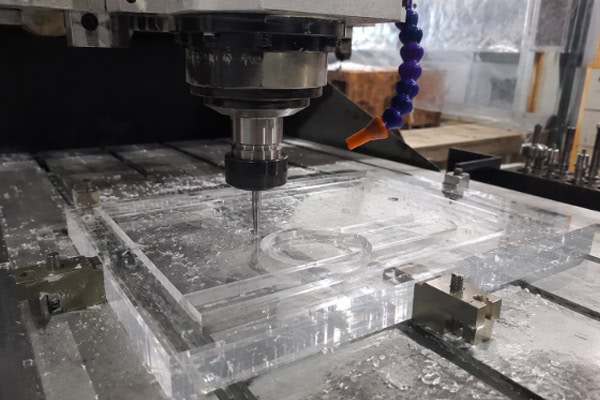
Main process of CNC acrylic machining
A complete CNC acrylic machining project involves several steps rather than direct cutting:
Drawing design and structure confirmation
Before machining,CAD or 3D drawings must be confirmed.These determine product dimensions and machining difficulty.Factors such as sharp corners,deep cavities,small holes,polishing requirements,and assembly tolerances must be considered.Many issues arise from design oversights,so manufacturability analysis is often performed in advance.
Material selection and cutting
Acrylic types include extruded,cast,high-transparency,frosted,and colored sheets.Cast acrylic is generally preferred for CNC machining due to lower internal stress and reduced cracking risk.Cutting is performed to match machine size and reduce waste.
CNC program setup and toolpath planning
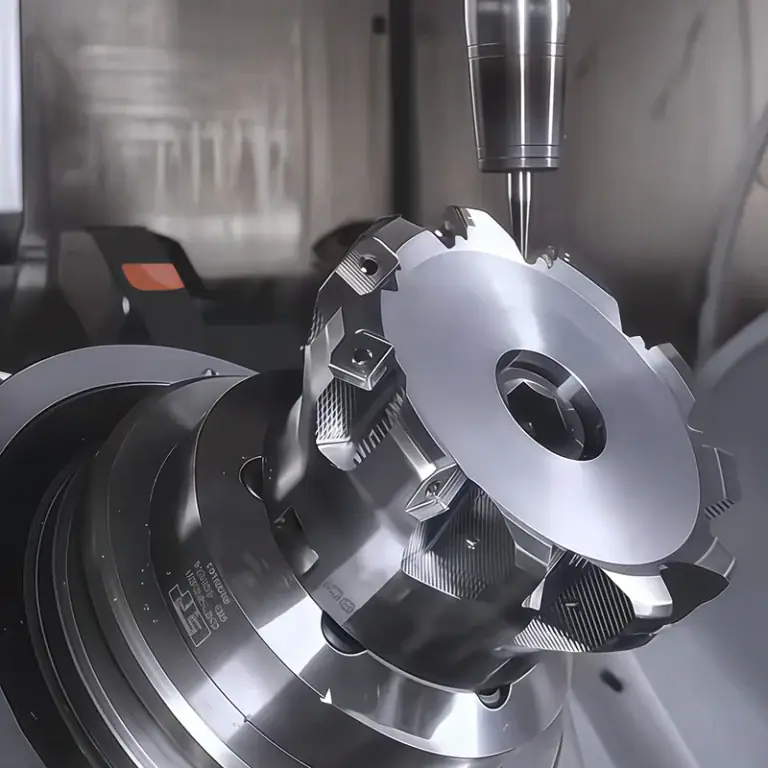
Programming is a core step.It includes toolpath planning,cutting depth,spindle speed,feed rate,and cutting strategy.Incorrect parameters may cause yellowing,melting,visible tool marks,cracks,or clouded surfaces.
Precision machining and fixing
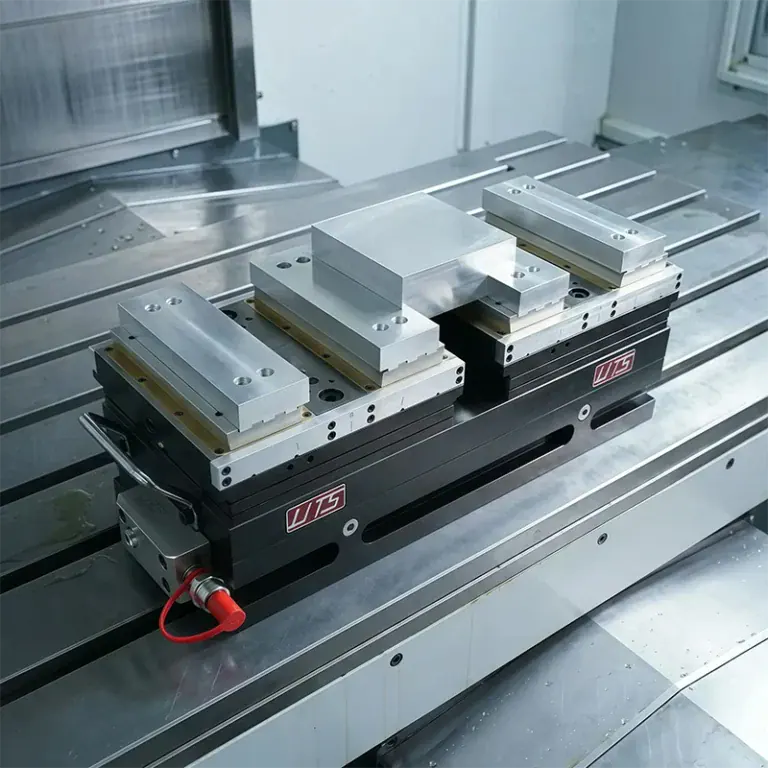
Since acrylic is relatively brittle,unstable fixing may cause vibration and edge cracking.Common methods include vacuum suction,double-sided tape,and pressure clamps.Clean environments are required to avoid surface contamination.
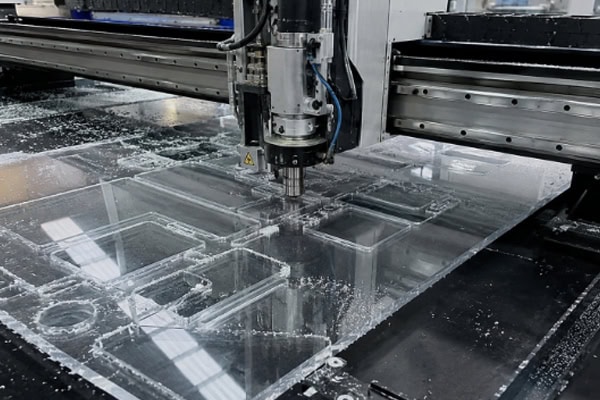
Technical details in acrylic machining
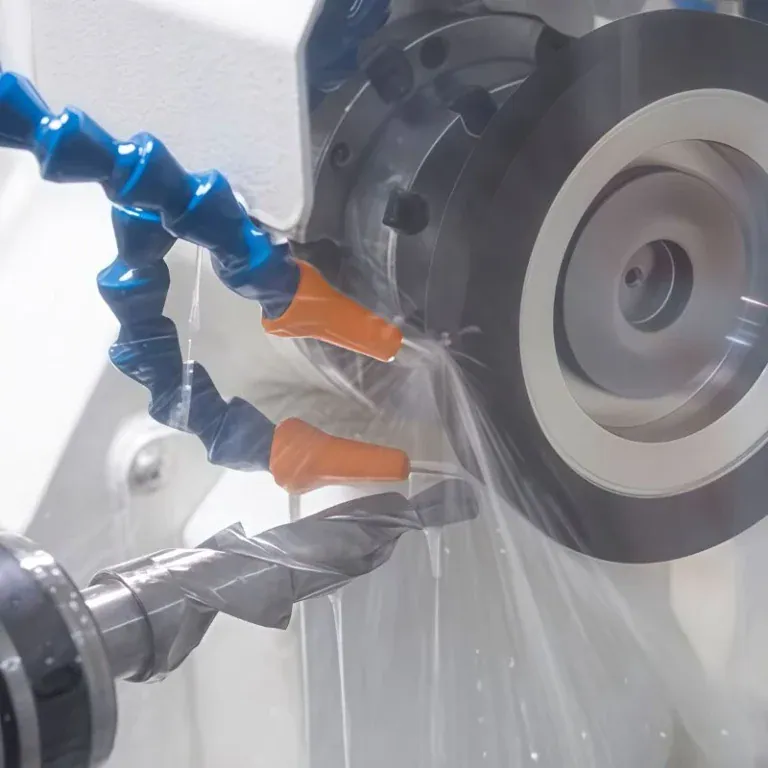
Although CNC machines operate automatically,machining quality depends heavily on details such as tool selection,speed,and feed rate.Special single-flute or double-flute plastic cutting tools are typically used to reduce heat buildup and improve chip removal.Poor chip evacuation can lead to melting,sticking,or whitening of edges.In contrast,standard metal tools may cause rough surfaces or chipping.
Speed and feed balance is critical:
-Too high speed may burn edges
-Too slow feed may melt material
-Too fast feed may cause cracking
Experienced technicians adjust parameters based on thickness,tool diameter,depth,and material type.Temperature control is also important,often using air cooling or minimal lubrication.Excess heat can cause whitening or yellowing of transparent edges.
Post-processing after CNC machining
After machining,acrylic parts usually require post-processing such as deburring,polishing,flame polishing,sanding,and cleaning.Without these steps,tool marks and surface haze may affect transparency and appearance.High-end products may also require mirror polishing,printing,sandblasting,bonding,or thermoforming to meet different requirements.
How to choose a professional CNC acrylic machining manufacturer?
When selecting a manufacturer,consider experience,equipment precision,ability to handle complex structures,sample speed,polishing quality,and post-processing capability.Low price does not always mean good value,as issues may arise in transparency,accuracy,and detail quality.Communication efficiency,delivery stability,and real project experience are also important factors.
Conclusion
CNC acrylic machining is a complete machining process that combines material properties, equipment precision, machining parameters, and post-processing techniques.As demand for transparent structural parts and precision components increases,quality requirements continue to rise.A well-designed process and an experienced manufacturer can significantly improve product quality,reduce rework,and lower overall production costs.