Micro turning technology is a precision machining method designed for extremely small components and tight tolerance requirements. It enables stable processing at micrometer-level accuracy while maintaining consistent surface quality and dimensional control. With the development of high-precision CNC systems, micro-scale cutting has become an important solution for industries requiring miniaturization and complex geometries.
The value of micro turning lies in its ability to produce miniature parts with high repeatability, especially in fields where traditional machining struggles to maintain accuracy or surface integrity. Its applications continue to expand across advanced manufacturing industries.
Overview of Micro Turning Capability and Industrial Value
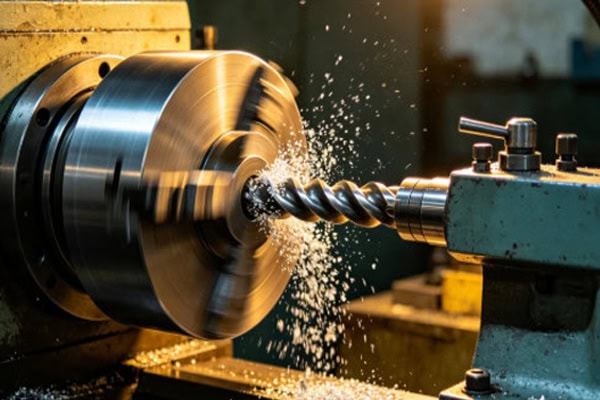
Micro turning is characterized by ultra-small cutting depths, high spindle precision, and strict control over vibration and thermal deformation. It is widely used when component size drops below conventional machining stability limits. The process requires specialized tooling, rigid machine structures, and controlled environmental conditions to ensure accuracy.
Compared with standard turning, micro turning focuses more on stability than material removal rate. Even slight vibration or tool wear can affect dimensional accuracy, making process control essential.
Key characteristics:
- Extremely small cutting depth and feed rate control
- High spindle rotational stability
- Tight tolerance capability at micrometer level
- High surface finish quality requirement
- Sensitive response to vibration and thermal variation
- Specialized micro-scale cutting tools
Micro turning enables stable precision manufacturing for extremely small and high-accuracy components.
Aerospace Precision Component Applications
Aerospace manufacturing requires components that can withstand extreme environments while maintaining strict dimensional accuracy. Micro turning is widely applied in this field due to its ability to process small but highly complex parts with consistent precision.
Turbine and Engine Micro Components
Micro turning is used to manufacture small turbine elements and engine-related precision parts that require high thermal resistance and geometric accuracy. These components often operate under high stress conditions, making surface integrity critical.
- Micro turbine shafts and connectors
- Fuel system miniature nozzles
- High-temperature resistant small fittings
- Precision rotating micro shafts
- Thin-walled structural components
- High-strength alloy micro parts
These components benefit from micro turning due to strict tolerance and high stress performance requirements.
Hydraulic and Fuel Delivery Systems
Hydraulic and fuel systems in aerospace equipment rely on extremely precise flow control. Micro turning ensures consistent internal geometry and smooth surface finish, reducing flow resistance and leakage risk.
- Micro valve bodies and connectors
- Precision fluid control channels
- High-pressure sealing components
- Miniature pipe fittings
- Micro sealing interfaces
- Precision flow control parts
Micro turning supports stable fluid control performance in aerospace systems.
Medical Device Manufacturing Applications
Medical manufacturing demands extremely high precision and biocompatibility. Micro turning plays an important role in producing small-scale medical components used in surgical procedures and implantable devices.
Surgical Instruments and Precision Tools
Micro turning is used to manufacture fine surgical tools that require sharpness, smooth surface finish, and dimensional consistency. Any deviation in size can affect surgical accuracy and safety.
- Micro surgical blades and tips
- Dental precision instruments
- Minimally invasive surgical tools
- Endoscopic component structures
- Fine positioning medical shafts
- Precision grip and connector parts
These tools require micro-level accuracy to ensure safety and operational stability in medical procedures.
Implantable and Biocompatible Components
Implantable devices require both precision and material stability. Micro turning ensures consistent geometry and smooth surface finish, reducing biological reaction risks.
- Micro orthopedic screws
- Dental implant connectors
- Small fixation components
- Biocompatible alloy micro parts
- Miniature support structures
- Precision implant adapters
Micro turning improves implant reliability through stable precision and surface quality.
Electronics and Micro Component Applications
The electronics industry relies heavily on miniaturization, making micro turning essential for producing connectors, housings, and precision conductive parts. As devices become smaller, machining accuracy requirements continue to increase.
Precision Connectors and Signal Components
Micro turning is widely used in electronic connectors that require stable conductivity and tight dimensional tolerance. Small deviations can affect signal transmission quality.
- Micro electrical connectors
- Signal transmission pins
- Conductive interface parts
- High-density connector terminals
- Shielding precision housings
- Micro contact elements
These components rely on micro turning for stable electrical performance and dimensional precision.
Semiconductor and Micro Structural Parts
Semiconductor equipment requires extremely small structural components with high precision and stability. Micro turning supports manufacturing of supporting structures and alignment components.
- Wafer handling micro shafts
- Alignment support components
- Precision positioning pins
- Micro sensor housings
- Structural support micro frames
- High-precision mounting parts
Micro turning enables stable production of micro-scale structural components for semiconductor systems.
Automotive and Energy System Applications
Modern automotive systems and energy equipment increasingly rely on precision micro components to improve efficiency, fuel control, and sensing accuracy. Micro turning supports production of these critical small parts.
- Fuel injection micro nozzles
- Sensor housings and connectors
- Transmission micro shafts
- Precision control valves
- Energy system micro fittings
- Turbo system small components
Micro turning improves automotive efficiency through high-precision fuel and control components.
Process Requirements and Quality Control in Micro Turning
Micro turning requires strict process control due to its sensitivity to vibration, tool wear, and thermal changes. Even minor instability can lead to dimensional errors or surface defects.
Key control factors:
- High rigidity machine structure
- Ultra-precise spindle balancing
- Stable micro cutting tools
- Controlled temperature environment
- Low vibration machining conditions
- Real-time monitoring systems
- Strict tool wear management
Stable process control is essential for maintaining precision and consistency in micro turning applications.
Micro turning technology plays a key role in modern precision manufacturing industries. Its ability to produce ultra-small, high-accuracy components makes it essential in aerospace, medical, electronics, automotive, and energy sectors. As manufacturing continues to move toward miniaturization and higher precision standards, the importance of micro turning will continue to grow, supporting advanced industrial development.