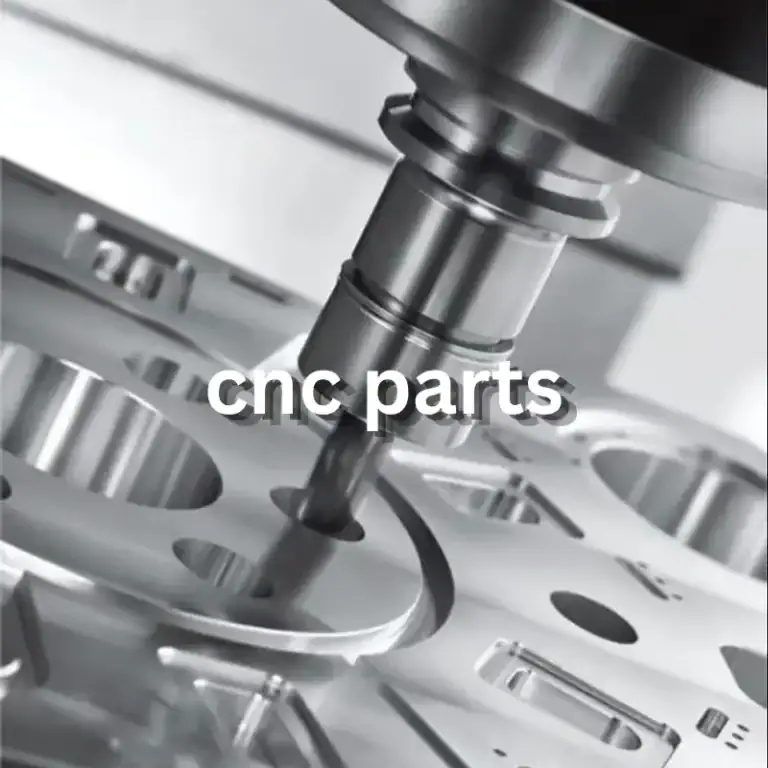
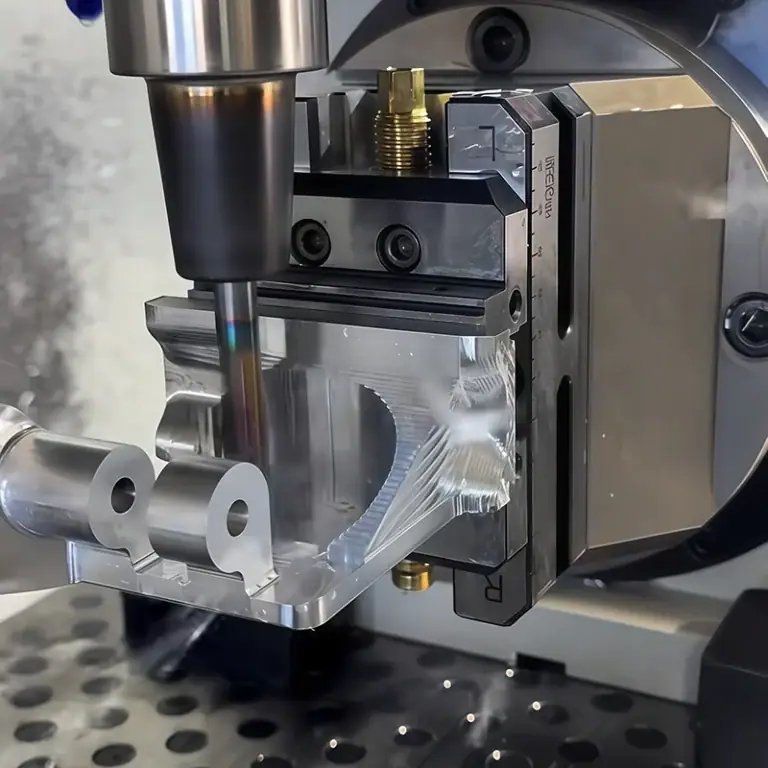
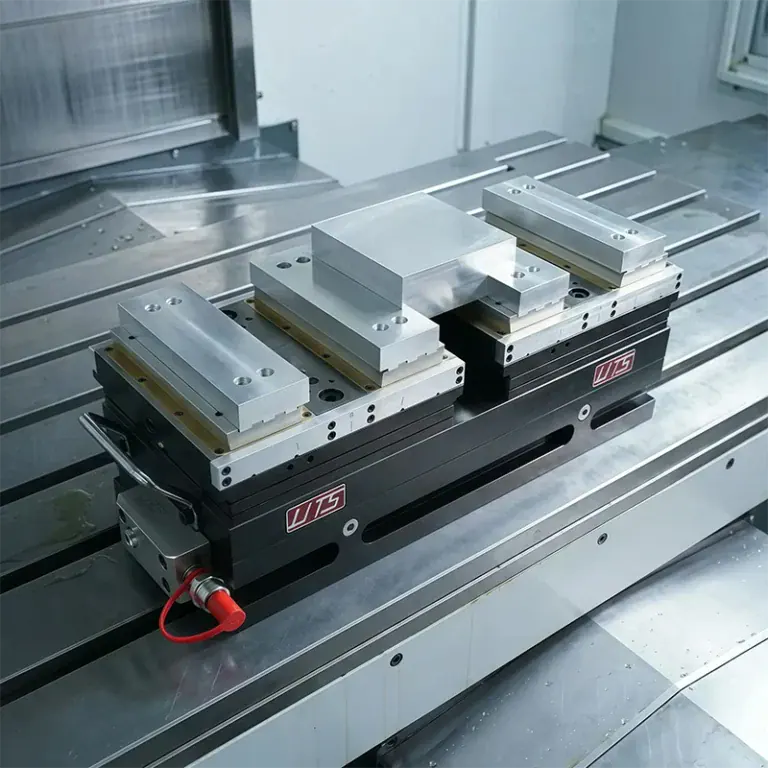
As modern manufacturing continues to evolve towards high performance, high precision, and complex structures, the application range of high-hardness materials is constantly expanding. High-hardness materials such as mold steel, titanium alloys, high-temperature alloys, and hardened steel are widely used in aerospace, medical devices, the automotive industry, and precision mold manufacturing. While these materials possess excellent strength, wear resistance, and high-temperature resistance, they also present greater cutting challenges during CNC milling, placing stricter demands on equipment stability, tool performance, and process control.
Choosing High-Rigidity CNC Equipment
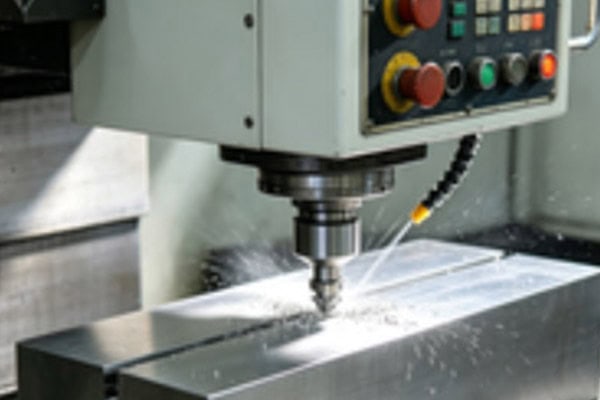
Machining high-hardness materials requires greater equipment stability.
High-hardness materials generate significant cutting resistance during machining. If the equipment rigidity is insufficient, problems such as vibration, misalignment, and machining errors can easily occur. Therefore, high-rigidity CNC equipment is typically required to ensure overall machining stability in the machining of high-hardness materials. High-rigidity machine tools not only reduce vibrations generated during high-speed cutting but also reduce equipment deformation caused by high-load machining, thereby maintaining more stable dimensional accuracy and surface quality. Simultaneously, a stable equipment structure enhances the ability to perform continuous machining over extended periods, reducing tool runout and machining deviations, which is particularly important for machining complex structures and high-precision parts. In modern high-end manufacturing, high-rigidity equipment has become a crucial foundation for the stable machining of high-hardness materials.
Using high-performance tool materials
Tool performance directly impacts the machining results of high-hardness materials.
The main advantages of high-performance tools in machining
During the machining of high-hardness materials, ordinary tools wear quickly, therefore, carbide tools, ceramic tools, or coated tools are typically used to improve wear resistance and cutting stability.
- Improved tool wear resistance
- Reduces the impact of high temperatures on tools
- Enhanced high-speed cutting stability
- Reduces the risk of tool breakage
- Improves the machining accuracy of complex parts
Appropriate tool selection can effectively improve overall machining efficiency.
Optimizing cutting parameters to reduce machining load
Reasonable parameter control can reduce instability during machining.
The main functions of cutting parameter optimization
High-hardness materials generate significant heat and cutting pressure during machining, therefore, it is necessary to rationally adjust the spindle speed, feed rate, and depth of cut according to the material characteristics.
- Reducing tool wear rate
- Reducing machining heat accumulation
- Improving surface finish
- Reducing machining vibration and impact
- Enhancing dimensional stability and consistency
Scientific parameter adjustment can enhance the machining stability of high-hardness materials.
Strengthening Cooling and Heat Dissipation Control
A stable cooling environment can reduce the impact of high-temperature machining.
The main functions of the cooling system in machining
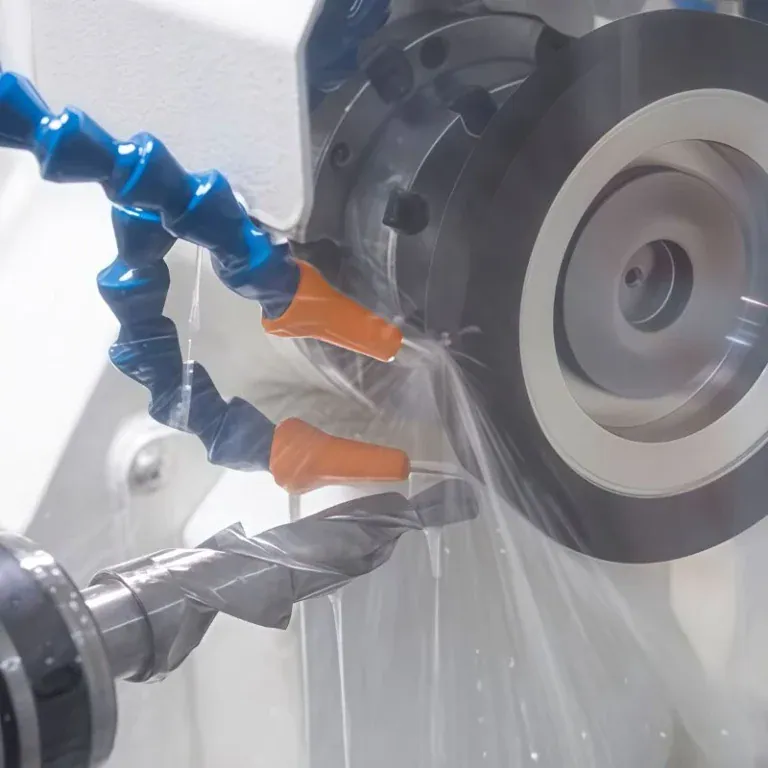
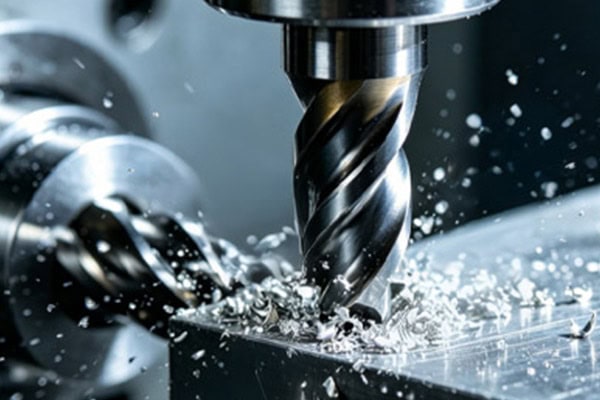
High-hardness materials easily generate a large amount of heat during high-speed cutting. Insufficient heat dissipation can lead to rapid tool wear and workpiece surface deformation. Therefore, a stable cooling system is crucial during machining.
- Reducing the temperature of the cutting zone
- Reducing thermal deformation and dimensional errors
- Extending tool life
- Improving chip removal
- Enhancing long-term machining stability
A good cooling environment can improve the machining quality of high-hardness materials.
Using Multi-Axis Machining to Improve the Stability of Complex Structures
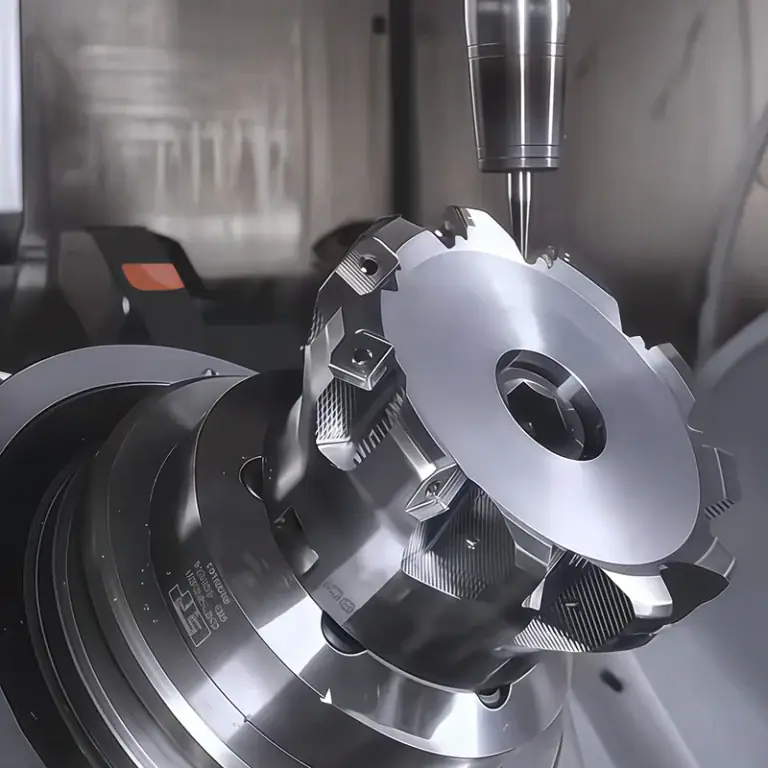
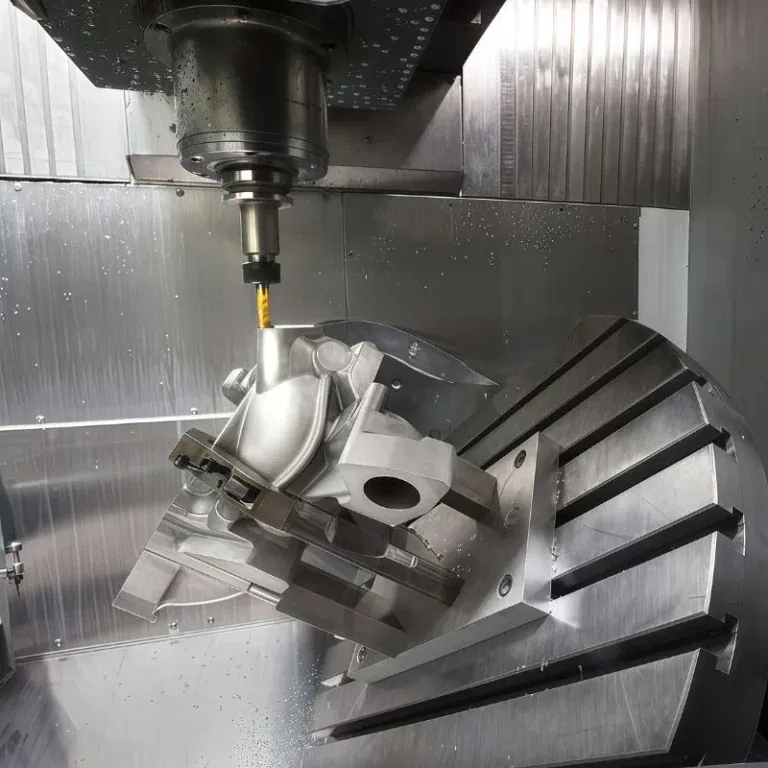
Multi-axis linkage technology can reduce machining errors in complex parts.For high-hardness, complex structural parts, traditional multi-clamping machining methods are prone to positioning deviations and error accumulation. Multi-axis linkage machining can complete cutting operations at multiple angles and on multiple surfaces in a single clamping process, thereby improving overall machining stability.
Key advantages of multi-axis machining in high-hardness materials
Multi-axis technology better meets the machining requirements for complex surfaces and deep cavities while reducing the risks associated with manual adjustments.
- Reduced time spent on repeated clamping and repositioning, improving overall machining efficiency.
- Reduced positional and dimensional errors caused by multiple clamping operations.
- Enhanced machining capabilities for complex surfaces, irregular structures, and deep cavities.
- Improved tool entry angle, reducing localized cutting pressure.
- Improved surface quality and machining consistency for complex structures.
- Reduced manual adjustments, improving the stability of automated machining.
- Enhanced dimensional control during long-term continuous machining.
- More suitable for machining high-hardness mold steel, titanium alloys, and high-temperature alloys.
Multi-axis linkage technology is driving the continuous upgrading of high-end precision manufacturing.
Optimized toolpath control
The tool path affects overall machining stability.
In machining high-hardness materials, a well-designed toolpath can reduce sudden stops and turns, as well as excessive localized cutting loads, thereby reducing machining vibration and tool wear. Optimizing the tool path improves cutting continuity, reduces the impact of localized high temperatures and impacts on the workpiece surface, and reduces equipment load fluctuations, thus improving overall machining stability. For machining complex surfaces and deep cavities, a smooth toolpath also improves surface quality and dimensional consistency, reduces rework time, and further shortens the overall machining cycle. In modern CNC machining, rational path planning has become a crucial process for improving the efficiency and precision of machining high-hardness materials.
Strengthening Machining Process Detection and Compensation
Real-time detection improves machining accuracy and stability.High-hardness materials are easily affected by factors such as thermal deformation, tool wear, and equipment vibration during machining. Therefore, modern CNC machining increasingly emphasizes the application of online detection and automatic compensation technologies.
The main functions of the machining detection and compensation system
By monitoring the machining status in real time, the system can promptly detect dimensional deviations and machining anomalies, and automatically correct parameters, thereby reducing error accumulation and improving overall machining stability and product consistency.
- Real-time monitoring of tool wear status to reduce sudden machining problems.
- Automatic correction of dimensional deviations to improve the stability of high-precision machining.
- Reducing the impact of thermal deformation on workpiece dimensions.
- Improving the consistency and repeatability of batch parts machining
- Reducing the frequency of manual inspection and improving production efficiency.
- Early detection of equipment vibration and abnormal machining conditions.
- Reducing rework rates and material waste.
- Improving the long-term machining reliability of complex high-hardness parts.
Intelligent detection and automatic compensation technologies are enhancing the level of modern CNC machining.
Conclusion
The widespread application of high-hardness materials is continuously driving CNC milling technology towards higher precision and greater stability. Faced with the processing challenges posed by high-strength, high-wear-resistant materials, modern manufacturing enterprises no longer rely solely on the performance of individual equipment. Instead, they place greater emphasis on the synergistic optimization of multiple aspects, including tooling technology, cooling systems, process parameters, and intelligent control. By establishing a more stable and refined processing system, the processing efficiency and finished product quality of high-hardness materials can be effectively improved. For modern manufacturing enterprises, continuously optimizing the processing capabilities of high-hardness materials not only increases production efficiency but also enhances the overall manufacturing level of complex and precision products.