Semiconductor CMP (Chemical Mechanical Planarization) equipment is used to polish wafer surfaces, and its performance depends not only on the core system but also on the precision of its components. Misaligned mounting holes, poorly fitting connectors, or machining deformation can make equipment assembly and adjustment much more difficult. Some dimensional problems are hard to spot by looking at a part and only become apparent after installation. With a well-planned CNC machining process, complex profiles, precision holes, and mounting datums can be controlled more effectively, helping semiconductor equipment components meet assembly requirements and maintain consistency in repeat production.
What Are the Key Requirements for CNC Machining Semiconductor CMP Equipment Parts?
CMP equipment contains precision brackets, mounting bases, connectors, and moving components. Each part serves a different purpose, so its machining requirements vary. Matching the external shape alone is not enough; the relationships between hole positions, mating surfaces, and mounting datums are equally important. If the machining process is poorly planned, individual dimensions may meet specifications while the assembled components still suffer from misalignment or incorrect clearances.
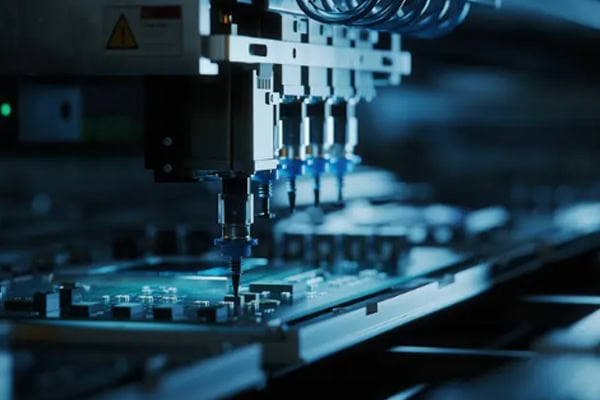
Precision Hole Machining for Semiconductor Equipment
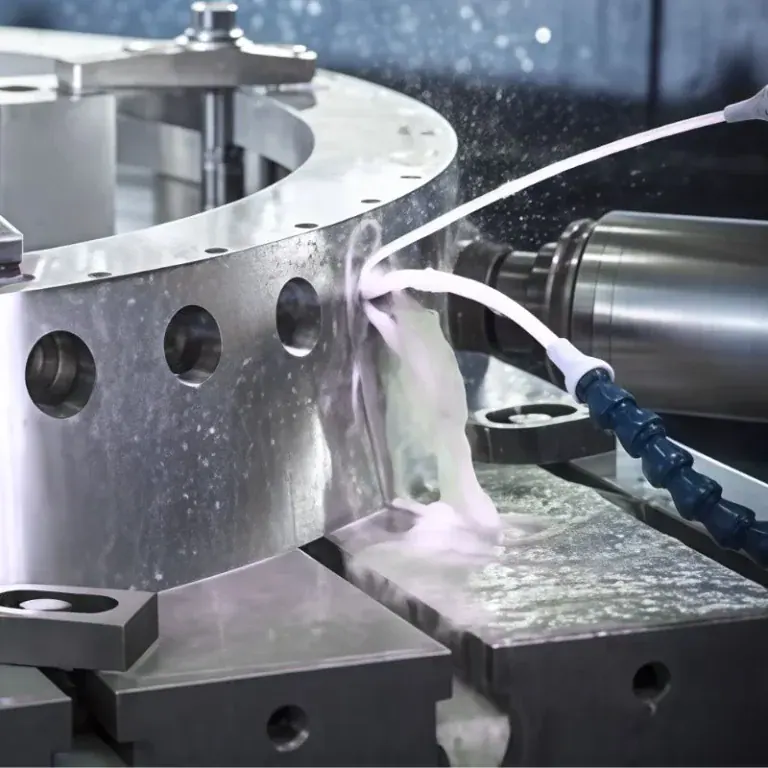
Mounting holes, locating holes, and threaded holes directly affect component positioning and connections. Holes that are too large or too small, or incorrect hole spacing, can complicate assembly. For precision components with multiple holes, CNC machining requires a well-planned datum strategy to minimize errors caused by repeated setups.
- Mounting hole machining: Control hole diameters, spacing, and positions to prevent misalignment during equipment assembly.
- Locating hole machining: Maintain consistent positional relationships between holes and reference surfaces to reduce installation adjustments.
- Threaded hole machining: Check thread specifications, effective depth, and thread profile to ensure fasteners can be tightened properly.
For parts with multiple hole patterns, machining sequence matters. Completing related holes within an appropriate setup can help reduce accumulated positioning errors and improve consistency across components of the same model.
CNC Machining for Complex Geometries and Thin-Walled CMP Parts
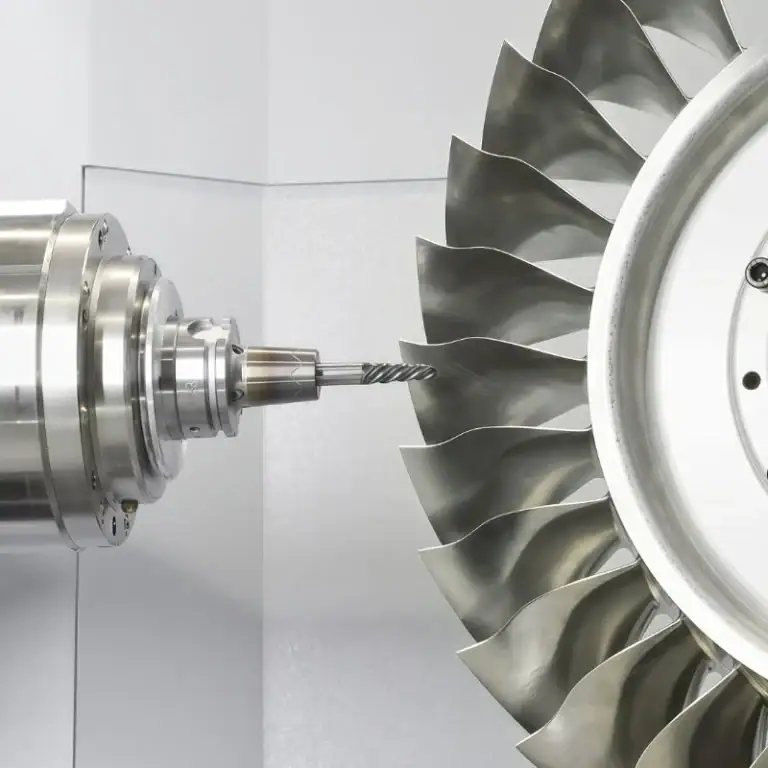
Some CMP equipment components feature deep slots, irregular profiles, or thin walls. The challenge is not just reaching the target area with the cutting tool but also preventing excessive cutting forces from deforming the part. Separating roughing from finishing and controlling tool overhang and cutting parameters can improve dimensional stability. For deformation-prone components, critical dimensions should also be rechecked after unclamping rather than relying solely on measurements taken while the part is still secured in the fixture.
Surface Quality Control for Semiconductor CMP Components
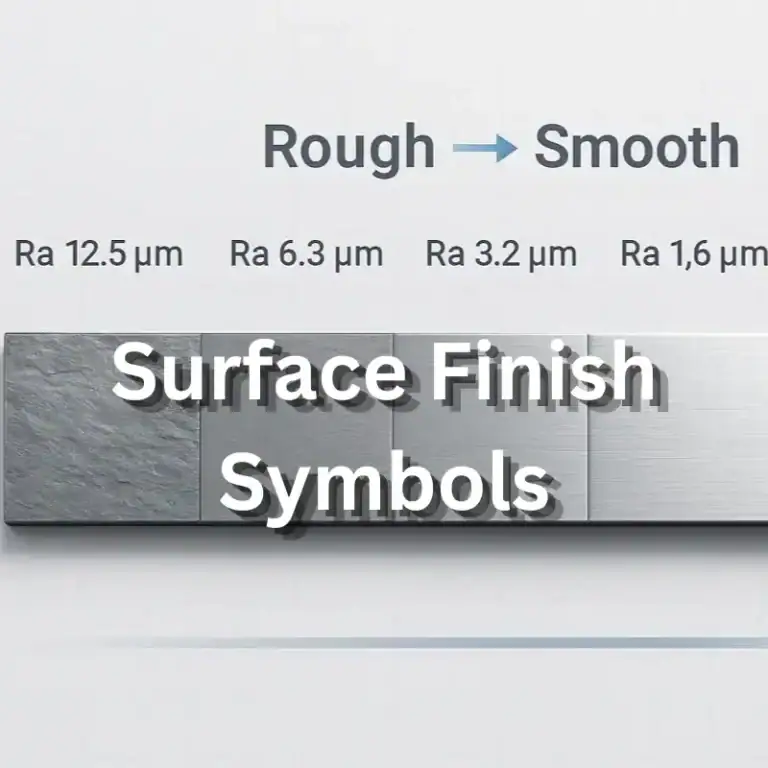
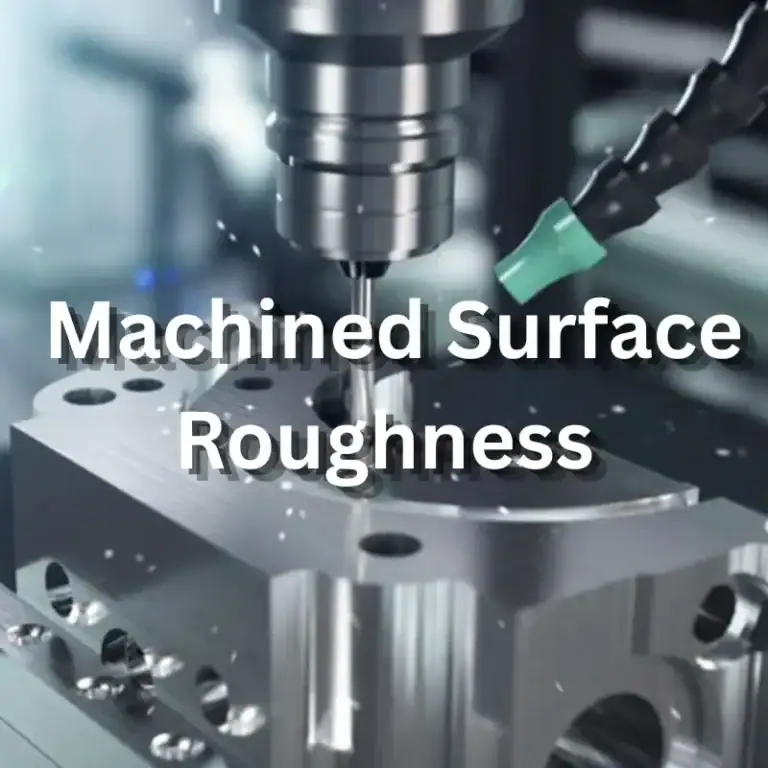
Surface quality is about more than appearance. Burrs, scratches, and visible tool marks can affect assembly, cleaning, and contact conditions. After machining, edges should be finished and residual chips removed according to the drawing requirements. Parts with specific surface roughness, cleanliness, or surface treatment requirements should also have clear acceptance criteria before production begins.
What Types of Parts Are Commonly Used in Semiconductor CMP Equipment?
CMP equipment relies on components with different functions working together. Common machined parts include precision mounting bases, support brackets, connecting blocks, and motion mechanism components. Since each design has different assembly requirements, identifying the critical machining features in advance helps prevent process omissions and ensures that parts fit the actual equipment structure.
CNC Machining for CMP Equipment Mounting Bases and Support Brackets
Mounting bases and support brackets often require machined planes, steps, locating holes, and threaded holes. The main goal is to maintain stable mounting datums. An uneven reference surface or incorrect hole positioning can cause a part to sit at an angle or shift out of position after installation. Fixture placement must also be planned carefully to prevent clamping forces from deforming weaker sections.
CNC Machining for Semiconductor Equipment Connectors and Motion Components
Connectors and motion components often contain precision holes, shaft holes, and mating surfaces that affect positioning and movement. Machining must account for more than individual dimensions; the positional relationships between holes and between holes and end faces are also important. For parts with specific fit requirements, related dimensions should be inspected together to avoid a situation where each measurement passes individually but the assembled components do not fit properly.
Semiconductor CMP Equipment Parts Machining Requirements at a Glance
Different components have different critical dimensions, so their machining processes should not simply follow the same approach. The table below highlights the main machining priorities for common CMP equipment parts.
| CMP Equipment Part Type | Main CNC Machining Operations | Key Dimensional and Quality Requirements |
| Precision mounting bases | Mounting holes, locating surfaces, steps | Hole spacing, flatness, positional tolerances |
| Support brackets | Irregular profiles, connecting holes, slots | Profile accuracy, mounting stability |
| Precision connectors | Threaded holes, end faces, locating features | Thread quality, hole position accuracy |
| Motion and mating components | Shaft holes, precision bores, mating surfaces | Bore diameter, concentricity, fit dimensions |
| Thin-walled components | Deep slots, thin walls, complex profiles | Wall thickness, deformation, surface quality |
The final machining requirements must follow the specific part drawings. For precision mating components, dimensional tolerances, geometric tolerances, and surface roughness should be confirmed before production to avoid disagreements over inspection criteria after machining is complete.
How Can CNC Machining Accuracy Be Controlled for Semiconductor CMP Equipment Parts?
The quality of a precision component cannot be guaranteed by a single final measurement. Tool wear, fixture conditions, and material properties can all affect machining results. Components with multiple holes, thin walls, or precision mating features require careful control before and throughout production.
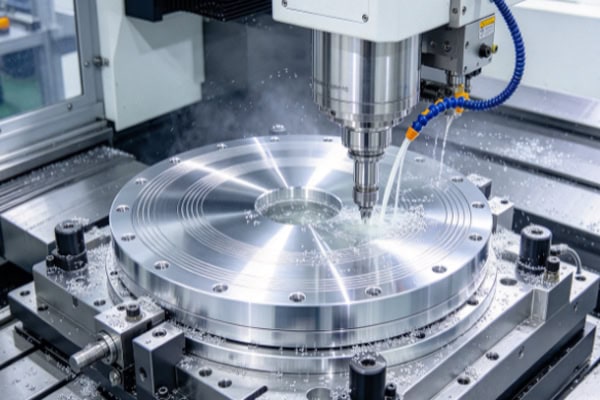
What Should Be Confirmed Before Machining Semiconductor Precision Parts?
Before machining begins, the drawing revision, material grade, critical tolerances, and post-processing requirements should be checked. For complex components, tool accessibility, chip evacuation space, and fixture positioning should also be reviewed in advance to avoid last-minute process changes.
- Confirm critical dimensions: Identify holes and datum surfaces that affect mounting, positioning, and component fit.
- Check material specifications: Aluminum alloys, stainless steel, and other materials have different cutting characteristics, requiring suitable tools and machining parameters.
- Define surface treatment requirements: Processes such as anodizing and passivation may affect final dimensions and should be considered in the process plan.
- Confirm production quantities: Prototype runs, small batches, and recurring production require different levels of program preparation and inspection planning.
Thorough preparation helps reduce repeated machine adjustments and rework. For custom components, drawing details should be clarified in advance so dimensional requirements, surface treatments, and actual assembly needs remain aligned.
How Should CMP Equipment Parts Be Inspected During Machining?
In-process inspection helps identify dimensional deviations early instead of waiting until all parts are finished. Critical holes, mounting planes, and precision mating surfaces can be checked at appropriate stages. Thin-walled components also require attention to dimensional changes after unclamping.
- Inspect critical hole diameters, spacing, and positions relative to datum surfaces.
- Recheck dimensions after unclamping thin-walled or deformation-prone components.
- Monitor tool wear, chatter marks, and burrs, adjusting machining conditions when necessary.
- Retain essential dimensional inspection records for comparison during repeat production.
Inspection results can also help identify the cause of a problem. If dimensional changes are related to tool wear or fixture conditions, the process should be adjusted promptly rather than simply reworking defective parts and continuing production. This approach helps maintain consistency across the entire batch.
How Can Semiconductor Equipment Parts Maintain Batch-to-Batch Consistency?
Passing prototype inspection is only the beginning. Subsequent production must maintain consistent machining conditions. CNC programs, fixtures, tool management, and inspection standards should remain stable whenever possible. If drawings or materials change, the relevant processes need to be reassessed rather than carried over without verification.
What Are the Advantages of Custom CNC Machining for Semiconductor CMP Equipment?
CMP equipment components often need to fit specific structures and limited installation spaces, so standard parts may not meet every requirement. CNC machining can produce irregular profiles, different hole patterns, and precision mating features from engineering drawings. A well-planned process also reduces unnecessary repositioning, helping custom parts meet assembly requirements more reliably.
Flexible CNC Machining for Complex Semiconductor Components
CNC machining can produce mounting slots, stepped features, irregular external profiles, and multiple hole patterns for different equipment designs. For non-standard components, planning toolpaths and machining datums in advance helps balance structural complexity with dimensional accuracy.
Prototype Development and Batch Production for Semiconductor Equipment Parts
From prototype assembly to subsequent batch manufacturing, components may require dimensional adjustments and process improvements. Carrying validated CNC programs, fixture methods, and inspection requirements into later production helps reduce repeated setup work and maintain consistent dimensions across batches.
Key Advantages of CNC Machining for Semiconductor CMP Equipment Parts
| Machining Advantage | Practical Benefit | Suitable Part Requirements |
| Precision hole positioning | Improves positioning and assembly fit | Mounting bases, connectors |
| Complex profile machining | Produces irregular geometries and specialized slots | Support brackets, custom components |
| Multi-stage process planning | Reduces errors caused by repeated setups | Precision parts with multiple hole patterns |
| In-process dimensional inspection | Identifies machining deviations early | Precision mating components |
| Reusable programs and processes | Improves consistency in repeat production | Prototypes, small batches, and production runs |
Semiconductor CMP equipment machining depends on the accurate relationship between hole positions, mating dimensions, surface quality, and actual assembly requirements. With well-planned CNC machining, critical dimensional inspections, and consistent production controls, manufacturers can reduce assembly adjustments and rework while producing components suited to equipment operating requirements. TIRAPID provides CNC machining for precision semiconductor equipment parts, supporting custom manufacturing, prototype development, and batch production based on drawing specifications, tolerances, and material requirements.