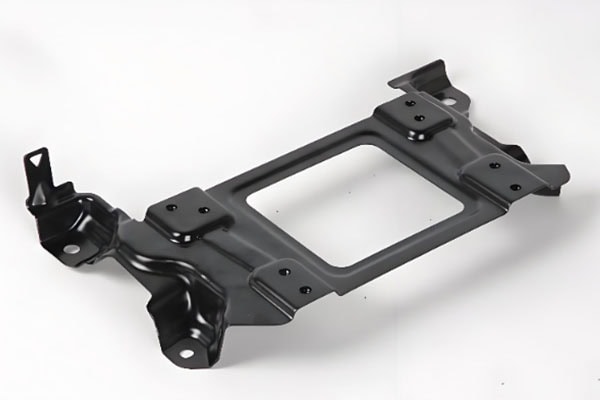
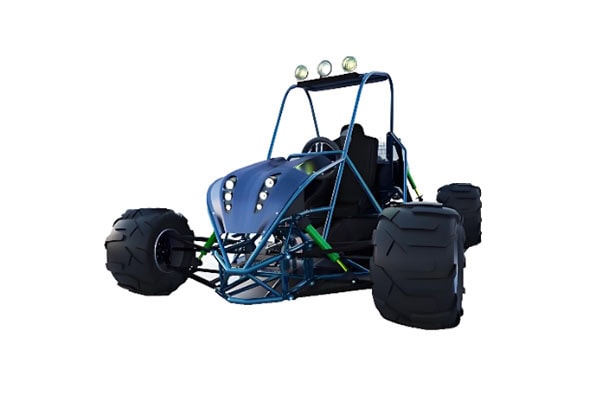
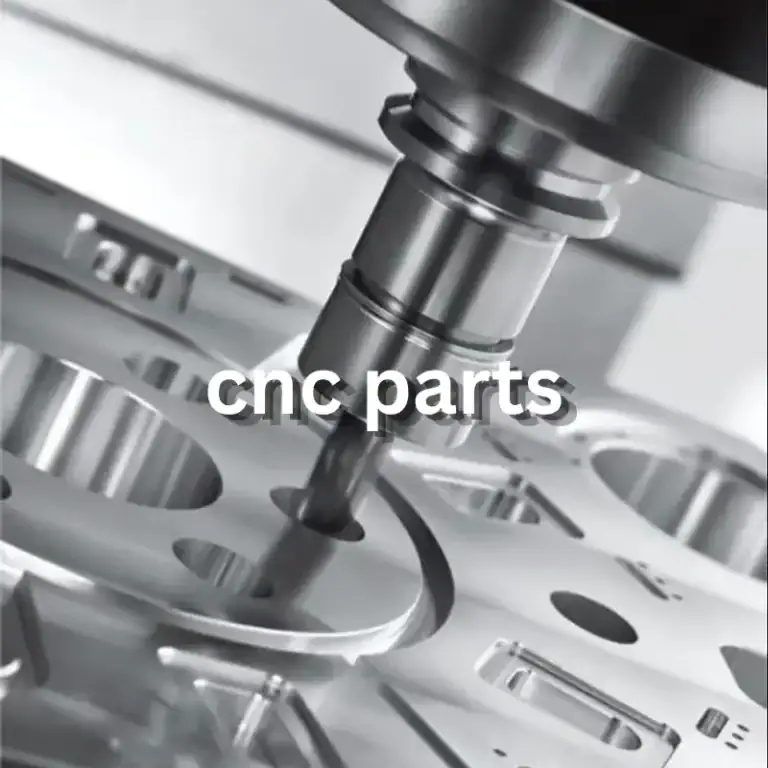
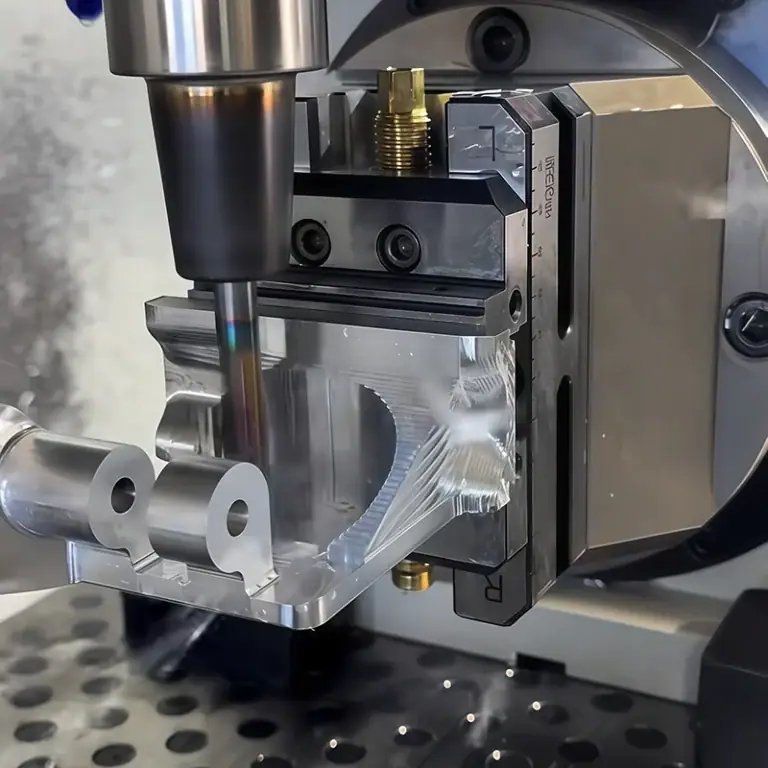
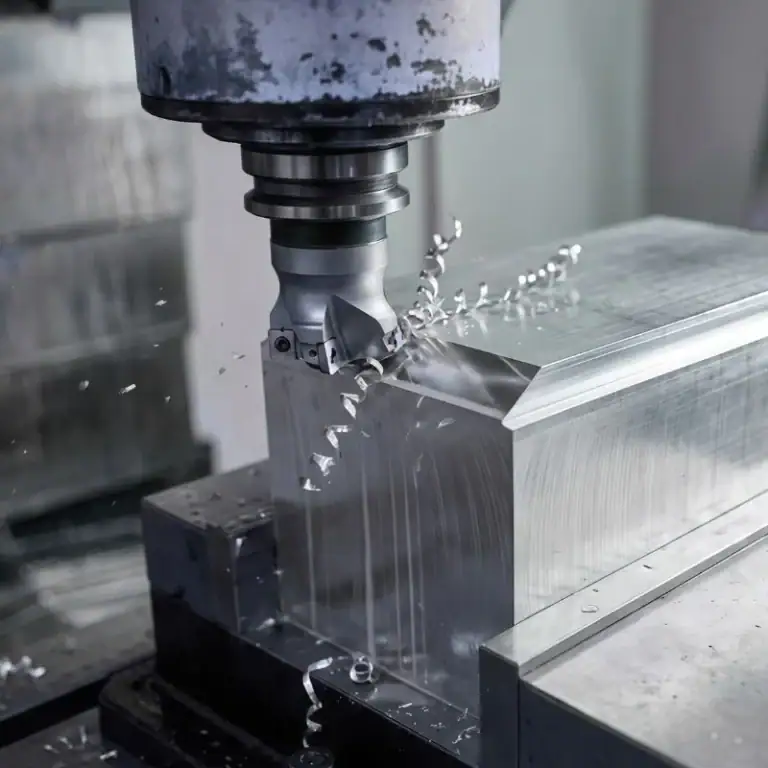
ATVs are typical powersports vehicles designed to operate on challenging terrain such as gravel roads, muddy trails, mountain paths, and other unpaved surfaces. The frame and its supporting components connect and support major systems including the powertrain, suspension, seat, and body structure. Frame mounts, mounting brackets, suspension supports, engine mounts, footrest brackets, and connecting flanges require high levels of structural strength, dimensional accuracy, and assembly stability. CNC precision machining can provide customized manufacturing processes based on the specific geometry of ATV frame components, helping improve dimensional consistency and assembly accuracy.
Get 20% offf
Your First Order
Need custom metal and plastic parts?
Machining Requirements for ATV Frame Components
Precise Machining for Complex Structures
ATV frame components commonly feature mounting holes, positioning holes, threaded holes, slots, and irregular curved surfaces. Different components must be assembled using bolts or other fastening methods, making hole position, hole spacing, and mounting surface dimensions important factors. CNC milling can machine multiple precision features according to CAD drawings, making it suitable for complex frame components.
Balancing Strength and Lightweight Design
ATVs are exposed to significant impacts and vibration during off-road operation, so frame components need sufficient mechanical strength. At the same time, reducing unnecessary component weight can help improve overall vehicle response. Aluminum alloys are suitable for certain lightweight brackets and mounts, while steel can be used for structural components exposed to higher loads. Selecting materials according to the position and load conditions of each component can help optimize overall structural performance.
Stable Assembly Accuracy
Frame components are commonly connected to the engine, suspension, shock absorbers, wheels, and other systems. Deviations in mounting hole positions can affect component assembly and alignment. Therefore, reliable machining references should be established, with key parameters such as hole position, flatness, perpendicularity, and positional accuracy carefully controlled.
CNC Precision Machining Solutions for ATV Frame Components
CNC Milling for Frame Brackets
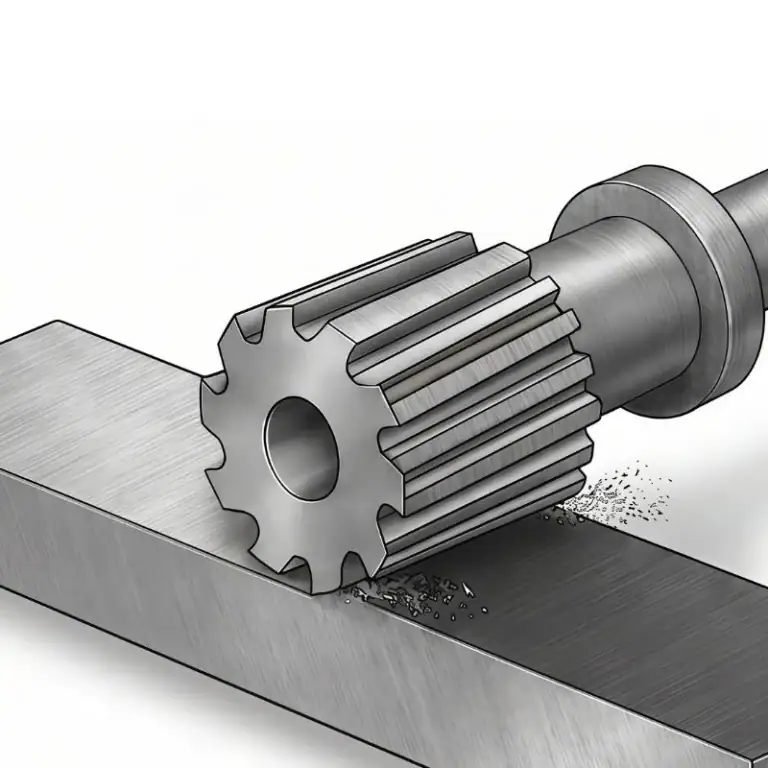
Frame mounts, engine brackets, suspension supports, and connecting brackets often feature multiple holes and complex profiles, making them suitable for CNC milling. Optimized toolpaths can be used to machine planes, holes, slots, chamfers, and curved surfaces while maintaining consistent component quality.
CNC Turning for Connecting Shaft Components
Some ATV frame components, such as bushings, connecting pins, sleeves, and spacers, feature rotational geometries and can be manufactured using CNC turning. External diameters, internal bores, end faces, grooves, and threads can be precisely controlled to meet the fitting requirements of different assemblies.
5-Axis Machining for Complex Structural Components
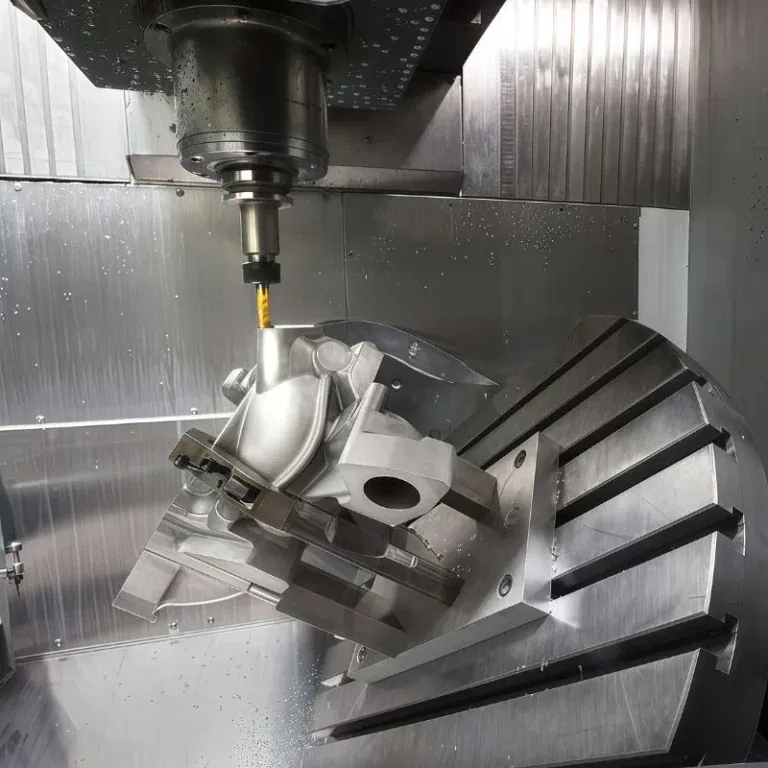
ATV frame components with inclined surfaces, complex curves, or multi-directional machining features can benefit from 5-axis CNC machining. Reducing the number of setups allows complex areas to be accessed from more suitable tool angles while minimizing errors caused by repeated positioning.
Common ATV Frame Components and Machining Requirements
CNC Precision Machining Process for ATV Frame Components
CAD Drawing Review and DFM Analysis
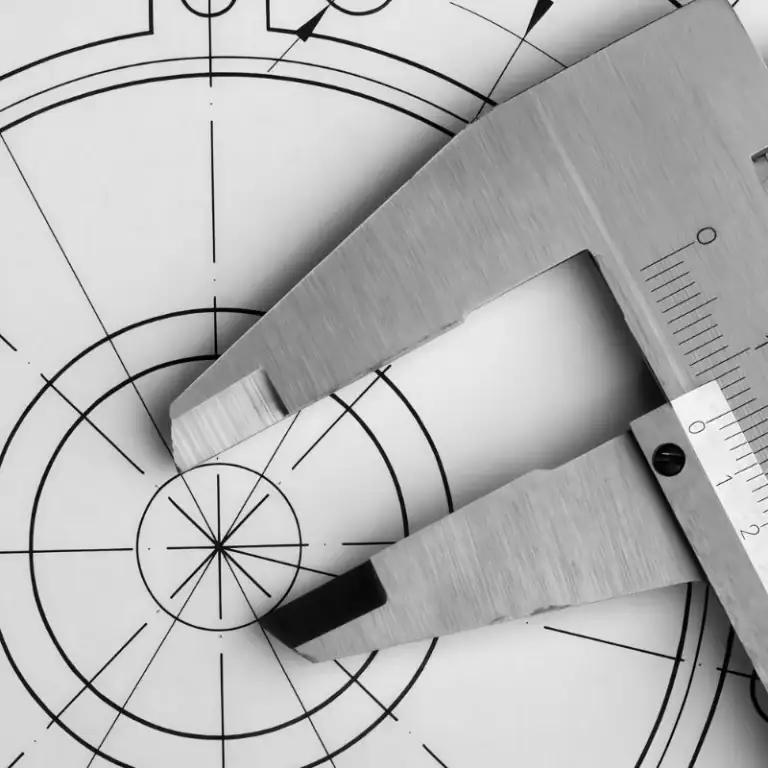
Before machining, 3D models and 2D engineering drawings should be reviewed to evaluate wall thickness, hole diameters, chamfers, radii, machining references, and tool accessibility. Proper Design for Manufacturing (DFM) analysis can identify potential manufacturing challenges in advance and reduce the need for modifications during production.
Material Selection and CNC Machining
Aluminum alloys, steel, and other suitable materials can be selected according to the actual load requirements of the frame component. CNC milling, turning, or 5-axis machining can then be selected based on the component geometry. For critical mounting areas, roughing and finishing operations should be properly planned to achieve the required final dimensions.
Surface Finishing and Quality Inspection
ATVs frequently operate in muddy, dusty, and wet environments, so some frame components require surface protection. Aluminum components can be anodized according to application requirements, while steel components can receive appropriate corrosion-resistant treatments. After machining, critical parameters such as dimensions, bore diameters, hole spacing, flatness, and positional accuracy should be inspected.
How to Improve ATV Frame Component Machining Efficiency
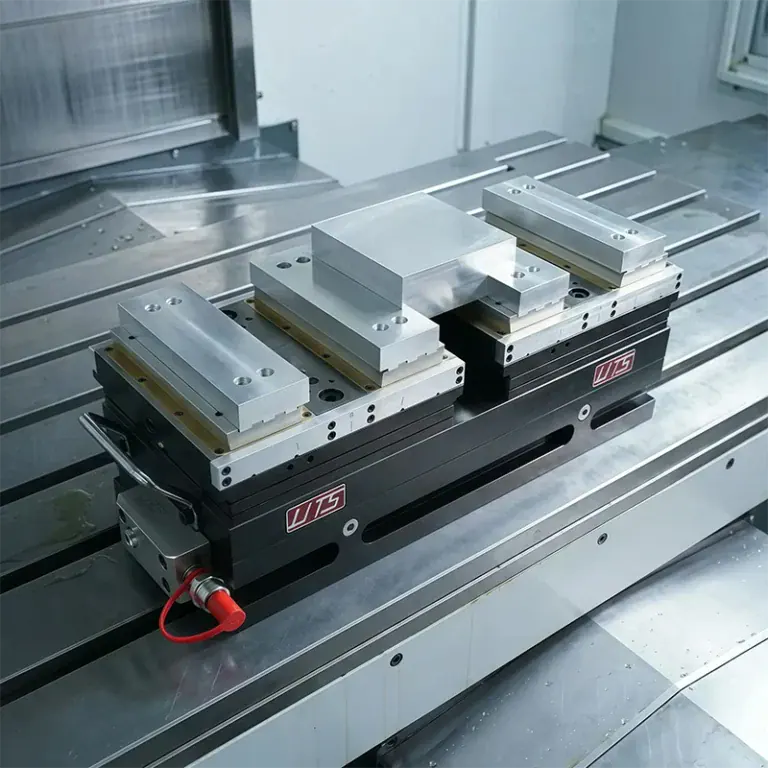
ATV frame components often involve multiple configurations, complex geometries, and customized small-batch production. Selecting appropriate machining equipment and processes can reduce repeated setups during production. For multi-hole brackets, multiple features can be completed in a single setup where possible. For complex structural components, multi-axis machining can reduce the number of repositioning operations.
During small-batch production, standardized fixtures and machining programs can help shorten changeover times. For ATV components with frequent product iterations, CNC machining can also support rapid prototype manufacturing and design validation, providing a reliable dimensional and structural foundation for subsequent production.
TiRapid Precision Machining Solution for ATV Frame Components
TiRapid provides CNC milling, CNC turning, 5-axis CNC machining, and precision machining services. These capabilities can be matched to the geometry, material, dimensional tolerances, and production volume of ATV frame components. From prototypes and small-batch manufacturing to larger-volume production, CNC precision machining can help powersports manufacturers improve dimensional consistency and assembly stability.
For ATV frame mounts, engine mounts, suspension supports, shock absorber brackets, bushings, connecting pins, and other components, a well-planned precision machining process can balance structural strength, lightweight design, and dimensional accuracy. This provides reliable customized component manufacturing support for ATVs and other powersports vehicles.
Author
Galen Director and Founder
Committed to ensuring we provide the best possible service in the manufacturing industry.
CNC Part Manufacturing: Process, Quality & Design Guide CNC parts are used across aerospace, medical equipment, robotics, automotive systems, electronics, and industrial machinery because CNC machining can produce complex components
Two parts made from the same material can have very different milling prices. One may fit a standard vise and run with common tools. The other may need several setups,
Multiaxis machining is a CNC manufacturing process that allows the cutting tool, workpiece, or both to move across multiple controlled axes during machining. Instead of only cutting from one fixed
A precise toolpath is only useful when the workpiece stays where it belongs. If a part shifts, lifts, or bends during cutting, even a carefully programmed CNC machine can produce
Machining allowance is the extra material intentionally left on a workpiece before final machining. In CNC machining, this extra stock gives machinists enough material to remove surface defects, correct minor
Plain milling is a milling process used to machine broad, flat surfaces by removing material with the peripheral cutting edges of a rotating cutter. It is commonly performed on a
Glass filled nylon is a reinforced engineering plastic that combines the versatility of nylon with the strength and stiffness of glass fibers. Compared with unfilled nylon, it offers better resistance
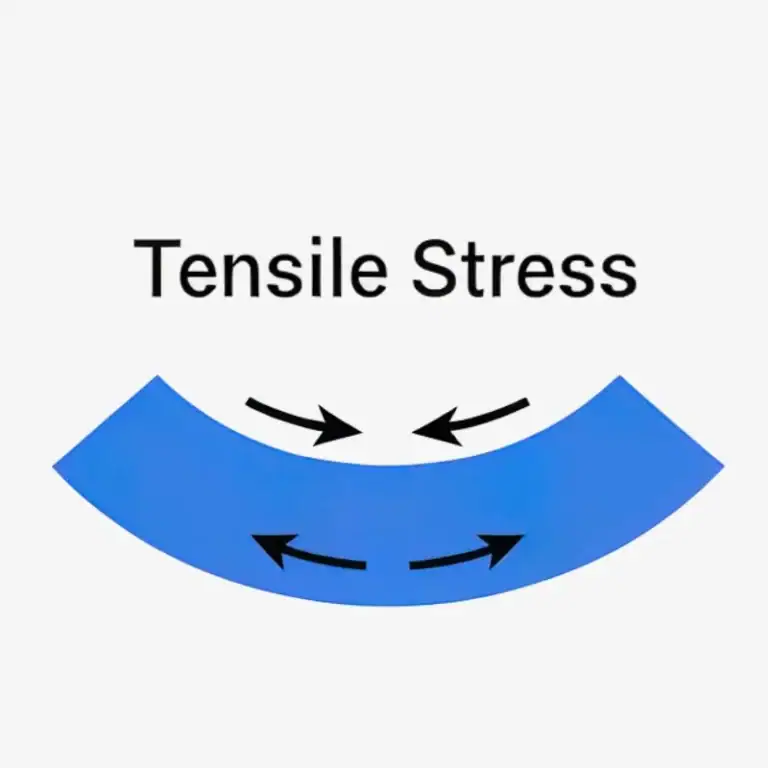
Tensile stress is the internal force per unit area produced when a material is pulled by an external load. It is calculated by dividing the applied tensile force by the
CNC machining programming connects a digital part design with the movements of a CNC machine. A well-built program defines where the cutting tool moves, which tools are used, how fast
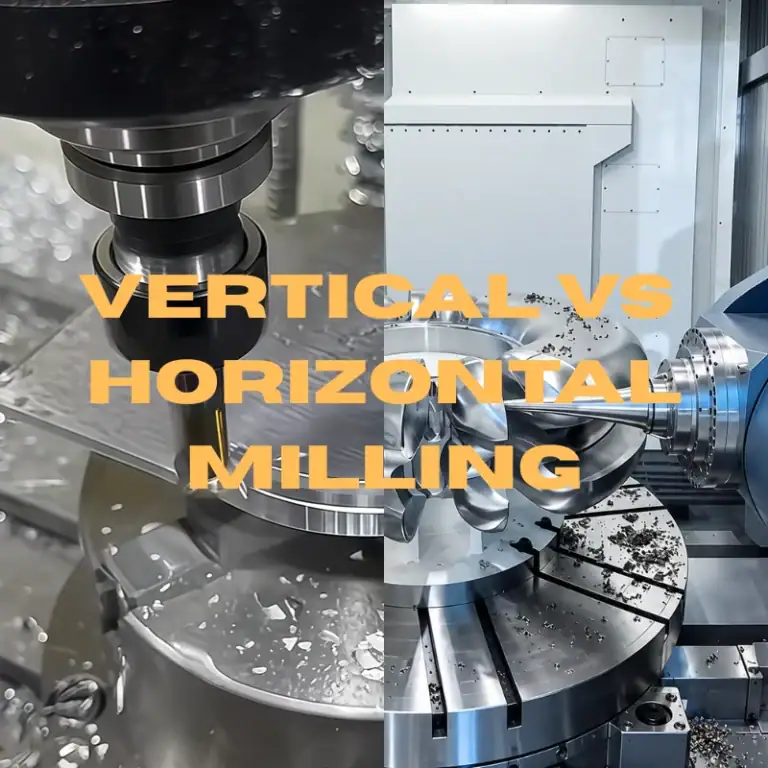
Vertical and horizontal milling use the same basic cutting principle, but spindle orientation changes how the tool reaches the workpiece, clears chips, and handles different part geometries. This guide explains
Chamfer machining is the process of removing material from an edge, hole, or contour to create a controlled angled surface. In CNC manufacturing, chamfers are commonly used to remove sharp
Custom machining is used when a part cannot be sourced as a standard component or when its geometry, material, tolerance, or function must be tailored to a specific project. Instead