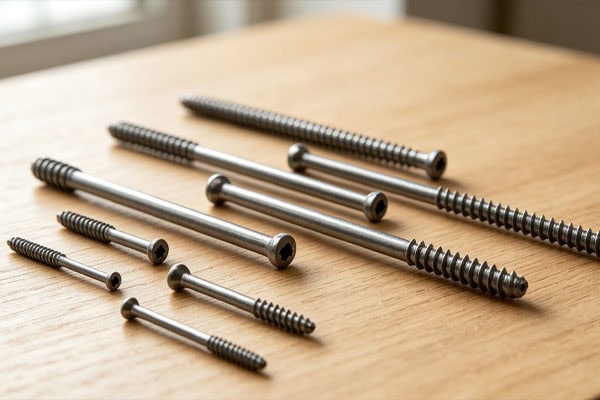
Medical bone screws are a type of orthopedic device component that is relatively small in size but highly precise in structure. They typically need to have stable threads, accurate outer diameters, reliable head structures, and good surface conditions. During actual assembly, they also need to work with bone plates, connectors, or other medical devices. Titanium alloys offer significant value in medical component manufacturing due to their light weight, high strength, and good corrosion resistance. However, titanium alloy machining also has characteristics such as poor thermal conductivity and a tendency to generate heat during machining, placing higher requirements on tooling, cutting parameters, and machining stability. These issues become even more noticeable when machining bone screws with small diameters, fine threads, and relatively long lengths. TiRapid provides precision CNC machining, CNC turning, CNC milling, 5-axis machining, and screw machining services, supporting production from prototypes to small-batch and mass production. Its medical component machining services include medical screw cases such as 316L bone screws and PEEK bone expansion screws, as well as dimensional inspection and CMM inspection support.
Why Do Medical Titanium Alloy Bone Screws Require Precision CNC Machining?
Small Structural Dimensions Require High Machining Stability
Although bone screws are generally small in size, their structures can be complex. A complete bone screw may include a screw head, shaft, threads, tip, and special drive grooves. Some products may also have different pitches, thread lengths, head shapes, and front-end structures according to specific application requirements. Moreover, these dimensions are not independent of each other. For example, the thread outer diameter and pitch need to remain stable, while the screw head dimensions must match the corresponding tools or other components. If significant deviations occur in any one area, subsequent assembly may be affected. CNC machining can repeatedly produce the same structure according to a digital program. For components with small dimensions and relatively high production quantities, this makes it easier to maintain product consistency. TiRapid’s medical CNC machining services include CNC turning.
Titanium Alloy Machining
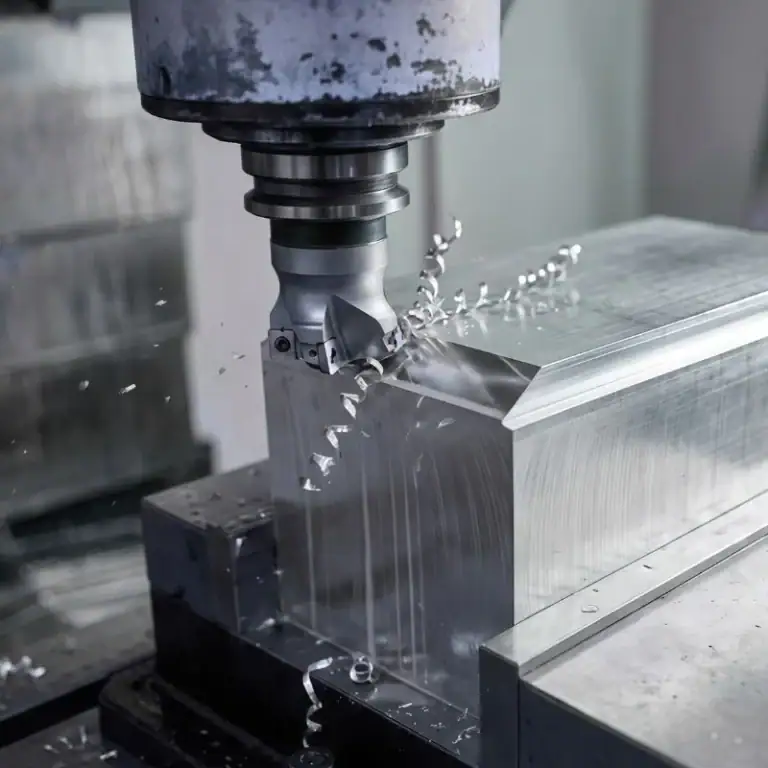
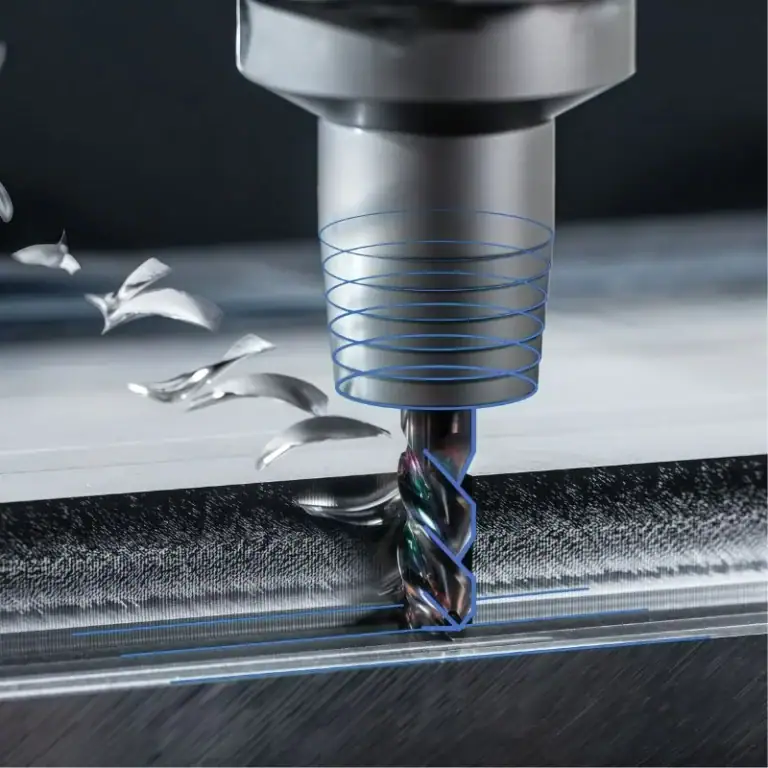
Compared with ordinary aluminum alloys, titanium alloys are more sensitive to tooling and machining parameters. If cutting conditions are inappropriate, problems such as accelerated tool wear and reduced surface quality may occur. Bone screws generally have small diameters, while the threaded areas require good dimensional consistency. Therefore, cutting conditions need to be adjusted according to the material grade, component dimensions, and structure. Chips also need to be removed promptly during machining to prevent heat from accumulating around the component and tool. This is why titanium alloy bone screws are more suitable for manufacturers with experience in precision small-component machining rather than simply being produced using conventional screw manufacturing methods.
Different Structures Require Different Machining Combinations
For bone screws primarily featuring cylindrical structures, CNC turning can generally complete the shaft, outer diameter, end face, and other main structures. If the screw head contains special groove shapes or other non-rotational structures, milling can be added to complete these features.
| Bone Screw Structure Common Machining Method Machining Focus | ||
| Cylindrical shaft | CNC turning | Outer diameter, length, concentricity |
| Threaded area | Precision turning/thread machining | Pitch, thread profile, effective length |
| Screw head | Turning + milling | Profile, drive structure |
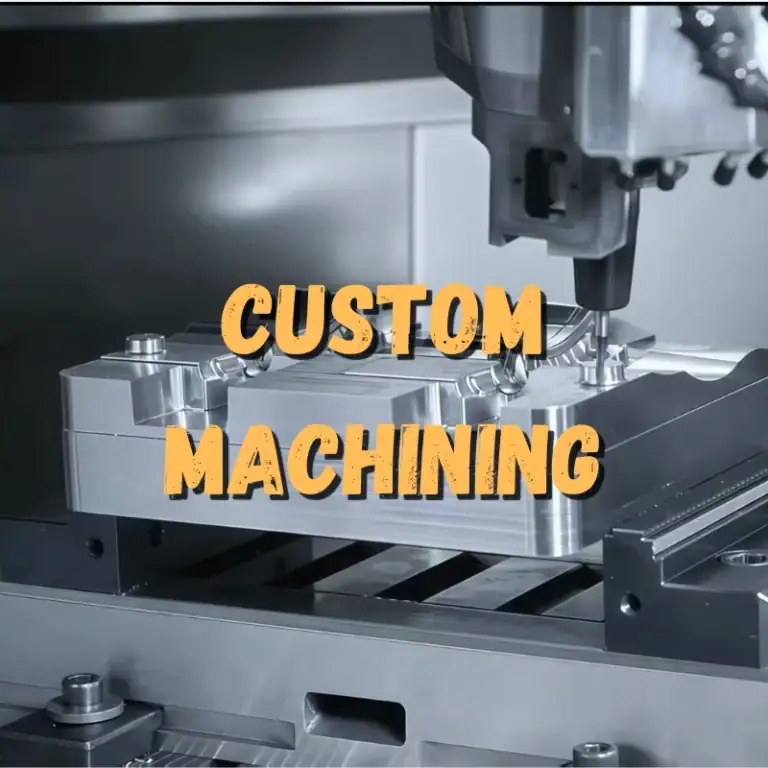
| Special grooves | CNC milling | Groove width, depth, position |
| Complex head structure | Multi-axis machining | Reduces repeated positioning |
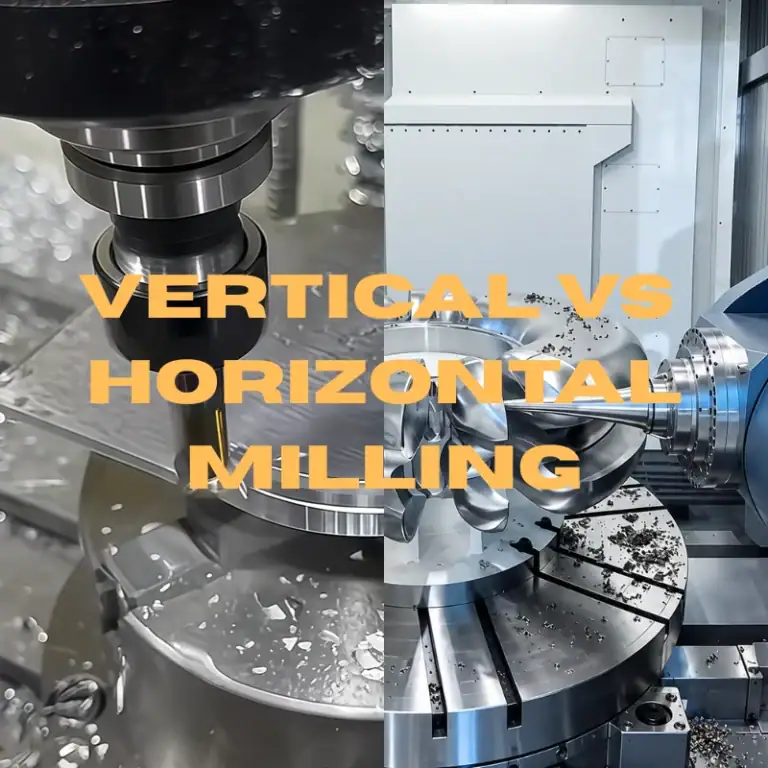
TiRapid currently provides CNC turning, CNC milling, 5-axis machining, and screw machining services and can select the corresponding production method according to the component structure. Its publicly available CNC capabilities include 3-axis, 4-axis, 5-axis, and large-scale machining capabilities.
How to Develop a CNC Machining Solution for Titanium Alloy Bone Screws
Start by Confirming the Material and Drawings
The material and drawing requirements should be confirmed before machining bone screws. Titanium alloy is not a single material. Different grades may have different machining characteristics and intended applications, so the specified material provided by the customer needs to be used for procurement and machining. The drawings should clearly define the total screw length, shaft diameter, thread dimensions, pitch, thread length, head structure, and critical tolerances. For locations that need to mate with other components, mating dimensions should also be clearly specified. If the customer only has a 3D model, critical dimensions can be further confirmed during the engineering evaluation stage. TiRapid supports customer 3D CAD file uploads and provides manufacturing evaluation and DFM feedback to identify potential production issues in advance.
Properly Arrange Turning and Thread Machining
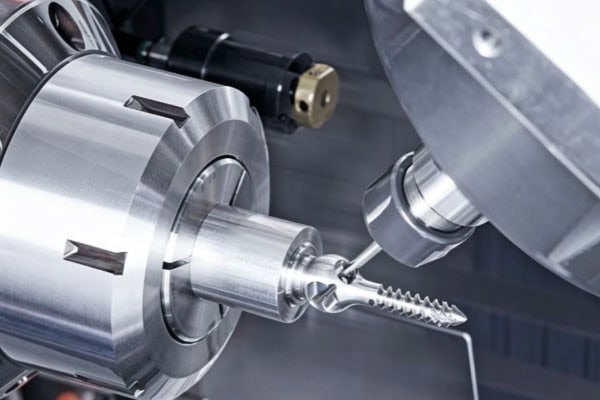
The main body of a bone screw generally consists primarily of rotational features, making turning a very important machining process. The material profile and shaft dimensions can typically be completed first, followed by the threaded area according to drawing requirements, and finally the head or other special structures. A minor thread issue on a conventional mechanical screw may only affect assembly, but when a bone screw is used in a medical device, higher dimensional consistency is generally required. Therefore, it is not enough to check only whether the screw can be threaded into the mating component. Thread dimensions, profile, effective length, and surface condition also need to be inspected. For small-diameter screws, significant deformation during machining must also be avoided. Proper fixturing, tool condition, and machining sequence can all affect the final dimensions.
Control Tooling, Temperature, and Machining Deformation
Heat generated during titanium alloy machining is not easily transferred away quickly. If cutting conditions are not properly controlled, the tool and component may experience relatively high local temperatures. Therefore, tools suitable for titanium alloy should be selected, and machining parameters should be adjusted according to the actual component dimensions. For elongated bone screws, attention also needs to be paid to vibration during machining. Vibration can affect surface quality and may also cause fluctuations in thread and shaft dimensions. TiRapid’s precision machining services emphasize tight-tolerance machining capabilities and provide CNC turning, screw machining, and precision small-component machining.
Accuracy and Quality Control After Bone Screw Machining
Focus on inspecting threads and critical dimensions
Inspection of bone screws should not focus only on overall length. During actual production, key inspection locations should be determined according to the engineering drawings, including thread outer diameter, pitch, thread length, shaft diameter, head dimensions, and other assembly-related dimensions. For mass production, dimensional stability between different batches also needs to be maintained. If the first batch passes inspection but dimensional drift occurs during subsequent production, the overall production schedule of the project may still be affected. Therefore, critical dimensions can be sampled and inspected during machining, followed by final inspection after production is completed. For components with higher precision requirements, more precise measuring equipment can be used according to project requirements.
Select Inspection Methods According to Component Structure
Small screws contain numerous dimensions, and some structures are difficult to verify directly using conventional measuring tools. Therefore, inspection methods need to be selected according to the actual drawings. TiRapid provides quality control services such as CMM inspection and incorporates in-process control and final inspection into its precision manufacturing process. For components where the positional relationship between multiple dimensions needs to be confirmed, CMM can provide more comprehensive dimensional inspection support.
| Inspection Item Main Content Confirmed Purpose | ||
| Appearance inspection | Scratches, burrs, machining marks | Confirm surface condition |
| Dimensional inspection | Length, diameter, head dimensions | Confirm basic dimensions |
| Thread inspection | Pitch, profile, effective length | Confirm assembly requirements |
| Position inspection | Concentricity, critical positional relationships | Ensure structural consistency |
| Precision measurement | Critical dimensions and geometric relationships | For high-precision projects |
Provide Stable Surface Finishing
Bone screws are small precision components. Residual burrs, sharp edges, or obvious machining defects on the surface may affect subsequent processing and assembly. Therefore, after CNC machining, deburring, cleaning, and corresponding surface treatment are generally required according to the drawings and project requirements. Surface treatment for titanium alloy components needs to be determined based on the material and actual application and should not be selected solely according to appearance or color. If the customer has specific requirements for surface roughness, color, oxidation treatment, or other processes, these requirements should be confirmed before quotation and machining. TiRapid provides a variety of surface treatment services, with more than 21 surface finishing options available, and can integrate machining with post-processing.
TiRapid Medical Titanium Alloy Bone Screw Machining Solution
Reduce Machining Risks Through Engineering Evaluation
For precision small components such as bone screws, preliminary engineering evaluation is particularly important. After receiving the customer’s drawings, the material, quantity, dimensional tolerances, thread requirements, and surface treatment can first be confirmed before determining the specific machining method. TiRapid provides free DFM feedback to check whether the component design is suitable for machining before production. For example, whether the threaded area is easy to machine, whether the head structure requires secondary machining, and whether certain dimensions present machining difficulties can all be evaluated before production. This approach can reduce situations where problems are discovered only after machining and also makes it easier for customers to modify designs quickly during product development.
Coordinate CNC Turning with Other Processes
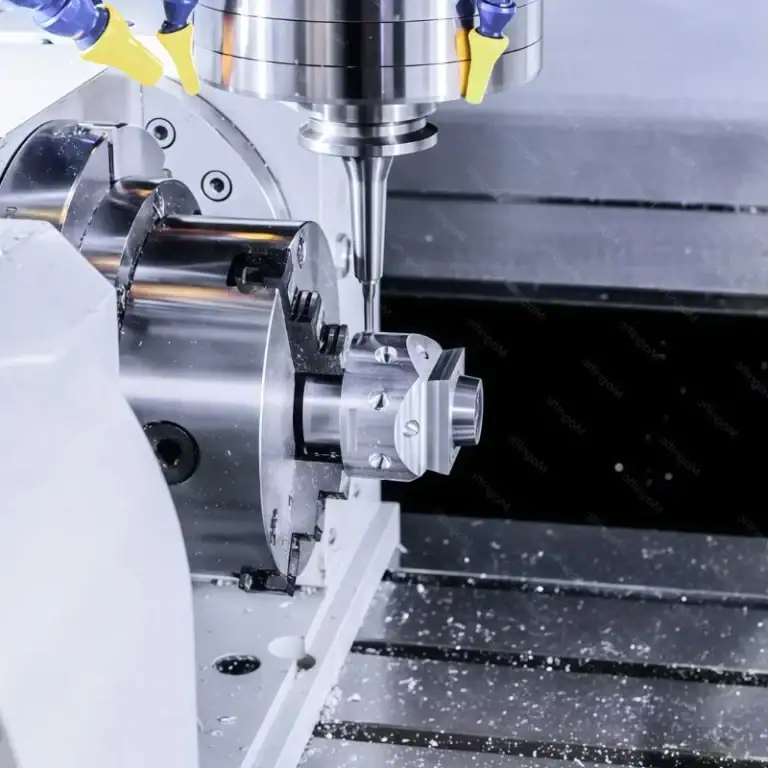
The main structure of a bone screw is suitable for CNC turning, but this does not mean the entire component must be produced exclusively on a lathe. If the screw head contains a special drive groove or another non-circular structure, a milling process can be added. For complex structures, multi-axis CNC machining can also be used according to actual requirements. TiRapid currently provides CNC turning, CNC milling, 5-axis CNC machining, and screw machining services and can combine different processes according to component structure. Its 5-axis machining service is primarily used for complex curved surfaces, multi-angle structures, and components where repeated fixturing needs to be minimized.
Support from Prototype Verification to Mass Production
During the development stage of medical bone screws, a small number of prototypes are often required first to verify dimensions, assembly, and structural design. After the prototypes pass verification, production can proceed to small-batch or even larger-scale manufacturing. TiRapid supports production from single-piece prototypes to small-batch and subsequent mass manufacturing, providing supporting services covering materials, machining, surface treatment, inspection, and delivery. Its official website clearly provides a “prototype to production” manufacturing model to meet machining requirements at different product stages.
Frequently Asked Questions
Q1: Why are titanium alloy bone screws suitable for CNC turning?
The shaft, outer diameter, and threads of bone screws have clear rotational characteristics, making CNC turning suitable for producing these structures. If the head also contains special grooves, a milling process can be added.
Q2: What makes bone screw thread machining difficult?
The challenge is not simply producing the threads, but maintaining stable pitch, thread profile, outer diameter, length, and surface condition. For small-diameter screws, tool condition and machining vibration also need to be controlled.
Q3: Can TiRapid machine a small number of titanium alloy bone screw prototypes?
Yes. TiRapid supports prototypes, small-batch production, and mass production. Customers can first produce a small number of prototypes for verification and then proceed with subsequent production based on the results.
Q4: Is it acceptable to provide only a 3D drawing without a complete engineering drawing?
You can first provide a 3D CAD file for engineering evaluation. Missing requirements for dimensions, tolerances, threads, and surface treatment can be further confirmed before production.
Q5: Can bone screws undergo precision inspection?
Dimensional inspection can be performed according to project requirements. For critical dimensions and complex positional relationships, inspection methods such as CMM can also be used. Specific inspection items can be confirmed in advance during the quotation stage.
Precision Custom Machining Support for Medical Screws
If you are developing medical titanium alloy bone screws, greater attention needs to be paid to material, threads, dimensional consistency, and inspection requirements compared with conventional screws. TiRapid provides precision CNC machining, CNC turning, 5-axis machining, screw machining, sheet metal fabrication, and 3D printing services and can provide corresponding machining solutions based on your 3D models and engineering drawings. TiRapid strictly follows ISO9001 quality management standards and provides free DFM reports, fast quotations, and dedicated project support. Whether you need single-piece samples, small-batch verification, or subsequent mass production, machining can be arranged according to project requirements.
Email: projects@tirapid.com
Phone: +86 760 8999 8536
If you need machining for titanium alloy bone screws, medical screws, or other precision medical components, you can directly send your 3D models, engineering drawings, and required quantities. The TiRapid engineering team can evaluate the machining method based on the component structure and provide quotations and manufacturing recommendations.