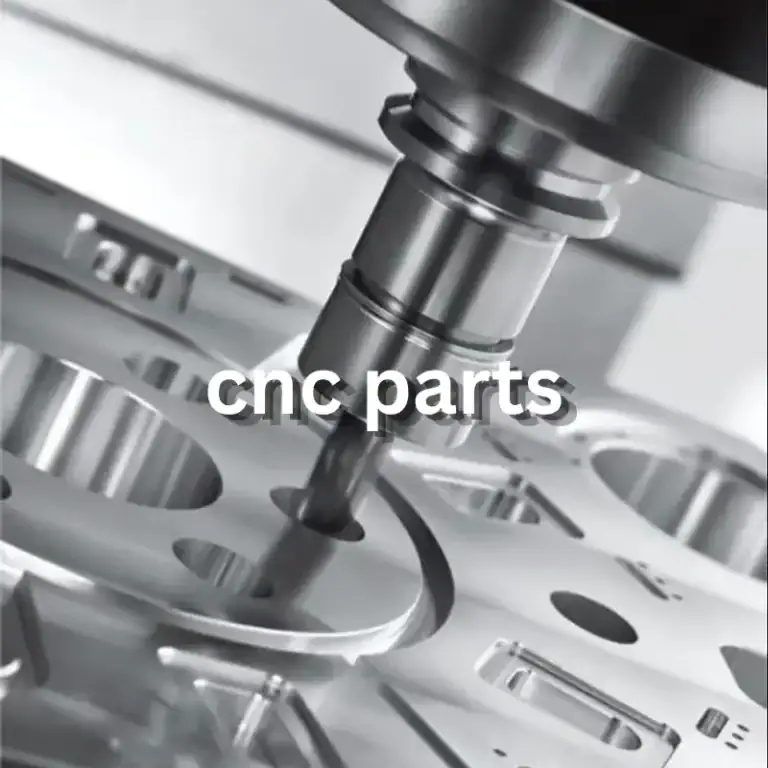
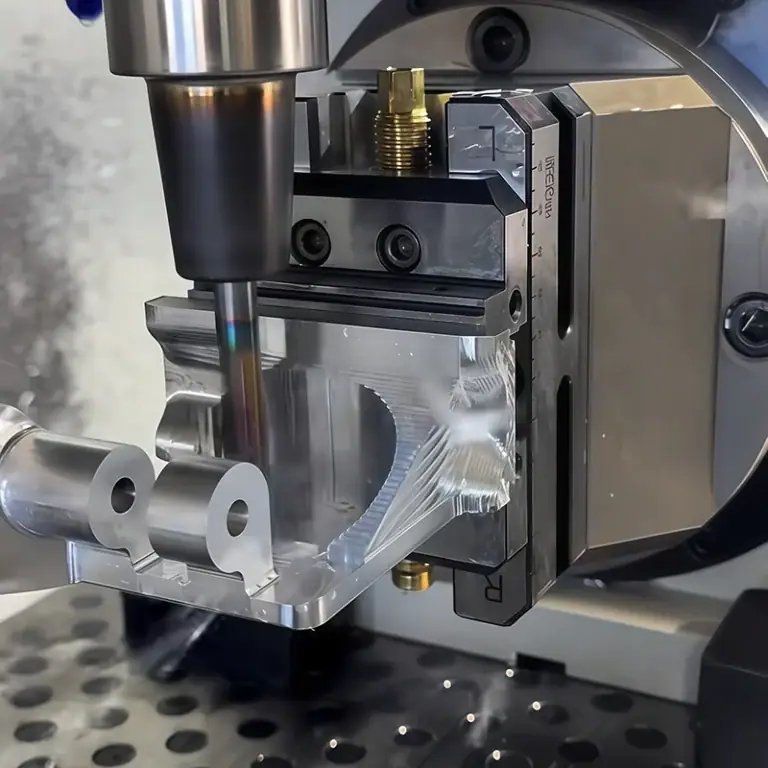
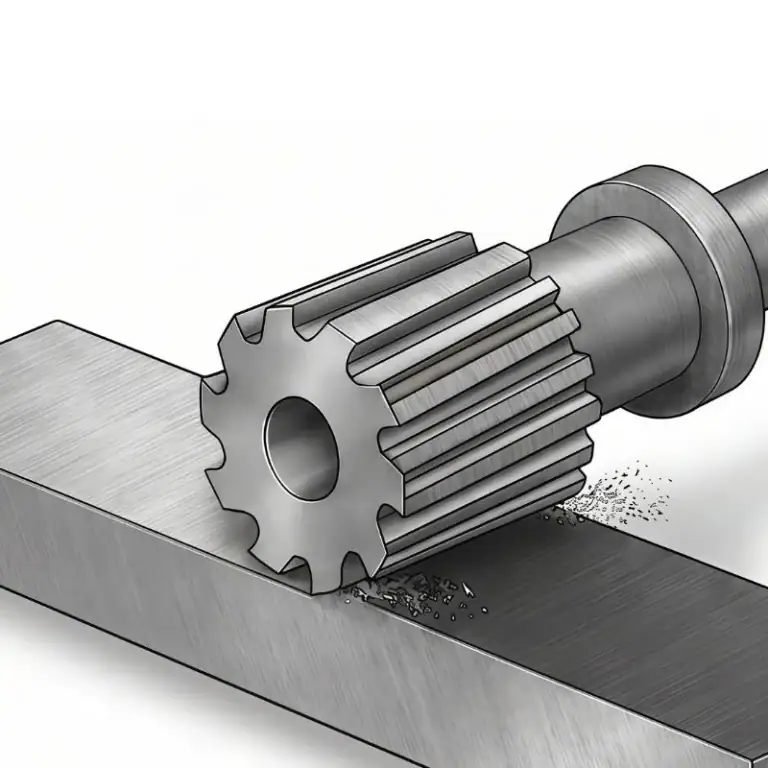
As one of the most widely used engineering plastics in industrial applications, Nylon (PA) offers excellent mechanical properties, wear resistance, and cost-effectiveness. It is extensively used in industries such as machinery manufacturing, automation equipment, automotive engineering, electronics, and medical devices. As product development cycles continue to shorten, more companies are turning to CNC machining to manufacture nylon components. Compared with traditional mold-based production, CNC machining enables rapid prototyping, small-batch production, and complex custom part manufacturing, providing greater flexibility for product development and production.
Understanding Nylon (PA) CNC Machining Services
Nylon combines good strength, toughness, and wear resistance, making it an important material for many industrial components. It consistently delivers reliable performance in a wide range of applications. When combined with CNC machining technology, nylon can be processed into various complex structures to meet diverse customer customization requirements. From product design validation to full-scale production, nylon CNC machining services have become an indispensable part of modern manufacturing.
What Is Nylon (PA)?
Among various engineering plastics, nylon is highly regarded for its outstanding overall performance. It not only offers high mechanical strength but also excellent wear resistance and fatigue resistance. For mechanical components that operate over long periods, nylon effectively reduces wear and extends equipment service life. As a result, nylon is widely used in both industrial machinery and automation equipment.Nylon is an important member of the thermoplastic engineering plastics family, featuring high strength and excellent wear resistance. Compared with ordinary plastics, nylon performs better in mechanical properties, impact resistance, and fatigue resistance, making it suitable for industrial parts subjected to certain loads.
Common nylon materials include:
- PA6
• PA66
• MC Nylon
• Oil-Filled Nylon
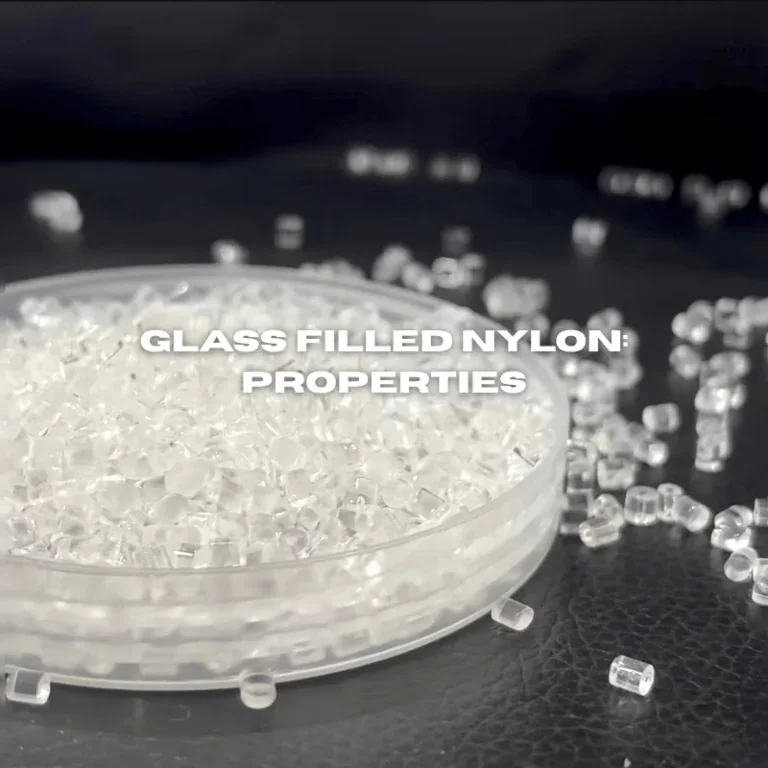
• Glass Fiber Reinforced Nylon
Different types of nylon are suitable for different operating environments. For example, PA66 offers higher rigidity, MC Nylon provides excellent wear resistance, while oil-filled nylon delivers superior self-lubricating properties. Glass fiber reinforced nylon further enhances material strength and dimensional stability, making it suitable for structural components that bear heavy loads.
Why Choose CNC Machining for Nylon Parts?
As product development cycles become increasingly shorter, companies have greater demand for prototype development and small-batch production. While traditional mold manufacturing is suitable for large-scale production, it requires substantial upfront investment and longer lead times. During product development and testing stages, CNC machining provides a much more flexible solution.For product development, mold manufacturing often involves high costs and long lead times, whereas CNC machining can produce parts directly from engineering drawings.
Using CNC machining equipment, companies can quickly accomplish:
- Prototype verification
• Small-batch production
• Complex structure manufacturing
• Precision dimensional control
Compared with injection molding, CNC machining does not require mold fabrication, making it ideal for R&D testing and customized product manufacturing. CNC machining effectively shortens development cycles and accelerates product launch timelines.In addition, CNC machines automatically execute machining tasks according to programmed instructions, ensuring both efficiency and dimensional consistency. For projects that require frequent design revisions, this manufacturing approach significantly reduces development time and risk.
Typical Applications of Nylon Parts
Thanks to its excellent overall properties, nylon has expanded from traditional mechanical industries into many emerging sectors. Many components that were once manufactured from metal are now being replaced by nylon to achieve weight reduction, noise reduction, and lower maintenance costs.Nylon is widely used in industrial equipment applications.
Common applications include:
- Gears
• Guide rail sliders
• Bushings
• Mechanical brackets
• Conveyor equipment components
• Automation equipment parts
Due to its low coefficient of friction and excellent wear resistance, many components previously manufactured from metal are now produced from nylon. For example, guide rollers, conveyor sprockets, and machine slide rails in automated production lines are often made from MC Nylon to reduce operating noise and wear.In the automotive industry, nylon is used to manufacture fan blades, wiring harness retainers, and functional brackets. In electronics, nylon is commonly used for insulating structures and precision components, demonstrating excellent adaptability across various applications.
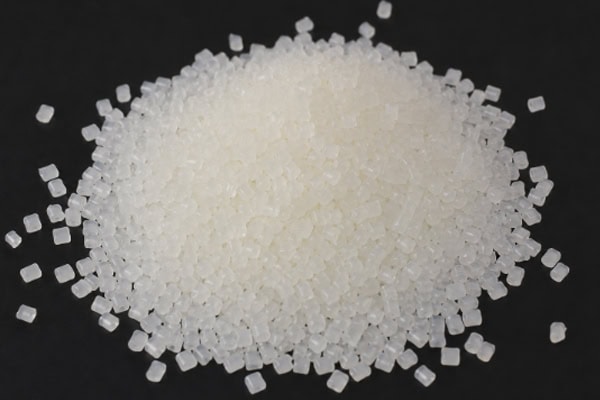
Nylon CNC Machining Technology
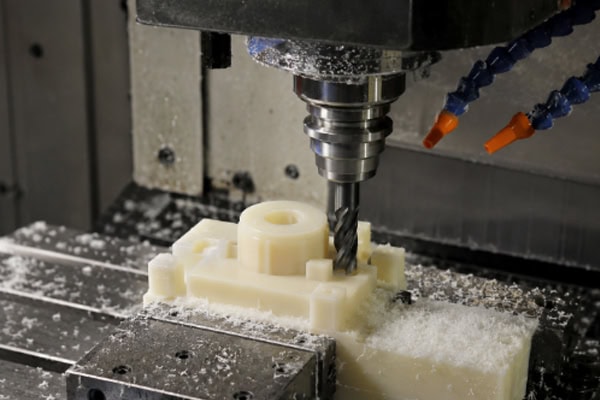
Although nylon offers excellent machinability and is one of the easier plastics to machine, achieving dimensionally stable, visually appealing, and long-lasting products requires more than simply operating CNC equipment. Due to nylon’s moisture absorption characteristics, thermal expansion properties, and inherent flexibility, machining results can be influenced by environmental conditions, processing parameters, and fixturing methods.
Controlling the Effects of Moisture Absorption
Compared with many engineering plastics, one of nylon’s most distinctive characteristics is its ability to absorb moisture. When exposed to ambient air over time, nylon gradually absorbs water from the environment.While moisture absorption can improve toughness, it may negatively affect dimensional stability. For standard parts, these changes may be insignificant, but for precision assemblies, mating components, and products with strict dimensional requirements, even slight dimensional changes can impact performance.Therefore, moisture absorption must be carefully considered throughout the machining process.
Nylon materials possess certain hygroscopic properties. After absorbing moisture from the air, dimensional changes may occur. Therefore, proper storage management and material conditioning are typically performed before machining.For precision projects, workshop temperature and humidity conditions are often controlled to improve dimensional stability. During inspection, measurements are verified based on the material’s condition to avoid inaccuracies caused by environmental changes.
Reducing Machining Deformation
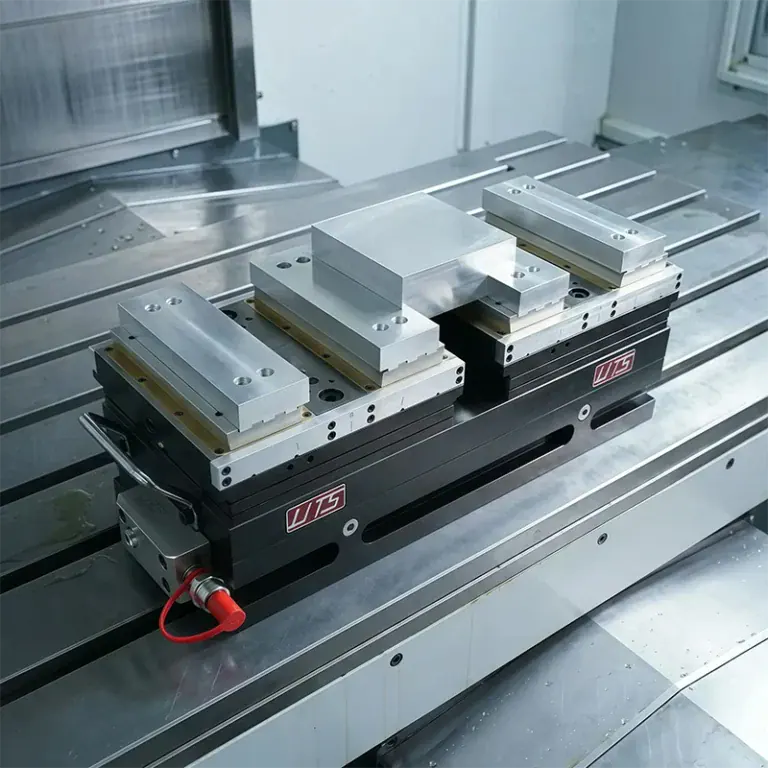
Because nylon exhibits a degree of flexibility, larger parts, thin-wall components, or complex structures may experience slight deformation during machining due to the release of cutting stresses. If not properly controlled, this may affect dimensional accuracy, create assembly difficulties, or even result in part rejection.Certain nylon parts with thin walls or large dimensions are particularly susceptible to deformation during machining.
To reduce deformation risks, the following methods are commonly used:
- Layered cutting
• Symmetrical machining
• Proper fixturing
• Multiple finishing passes
By optimizing machining strategies, the effects of internal stress release can be minimized, improving product accuracy and consistency.
Improving Surface Quality and Precision
For many industrial components, dimensional accuracy is important, but surface quality also directly affects product performance. In sliding mechanisms, rotating transmission systems, and precision assemblies, excessive surface roughness can increase friction, accelerate wear, and affect equipment stability.Therefore, in nylon CNC machining, surface quality control is just as important as dimensional accuracy.Many nylon components are involved in moving assemblies, making surface quality especially critical. Appropriate cutting tools and machining parameters are selected according to product requirements.
For high-performance products, additional processes may include:
- Fine milling
• Deburring
• Surface polishing
• Cleaning treatment
These processes further improve appearance quality and functional performance.To achieve optimal machining results, sharp specialized cutting tools are often used, while cutting speeds and feed rates are carefully controlled to minimize tool marks and burr formation. For products requiring superior appearance quality, additional polishing processes may be applied to create smoother and more uniform surfaces.
Advantages of Choosing Professional Nylon CNC Machining Services
For businesses, selecting an experienced nylon CNC machining service provider affects not only product quality but also project timelines and overall cost control.Professional machining manufacturers typically possess advanced equipment, extensive process expertise, and comprehensive quality management systems, enabling them to provide tailored solutions for different products.Throughout product development, prototype testing, and batch production, reliable machining services help reduce communication costs, improve project efficiency, and minimize rework risks caused by machining issues.
Rapid Prototyping and Product Validation
During product development, designs often undergo multiple rounds of optimization and revision. Rapid access to prototypes is critical for validating structure, assembly performance, and functional requirements.Traditional mold production requires significant investment and mold modifications whenever design changes occur, increasing both development cost and lead time.CNC machining can produce prototype parts without molds, enabling customers to quickly conduct product testing and structural verification.Engineers only need to generate machining programs based on 3D CAD drawings to manufacture parts that meet design specifications. The time from drawing approval to prototype delivery is typically much shorter than traditional mold manufacturing processes.
Support for Complex Structural Customization
As industrial products become more advanced, increasingly complex structural designs are being adopted. Features such as irregular contours, deep grooves, multi-angle holes, and precision assembly surfaces place higher demands on machining capabilities.Conventional machining methods often struggle to balance structural complexity with machining accuracy, whereas professional CNC machining can effectively meet these requirements.
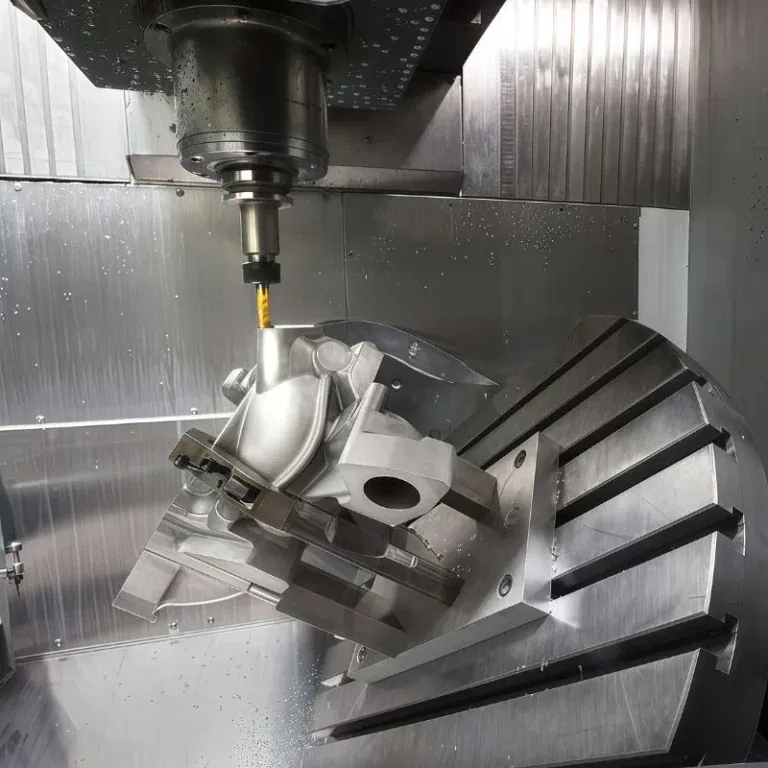
Professional machining teams develop optimized manufacturing processes based on product characteristics to achieve high-quality machining of complex structures.Using multi-axis CNC equipment and extensive programming expertise, manufacturers can produce complex curved surfaces and precision structures. This is especially beneficial for non-standard parts, where both single-piece customization and small-batch production can maintain high consistency and precision while offering greater manufacturing flexibility.
Ensuring Stable Delivery Quality
From material procurement to final shipment, every process is managed under strict quality control standards.During production, dimensional inspection, visual inspection, and assembly verification are performed according to product requirements to ensure compliance with engineering drawings.For high-precision projects, coordinate measuring machines (CMMs) may be used for comprehensive inspection.This not only improves product consistency but also facilitates smooth mass production, providing customers with stable and reliable product delivery.
Frequently Asked Questions
Q: Which material is better for CNC machining, Nylon (PA) or POM?
A: Both materials are common engineering plastics. Nylon offers superior wear resistance and toughness, making it suitable for gears, sliders, and moving components. POM provides better dimensional stability and lower moisture absorption, making it ideal for high-precision structural parts. The best choice depends on the application environment and performance requirements.
Q: What machining accuracy can nylon CNC machining achieve?
A: Under normal conditions, nylon parts can typically achieve machining tolerances of approximately ±0.05 mm. For simple structures and smaller components, even higher precision may be achieved through proper process control. However, because nylon absorbs moisture, actual precision requirements should be evaluated according to the product’s operating environment.
Q: Can nylon parts replace metal parts?
A: In some applications, yes. Nylon is lightweight, wear-resistant, self-lubricating, and corrosion-resistant. Under light to moderate load conditions, nylon can replace certain metal components while reducing equipment weight and operating noise.
Conclusion
Thanks to its outstanding material properties and flexible machining capabilities, nylon (PA) CNC machining is widely used in automation equipment, mechanical transmission systems, electronic devices, and the automotive industry.From prototyping to small-batch production, CNC machining enables companies to quickly transform design concepts into high-precision, high-quality customized products.Selecting the appropriate nylon material grade, developing a scientific machining strategy, and implementing a comprehensive quality inspection system are all essential for ensuring product performance.Whether for wear-resistant gears, mechanical sliders, or complex structural components, professional nylon CNC machining services can provide reliable manufacturing support.