Tin metal is a soft, silvery-white metal known for its corrosion resistance, low melting point, good solderability, and useful alloying performance. It is widely used in soldering, tin plating, bronze, pewter, bearing alloys, coatings, electronics, packaging, and precision manufacturing.
In this guide, we explain what is tin metal, what tin is made of, where tin appears on the periodic table, the main properties of tin, common tin uses, and how tin material is applied in modern industries.
What Is Tin Metal?
Tin metal is a chemical element with the symbol Sn and atomic number 50. It is a post-transition metal with a soft texture, silvery appearance, and excellent resistance to corrosion in many normal environments.
In simple terms, tin is not a plastic, ceramic, or metalloid. It is a real metal, but it is much softer and lower melting than many structural metals such as steel, titanium, or aluminum. This makes tin useful for joining, coating, alloying, and surface protection instead of heavy-duty load-bearing structures.
Tin material is often selected when engineers need solderability, corrosion protection, low-temperature processing, or compatibility with other metals. It is also widely used in alloys because even a controlled amount of tin can improve hardness, wear behavior, castability, or surface performance.
What Is The Other Term For Tin Metal?
The other common term for tin metal is Sn metal, because Sn is the chemical symbol for tin. The symbol Sn comes from the Latin word stannum, which historically referred to tin or tin-containing materials.
In engineering and material data sheets, you may see tin listed as tin element, Sn metal, refined tin, pure tin, tin ingot, tin plating, or tin alloy. These terms do not always mean the same product form, so the exact grade and composition should be checked before manufacturing.
For example, pure tin is different from tin bronze, tin-lead solder, pewter, or tin-plated steel. The word “tin” may refer to the element itself, a coating, an alloy ingredient, or a commercial product, depending on the context.
Where Is Tin Found?
Tin is mainly found in cassiterite ore, which contains tin oxide. After mining, the ore is concentrated, smelted, refined, and cast into usable forms such as ingots, bars, powders, anodes, or alloy feedstock.
Tin deposits are commonly associated with regions in Asia, South America, and Africa. Commercial tin production depends on ore quality, refining capacity, global supply chains, recycling, and demand from electronics and industrial applications.
For buyers and manufacturers, where tin is found matters because material availability, price, purity, and lead time can affect project planning. When tin or tin alloys are required for precision parts, confirmed material certification is important.
What Is Tin Made Of?
Tin metal is made of the chemical element tin, not a mixture of different metals. In its pure form, tin is an elemental metal with the symbol Sn.This is an important point because many people confuse tin with tin cans, tin foil, bronze, or solder.
Pure tin is one element, while many commercial “tin” products are actually tin-coated steel, tin alloys, or materials that only contain tin as one ingredient.
When someone asks what is tin made of, the correct answer depends on the product. Pure tin is made of tin atoms, while tin solder, pewter, bronze, and tinplate are made from tin combined with other metals or used as a coating on another base material.
Is Tin An Element Or An Alloy?
Tin is an element, not an alloy. However, tin is very often used to make alloys because it mixes well with metals such as copper, lead, silver, antimony, bismuth, and zinc.
This distinction is important in manufacturing. Pure tin has useful corrosion resistance and solderability, but it is relatively soft and not strong enough for many structural parts. Tin alloys are often more practical because alloying improves hardness, strength, wear resistance, or casting performance.
For example, bronze is mainly copper with tin added. Pewter is typically tin-based with other metals added for hardness. Solder alloys may contain tin with lead, silver, copper, bismuth, or antimony depending on performance and regulatory requirements.
Composition Of Tin Metal
The composition of pure tin metal is tin itself, usually refined to a high purity level for industrial use. Commercial refined tin may be supplied in grades such as 99.85% to 99.99% purity depending on the application.
For simple material identification, tin is represented as Sn. For engineering use, the supplier should specify purity, impurity limits, physical form, and whether the material is pure tin, tin alloy, or tin coating.
Composition becomes more important when tin is used in electronics, plating, soldering, or precision manufacturing. Small amounts of lead, copper, silver, antimony, or bismuth can change melting behavior, mechanical strength, conductivity, and reliability.
How Is Tin Metal Produced?
Tin metal is produced by mining tin-bearing ore, concentrating the ore, smelting tin oxide into metallic tin, refining impurities, and casting the final material. The most important tin ore is cassiterite, which contains tin dioxide.
The production route usually starts with ore separation. The concentrated ore is then heated with carbon to reduce tin oxide into metallic tin. Refining removes unwanted elements such as iron, lead, arsenic, or other impurities.
After refining, tin can be cast into ingots, processed into powder, used for solder alloys, made into anodes for plating, or supplied as raw material for alloy production. The final form depends on whether the tin will be used for electronics, coatings, casting, chemicals, or manufacturing.
What Does Tin Metal Look Like?
Tin metal looks like a soft, silvery-white or slightly bluish-white metal with a smooth metallic luster. Fresh tin surfaces can appear bright and reflective.
What Is The Color Of Tin?
The color of tin is usually silvery-white with a slight bluish or grayish tone. Clean tin has a metallic shine, but the surface may become duller over time depending on handling, oxidation, and environment.
This color is one reason tin has historically been used for coatings, household items, and food packaging surfaces. A thin tin coating can give steel a clean, bright, corrosion-resistant surface.
For precision manufacturing, color is usually less important than coating thickness, adhesion, corrosion resistance, and surface finish. A visually bright tin surface still needs proper inspection when used for functional parts.
Is Tin Soft Or Hard?
Tin is a soft metal compared with most common structural metals. It can deform more easily than steel, stainless steel, copper alloys, or aluminum alloys.
This softness gives tin good formability and soldering performance, but it also limits its use in high-load mechanical parts. Pure tin is not normally selected when high tensile strength, wear resistance, or impact resistance is required.
When higher strength is needed, tin is usually used in alloy form. Tin bronze, pewter, solder alloys, and bearing alloys use tin together with other metals to improve practical performance.
Is Tin Magnetic?
Tin is not magnetic in normal industrial use. It is generally considered non-magnetic, which makes it suitable for selected electronic, coating, and precision applications where magnetic interference is undesirable.
This property can be useful when tin is used in electronic solder, plating, connectors, or sensitive assemblies. However, non-magnetic behavior does not mean the final component is non-magnetic if tin is only a coating over a magnetic base metal.
For example, tin-plated steel may still respond to a magnet because the base steel is magnetic. Engineers should evaluate the whole material system, not only the tin layer.
Key Properties Of Tin Metal
The key properties of tin metal include low melting point, soft texture, good malleability, corrosion resistance, moderate electrical conductivity, excellent solderability, and strong alloying ability. These properties explain why tin remains useful in electronics, coatings, soldering, alloys, and precision components.
Physical Properties Of Tin
The physical properties of tin include a silvery-white appearance, density of about 7.31 g/cm³, melting point of about 231.9°C, and boiling point of about 2602°C. These values make tin useful for low-temperature melting and alloying.
Tin’s low melting point is one of its most practical features. It allows tin-based solder to melt and join components without damaging many surrounding materials.
In manufacturing, these physical properties affect process selection. Tin can be melted, cast, plated, alloyed, and formed more easily than many higher-temperature metals, but its softness must be considered in mechanical design.
Mechanical Properties Of Tin
The mechanical properties of tin include softness, malleability, ductility, and relatively low strength. Tin can be shaped and formed, but pure tin is not strong enough for most structural components.
This means tin is useful where flexibility, coating, joining, or alloying is needed. It is less suitable for parts that must carry heavy loads, resist high stress, or withstand repeated impact.
In practical manufacturing, tin is often combined with other metals to improve mechanical performance. Tin bronze and bearing alloys are good examples of using tin to improve the performance of a stronger metal system.
Chemical Properties Of Tin
The chemical properties of tin include good corrosion resistance, stable oxide behavior, and the ability to form useful compounds and alloys. Tin does not rust like iron because rust specifically refers to iron oxide.
Tin resists corrosion in many everyday environments because a thin oxide layer can help protect the surface. This makes tin useful for coatings, food packaging, and protective plating.
However, tin is not immune to all chemicals. Strong acids, strong alkalis, or specific industrial environments may attack tin or tin coatings, so chemical compatibility should be checked for demanding applications.
Electrical Conductivity Of Tin
Tin has moderate electrical conductivity and is widely used in electronic solder and plated electrical contacts. It does not conduct electricity as well as copper or silver, but it performs well in many joining and coating applications.
The electrical value of tin is closely linked to solderability and surface protection. Tin coatings can protect copper conductors or contact surfaces while supporting reliable electrical connection.
In electronics, tin is commonly used in solder alloys and plating systems. Design teams should consider conductivity, plating thickness, whisker risk, oxidation, and long-term reliability.
Corrosion Resistance Of Tin
Tin has good corrosion resistance in many normal environments. This is one reason tin is widely used as a protective coating on steel, copper, and other metals.
Tin plating can protect base metals from oxidation and improve surface appearance. Tinplate, which is tin-coated steel, has long been used in food cans and packaging because it combines steel strength with tin’s surface protection.
For precision parts, corrosion performance depends on coating quality, thickness, surface preparation, and service environment. Poor adhesion, scratches, or exposed base metal can reduce protection.
Ductility And Malleability Of Tin
Tin is ductile and malleable, meaning it can be deformed or shaped without immediately cracking under suitable conditions. This makes tin useful for forming, coating, and alloying operations.
However, tin’s ductility does not mean it is mechanically strong. A material can be easy to form but still too soft for demanding structural use.
In manufacturing, tin’s formability is often beneficial in soldering, plating, foil-related materials, and soft alloy systems. For load-bearing parts, alloy selection and mechanical testing are more important.
Machinability Of Tin
Tin has good machinability because it is soft and can be cut with relatively low force. However, pure tin may smear, deform, or produce poor chip control if machining parameters are not selected correctly.
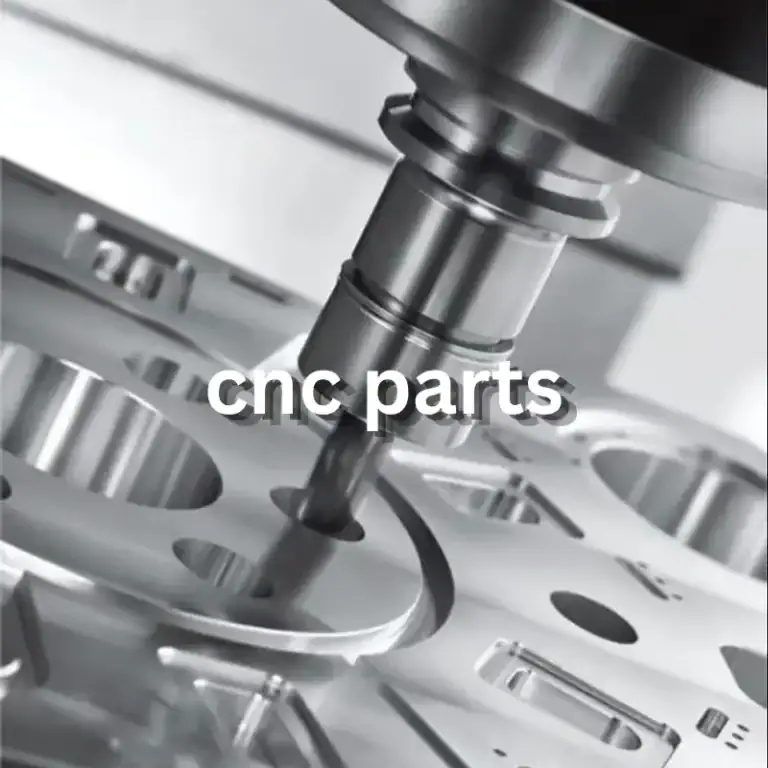
CNC machining of pure tin is less common than machining tin alloys because pure tin is very soft. Tin bronze, tin-bearing copper alloys, babbitt metals, and other tin alloys are more practical for machined industrial components.
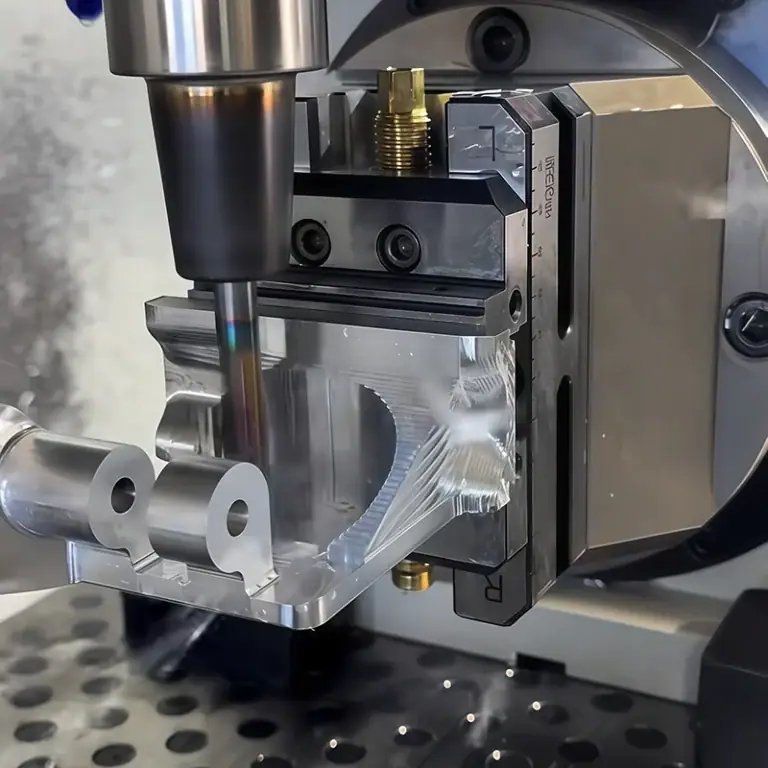
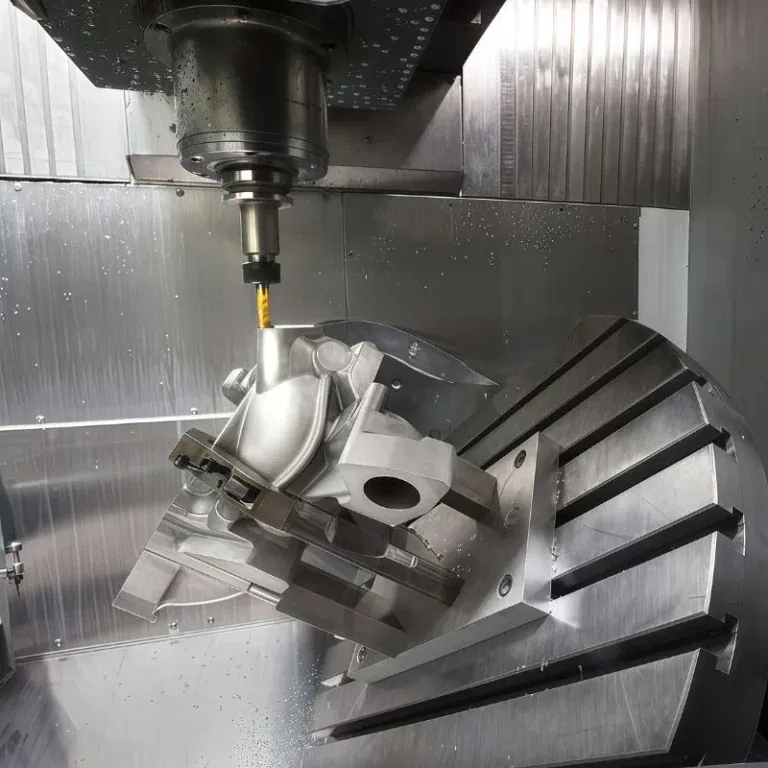
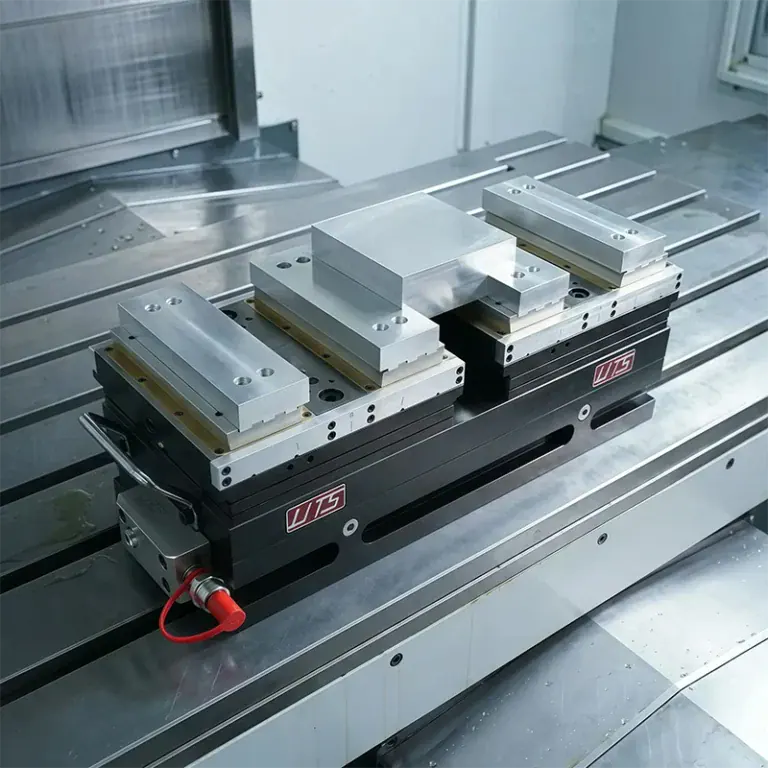
For CNC milling , CNC turning, drilling, or precision finishing, the main concerns are tool sharpness, workholding stability, heat control, burr formation, and dimensional consistency. Soft tin-rich materials may need sharp tools and light cutting forces to avoid deformation.
Tin Whisker Risk In Plating
Tin whisker risk refers to the growth of tiny, hair-like metallic filaments from some tin-plated surfaces. These whiskers can create reliability problems in electronic assemblies if they bridge nearby conductive features.
This issue is mainly associated with pure tin plating and certain stress conditions. It is especially important in electronics, aerospace, automotive electronics, and high-reliability electrical systems.
To reduce risk, manufacturers may use alloyed coatings, controlled plating processes, annealing, barrier layers, or design spacing rules. Tin plating should be specified carefully when electrical reliability is critical.
Tin Compared With Other Common Metals
Tin is softer, lower melting, and less structurally strong than many common metals, but it offers better solderability and useful corrosion resistance. This makes tin different from metals such as copper, lead, aluminum, and zinc.
Tin Vs. Copper
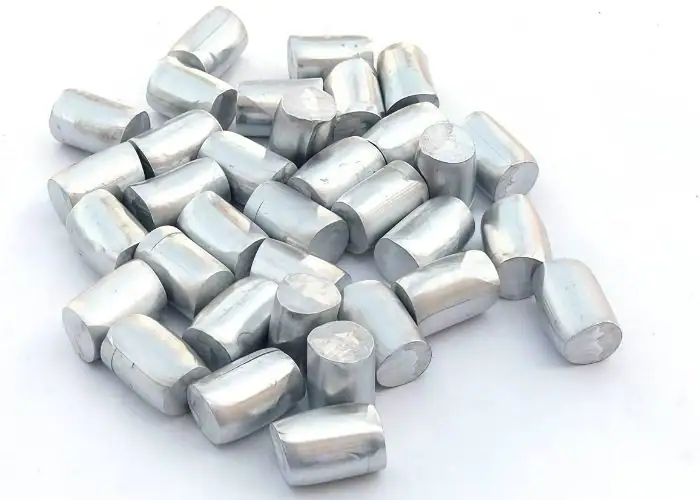
Tin is softer and less electrically conductive than copper, but it is valuable as an alloying and coating element for copper-based materials. Copper provides high conductivity, while tin can improve corrosion resistance, hardness, and wear behavior in bronze.
Tin bronze is one of the most important examples. By adding tin to copper, the alloy can achieve better strength and wear resistance than pure copper in selected applications.
For CNC machined parts, copper is often selected for electrical and thermal conductivity, while tin bronze may be selected for bushings, bearings, wear plates, and components requiring better durability.
Tin Vs. Lead
Tin is generally safer and more corrosion-resistant for many consumer and industrial uses than lead, while lead is denser and softer. Tin is also widely used in lead-free solder systems because of environmental and regulatory pressure on lead.
Traditional tin-lead solder was valued for its low melting behavior and reliable performance. However, many modern electronic applications now use lead-free solder alloys containing tin with silver, copper, bismuth, or other elements.
When comparing tin and lead, engineers should consider toxicity, regulations, melting behavior, mechanical reliability, and application environment.
Tin Vs. Aluminum
Tin is much denser and softer than aluminum, while aluminum is lighter, stronger, and more widely used for structural and CNC machined parts. Aluminum is often selected for housings, brackets, heat sinks, and lightweight components.
Tin is not usually chosen for structural weight-saving applications. Instead, it is used for soldering, plating, coatings, or alloying where its low melting point and corrosion resistance are more important.
For manufacturing, aluminum alloys are commonly CNC milled and turned. Tin-containing alloys may also be machined, but pure tin is less common for precision structural parts.
Tin Vs. Zinc
Tin and zinc are both corrosion-resistant metals used in coatings and alloys, but they behave differently. Zinc is commonly used for galvanizing steel, while tin is often used for tin plating, soldering, and food-safe protective coatings.
Zinc has a higher melting point than tin and is widely used in die casting, galvanizing, and zinc alloys. Tin is more important in soldering, electronics, bronze, pewter, and selected plating systems.
For product design, tin and zinc should not be treated as interchangeable. The correct choice depends on coating purpose, corrosion environment, solderability, temperature, and regulatory requirements.
Common Tin Alloys
Common tin alloys include bronze, pewter, solder alloys, bearing alloys, and tin-based specialty alloys. These alloys use tin to improve workability, corrosion resistance, hardness, melting behavior, or bearing performance.
Why Tin Alloys Are Popular
Tin alloys are popular because tin mixes well with many metals and improves useful properties such as solderability, corrosion resistance, hardness, and low-temperature melting. This makes tin valuable in both traditional and modern industries.
Tin’s low melting point is especially important for soldering and casting. Its corrosion resistance is useful in coatings and protective surfaces. Its alloying behavior improves copper alloys, bearing metals, and specialty materials.
In precision manufacturing, tin alloys are often easier to use than pure tin because they can provide better mechanical strength, better wear resistance, and more stable machining behavior.
Bronze
Bronze is a copper-based alloy that commonly contains tin. Tin improves copper’s hardness, wear resistance, and durability, making bronze useful for bushings, bearings, gears, marine hardware, and wear components.
The amount of tin in bronze depends on the alloy grade and application. Some bronze alloys are designed for strength, while others are optimized for corrosion resistance, bearing performance, or machinability.
For CNC machining, bronze alloys can produce durable parts with good wear behavior. Tooling, cutting speed, chip control, and surface finish should be adjusted based on the exact bronze grade.
Pewter
Pewter is a tin-based alloy that usually contains tin with small amounts of antimony, copper, bismuth, or other elements. It is known for its smooth appearance, castability, and decorative value.
Modern pewter is often lead-free and used for decorative parts, jewelry, tableware, models, and specialty cast items. Its high tin content gives it a bright surface and relatively low melting behavior.
Pewter is not usually used for high-load mechanical parts. It is more suitable for appearance parts, low-stress components, and products where surface quality and casting detail matter.
Solder Alloys
Solder alloys often use tin as the main component because tin melts at a relatively low temperature and wets many metal surfaces well. This makes tin essential for joining electronic components and metal assemblies.
Traditional solder may contain tin and lead, while many modern lead-free solders contain tin with silver, copper, bismuth, antimony, or other elements. Each composition affects melting point, joint strength, fatigue behavior, and process reliability.
For electronics manufacturing, solder alloy selection must consider electrical reliability, thermal cycling, regulatory compliance, and compatibility with component finishes.
Bearing Alloys
Bearing alloys can contain tin because tin provides low friction and good compatibility with sliding surfaces. Tin-based babbitt metals are widely known for bearing applications.
Pure tin is too soft for many mechanical parts, but tin-based bearing alloys can support a soft, conformable surface that helps reduce friction and protect shafts under controlled conditions.
Bearing alloy design must balance softness, fatigue resistance, load capacity, lubrication, temperature, and compatibility with the mating component. Tin-rich bearing materials are useful when low friction and surface conformability are priorities.
Tin-Based Specialty Alloys
Tin-based specialty alloys are designed for applications that need specific melting points, casting behavior, surface performance, or functional properties. These alloys may include bismuth, antimony, silver, copper, lead, or other elements.
Some low-melting alloys use tin with bismuth or other metals for thermal fuses, safety devices, prototypes, or controlled-temperature applications. Other tin alloys are used in electronics, coatings, and advanced materials.
Specialty alloy selection should be based on exact operating temperature, mechanical load, electrical needs, toxicity restrictions, and manufacturing method.
Industrial Applications Of Tin Metal
Tin metal is used in industry for soldering, plating, protective coatings, alloys, electronics, automotive parts, glass production, medical tools, and advanced materials. Its value comes from corrosion resistance, solderability, low melting point, and alloying performance.
Soldering And Electronics
Tin is widely used in soldering and electronics because it melts at a low temperature and bonds well to many metal surfaces. It helps create electrical and mechanical connections in circuit boards, wiring, connectors, and electronic assemblies.
Tin-based solder supports reliable joining without needing the high temperatures required for welding or brazing. This protects delicate electronic components and allows efficient production.
In electronics, solder composition must be carefully selected. Lead-free requirements, thermal cycling, joint strength, wetting behavior, and tin whisker risk can all affect long-term reliability.
Tin Plating And Protective Coatings
Tin plating is used to protect metal surfaces from corrosion and improve solderability, appearance, and electrical contact performance. It is commonly applied to steel, copper, and electronic components.
Tin-plated steel, often called tinplate, is widely used in food cans and packaging because it combines steel’s strength with tin’s corrosion resistance and surface safety. Tin plating is also common on terminals, connectors, and contacts.
For precision components, plating quality is critical. Coating thickness, adhesion, surface preparation, porosity, and post-treatment can affect performance more than the presence of tin alone.
Automotive Components
Tin is used in automotive components mainly through solder, plating, coatings, and copper alloys. It supports electrical reliability, corrosion protection, and wear performance in selected systems.
Automotive electronics rely on solder joints, terminals, connectors, sensors, and control modules. Tin coatings can help protect electrical contact surfaces and improve solderability.
Tin bronze and other tin-containing alloys may also be used for bushings, bearings, and wear-resistant components. In these cases, the alloy is chosen for durability, friction behavior, and machinability.
Glass Production
Tin is used in glass production through the float glass process. Molten glass can float on molten tin to form a very flat and smooth glass surface.
This application works because molten tin provides a stable, smooth bath at high temperature without easily reacting with the glass. It allows large sheets of flat glass to be produced efficiently.
Float glass is used in windows, automotive glass, displays, mirrors, and architectural products. Tin’s role is indirect but essential for achieving consistent flatness and surface quality.
Optical And Reflective Coatings
Tin and tin compounds can be used in optical coatings, reflective surfaces, and transparent conductive materials. Tin oxide, for example, is used in some functional coatings.
These applications depend on chemical form and processing method. Pure tin metal, tin oxide, and tin-containing compounds do not behave the same way.
In optical and precision applications, surface quality, coating thickness, adhesion, transparency, and electrical behavior must be controlled carefully.
Medical And Dental Applications
Tin is used in selected medical and dental applications through alloys, coatings, and compounds. Its role depends on safety, corrosion behavior, biocompatibility, and the specific material system.
Historically, tin has appeared in dental materials and specialty alloys. Modern applications require strict material standards, purity control, and regulatory compliance.
For medical-related manufacturing, tin-containing materials must be evaluated based on the exact alloy, exposure condition, sterilization method, and applicable certification requirements.
Robotics And Automation
Tin is used in robotics and automation mainly through solder, electrical contacts, connectors, plated components, and tin-containing alloys. These systems require stable electrical and mechanical performance.
Robots and automated equipment depend on sensors, controllers, motors, wiring, and signal connections. Tin-based solder and tin-plated contacts help support reliable electrical assembly.
For mechanical parts, tin bronze or bearing alloys may be used where wear resistance and low friction are important. CNC machining can produce custom bushings, sleeves, and precision components from these alloys.
Renewable Energy And Advanced Materials
Tin is used in renewable energy and advanced materials through soldering, coatings, battery research, solar technologies, and specialty compounds. Its low melting point and electronic compatibility make it useful in many energy-related systems.
Solar panels, power electronics, and battery assemblies often rely on reliable joining and conductive materials. Tin-based solder plays an important role in these manufacturing processes.
Tin compounds are also studied and used in advanced materials where electrical, optical, or chemical behavior matters. Application success depends on stability, efficiency, cost, and supply chain reliability.
Chemical Industry
Tin is used in the chemical industry as tin compounds, catalysts, stabilizers, coatings, and functional materials. Tin oxide, tin chloride, and organotin compounds have different industrial uses.
These materials can support ceramics, glass, coatings, flame retardants, plastics, and specialty chemical processes. However, chemical form strongly affects performance and safety.
Manufacturers should not treat all tin compounds as the same. Handling, toxicity, storage, and environmental rules depend on the exact compound and application.
Advantages Of Tin Metal
The main advantages of tin metal are corrosion resistance, solderability, low melting point, good formability, useful alloying behavior, and surface protection. These advantages make tin valuable even though it is not a high-strength metal.
Good Corrosion Resistance
Tin provides good corrosion resistance in many normal environments. It can help protect steel, copper, and other metals when used as a coating.
This is why tin plating is widely used in packaging, food cans, electrical terminals, and corrosion-sensitive components. A tin layer can reduce direct exposure of the base metal to air and moisture.
However, corrosion resistance depends on coating quality and environment. Scratches, pores, thin plating, or aggressive chemicals can reduce protection.
Excellent Solderability
Tin has excellent solderability because it melts at a low temperature and wets many metal surfaces effectively. This makes it one of the most important elements in solder alloys.
Good solderability helps create reliable joints in electronics, electrical assemblies, and small metal components. It also supports efficient manufacturing because joining can be done without melting the base materials.
Solder performance depends on alloy composition, flux, surface cleanliness, temperature profile, and joint design. Tin is essential, but process control is still required.
Good Formability
Tin has good formability because it is soft, malleable, and ductile. It can be rolled, shaped, coated, or alloyed more easily than many harder metals.
This property is useful for coatings, foil-related products, low-temperature casting, and some alloy systems. It also helps tin conform to surfaces during joining and plating.
For precision parts, formability must be balanced with strength. Soft materials can deform during machining, assembly, or service if the design does not account for load and contact pressure.
Useful Alloying Performance
Tin has useful alloying performance because it mixes with many metals and improves specific properties. It is widely used with copper, lead, silver, antimony, bismuth, and other metals.
In bronze, tin improves copper’s hardness and wear resistance. In solder, tin helps control melting and joining behavior. In bearing alloys, tin supports low friction and conformability.
This alloying flexibility makes tin important across electronics, mechanical components, casting, coatings, and specialty manufacturing.
Safe Protective Coating For Selected Applications
Tin can be a safe protective coating for selected applications, especially where corrosion resistance and surface cleanliness are important. Tinplate is widely used in food packaging because it protects steel while providing a suitable contact surface.
This does not mean every tin compound or tin process is automatically safe. The coating system, base metal, application, and regulatory requirements must still be checked.
For parts used in food, medical, or consumer applications, suppliers should confirm material standards, plating quality, and compliance documentation before production.
Disadvantages And Limitations Of Tin Metal
The main disadvantages of tin metal are low strength, softness, low melting point, possible tin whiskers in plating, and cost or supply sensitivity. These limitations explain why pure tin is not used for every metal part.
Low Strength Compared With Structural Metals
Tin has low strength compared with structural metals such as steel, aluminum alloys, stainless steel, titanium, and many copper alloys. Pure tin is not normally used for load-bearing parts.
Its softness can lead to deformation, wear, or dimensional instability under mechanical stress. This makes pure tin unsuitable for high-load shafts, brackets, frames, or impact-resistant components.
When mechanical strength is needed, engineers usually choose tin alloys or use tin only as a coating or soldering material.
Low Melting Point
Tin has a low melting point of about 231.9°C. This is useful for soldering but can be a limitation in high-temperature environments.
If a part is exposed to elevated temperature, tin may soften, creep, or lose mechanical stability. Tin-based solder joints can also be affected by thermal cycling and service temperature.
For high-temperature applications, engineers must check operating temperature, safety margin, alloy composition, and long-term thermal reliability.
Tin Whiskers In Electronic Plating
Tin whiskers in electronic plating can create reliability risks because tiny metallic filaments may grow from tin-coated surfaces. These whiskers can cause short circuits in dense electronic assemblies.
This is especially important in aerospace, automotive electronics, industrial controls, telecommunications, and high-reliability products. Pure tin plating requires careful process control.
Risk reduction methods include using suitable plating specifications, alloyed tin coatings, barrier layers, annealing, and proper design spacing.
Cost And Supply Considerations
Tin cost and supply can vary because production depends on mining, refining, recycling, and global demand from electronics and industrial markets. Price changes can affect solder, plating, and alloy costs.
Tin is not usually the cheapest metal option. If the design only needs a basic structural metal, aluminum, steel, or zinc may be more economical.
However, when solderability, corrosion resistance, or tin-specific alloy performance is required, tin may justify its cost by improving product reliability and manufacturing quality.
Tin Metal In Manufacturing
Tin metal is used in manufacturing through soldering, plating, alloy production, casting, coating, and machining of tin-containing alloys. It supports both functional surfaces and precision components.
Can Tin Be CNC Machined?
Tin can be CNC machined, but pure tin is soft and may deform or smear during cutting. Tin alloys are usually more practical for CNC turning, CNC milling, drilling, and finishing.
For pure tin, sharp tools, light cutting forces, stable fixturing, and careful chip control are important. Excessive pressure or heat may damage dimensional accuracy and surface quality.
For tin bronze and other tin-containing alloys, CNC machining is more common. These materials can be used for bushings, bearings, sleeves, wear parts, connectors, and custom precision components.
Can Tin Be Laser Cut?
Tin can be laser cut in some forms, but the result depends on thickness, reflectivity, thermal behavior, and whether the material is pure tin, tin sheet, tinplate, or a tin alloy. Process testing may be needed.
Because tin has a low melting point, laser parameters must be controlled carefully to avoid excessive melting, edge distortion, or poor cut quality. Thin tin sheet or tin-coated materials may behave differently from solid tin.
For precision production, engineers should compare laser cutting with stamping, CNC machining, waterjet cutting, or chemical processing depending on tolerance, edge quality, quantity, and material form.
Tin Plating In Precision Parts
Tin plating in precision parts is used to improve solderability, corrosion resistance, surface protection, and electrical contact performance. It is common on connectors, terminals, contacts, and small metal components.
Good plating requires proper surface preparation, controlled thickness, adhesion testing, and inspection. If plating is too thin, porous, or poorly bonded, it may not provide reliable protection.
For tight-tolerance components, coating thickness must be considered in the drawing. Plating can change final dimensions, fit, and contact behavior.
Tin Alloys In Custom Manufacturing
Tin alloys in custom manufacturing are used when pure tin is too soft but tin’s properties are still valuable. Common examples include tin bronze, bearing alloys, pewter, solder alloys, and low-melting specialty alloys.
These materials can support wear resistance, low friction, castability, corrosion resistance, solderability, or decorative quality. The right alloy depends on load, movement, temperature, appearance, and service environment.
For CNC machined parts, tin bronze and bearing alloys are especially useful when the part needs wear resistance and reliable sliding performance. Material certificates and grade confirmation are important before production.
Environmental Impact And Sustainability Of Tin
Tin’s environmental impact depends on mining, refining, recycling, waste control, and responsible sourcing. Tin can be recycled, but mining and smelting still require environmental management.
Mining And Production Impact
Tin mining and production can affect land, water, and local ecosystems if not controlled properly. Cassiterite mining, ore concentration, smelting, and refining all require responsible environmental management.
Production impact may include energy use, tailings, wastewater, emissions, and disturbance of mining areas. These risks vary by region and producer.
For companies using tin in products, responsible sourcing helps reduce supply chain risk. Certifications, supplier audits, and traceability can support better material decisions.
Recycling Of Tin
Tin can be recycled from solder, tinplate, alloys, electronic waste, and industrial scrap. Recycling helps reduce dependence on mined tin and supports circular material use.
Recycled tin can be refined and reused without losing the basic value of the element. This is important for electronics, packaging, solder recovery, and alloy production.
For manufacturers, separating tin-containing scrap and working with qualified recyclers can reduce waste and improve sustainability performance.
Responsible Use In Industry
Responsible use of tin in industry means choosing the correct grade, minimizing waste, controlling hazardous compounds, and sourcing from reliable suppliers. It also means designing parts and processes that use tin efficiently.
In electronics, responsible use includes managing solder waste, plating chemicals, and tin whisker reliability. In coatings and packaging, it includes confirming safety and corrosion requirements.
For custom manufacturing, responsible use starts with design review. Engineers should specify tin only where its properties provide real functional value.
FAQs
What Are 5 Uses Of Tin?
Five common uses of tin include soldering electronic components, tin plating steel for corrosion protection, making bronze alloys, producing pewter, and creating protective coatings for packaging or industrial parts. Tin is also used in glass production, bearing alloys, chemical compounds, and some advanced materials because of its solderability, corrosion resistance, and alloying performance.
Why Is Tin Not Used Anymore?
Tin is still used today, but pure tin is less common in some products because cheaper or stronger materials have replaced it. For example, modern “tin foil” is usually made of aluminum because aluminum is lighter, cheaper, and easier to roll into thin sheets. However, tin is still important in soldering, tin plating, coatings, bronze, electronics, and corrosion-resistant applications.
Is Tin A Good Metal?
Tin is a good metal when the application needs corrosion resistance, solderability, low melting point, or surface protection. It is soft and easy to form, but it is not suitable for high-strength structural parts. In manufacturing, tin is often used as a coating, solder material, or alloying element rather than as a pure load-bearing metal.
Is Tin Aluminium?
Tin is not aluminium. Tin is a separate chemical element with the symbol Sn and atomic number 50, while aluminium has the symbol Al and atomic number 13. Tin is denser, softer, and has a much lower melting point than aluminium. Modern foil is usually aluminium, although many people still call it “tin foil.”
Conclusion
Tin metal is a soft, silvery-white Sn metal with a low melting point, good corrosion resistance, strong solderability, and useful alloying performance. It is not a high-strength structural metal, but it plays an important role in soldering, coatings, tin plating, bronze, pewter, bearing alloys, electronics, glass production, packaging, and advanced materials. Understanding what is tin metal helps engineers choose the right tin material for joining, protection, alloying, or functional manufacturing needs.
At TiRapid, we provide precision CNC machining services for custom metal and plastic components. If your project involves tin bronze, bearing alloys, plated components, precision connectors, functional prototypes, or low-volume custom parts, our team can support material review, machining feasibility, tolerance control, and production-ready manufacturing solutions.