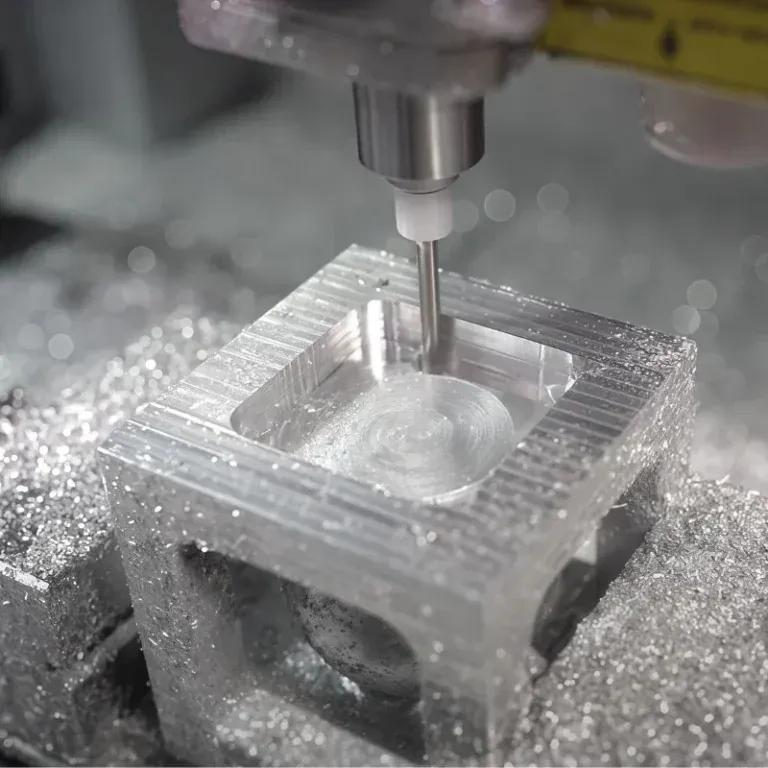
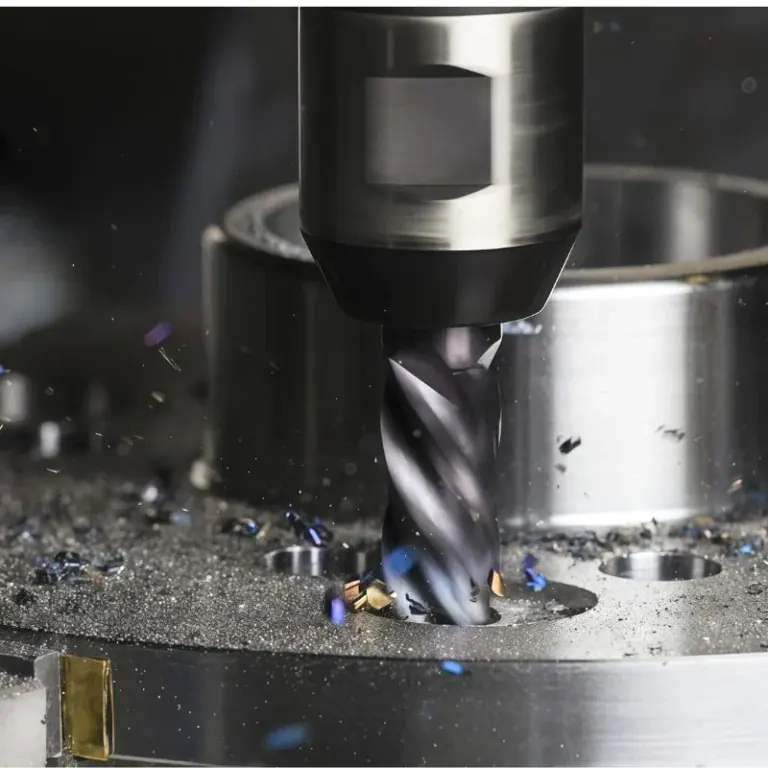
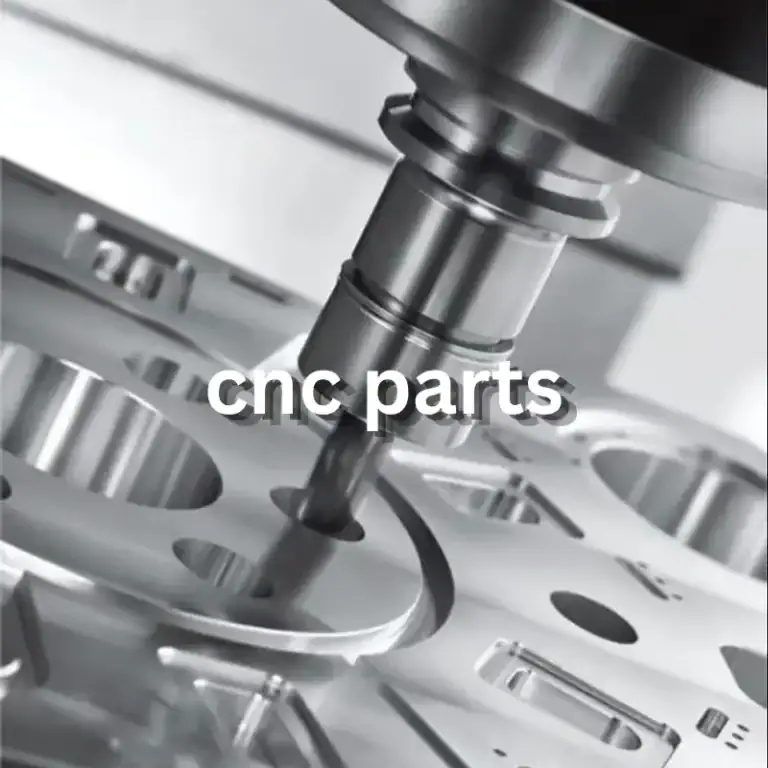
As industrial equipment becomes larger and more sophisticated, the components inside it are getting bigger too. Large machine bases, equipment supports, mounting platforms, housings, and long structural parts may look relatively simple, but machining them accurately can be a real challenge. Once part dimensions increase, issues such as fixturing, tool reach, material stress, and machining deformation become much more difficult to control. For industrial equipment manufacturers, the real concern is not simply whether a large part can be machined, but whether its dimensions remain stable, mounting holes line up correctly, and production stays on schedule. A reliable large-part CNC machining solution needs to address these practical issues before production begins.
Why Are Large Industrial Equipment Parts Difficult to Machine?
The biggest challenge with large parts is often not a particularly complicated feature, but the fact that small errors become more significant as the overall dimensions increase. The longer, wider, or heavier the part, the more noticeable the effects of cutting forces, clamping pressure, and internal stress can become. If process planning is not handled properly, dimensional problems may only be discovered at the final stage, making rework much more expensive.
Large Structures Are More Prone to Machining Deformation
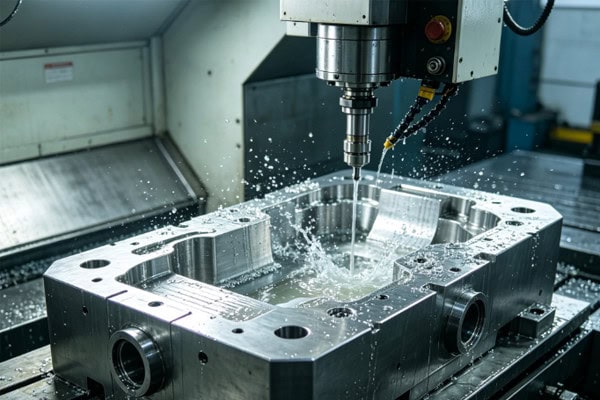
Large metal parts often require substantial material removal during rough machining. As internal stresses are released, the part may change shape or dimensions. Aluminum alloys, stainless steel, and certain alloy steels each have their own deformation risks, and these issues cannot always be corrected during the final finishing operation.
- Avoid removing too much material in a single roughing operation and leave suitable machining allowance.
- Allow the part to stabilize before finishing to reduce dimensional changes.
- Reduce cutting loads around thin walls, long edges, and unsupported areas to prevent excessive local stress.
Precision control for large parts is a process that starts well before final finishing. From the initial material condition through roughing and finishing to final inspection, every stage should leave enough room for adjustment. This makes it easier to maintain stable dimensions instead of discovering that a part was acceptable at one stage but changed later.
Fixturing Directly Affects Machining Results
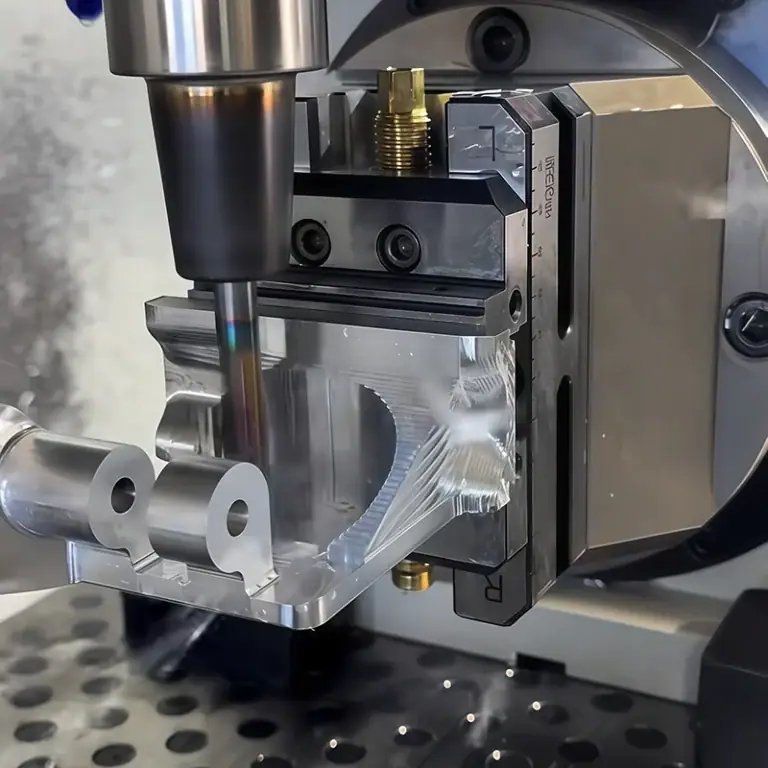
Large parts are heavy and often have large contact surfaces, which can make fixturing appear straightforward. In practice, uneven clamping forces can easily create problems. Excessive clamping pressure may deform the part, while insufficient support can allow movement during cutting. This is particularly important for large mounting plates and equipment bases, where the clamping condition can directly affect flatness and hole positioning.
- Design support points and clamping positions around the actual load distribution of the part.
- Minimize repeated repositioning during machining.
- Add auxiliary support to areas that are more likely to vibrate.
- Check the machining datum before production to ensure reliable positioning.
Good fixturing is not simply about holding a part in place. The goal is to keep the workpiece as stable and close to its natural condition as possible throughout machining. For large industrial equipment components, getting this stage right can make subsequent dimensional control much easier.
Machine Capacity Places Higher Demands on Large-Part Machining
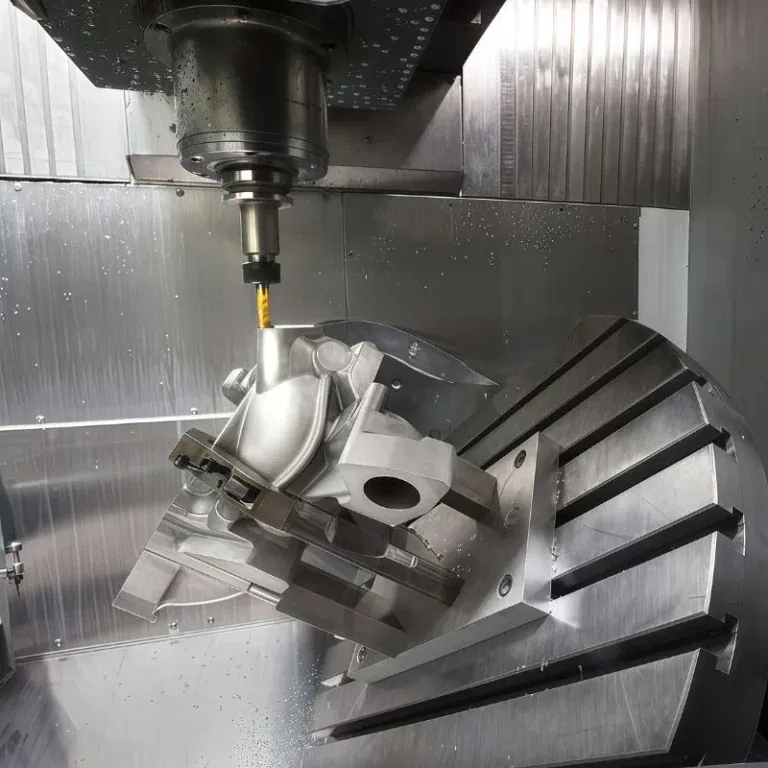
Large parts may exceed the effective working range of conventional CNC machines. This brings the machine’s travel range, table load capacity, spindle performance, and tool accessibility into consideration. If the equipment is not properly matched to the part, even a correct machining program may result in inaccessible areas or repeated setups.
When selecting equipment, it is worth checking:
- Whether the table size and maximum load capacity are sufficient.
- Whether the X, Y, and Z travel ranges cover the required machining area.
- Whether spindle rigidity is suitable for large-part cutting.
- Whether a consistent machining datum can be maintained after multiple setups.
Large-part machining is not simply about whether the workpiece can physically fit inside the machine. The more important question is whether the part can be machined reliably once it is loaded. Machine space, load capacity, and machining accuracy should all have sufficient allowance to avoid equipment limitations affecting production later.
How Can Large-Part CNC Machining Improve Efficiency and Precision?
Large components often require long machining cycles. If inefficient methods are used throughout production, manufacturing costs can rise quickly and delivery schedules may become difficult to maintain. A mature CNC machining process plans material removal, tool paths, machining sequences, and critical dimensional control together. The goal is to reduce unnecessary machining while maintaining the required precision.
Separate Roughing and Finishing Operations
The primary purpose of rough machining is to remove excess material efficiently, while finishing focuses on achieving final dimensions and surface quality. Mixing these two objectives can allow cutting loads to interfere with final dimensional accuracy.
- Rough machining focuses on efficient material removal.
- Semi-finishing gradually corrects the part shape and remaining allowance.
- Finishing focuses on mounting surfaces, holes, and critical mating areas.
- Independent inspection can be arranged for critical dimensions to avoid discovering problems only at the end.
This machining sequence is particularly suitable for large industrial equipment components. Material can be removed quickly during the early stage, adjustment allowance can be maintained during intermediate machining, and the final stage can focus on critical areas. This helps control both machining time and dimensional stability.
Common Large Industrial Equipment Parts and Machining Priorities
Different large components serve different functions, so their machining priorities are not always the same. When purchasing CNC machining services, it is useful to provide not only the overall dimensions but also details about critical mounting areas, hole positions, and mating requirements.
| Part Type | Common Materials | CNC Machining Focus | Key Requirements |
| Large equipment base | Aluminum alloys, carbon steel, stainless steel | Large flat surfaces, mounting holes | Flatness, hole positioning |
| Equipment mounting platform | Aluminum alloys, stainless steel | Multiple hole patterns, locating surfaces | Dimensional consistency |
| Large housing | Aluminum alloys, stainless steel | Internal cavities, connection surfaces | Wall thickness, dimensional accuracy |
| Structural support component | Steel, alloy materials | Mounting surfaces, connection holes | Rigidity, positional accuracy |
| Long structural component | Aluminum alloys, steel | Long edges, end faces, holes and slots | Straightness, overall dimensions |
The value of a large component is often revealed during equipment assembly. If a base has unstable flatness or mounting holes are slightly out of position, technicians may have to spend significant time making adjustments on site. Identifying these critical areas in advance allows the CNC machining process to focus on the features that matter most.
Optimize Tool Paths to Reduce Unnecessary Machining
Large-part machining can take considerable time, and excessive air cutting or repeated passes can waste valuable machine hours. A well-planned CNC tool path allows smoother tool movement while reducing sudden changes in cutting load.
When designing machining programs, it is useful to focus on:
- Reducing unnecessary rapid travel.
- Avoiding excessive tool retraction and repositioning.
- Using suitable layer-by-layer strategies for deep cavities and large surfaces.
- Leaving stable finishing allowance on critical surfaces.
Tool-path optimization can produce very practical benefits. Shorter machine cycles can also reduce tool consumption and make production costs easier to control. For large industrial equipment parts, even a modest efficiency improvement can create a noticeable cost difference across a complete production order.
How Can Quality Be Controlled During Large-Part CNC Machining?
Quality control for large parts should not wait until machining is finished. The larger the component, the more difficult inspection and rework can become. If a problem is discovered only after final machining, repositioning and reprocessing may require substantial time. A better approach is to introduce inspection at key stages so machining and measurement form a continuous quality-control process.
Inspect Critical Dimensions at Different Stages
Large parts may contain many dimensions, but not every feature has the same importance. The dimensions that usually have the greatest impact on industrial equipment assembly and operation include datum surfaces, mounting holes, connection areas, and critical mating features.
- Inspect the main datum after rough machining to confirm the overall condition.
- Check hole positions and major mounting areas after semi-finishing.
- Verify final dimensions and geometric accuracy after finishing.
- Keep complete measurement records for critical areas.
Staged inspection helps prevent problems from being discovered only after the entire component has been machined. For large workpieces, it can also reduce the time lost to repeated setups and unnecessary rework, making the overall CNC machining process easier to control.
Common Inspection Items for Large Parts
Different large industrial equipment components require different inspection plans. When purchasing machining services, it is useful to clarify the inspection requirements and reporting format in advance, making final acceptance more straightforward.
| Inspection Item | Common Equipment | Main Inspection Focus |
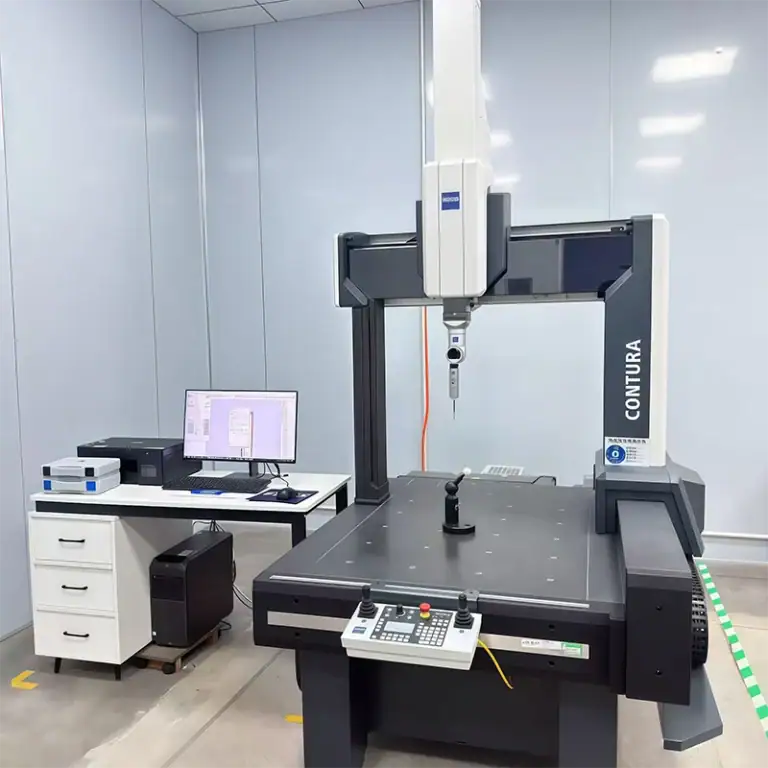
| Overall dimensions | CMM, calipers | Length, width, height |
| Flatness | CMM, flatness inspection equipment | Mounting surface condition |
| Hole positioning | CMM, dedicated gauges | Hole diameter, spacing, position |
| Position tolerance | CMM | Relationship between holes and datums |
| Surface roughness | Surface roughness tester | Critical machined surfaces |
| Straightness | CMM, dedicated inspection tools | Long structural features |
Inspection itself is a technical task for large workpieces. Because the parts are physically large and measurement distances are longer, the inspection environment and measurement datums can influence the results. A complete inspection process gives both the machining supplier and purchasing team a clearer understanding of the final data and makes it easier to identify potential assembly issues.
Surface Treatment and Transportation Should Not Be Overlooked
After CNC machining, large industrial equipment components may go through anodizing, sandblasting, electroplating, or other surface treatment processes. Some treatments can affect critical dimensions, while impacts during transportation can damage precision-machined areas. Post-machining protection therefore deserves careful attention.
After machining, manufacturers should:
- Protect precision mounting surfaces.
- Remove burrs and machining residue.
- Confirm dimensional allowances before surface treatment.
- Secure large workpieces properly during packaging to prevent movement and impact.
Manufacturing does not end when the part leaves the CNC machine. Large workpieces are heavy and often require long-distance handling. Poor packaging or insufficient protection can damage the precision that was carefully maintained throughout machining.
What Should You Look for in a Large-Part CNC Machining Supplier?
Large-part machining is rarely just a simple “machine from drawing” project. Material preparation, equipment scheduling, fixturing, inspection, packaging, and transportation can all influence the final delivery. For industrial equipment manufacturers, a supplier’s actual experience with large components can be more valuable than simply comparing quotations.
Check Equipment and Machining Size Capacity
When sourcing large-part CNC machining services, it is better to confirm actual equipment capabilities rather than relying on general claims such as “large machining available.”
Key questions include:
- What is the maximum machining size?
- What is the maximum table load?
- Can the part be completed in a single setup?
- Does the supplier have established fixturing solutions for large components?
These details help manufacturers evaluate actual machining capability and reduce the risk of discovering equipment limitations after a project has already started.
Evaluate Process Planning for Complex Projects
The real challenge in large-part machining often lies in how the machining team handles difficult situations. When a component includes thin walls, deep cavities, large flat surfaces, or long structural features, the ability of process engineers to adjust the manufacturing plan can directly affect the final result.
It is worth checking whether the supplier can:
- Identify potential deformation risks before machining.
- Optimize tooling and machining sequences.
- Arrange in-process inspection.
- Provide manufacturing feasibility suggestions based on engineering drawings.
An experienced machining team will not simply load the drawing and start the machine. They will identify areas that could create problems and address them before production. Many rework issues can actually be avoided through proper process planning.
Check Whether Lead Time and Quality Can Remain Stable
Large-part machining often involves relatively long production cycles. A delay in one operation can affect the assembly schedule of the entire industrial equipment system. When evaluating suppliers, purchasing teams should consider not only the unit price but also production scheduling, inspection capability, and packaging and transportation arrangements.
A stable manufacturing supplier typically provides:
- Clear production scheduling.
- Process quality control for critical operations.
- Complete inspection records.
- A clear packaging and transportation plan.
For equipment manufacturers, the most cost-effective supplier is not necessarily the one with the lowest quotation. A reliable partner is one that can coordinate machining, inspection, and delivery smoothly, allowing finished components to enter the assembly process with minimal additional adjustment.
Large-part CNC machining for industrial equipment is challenging because increasing part size makes deformation, fixturing, machining range, and inspection more difficult to control. A well-planned machining sequence can reduce the impact of material stress, stable fixturing can protect critical dimensions, and staged inspection can lower the risk of costly rework. Proper packaging and transportation then help preserve machining quality through final delivery. Tirapid provides large-part CNC machining services for industrial equipment, offering customized manufacturing support based on part size, material, structure, and precision requirements.