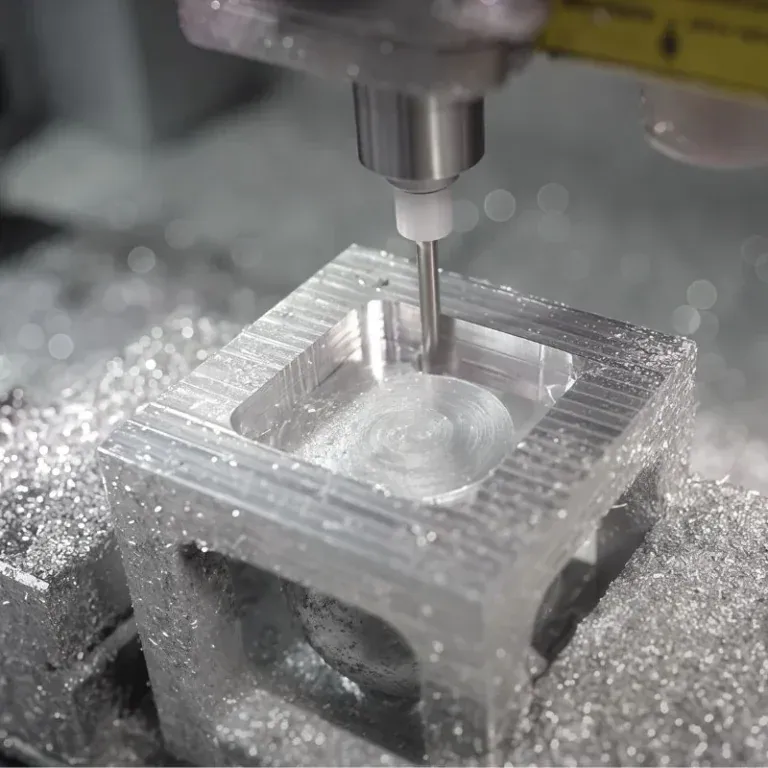
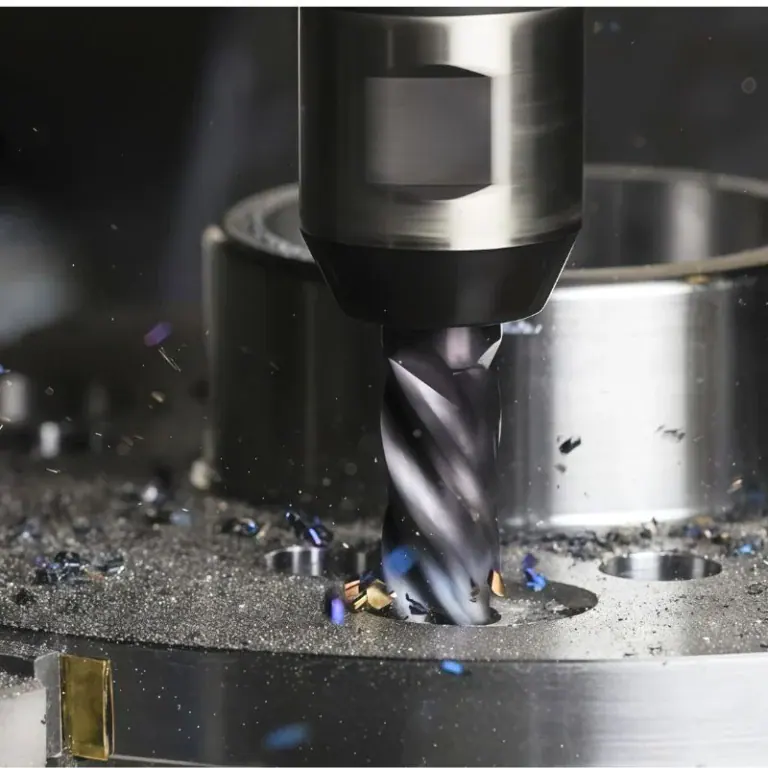
Oil drilling rig components include transmission parts, pump components, connectors, and large structural parts. Different components have varying requirements for strength, wear resistance, dimensional accuracy, and machining methods. When selecting CNC machining services, purchasers need to consider not only drawing compliance but also material suitability, heat treatment requirements, equipment capabilities, quality inspection, and delivery schedules. An effective machining solution should account for part geometry and operating conditions, coordinate necessary heat treatment with subsequent finishing operations, and help control production costs and delivery risks.
Key Challenges in CNC Machining Oil Drilling Rig Components
Component dimensions, structures, and operating conditions vary, so the key factors affecting manufacturing quality must be identified before selecting suitable processes and equipment.
Machining Large Structural Parts and Complex Components
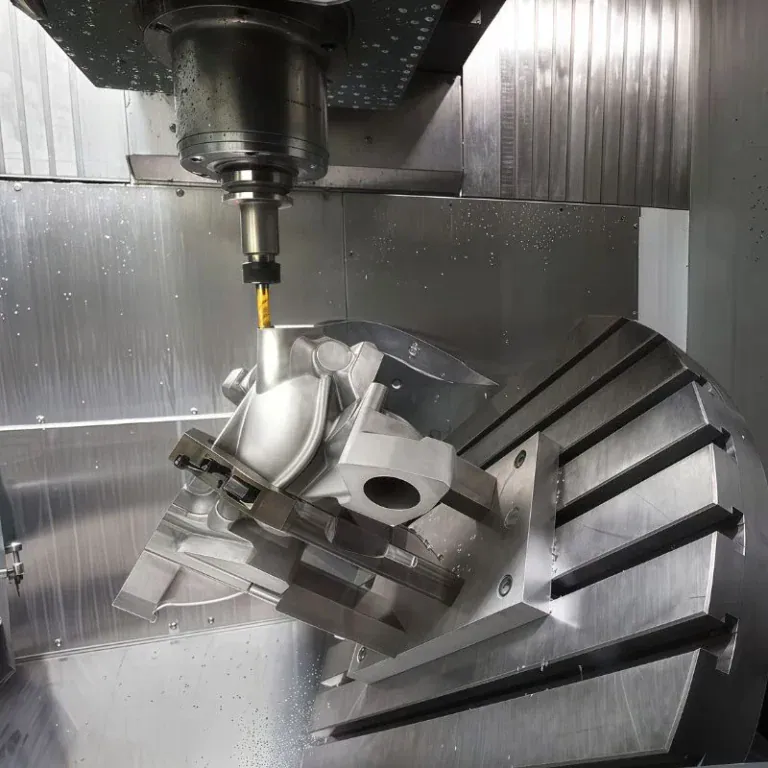
Large pump housings, drums, and equipment structures place specific demands on machine capacity, workpiece support, and positioning methods.
- Large Workpiece Positioning: Develop clamping methods based on workpiece weight, geometry, and machining datums to minimize movement during machining.
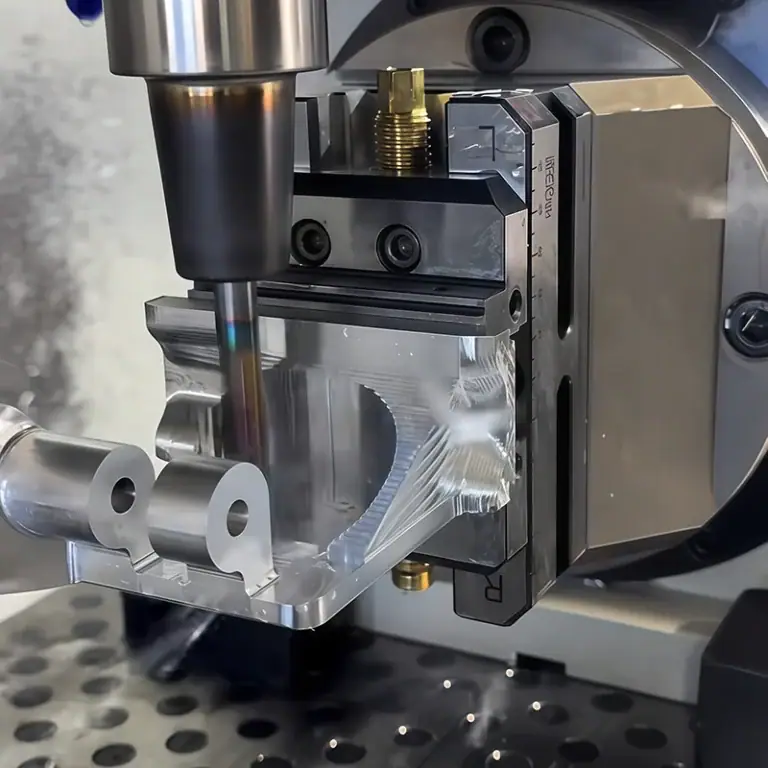
- Complex Contours: Plan machining sequences for deep cavities, mounting holes, and multi-face structures to control errors caused by repeated setups.
- Small and Medium Precision Components: For shafts, sleeves, and connectors, focus on hole positions, mating dimensions, and geometric tolerances.
Selecting equipment according to actual workpiece dimensions and machining features helps balance precision and production efficiency.
Material Properties and Heat Treatment Requirements
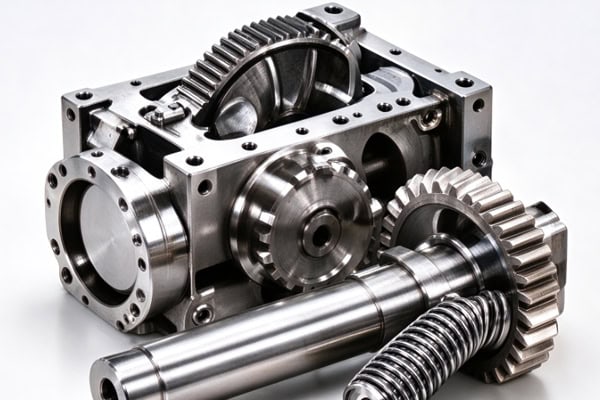
Material selection should meet the component’s load-bearing, wear resistance, toughness, or corrosion resistance requirements rather than being based solely on machining difficulty or purchase price. Carbon steel, alloy steel, and stainless steel can be selected according to the application. Critical components such as shafts and gears may require quenching and tempering, carburizing and quenching, or surface hardening, depending on the material and design specifications. Because heat treatment can cause dimensional distortion, appropriate machining allowances and subsequent finishing operations should be planned. Confirming material conditions and heat treatment requirements in advance helps coordinate manufacturing operations and ensure compliance with technical specifications.
CNC Machining Process Planning for Oil Drilling Rig Components
The manufacturing process should account for part geometry, material condition, dimensional requirements, and production volume rather than applying a fixed process route to every component.
Coordinate Machining and Heat Treatment Operations
For components requiring heat treatment, the operation sequence and subsequent dimensional controls should be defined before production begins.
- Rough Machining: Remove the main material allowance while retaining sufficient stock for subsequent operations.
- Heat Treatment: Apply the appropriate treatment according to material properties and component performance requirements.
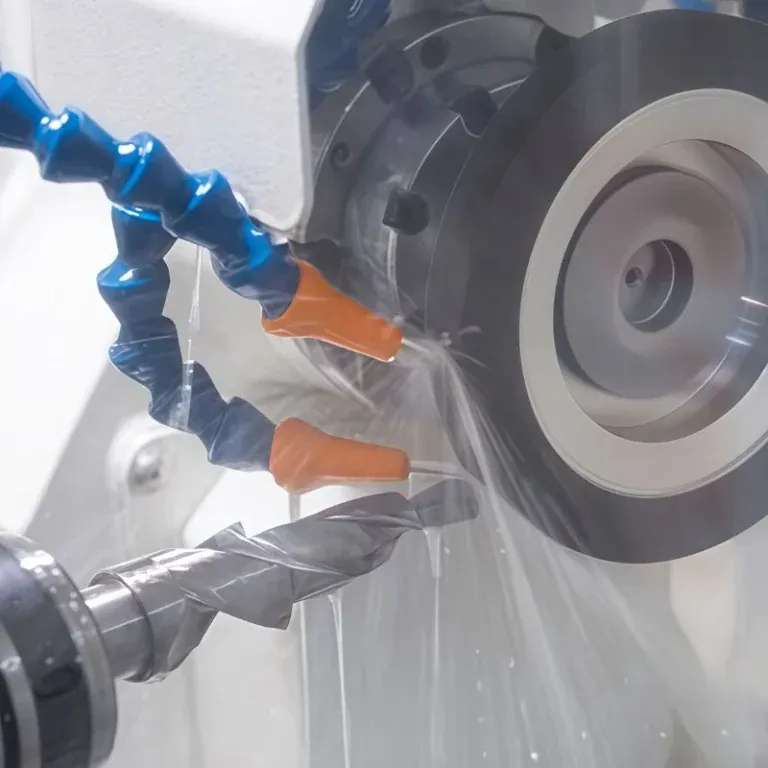
- Finish Machining: Focus on critical hole positions, mating surfaces, and important dimensions. Grinding may be required to achieve specified precision.
The actual process sequence should follow the engineering drawings and technical documentation. Not all drilling rig components require heat treatment.
Match Machining Equipment to Workpiece Characteristics
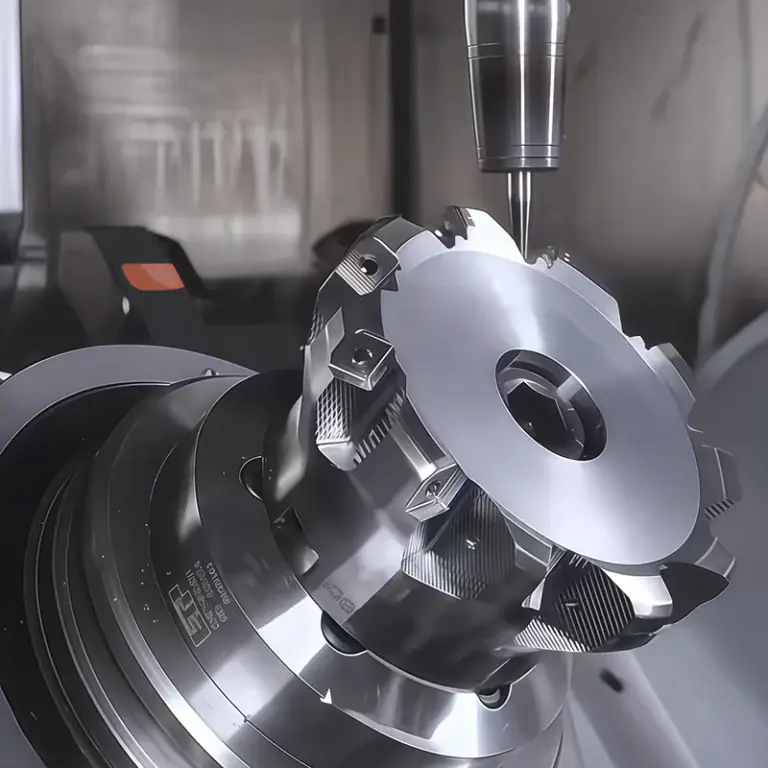
Suppliers should select equipment according to workpiece dimensions, weight, and machining requirements to ensure that machine capabilities match the manufacturing task.
| Component Type | Equipment Options | Key Control Points |
| Large Housings and Structural Parts | Large gantry machining centers, CNC floor-type boring and milling machines, and similar equipment | Overall dimensions, datum relationships, and hole positions |
| Shafts and Rotational Components | CNC lathes or heavy-duty CNC lathes | Concentricity, roundness, and mating dimensions |
| Small and Medium Complex Components | Suitable CNC turning equipment or machining centers | Dimensional accuracy, contours, and machining consistency |
Equipment selection should also account for workholding methods, machining travel, and inspection requirements to avoid quality issues or unnecessary costs caused by inadequate capabilities.
Quality Control and Delivery Management for Oil Drilling Rig Components
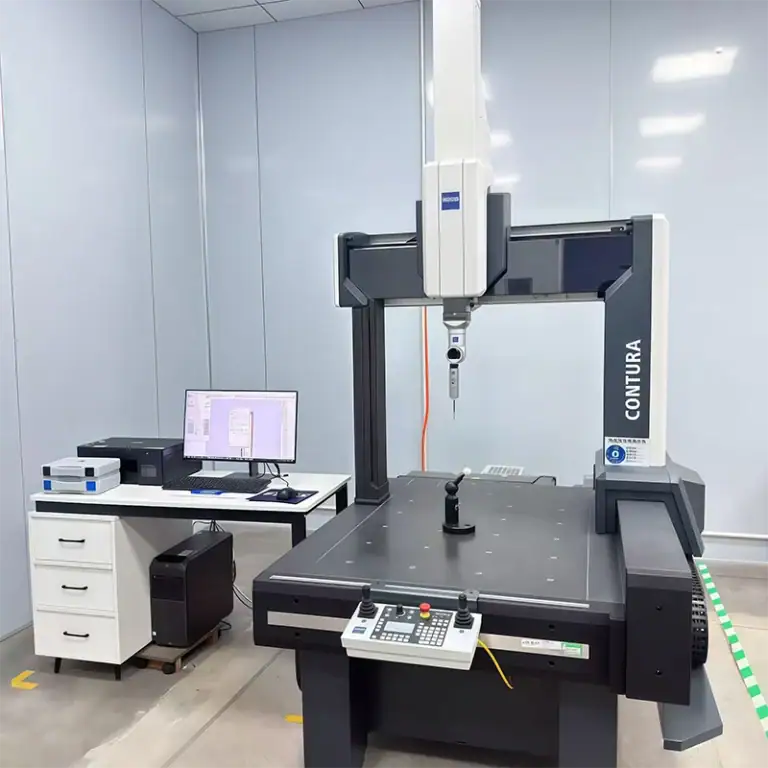
Quality control should cover the entire manufacturing process and follow engineering drawings, tolerances, and acceptance criteria to reduce nonconformities and rework.
Define Key Inspection Items
Establishing inspection procedures and acceptance requirements before production improves technical communication and helps prevent misunderstandings.
- Dimensions and Geometric Tolerances: Inspect overall dimensions, hole positions, and relevant positional relationships.
- Materials and Heat Treatment: For components with specific requirements, verify material documentation and specified hardness or performance indicators.
- Surface Quality: Check for burrs, scratches, and machining defects, and confirm any required surface finishing.
Inspection methods should match the component’s precision and geometry so that the results provide a reliable basis for acceptance.
Manage Production Batches and Delivery
For batch orders, attention should be given to manufacturing consistency, inspection records, and production schedules. For first-time orders or components with complex geometries, prototype machining can be used to verify critical dimensions and assembly relationships before batch production. Large workpieces also require advance planning for packaging, loading, unloading, and transportation to avoid delivery problems caused by site constraints.

How to Choose a CNC Machining Supplier for Oil Drilling Rig Components
Supplier selection should not be based on price alone. Purchasers should evaluate whether the supplier’s manufacturing capabilities match the component dimensions, material requirements, precision specifications, and delivery schedule.
Evaluate Equipment Capabilities and Process Planning
Different drilling rig components require different equipment specifications and machining methods. Before placing an order, purchasers should confirm that the supplier can meet the project’s manufacturing requirements.
- Equipment Capacity: For large pump housings, drums, and structural parts, verify machine travel, load capacity, and workholding conditions.
- Process Coordination: Confirm that the supplier can plan rough machining, required heat treatment, and subsequent finishing according to component specifications.
- Complex Feature Machining: Check the supplier’s ability to machine multi-face structures, deep cavities, precision holes, and critical mating surfaces.
Evaluating equipment and process capabilities helps determine whether a supplier is suitable for the specific components.
Confirm Technical Documentation and Delivery Requirements
Complete technical information enables suppliers to assess machining complexity, develop production plans, and reduce unnecessary communication.
- Provide Engineering Documentation: Submit clear 2D drawings or 3D models that specify materials, tolerances, and critical dimensions.
- Define Acceptance Criteria: Clarify required heat treatment, surface finishing, inspection documentation, and quality acceptance requirements in advance.
- Confirm Delivery Arrangements: Specify order quantities, delivery schedules, packaging, and transportation requirements. For first-time orders or complex components, prototype validation can be arranged when needed.
Confirming technical specifications and delivery details before production helps reduce rework, acceptance disputes, and delivery delays.
The machining quality of oil drilling rig components depends on the coordination of materials, manufacturing processes, equipment capabilities, and inspection requirements. Purchasers should select a manufacturing approach based on component functions and confirm technical specifications before production. TiRapid provides customized precision CNC machining services based on customer drawings, material specifications, and order requirements to support the manufacturing needs of different oil drilling rig components.