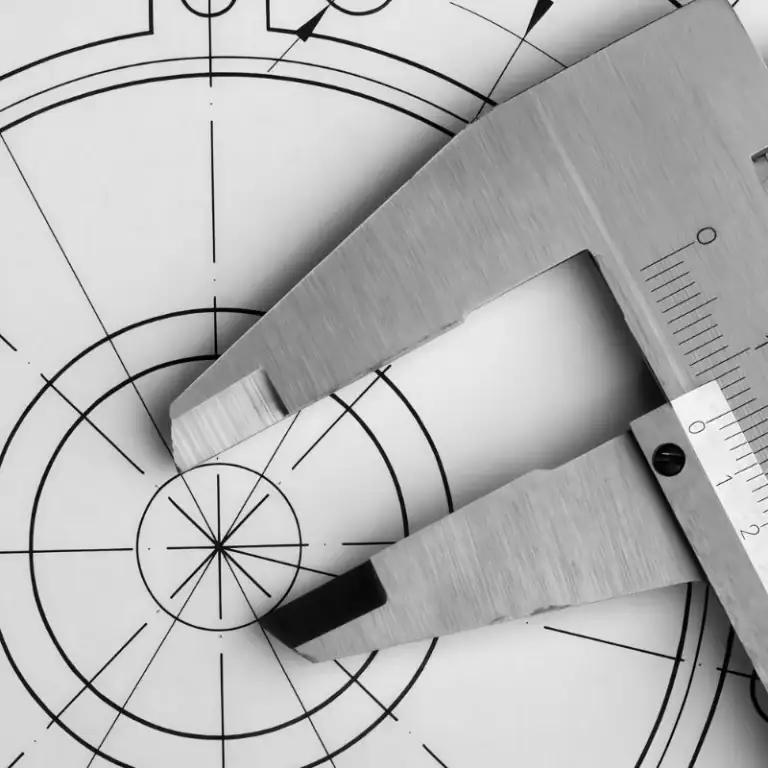
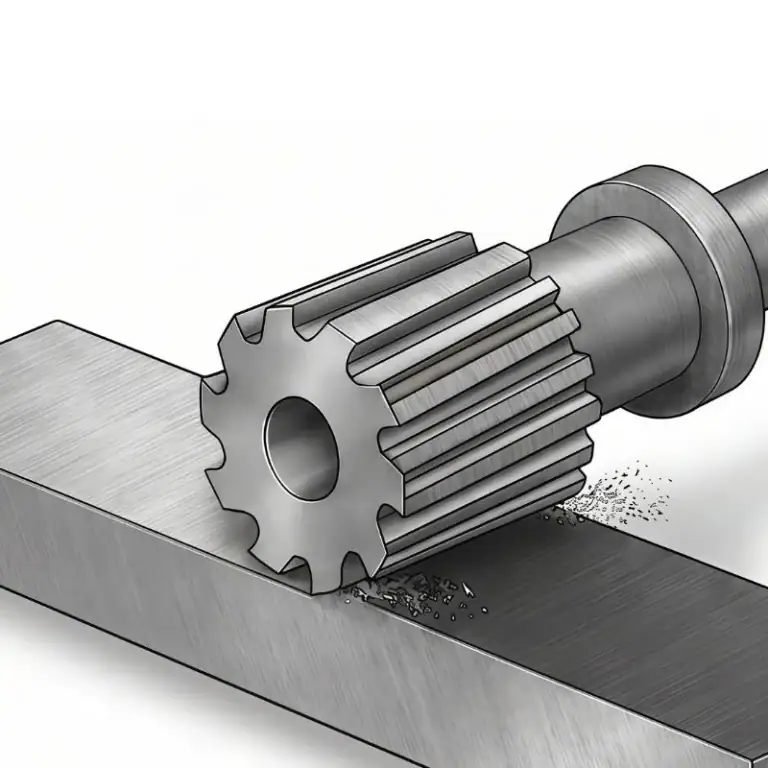
Against the backdrop of the continuous upgrading of the modern manufacturing industry, CNC machining has gradually become an important component of high-precision manufacturing. The demands of modern industrial products for machining accuracy, production efficiency, and complex structure manufacturing capabilities are constantly increasing, while traditional processing methods can no longer meet the development needs of high-end manufacturing industries. CNC machining, through computer program control of equipment operation, not only improves part machining stability but also reduces human operational errors and adapts to batch and complex production environments.
Basic Concepts of CNC Machining
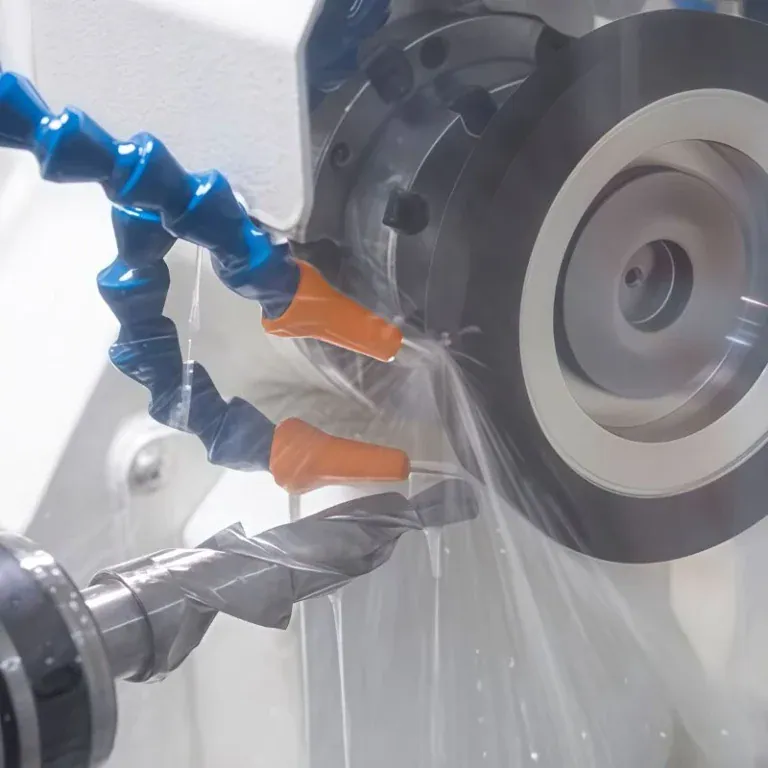
CNC machining is a modern automated CNC processing technology. CNC machining is a manufacturing method that uses computer programs to control machine tools. The equipment automatically completes processes such as cutting, drilling, milling, and contour machining according to preset programs. Compared with traditional manual operation methods, CNC machining can control machining paths and cutting parameters more precisely, thereby improving machining accuracy and batch production stability.
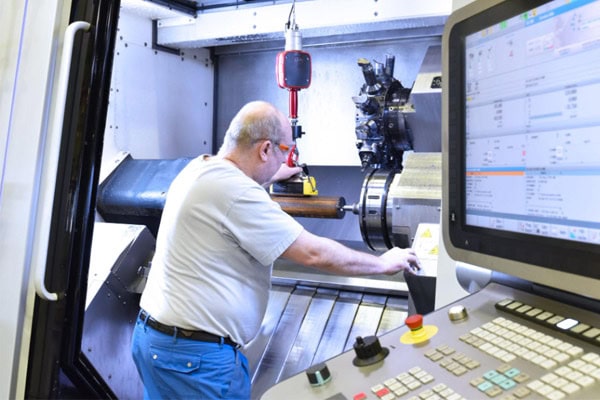
CNC Technology Is Changing Traditional Manufacturing Models
Modern CNC equipment has been widely used in industries such as aerospace, automotive manufacturing, electronic equipment, and medical devices, improving the ability to machine complex parts through digital control and promoting the development of industrial manufacturing toward intelligence.Main changes brought by CNC technology:
Modern CNC technology is continuously optimizing industrial manufacturing processes and improving production capacity.
- Improves the ability to machine complex structures, meeting the needs of high-end manufacturing industries.
- Enhances the level of automated production, reducing reliance on manual operations.
- Shortens product development cycles, improving corporate production response speed.
- Improves product processing quality, enhancing product market competitiveness.
- Enhances the manufacturing capacity of modern factories, promoting the development of intelligent manufacturing.
These changes are continuously raising the level of modern industrial manufacturing.
CNC Machining Meets the Manufacturing Needs of Multiple Industries
Different manufacturing industries have varying requirements for part structure, material type, and precision. CNC machining can adapt to various processing needs through flexible program control.Main application industries of CNC machining:
Modern CNC machining has been widely used in many high-end manufacturing fields.
- Aerospace manufacturing has high requirements for high-precision part processing.
- Automotive part processing requires stable batch production capability support.
- Mold and industrial equipment manufacturing places greater emphasis on complex structure processing.
- Medical device processing has stricter requirements for dimensional accuracy.
- Consumer electronics manufacturing pays more attention to processing efficiency and appearance quality.
Wide industry application is driving the continuous development of CNC technology.
Working Principle of CNC Milling Technology
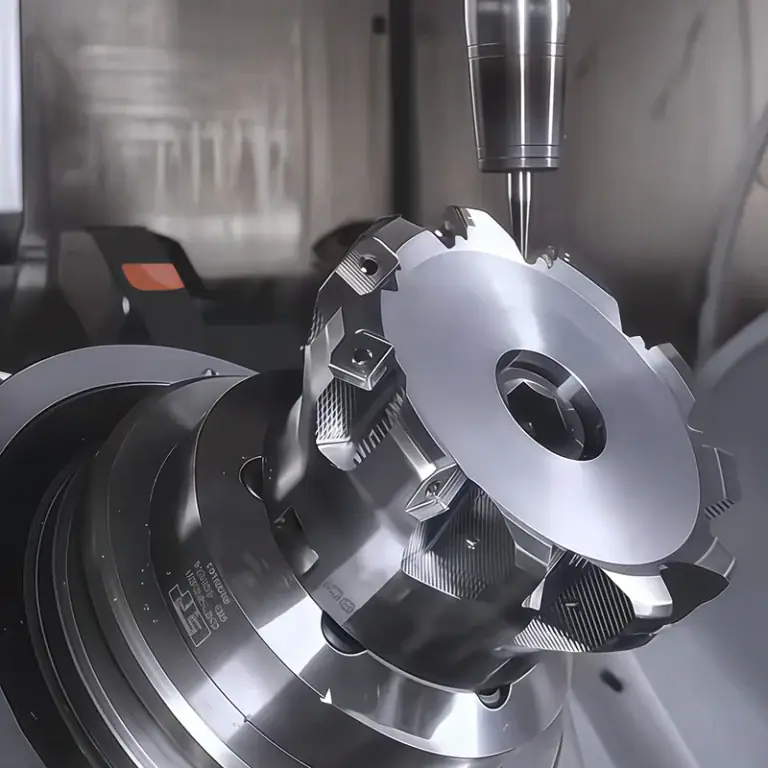
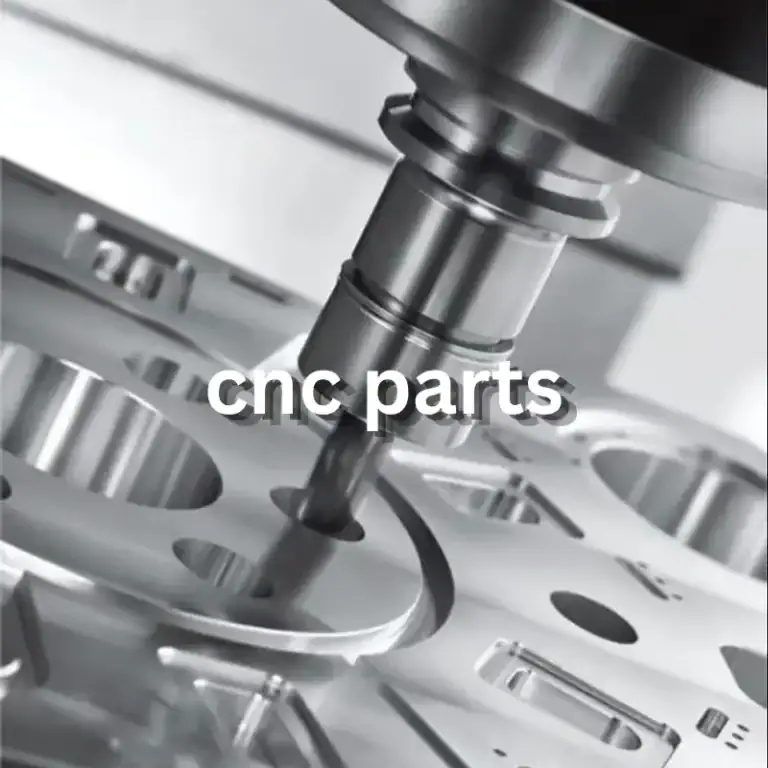
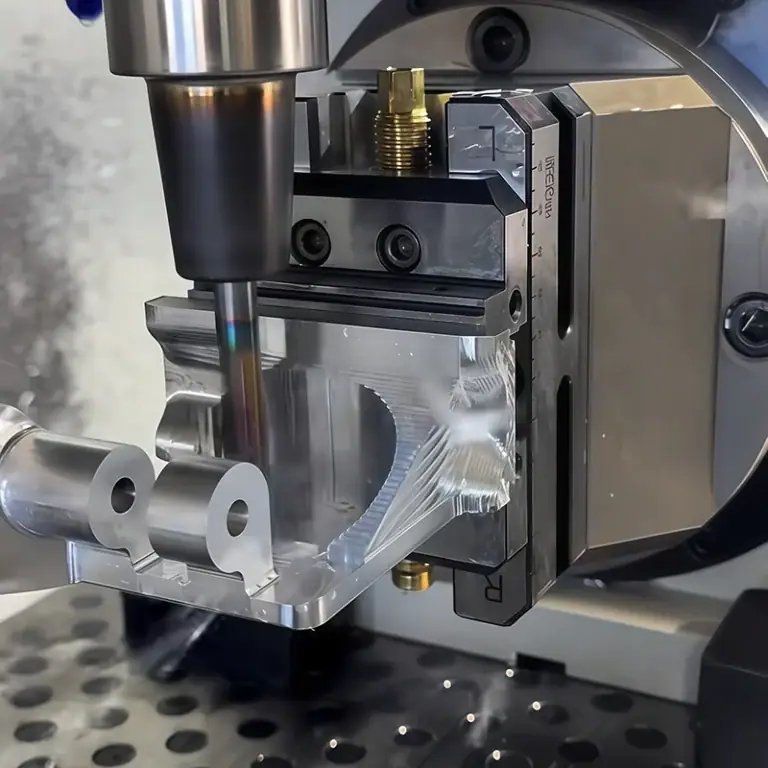
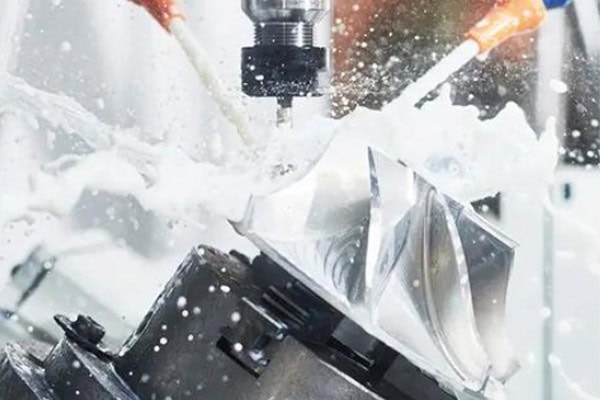
CNC milling uses a rotating tool to perform cutting. During the CNC milling process, the spindle drives the tool to rotate at high speed, while the workpiece moves according to the program settings, thereby completing material removal and structural shaping.Basic processing flow of CNC milling:
A complete processing flow ensures part processing quality and stability.
- Establish a 3D model of the part, providing a data foundation for subsequent processing.
- Write the processing program to ensure the equipment runs according to the set path.
- Set cutting parameters to improve overall processing efficiency and stability.
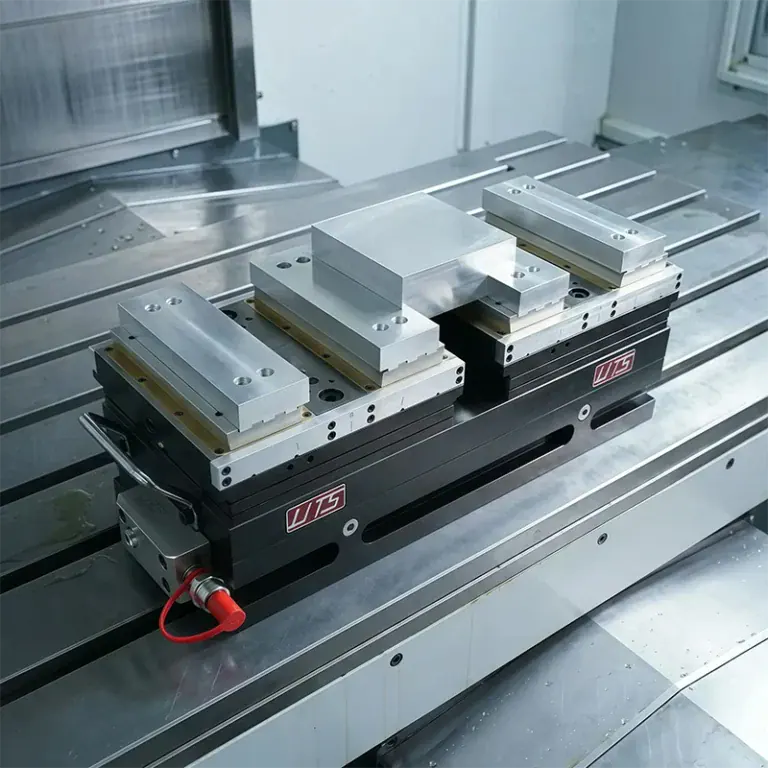
- Secure the workpiece for processing, reducing errors during the process.
- Inspect processing quality to ensure the part meets design requirements.
Standardized processing flows effectively raise the overall manufacturing level.
CNC Program Control Determines Machining Accuracy
Modern CNC equipment precisely controls the tool path and machining actions through a CNC system, thereby reducing human errors and improving the machining accuracy of complex parts.Main functions of the CNC system:
Advanced CNC systems have become an important core of modern CNC equipment.
- Controls the tool movement trajectory, improving the ability to machine complex structures.
- Adjusts cutting speed and feed rate to optimize overall processing efficiency.
- Improves processing stability, reducing fluctuations during the process.
- Maintains dimensional consistency, improving batch production quality.
- Enhances the level of automation, increasing the production capacity of modern factories.
Intelligent control systems are improving modern manufacturing capabilities.
CNC Milling Can Machine Complex Structures
Compared with traditional processing methods, CNC milling can machine complex curved surfaces, deep cavity structures, and special-shaped parts, meeting modern high-end manufacturing needs.Main advantages of CNC complex processing:
Complex structure processing capability has become an important requirement of modern manufacturing.
- Improves the ability to machine complex curved surfaces, meeting high-end product manufacturing requirements.
- Reduces re-clamping errors, improving overall processing accuracy.
- Improves the ability to manufacture high-precision structures, enhancing product stability.
- Improves surface processing quality, reducing subsequent finishing operations.
- Shortens the overall processing cycle, improving production efficiency.
Complex structure processing capability promotes the continuous development of high-end manufacturing.
Common Types of CNC Milling Equipment
Different CNC milling machines are suitable for different processing needs.
3-axis CNC milling machines suitable for basic processing needs
3-axis equipment can perform basic flat surface, contour, and hole machining, and is widely used in general mechanical part manufacturing.Main characteristics of 3-axis equipment:
Basic CNC equipment still holds significant value in the modern manufacturing industry.
- Relatively simple equipment structure, easy for daily maintenance and operation.
- Lower difficulty in programming and operation, more suitable for basic processing needs.
- Suitable for basic structure processing, meeting general part manufacturing requirements.
- Relatively lower equipment cost, suitable for small and medium-sized enterprises.
Suitable for batch production, improving basic processing efficiency.
Basic processing equipment still has wide application value.
4-axis and 5-axis equipment suitable for complex structure processing
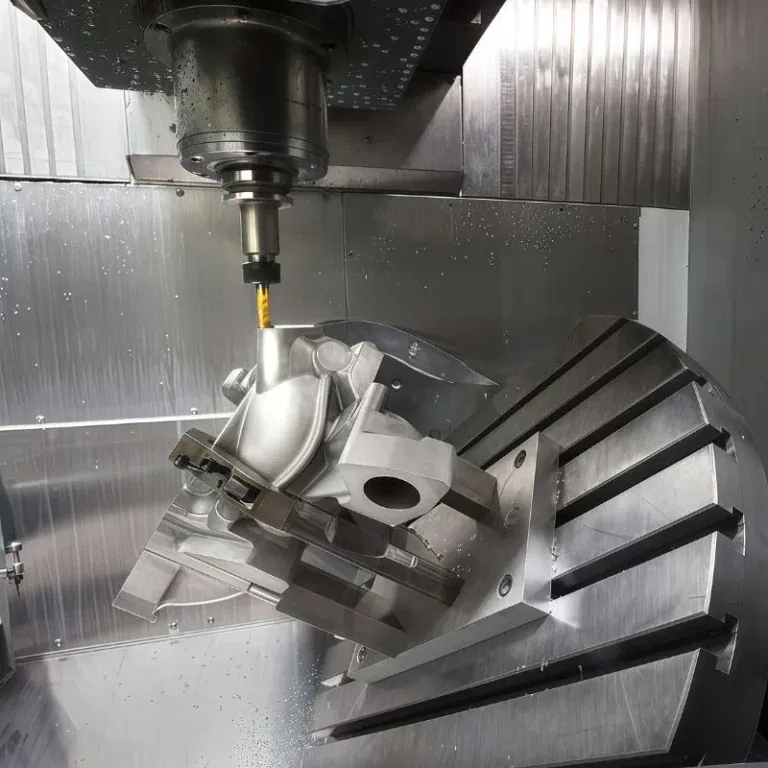
Multi-axis simultaneous equipment reduces the need for repeated workpiece clamping, improving the processing efficiency of complex curved surfaces and special-shaped structures.Main advantages of multi-axis equipment:
Multi-axis simultaneous technology is continuously improving the ability to machine complex parts.
- Improves the ability to machine complex curved surfaces, meeting high-end manufacturing needs.
- Reduces positioning errors, improving overall processing accuracy.
- Shortens process changeover time, optimizing the overall processing flow.
- Improves surface processing quality, enhancing product appearance.
- Enhances the ability to manufacture complex parts, increasing industry competitiveness.
Multi-axis technology is driving the upgrade of high-end manufacturing.
High-speed CNC milling machines place greater emphasis on processing efficiency
High-speed equipment is typically equipped with high-speed spindles and high-response systems, improving material removal efficiency and processing rhythm.Main characteristics of high-speed equipment:
High-speed processing equipment is more suitable for modern high-efficiency manufacturing needs.
- Improves high-speed cutting capability, enhancing material removal efficiency.
- Shortens overall processing time, improving production rhythm.
- Improves surface quality, reducing subsequent finishing work.
- Increases batch production efficiency, enhancing corporate production capacity.
- Speeds up complex part processing, meeting rapid delivery needs.
High-speed processing technology is driving continuous improvement in manufacturing efficiency.
Main Advantages of CNC Milling Technology
CNC milling has become an important technology in modern precision manufacturing.
CNC milling improves machining accuracy
Compared with traditional manual processing methods, CNC milling reduces human errors through programmatic control, improving part dimensional stability.Main manifestations of high-precision processing:
High-precision processing capability has become an important standard for the modern manufacturing industry.
- Maintains stable dimensional control, improving product assembly consistency.
- Improves consistency of complex parts, enhancing batch production stability.
- Reduces processing errors, improving overall processing quality.
- Enhances assembly accuracy, optimizing product performance.
- Improves overall product quality, enhancing market competitiveness.
High-precision capability has become an important foundation of modern manufacturing.
CNC milling improves production efficiency
Automatic tool changers, high-speed spindles, and automated processing systems reduce downtime and manual adjustment time, improving overall production rhythm.Main advantages of high-efficiency processing:
Modern automated processing technology is continuously improving production efficiency.
- Shortens overall processing cycles, improving order delivery speed.
- Improves continuous processing capability, enhancing equipment operating efficiency.
- Reduces manual intervention, lowering human operational errors.
- Improves batch production efficiency, meeting large-scale manufacturing needs.
- Enhances automation levels, increasing modern factory production capacity.
Automated production technology is driving the upgrade of modern factories.
CNC milling can adapt to machining various materials
Modern CNC equipment can process various materials including aluminum alloys, stainless steel, titanium alloys, and engineering plastics.Main characteristics of multi-material processing:
Multi-material processing capability meets the needs of different manufacturing industries.
- Suitable for metal material processing, increasing industrial manufacturing flexibility.
- Supports cutting of high-hardness materials, enhancing complex processing capability.
- Meets lightweight structure manufacturing needs, improving product performance.
- Improves processing stability for complex materials, reducing processing issues.
- Enhances manufacturing flexibility, adapting to diverse production needs.
Multi-material processing capability expands the application scope of CNC.
Future Development Trends of CNC Machining
Intelligence and digitalization are driving industry upgrades. Modern manufacturing enterprises are continuously strengthening digital management and intelligent equipment collaboration capabilities. CNC machining technology is gradually developing toward greater efficiency, precision, and automation. Through the combination of data analysis and intelligent control systems, modern factories can further improve production stability and overall manufacturing efficiency.
Intelligent manufacturing technology is continuously improving
Modern CNC equipment has begun integrating advanced technologies such as automatic detection, data analysis, and intelligent compensation.Development directions of intelligent technology:
Intelligent manufacturing technology is continuously raising the level of modern industrial automation.
- Improves equipment automatic control capability, enhancing processing stability.
- Enables real-time monitoring of processing status, improving production management efficiency.
- Improves automatic error compensation capability, optimizing precision performance.
- Reduces manual operational intervention, increasing automated production capacity.
- Improves production stability, enhancing modern factory operational efficiency.
Intelligent manufacturing technology is raising the level of modern industry.
Automated production systems are being more widely applied
More and more enterprises are establishing automated loading/unloading and robot collaborative processing systems.Main advantages of automated production:
Automated production systems are changing traditional manufacturing models.
- Improves long-term continuous processing capability, enhancing equipment utilization efficiency.
- Reduces manual adjustment time, improving overall production stability.
- Increases overall production efficiency, optimizing modern factory operational rhythm.
- Enhances batch production stability, improving product consistency.
- Optimizes modern factory management capabilities, promoting intelligent manufacturing development.
Automation technology is driving continuous upgrades in industrial manufacturing.
Green manufacturing is becoming an important future direction
The modern manufacturing industry is placing greater emphasis on energy conservation, environmental protection, and resource utilization efficiency.Development characteristics of green manufacturing:
Green manufacturing concepts are promoting sustainable development in modern industry.
- Reduces equipment energy consumption, improving energy utilization efficiency.
- Reduces material waste, optimizing resource usage.
- Improves coolant recycling rates, lowering production costs.
- Optimizes environmentally friendly processing capabilities, reducing industrial pollution.
- Enhances sustainable manufacturing levels, strengthening long-term development capabilities.
Green manufacturing technology is promoting long-term industry development.
Conclusion
CNC machining and milling technology have become an important foundation in the modern manufacturing industry. The demand of modern industry for high-precision, high-efficiency, and complex structure processing capabilities is continuously increasing, and CNC technology is continuously promoting manufacturing industry upgrades through automation, digitalization, and intelligence. Compared with traditional processing methods, modern CNC milling not only improves product processing quality but also enhances batch production stability and overall manufacturing efficiency.