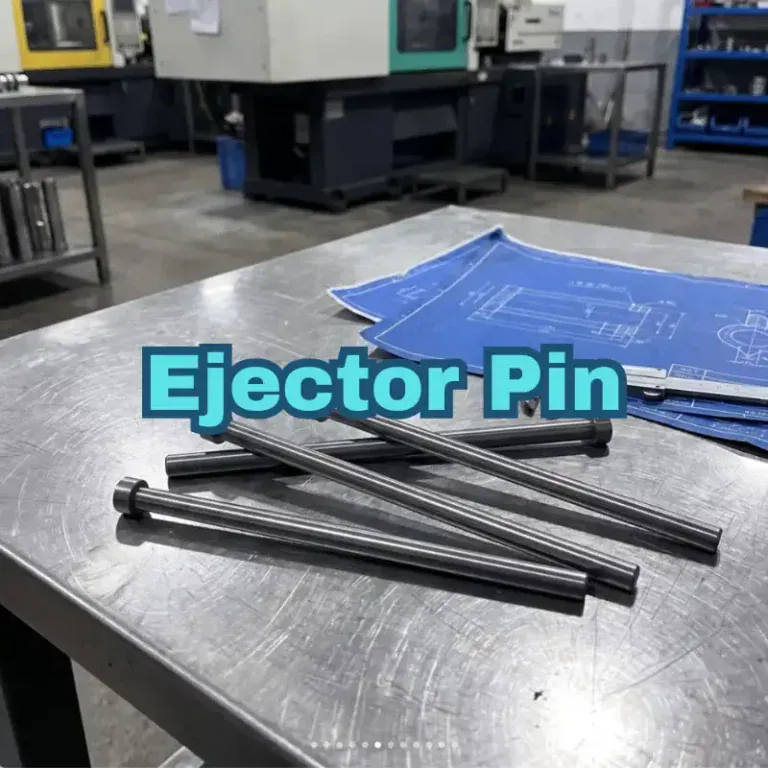
Semiconductor equipment relies on precision components to operate smoothly, and even a seemingly simple shaft can affect rotational stability, transmission efficiency, and positioning accuracy. During long-term operation, precision shafts may also experience friction, vibration, and repeated start-stop cycles. Dimensional deviations, poor surface finish, or incorrect clearances between mating components can lead to equipment performance issues. For semiconductor equipment manufacturers, choosing the right precision shaft machining solution is about more than producing a part. It means ensuring proper assembly, stable operation, and easier maintenance. CNC machining controls shaft diameter, length, concentricity, and other critical dimensions according to engineering drawings, making it suitable for custom semiconductor equipment components with complex geometries and tight tolerance requirements.
Why Do Semiconductor Equipment Precision Shafts Require CNC Machining?
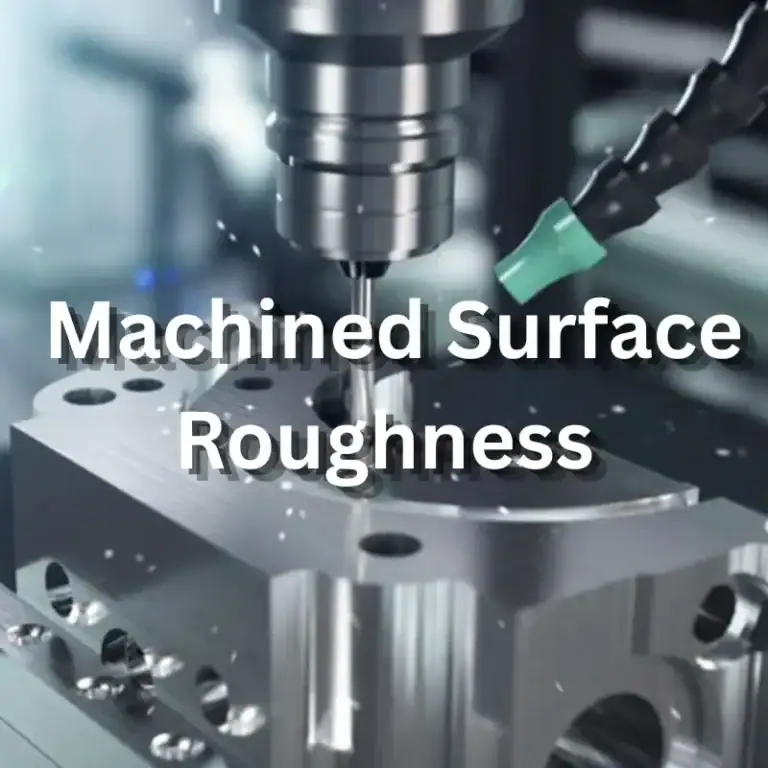
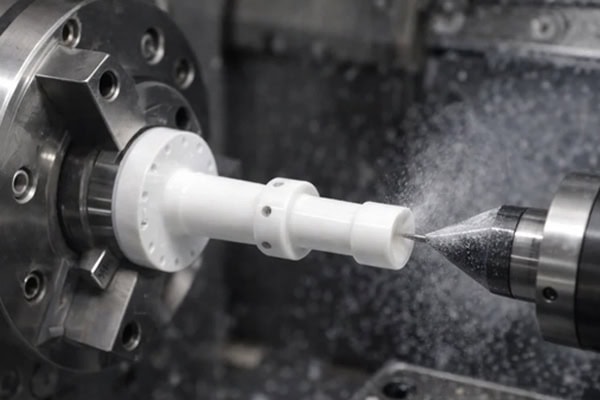
Precision shafts in semiconductor equipment are commonly used in transmission, rotation, positioning, and connection mechanisms. Compared with standard mechanical shafts, these components often require stricter dimensional consistency, surface quality, and assembly fit. CNC machining controls tool paths through programmed instructions, helping reduce manual errors during repeated production while supporting features such as steps, grooves, threads, and precision mating surfaces.
How Does CNC Machining Ensure Semiconductor Precision Shaft Accuracy?
Precision shafts require more than an accurate outer diameter. Shoulder positions, mating section lengths, groove dimensions, and concentricity can also affect performance. Defining critical tolerances before production and arranging suitable inspection procedures help reduce assembly deviations.
- Control shaft diameters and mating dimensions: Apply appropriate tolerances to critical areas, such as bearing seats and coupling connections, to prevent loose fits, excessive tightness, or installation difficulties.
- Reduce errors from repeated setups: Plan machining sequences carefully and minimize unnecessary repositioning to maintain dimensional relationships between different shaft sections.
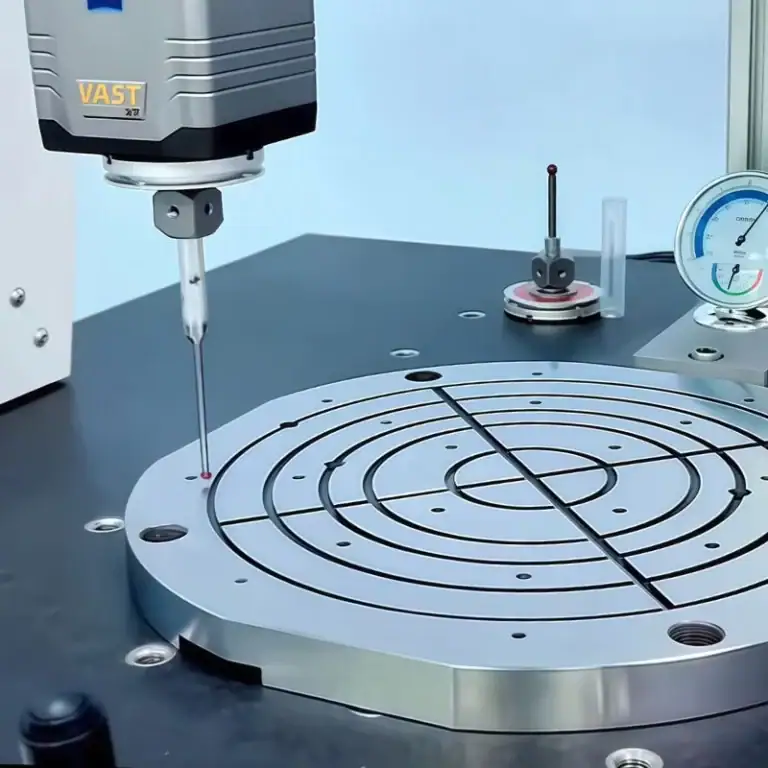
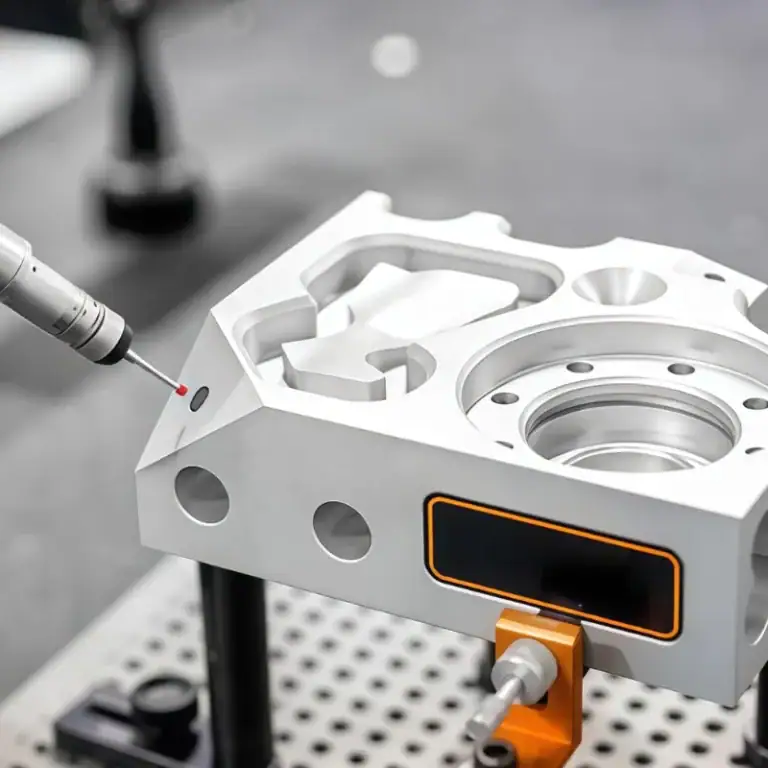
- Inspect critical dimensions: Use suitable measuring instruments to check diameters, lengths, grooves, and threads. Critical features can receive more rigorous inspection as specified in the drawings.
Which Semiconductor Equipment Shafts Are Suitable for Precision CNC Machining?
Shaft components vary considerably in structure and function. Some transmit rotational motion, others provide precise positioning, while certain designs must fit with bearings, fixtures, or other moving components. The machining process should be selected to match the component’s geometry and assembly requirements.
| Precision Shaft Type | Key Machining Requirements | Typical Applications |
| Drive shafts | Shaft diameter, concentricity, surface finish | Rotary transmission mechanisms |
| Positioning shafts | Diameter tolerance, shoulder position, length | Precision positioning systems |
| Stepped shafts | Section diameters, step dimensions, concentricity | Internal equipment transmission assemblies |
| Grooved and threaded shafts | Groove dimensions, thread accuracy, positional tolerances | Connecting mechanisms and motion assemblies |
What Drawing Information Is Needed for Semiconductor Precision Shaft Machining?
Complete engineering drawings reduce repeated clarification during production. In addition to overall dimensions, drawings should specify critical tolerances, surface roughness, material grades, and heat treatment requirements. If a shaft must fit a bearing or another precision component, the relevant mating dimensions should also be clearly defined to avoid compatibility issues after machining.
How Should Materials and Surface Treatments Be Selected for Semiconductor Precision Shafts?
Material selection affects shaft strength, wear resistance, corrosion resistance, and machinability. Semiconductor equipment often has strict requirements for cleanliness and operational stability. Material choices should account for whether the shaft rotates continuously, carries a load, or operates in an environment where corrosion protection is necessary. Choosing a material based on price alone may lead to performance or maintenance problems later.
Should Stainless Steel, Aluminum, or Alloy Steel Be Used for Precision Shafts?
Different materials suit different operating conditions. The best choice depends on the component’s function, mechanical load, and manufacturing requirements.
- Stainless steel: Offers good corrosion resistance and is suitable for equipment components requiring rust protection or compatibility with specific cleaning environments.
- Alloy steel: Suitable for shafts requiring high strength or wear resistance. Certain applications may require heat treatment to improve mechanical properties.
- Aluminum alloys: Lightweight and efficient to machine, making them suitable for some low-load moving components. Strength and wear resistance should be verified for the intended application.
What Surface Roughness Is Required for Semiconductor Equipment Precision Shafts?
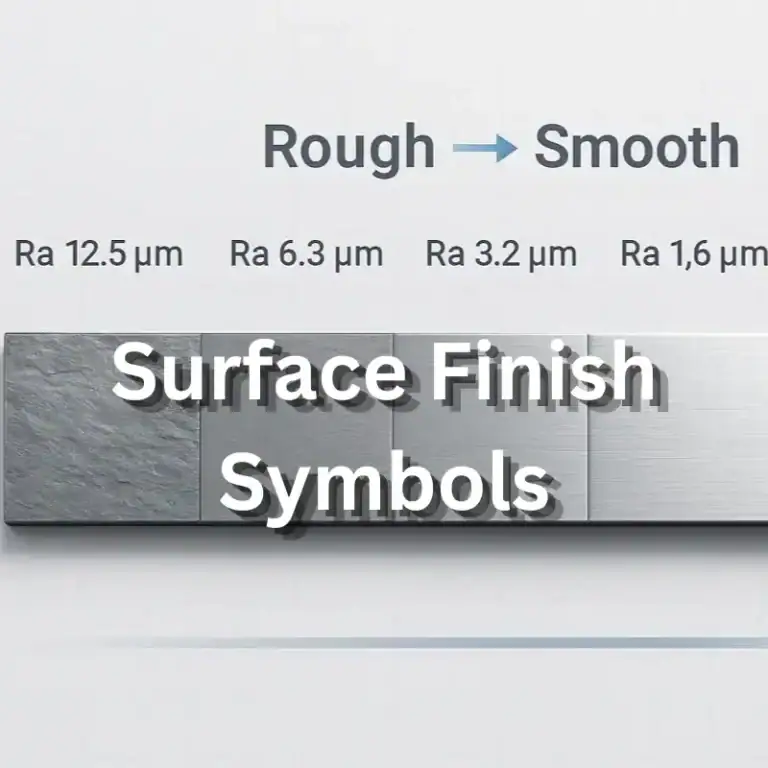
Surface quality affects friction, fit, and long-term operating performance. Shaft journals in contact with bearings, sliding surfaces, and sealing areas often require particular attention to surface roughness. Specific values should follow engineering drawings and actual operating conditions. Applying the same precision requirements to every surface can increase machining costs without improving performance where it is unnecessary.
How Can Burrs, Deformation, and Surface Defects Be Controlled?
Small burrs can interfere with assembly, while slender shafts may deform during cutting because of machining forces or unsuitable clamping methods. Selecting appropriate tools, cutting parameters, and support methods helps reduce these risks. Finished components should also be checked carefully, particularly around grooves, shoulders, and other critical features.
| Quality Inspection Item | What to Check | Impact on Equipment Performance |
| Dimensions and concentricity | Shaft diameter, overall length, alignment between sections | Affects rotational stability and assembly fit |
| Surface roughness | Shaft journals, mating surfaces, specified areas | Influences friction and contact conditions |
| Burrs and edges | Grooves, hole openings, shoulder transitions | Helps prevent assembly issues and particle residue |
| Material and heat treatment | Material grade, hardness, relevant records | Affects strength and wear resistance |
How Can CNC Machining Costs and Lead Times Be Controlled for Semiconductor Precision Shafts?
Precision shaft pricing depends on more than material and dimensions. Tolerance requirements, geometric complexity, inspection procedures, and order quantity can all affect the final quote. Clarifying technical requirements before production helps reduce repeated revisions and unnecessary operations while making production planning more efficient.
What Factors Affect Semiconductor Precision Shaft Machining Costs?
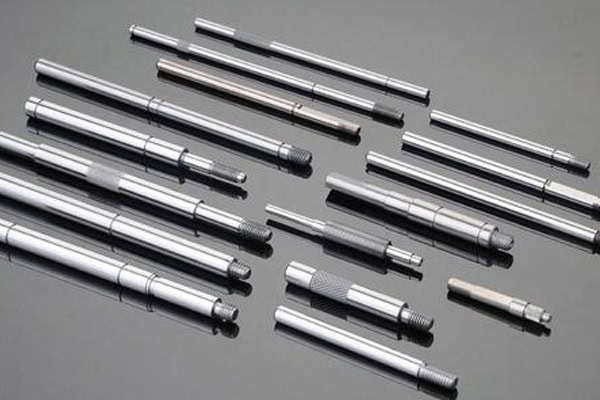
Shafts may appear simple, but slender proportions, multiple stepped sections, grooves, and threads can increase machining complexity. For high-precision components, inspection time must also be considered when planning production.
- Material and blank dimensions: Specialty materials or larger blanks may increase raw material costs and the amount of material removed.
- Tolerance requirements: Tighter tolerances on critical mating surfaces generally require more careful process planning, suitable equipment, and additional inspection.
- Order quantity: Programming and setup costs are distributed differently across single-part orders, prototypes, and batch production.
- Post-processing and inspection: Heat treatment, surface finishing, and additional inspections can affect both the final price and delivery schedule.
How Can Machining Lead Times Be Shortened and Rework Reduced?
Managing lead times is not simply about increasing cutting speed. Reducing delays, repeated setups, and rework caused by dimensional failures is equally important. Confirming material specifications, drawing revisions, and acceptance criteria before production helps keep the workflow on track.
- Define critical dimensions and mating requirements clearly to minimize repeated clarification during machining.
- Develop suitable clamping and support methods for slender shafts to reduce the risk of deformation.
- Schedule dimensional inspection and surface treatment in line with delivery requirements to avoid discovering problems at the final stage.
How Can Consistent Quality Be Maintained in Batch Production of Semiconductor Precision Shafts?
Batch production requires every component to meet drawing specifications, not just the first part. First-article inspection, in-process sampling, and records of critical dimensions help identify changes caused by tool wear or machining conditions. For shafts that may need to be reordered, retaining material specifications, drawing revisions, and inspection criteria also helps maintain consistency between production batches.
Manufacturing precision shafts for semiconductor equipment requires careful control of dimensional accuracy, material performance, surface quality, and delivery schedules. A well-planned CNC machining process, supported by inspections at critical stages, can reduce assembly problems and rework. If custom semiconductor equipment shafts are needed, submit your engineering drawings, material requirements, tolerance specifications, and order quantity to us for a machining quote and process recommendations. We can help manufacture precision components that meet your equipment’s operating requirements.