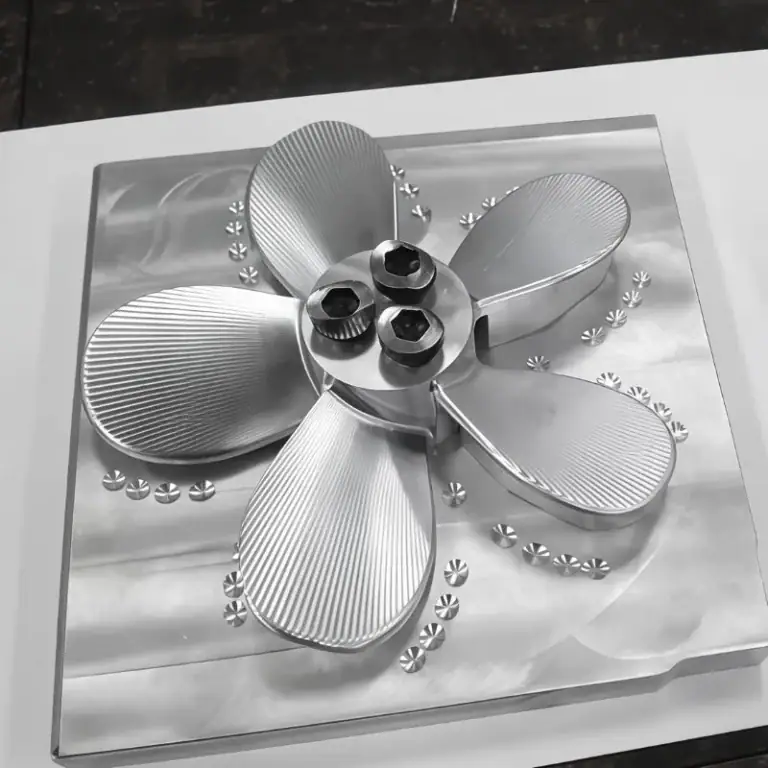
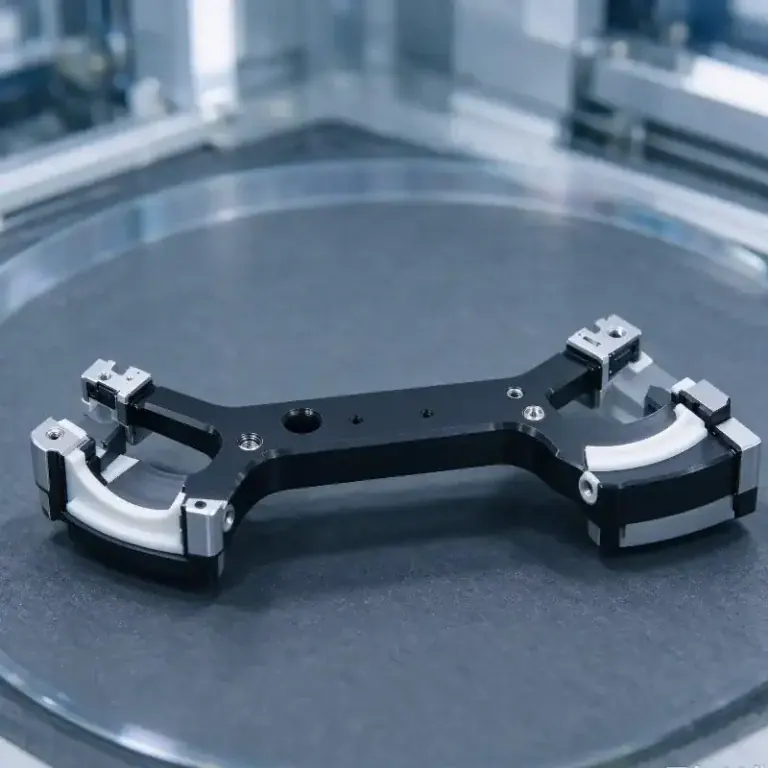
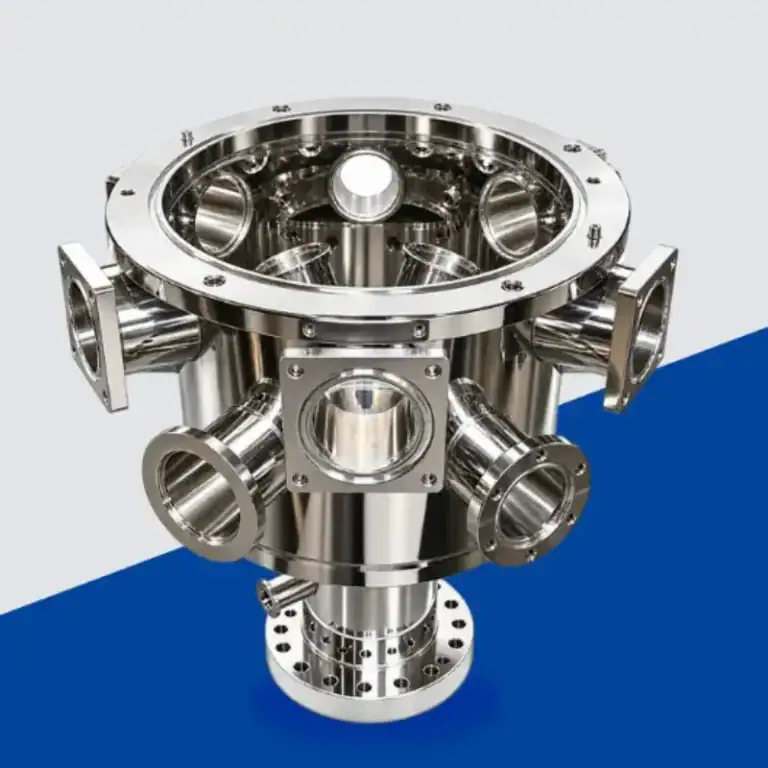
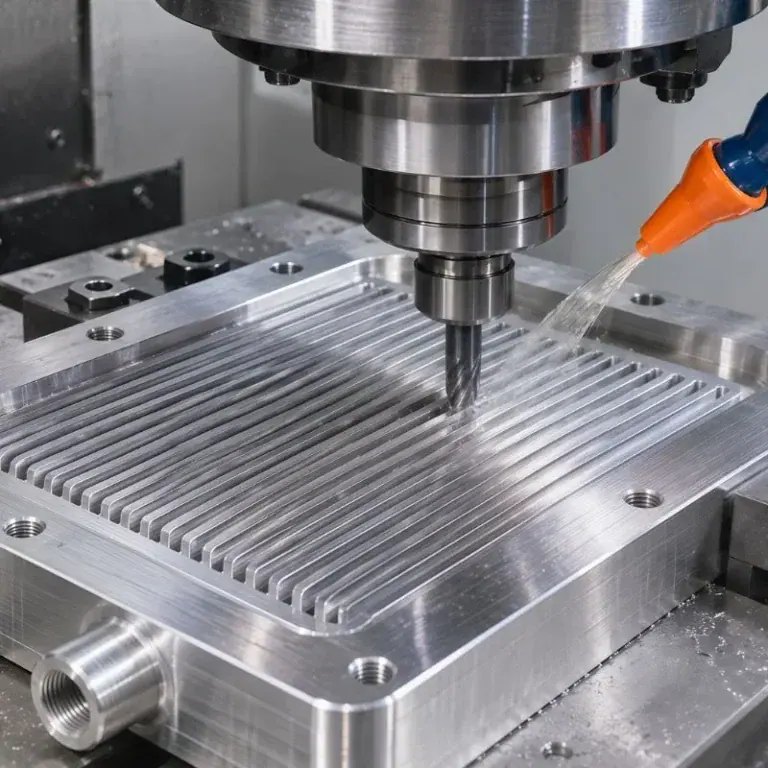
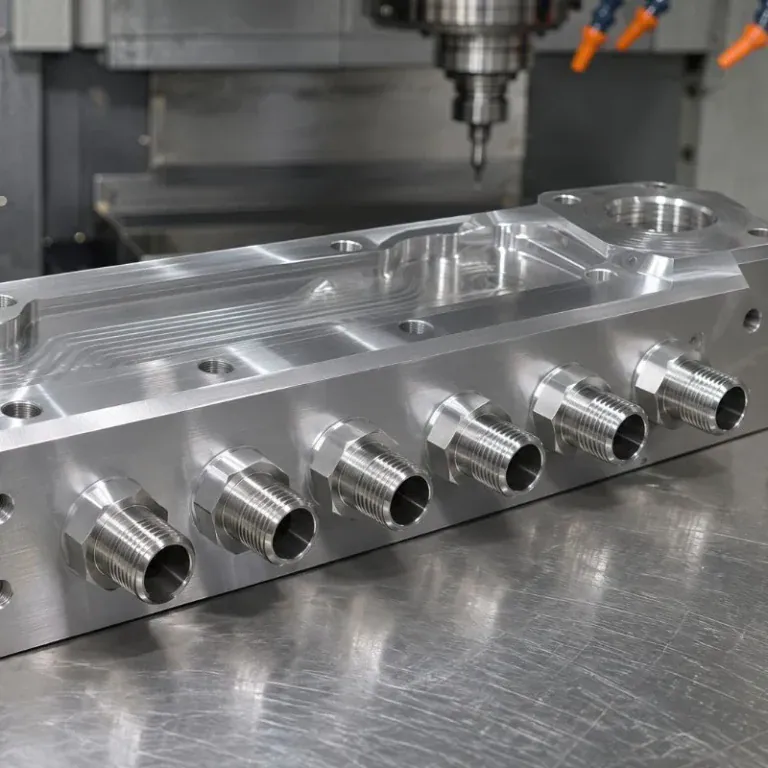
CNC metal machining is widely used in industrial equipment, automotive components, electronic products, and precision machinery. Machining costs depend not only on material prices and machine time but also on part complexity, tolerance requirements, surface finishing, and production volume. For manufacturers, optimizing key design details early in the product development process can reduce unnecessary machining operations, minimize material waste, and improve production efficiency.
Optimize Part Geometry to Reduce Machining Time
Avoid Unnecessarily Complex Geometries
Complex part geometries often require more cutting tools, longer machining cycles, and specialized fixtures or multi-axis machining equipment. Deep cavities, narrow slots, and hard-to-reach features can increase tool wear and machining difficulty.
Where functional requirements permit, designers should simplify geometries by reducing unnecessary curved surfaces, steps, and intricate contours. Designing features that allow easy tool access helps shorten machining cycles and reduce programming and setup costs.
Optimize Corner Radii, Hole Diameters, and Slot Depths
Very small internal corner radii may require smaller cutting tools, which can reduce cutting efficiency. Designers should select internal radii based on commonly available tool sizes and avoid unnecessarily deep, narrow slots whenever possible.
Hole diameters, thread sizes, and countersinks should also be determined according to actual assembly requirements. Standardizing hole and thread specifications can reduce tool changes and improve machining efficiency.
Select Appropriate Metal Materials to Control Overall Costs
Choose Materials Based on Application Requirements
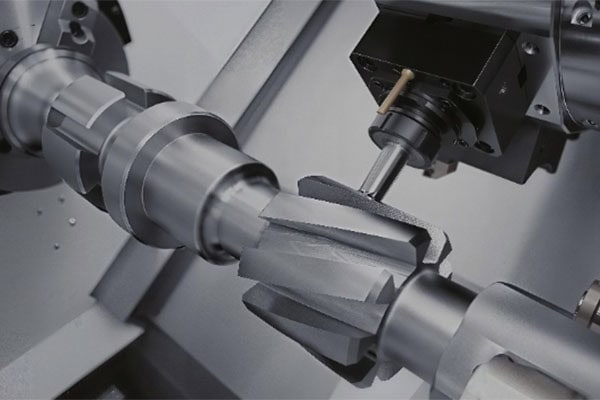
Aluminum alloys, stainless steel, carbon steel, and brass offer different mechanical properties, corrosion resistance, and machinability. Aluminum alloys generally provide good machinability and are suitable for many lightweight components, while stainless steel offers excellent corrosion resistance but can be more challenging to machine, depending on the grade.
Material selection should not be based solely on price per kilogram. Cutting efficiency, tool consumption, material utilization, and post-processing requirements must also be considered. Avoiding unnecessarily high material specifications can help reduce total manufacturing costs when the application does not require exceptional strength or corrosion resistance.
Improve Material Utilization
Part geometry, blank dimensions, and material layout all affect material waste. Designers should eliminate unnecessary solid material, optimize part dimensions, and select suitable blanks based on the intended machining process.
For parts that require substantial material removal from solid metal blocks, manufacturers can evaluate near-net-shape blanks or preliminary machining methods to reduce cutting allowances and machining time.
Set Appropriate Tolerances and Avoid Unnecessary Precision
Apply Tight Tolerances Only to Critical Dimensions
Tighter tolerances generally require more precise process control and may increase inspection time, rework, and scrap risks. Designers should determine tolerance levels according to assembly relationships, fit requirements, and actual operating conditions rather than applying high-precision tolerances to every dimension.
Critical mating surfaces, locating holes, and shaft dimensions may require tighter tolerances. Non-critical external dimensions and auxiliary features can often use standard tolerances.
Avoid Unnecessary Surface Finish Requirements
Excessively demanding surface finish requirements may require additional finishing, polishing, or other post-processing operations. Surface roughness should be specified according to contact conditions, sealing requirements, friction, and appearance.
Avoid imposing unnecessary fine-finishing requirements on hidden surfaces or non-functional areas. This can reduce secondary processing costs without compromising product performance.
Optimize Workholding and Machining Operations
Reduce Repeated Setups and Repositioning
Every additional setup can increase handling time and introduce positioning errors. During the design stage, consider whether suitable datum surfaces and feature layouts can allow the main machining operations to be completed with fewer setups.
For parts with multiple machined faces, evaluate the suitability of three-axis, four-axis, or five-axis CNC machining. The most economical solution should be selected according to part complexity, equipment availability, and production volume rather than simply choosing the most advanced machine configuration.
Design Parts for Easier Inspection
Deep holes, internal features, and narrow spaces can make measurements more difficult and increase quality inspection costs. Establishing appropriate measurement datums and providing sufficient access for inspection tools can shorten inspection time and improve dimensional verification efficiency.
Optimize Costs According to Production Volume
Balance Unit Costs and Batch Production Costs
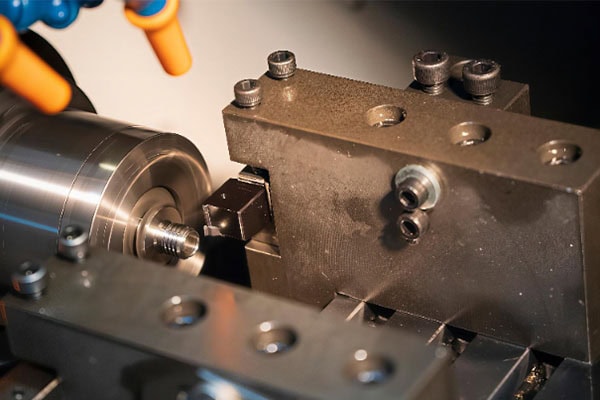
Small-batch orders are often more sensitive to programming, tooling, and machine setup costs. In mass production, machining cycle time, tool life, and repeatability become increasingly important. Designers should clarify the expected production volume early so that machining methods can be matched to actual manufacturing needs.
Evaluate Surface Treatments and Secondary Operations in Advance
Processes such as anodizing, electroplating, sandblasting, and polishing can add to manufacturing costs. During the design stage, confirm material compatibility with the selected surface treatment and clearly specify treatment areas, appearance standards, and critical dimensional requirements. This helps minimize rework and unnecessary processing steps.
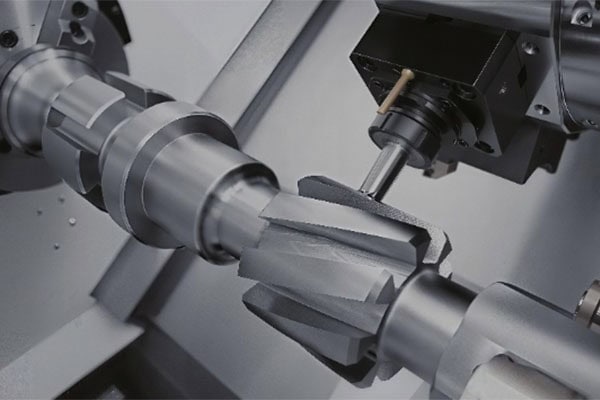
Consult a Professional CNC Machining Supplier Early
Waiting until engineering drawings are finalized before considering manufacturability can lead to design revisions, material waste, and production delays. A more effective approach is to conduct a Design for Manufacturability (DFM) review during the early design stage, allowing engineering teams to assess part geometry, tool accessibility, tolerances, materials, and machining routes.
TIRAPID can help evaluate CNC metal machining projects by considering part geometry, machining processes, and manufacturing feasibility. Identifying high-cost design features before production allows businesses to make targeted adjustments and improve machining efficiency while maintaining functional and quality requirements.
Conclusion
Reducing CNC metal part machining costs starts with the design process rather than simply negotiating lower material prices or machining rates. Simplifying geometries, selecting suitable materials, setting reasonable tolerances, minimizing setups, and planning processes according to production volume can all reduce total manufacturing costs.
Integrating DFM analysis into the early stages of product development helps manufacturers eliminate unnecessary machining operations and create designs that are better suited to real-world production requirements.