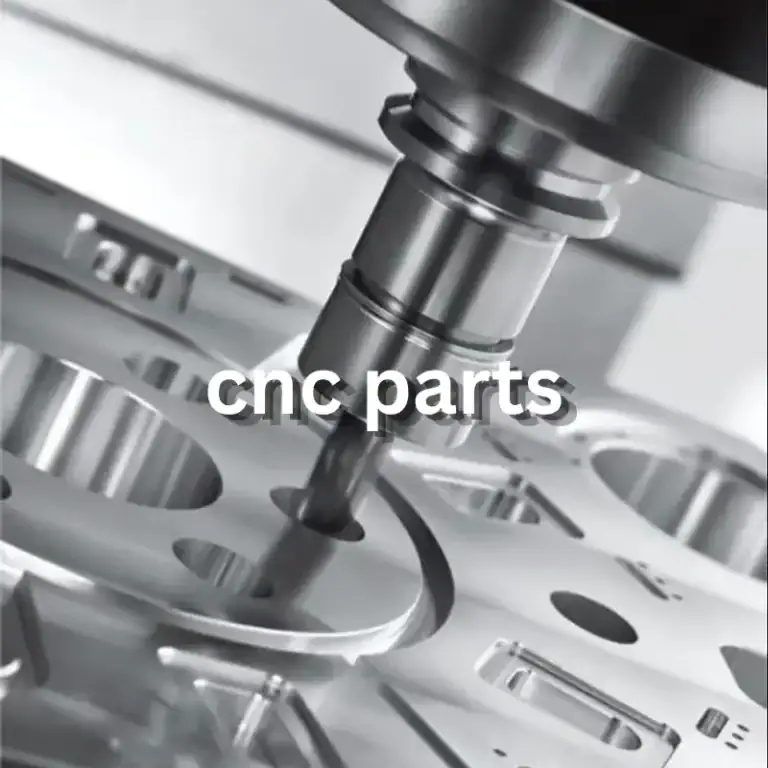
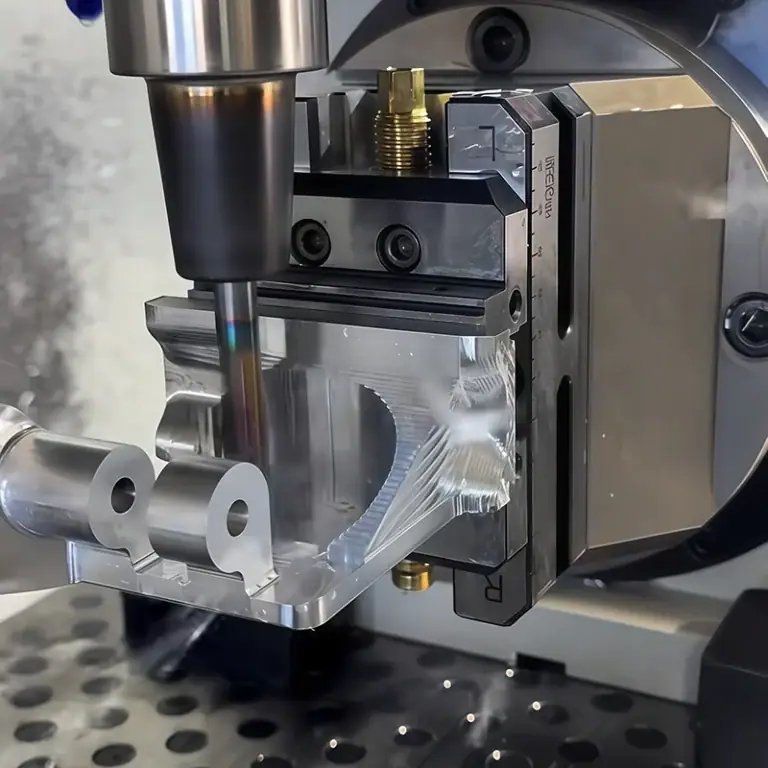
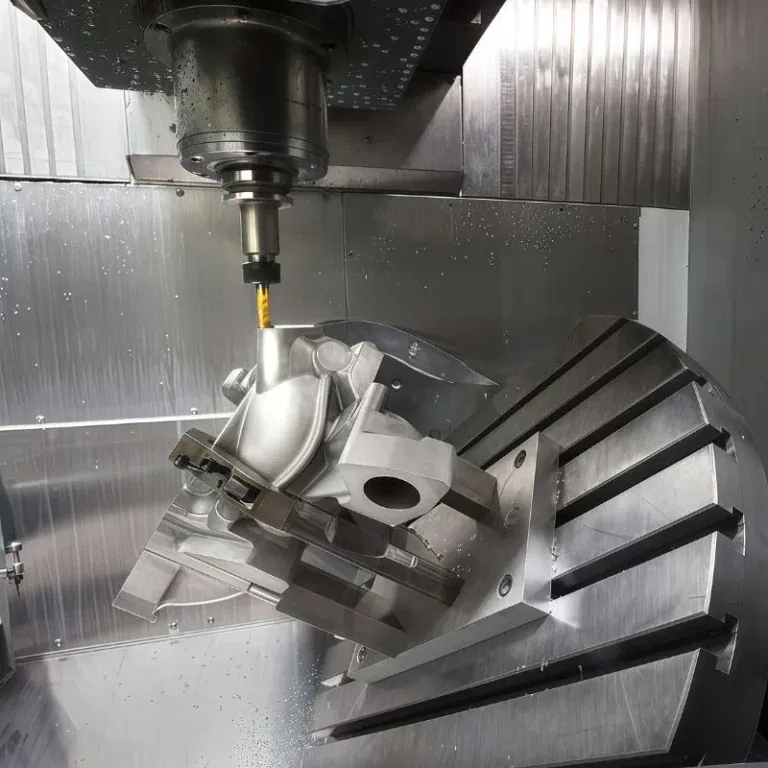
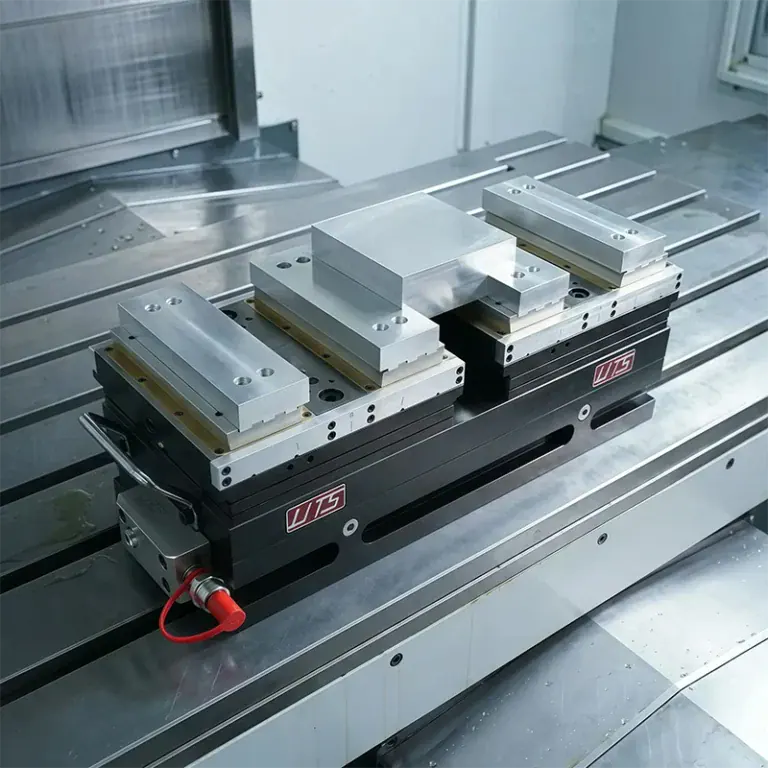
PEI (Polyetherimide) is a high-performance plastic material widely used in aerospace, medical devices, electronics and electrical equipment, semiconductor machinery, and industrial automation due to its excellent high-temperature resistance, mechanical strength, electrical insulation properties, and dimensional stability. Compared with conventional plastics, PEI can maintain stable performance for extended periods in high-temperature environments without easily deforming or aging, making it an important material for manufacturing many high-end components. During production, PEI materials are often machined into various precision parts through CNC machining. Because PEI has relatively high hardness and heat resistance, its machining methods differ from those of ordinary plastics. If cutting parameters are not properly configured, issues such as surface burning, dimensional deviations, and stress cracking may occur.
What Is PEI Plastic CNC Machining?
Basic Characteristics of PEI Material
PEI is a high-performance thermoplastic engineering plastic that is also commonly known in industry as Ultem® material. It combines the lightweight advantages of plastics with mechanical properties close to those of metal, while maintaining excellent strength and dimensional stability even in high-temperature environments. As a result, PEI is frequently used in the manufacture of electrical insulation components, medical device parts, semiconductor equipment components, aerospace structural parts, and various industrial automation accessories.
Its main characteristics include:
- Continuous service temperatures above 170°C
- Excellent dimensional stability
- Good chemical resistance
- Stable electrical insulation properties
Higher mechanical strength than most standard engineering plastics
What Is PEI CNC Machining?
PEI plastic CNC machining refers to the use of computer numerical control (CNC) equipment to perform operations such as cutting, drilling, milling, turning, and tapping on PEI materials, producing precision components that meet design specifications. Compared with injection molding, CNC machining does not require mold production and can manufacture parts directly from CAD drawings. Therefore, it is particularly suitable for product development, prototype fabrication, low-volume production, and high-precision component manufacturing.
Common machining methods include:
- CNC milling
- CNC turning
- Drilling
- Tapping
- Precision slotting
- Profile cutting
Compared with injection molding, CNC machining is more suitable for low-volume production, rapid prototyping, and manufacturing high-precision parts with complex geometries.
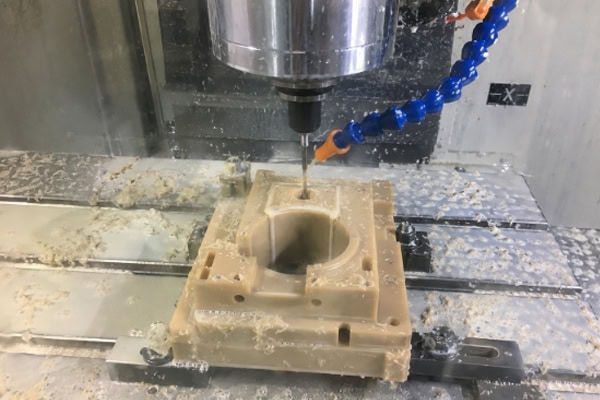
PEI Plastic CNC Machining Process
Raw Material Preparation Stage
Before machining begins, the appropriate PEI material specification must be selected according to the product drawing requirements.
Common material forms include:
| Material Type | Application |
| PEI Sheet | Structural parts, fixtures, insulation panels |
| PEI Rod | Shafts, connectors |
| Custom PEI Blanks | Special complex components |
After the materials arrive at the facility, they typically undergo visual inspection and dimensional verification.
CNC Machining Stage
Once the PEI material has been properly fixtured and the machining program has been loaded, the CNC machining process begins. The CNC machine automatically executes the programmed cutting operations, gradually transforming the raw material into a finished component that meets drawing specifications.Although PEI offers excellent machinability for a high-performance engineering plastic, its heat resistance and rigidity require careful control of cutting parameters to ensure dimensional accuracy and surface quality.
Typical machining steps include:
- Rough machining to remove excess material
- Semi-finishing to refine contours
- Finishing to achieve final dimensions
- Hole and thread machining
- Surface finishing treatment
Throughout the process, cutting temperature and machining conditions should be continuously monitored.
Inspection and Post-Processing
After all machining operations are completed, the product must undergo strict quality inspection and post-processing procedures to ensure compliance with customer requirements. For high-performance PEI components, inspection is often just as important as machining because dimensional deviations or assembly errors may still exist even if the appearance is acceptable.
Inspection items include:
- Dimensional tolerances
- Hole position accuracy
- Flatness
- Surface roughness
- Visual quality
Some high-precision products also require deburring and cleaning before delivery.
Technical Requirements for PEI Plastic CNC Machining
Importance of Tool Selection
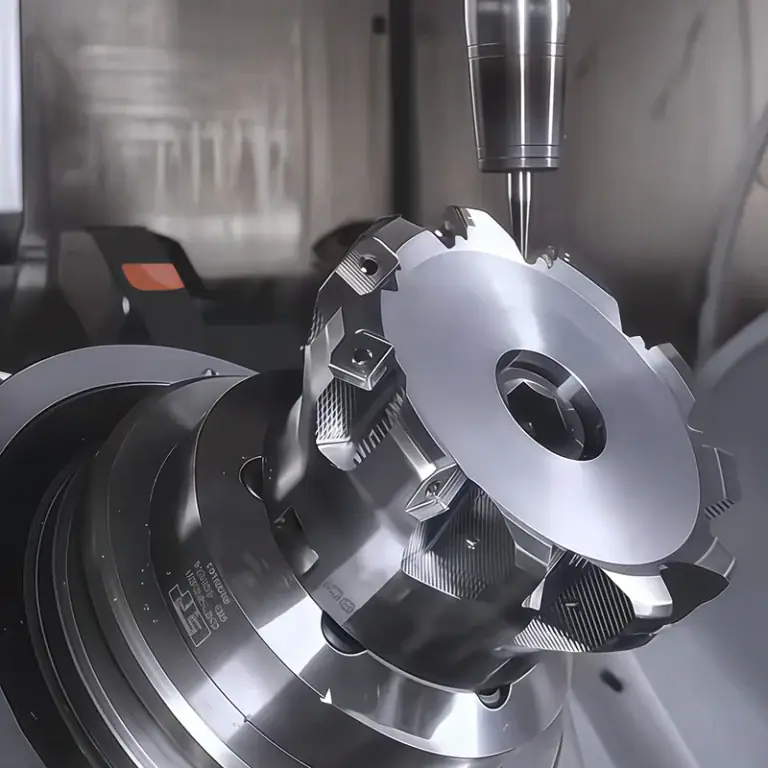
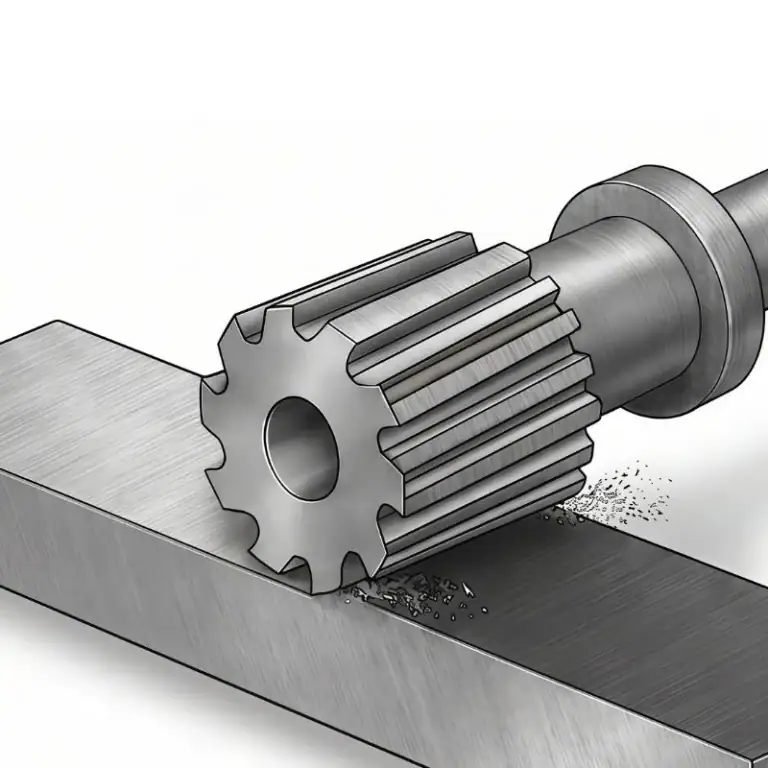
Although PEI is classified as an engineering plastic, its mechanical strength and hardness are significantly higher than those of standard plastics. As a result, machining performance depends heavily on proper tool selection. Choosing unsuitable tools can reduce machining efficiency and lead to problems such as material melting, excessive burr formation, and dimensional inaccuracies. In high-precision machining applications, tool sharpness and wear resistance often directly determine the final product quality.
Common cutting tools for PEI machining include:
- Carbide cutting tools
- Diamond-coated cutting tools
- High-sharpness single-flute cutters
- Micro-grain carbide end mills
- Precision drilling tools
Among these, carbide tools are the most commonly used because they offer a good balance between cost and durability. Diamond-coated tools are better suited for high-precision and high-volume production environments, providing extended tool life and consistent machining quality.Sharp cutting edges enable the material to be cut cleanly rather than removed through friction and compression. This reduces heat generation, minimizes the risk of surface deformation, lowers burr formation, and improves edge quality, resulting in smoother and more uniform finished surfaces.
Controlling Cutting Temperature
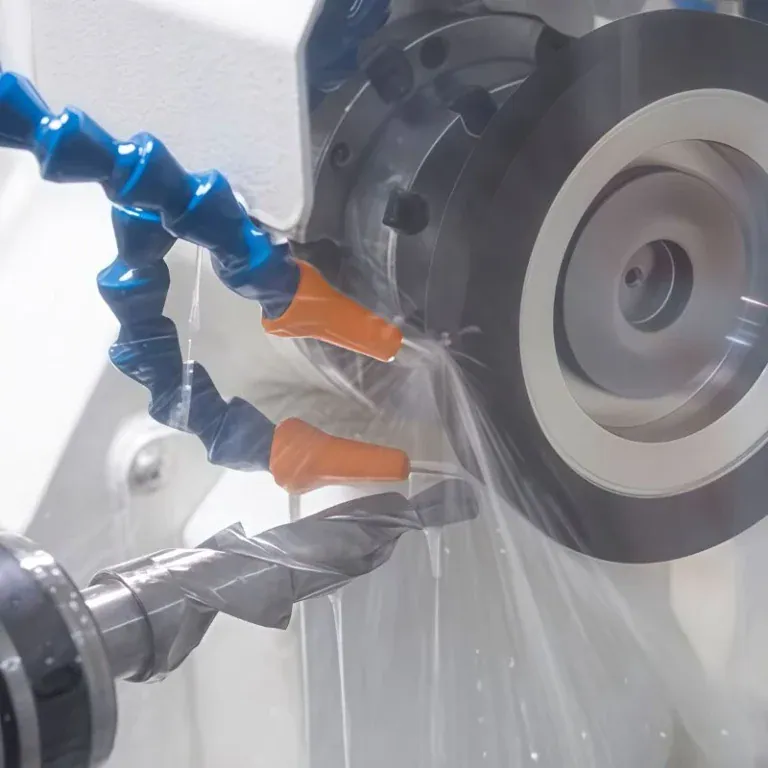
PEI possesses excellent heat resistance, with continuous service temperatures exceeding 170°C. However, this does not mean temperature control can be ignored during machining. In fact, the instantaneous temperatures generated in the cutting zone can far exceed the material’s operating temperature limits. If heat is not dissipated effectively, product quality may be compromised.
Excessive localized temperatures may cause:
- Surface darkening or yellowing
- Localized material softening
- Reduced dimensional accuracy
- Accelerated tool wear
- Poorer surface finish
- Formation of microcracks
Heat accumulation is particularly common during deep-slot machining, long continuous cutting cycles, and complex contour machining, making effective cooling strategies essential.
Preventing Internal Stress Release
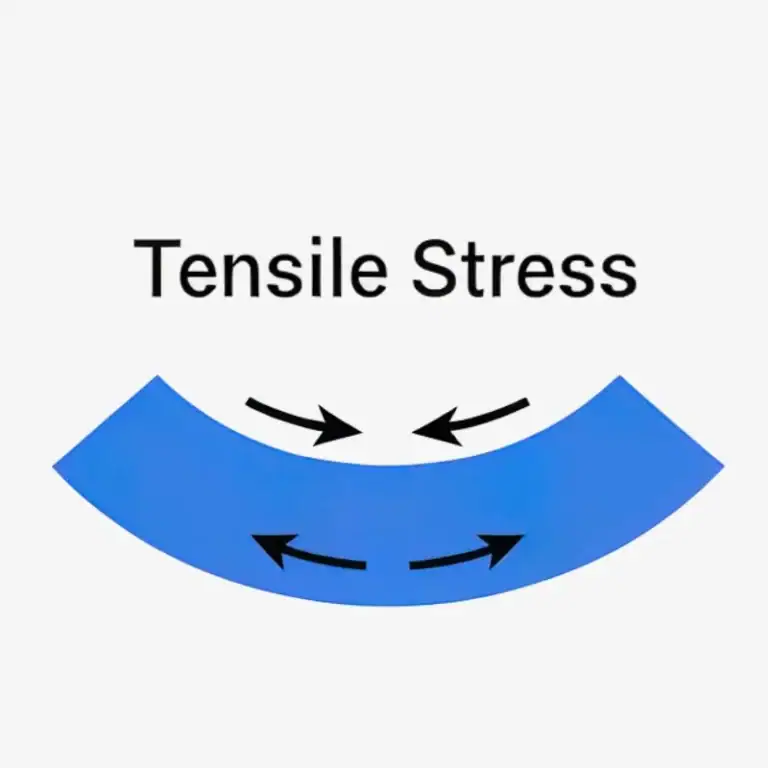
Many PEI sheets and rods undergo extrusion, compression molding, or cooling processes during manufacturing. These processes may introduce residual stresses within the material. Although the material may appear stable before machining, the removal of material during machining can redistribute internal stresses and cause part deformation.
If excessive material is removed or improper machining strategies are used, common issues include:
- Part warping
- Reduced flatness
- Dimensional shifts
- Edge cracking
- Hole position movement
Even minor deformation can prevent proper assembly in high-precision applications.
To minimize the effects of stress release, the following methods are commonly used:
- Multi-stage machining
- Machining with stock allowance
- Symmetrical machining strategies
- Annealing treatment
These measures help control post-machining deformation and ensure the final product meets precision manufacturing requirements.
Methods for Improving Surface Quality
For medical devices, electronic equipment, semiconductor machinery, and high-end industrial products, meeting dimensional specifications alone is not sufficient. High-quality surface finishes are equally important. Superior surface quality not only improves appearance but also enhances assembly accuracy and service life.Although PEI generally offers good machinability, improper process control can still result in visible tool marks, excessive burrs, and rough surfaces.
To achieve better surface finishes, manufacturers commonly implement the following optimization measures:
- Using high-precision cutting tools
- Reducing machining vibration
- Optimizing toolpath design
- Applying dedicated finishing operations
With proper process optimization, smooth and uniform machined surfaces can be achieved.
Frequently Asked Questions
PEI Is More Expensive Than Standard Engineering Plastics. Is It Worth Using?
The answer usually depends on the application environment. If a component must withstand high temperatures for extended periods, maintain dimensional stability, or operate in electrically insulating environments, PEI offers significant advantages.For example, connectors used in high-temperature environments may deform when made from standard plastics. PEI, however, can maintain mechanical performance and dimensional accuracy over time, reducing equipment failures and maintenance costs.
In conclusion
Although CNC machining of PEI generally involves higher material costs, its long-term value is often much greater. PEI plastic CNC machining combines high-performance materials with precision manufacturing technology. Thanks to its excellent heat resistance, mechanical strength, and dimensional stability, PEI is highly suitable for producing high-end industrial components, electrical insulation parts, and medical device assemblies.