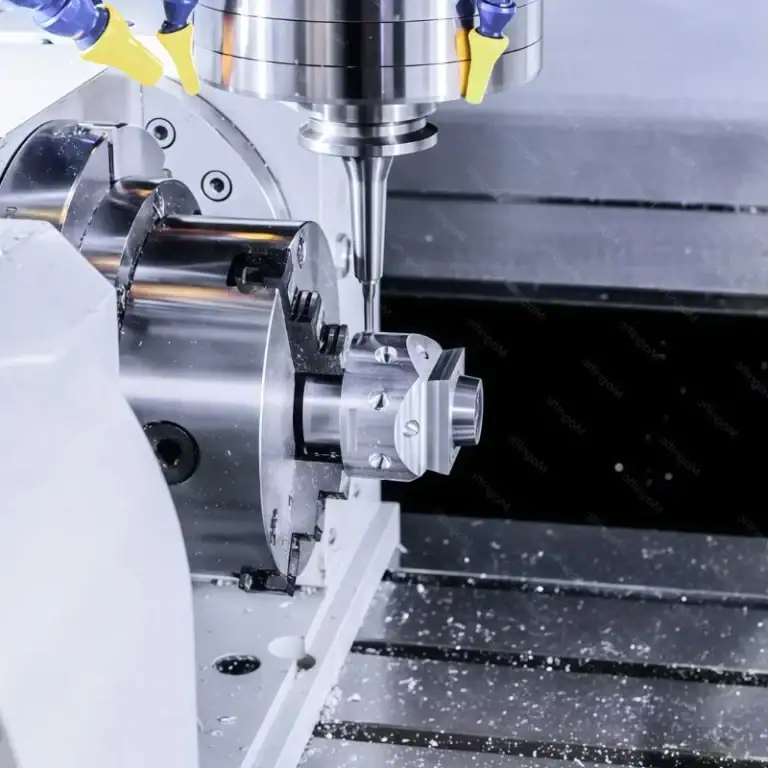
In turning operations, the selection of cutting inserts directly affects machining efficiency, surface quality, and production stability. Different materials, cutting conditions, and machine tool capabilities require different insert geometries, grades, and coatings. If the insert is not properly selected, issues such as edge chipping, vibration, poor surface finish, and short tool life may occur. Proper matching of inserts helps ensure stable machining performance while reducing overall production cost.
Basic Types of Turning Inserts
Turning inserts can be classified into different types based on geometry and application. Each structure is designed for specific machining conditions.
Common Insert Shapes
Common insert geometries include:
- Triangle inserts: highly versatile, suitable for roughing and semi-finishing
- Diamond inserts: ideal for finishing and contour machining
- Square inserts: strong cutting edge, suitable for heavy-duty roughing
- Round inserts: suitable for interrupted cutting and high-impact conditions
Different nose angles affect cutting stability. A sharper tip is more suitable for finishing, while a stronger edge is better for heavy cutting loads.
Common Insert Materials
Insert material determines wear resistance and heat resistance. Common types include:
- Carbide inserts: the most widely used, suitable for general steel machining
- Coated inserts: improve wear resistance and thermal stability
- Ceramic inserts: suitable for high-speed machining of cast iron
- CBN inserts: used for hardened materials
- PCD inserts: ideal for aluminum and copper alloys
Different materials determine the operating conditions and tool life performance of the insert.
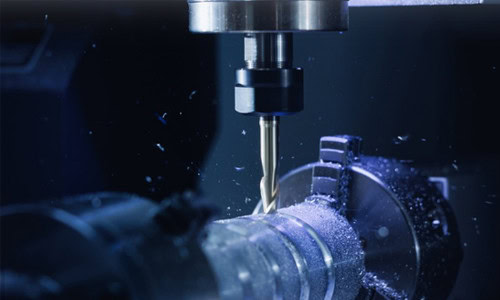
Selecting Inserts Based on Workpiece Material
Different materials require different insert characteristics, and proper matching is essential.
Carbon Steel and Alloy Steel
Carbon steel is relatively easy to machine and allows a wide range of insert selections.
Typical choices include:
- Coated carbide inserts
- Medium-toughness grades
- General-purpose geometries
When machining 45 steel, a balance between sharpness and impact resistance is required to avoid brittle fracture or excessive wear.
Stainless Steel Machining
Stainless steel tends to work harden during cutting, making machining more demanding.
Recommended insert features:
- High heat resistance
- Anti-adhesion coatings
- Properly designed rake angles
Built-up edge is common during stainless steel machining, so stable cutting conditions must be maintained to avoid frequent tool engagement changes.
Aluminum Alloy Machining
Aluminum is soft but prone to built-up edge formation, requiring sharp cutting edges.
Suitable inserts include:
- PCD inserts
- Highly polished edge inserts
- Dedicated aluminum machining inserts
Aluminum machining focuses heavily on surface quality and chip evacuation. A sharp cutting edge and smooth chip flow are essential to prevent adhesion and surface scratches.
High-Hardness Material Machining
Hardened steel and mold steels require high-performance cutting tools.
Recommended inserts include:
- CBN inserts
- Ceramic inserts
- High-wear-resistant coated carbide inserts
Machining is typically performed with small cutting depths and low feed rates to ensure stability and tool life.
Influence of Insert Geometry Parameters
Insert geometry has a direct impact on cutting force, chip control, and surface finish.
Rake Angle and Relief Angle
The rake angle influences cutting sharpness:
- Larger rake angle: lighter cutting force, suitable for soft materials
- Smaller rake angle: stronger cutting edge, suitable for hard materials
The relief angle affects friction behavior:
- Too small: increases rubbing and heat generation
- Too large: weakens edge strength
A balance between sharpness and strength is required depending on machining conditions.
Nose Radius
The nose radius significantly affects machining results:
- Larger radius: better surface finish but higher cutting force
- Smaller radius: suitable for fine contours but lower durability
Finishing operations often use larger nose radii to improve surface quality.
Chip Breaker Design
Chip breaker geometry influences chip control:
- Wide chip breaker: suitable for rough machining
- Tight chip breaker: suitable for finishing
- Specialized designs: prevent long chip entanglement
Poor chip evacuation can increase cutting temperature and reduce tool life.
Matching Inserts with Machining Conditions
Insert selection must match machining conditions to ensure stable performance.
Cutting Speed Compatibility
Different inserts operate within different speed ranges:
- Carbide inserts: medium to high speed
- Ceramic inserts: high-speed machining
- CBN inserts: ultra-high hardness and high-speed cutting
Incorrect cutting speeds can lead to premature wear or insert failure.
Cutting Parameters Matching
Insert capability defines parameter limits:
- Tough inserts support heavy cuts
- Finishing inserts require small feed rates
- Roughing inserts are designed for high material removal
Parameters must align with insert performance for stable machining.
Machine Rigidity Influence
Even high-performance inserts may fail if machine rigidity is insufficient.
In such cases:
- Use more stable insert geometries
- Reduce nose radius
- Lower cutting parameters
Common Issues in Insert Selection
Incorrect insert selection is common in practical machining and can significantly affect performance.
Typical issues include:
- Choosing inserts based only on price without considering material compatibility
- Using roughing inserts for finishing operations
- Ignoring coating differences
- Mismatch between insert and tool holder
- Neglecting chip evacuation requirements
These issues can lead to reduced tool life and poor machining quality.