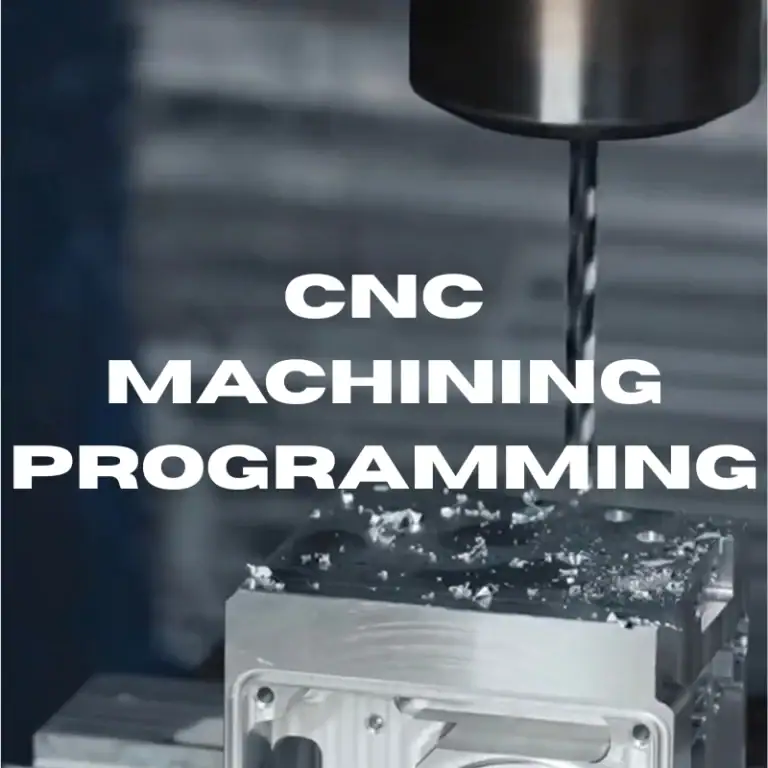
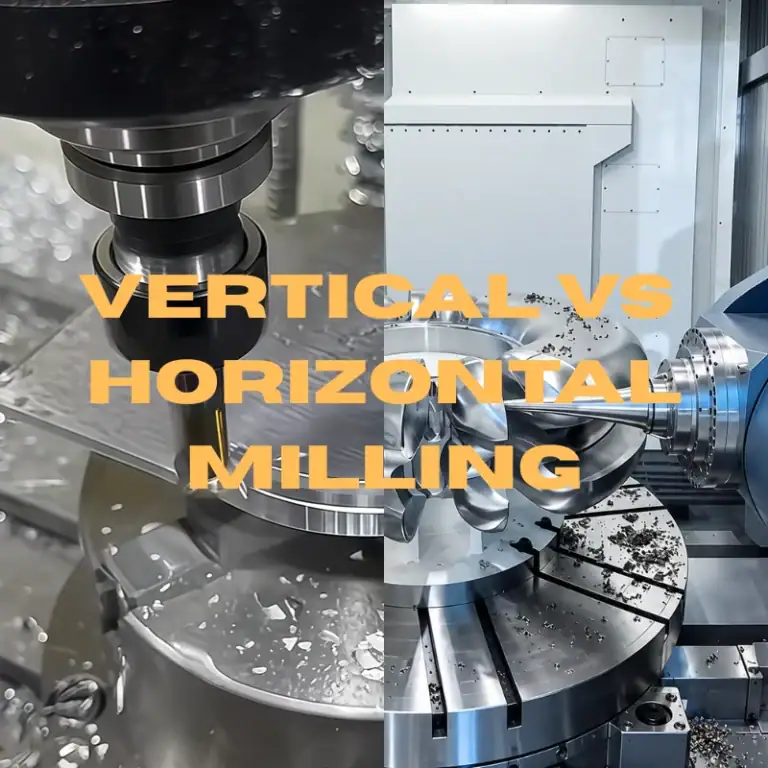
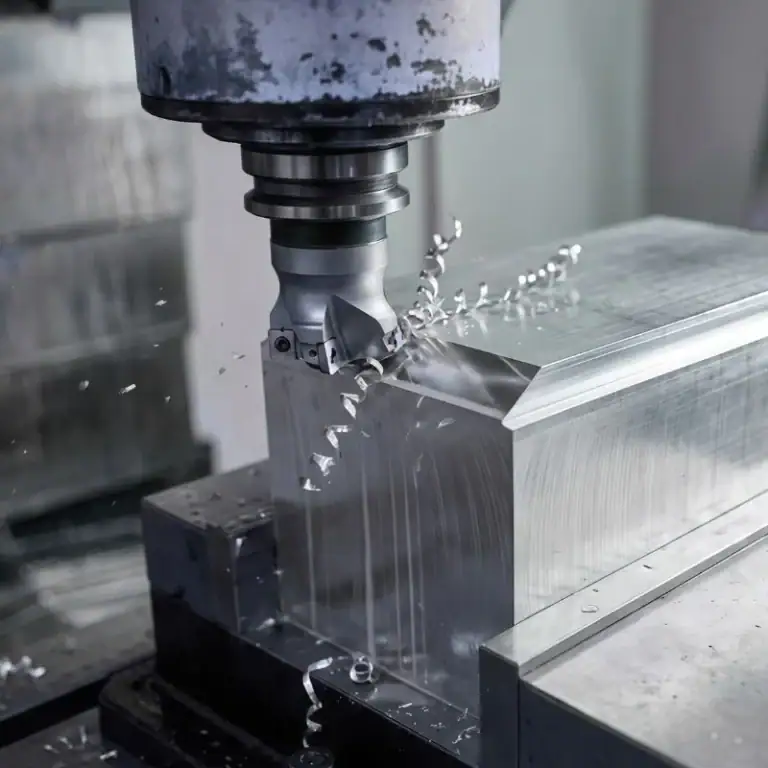
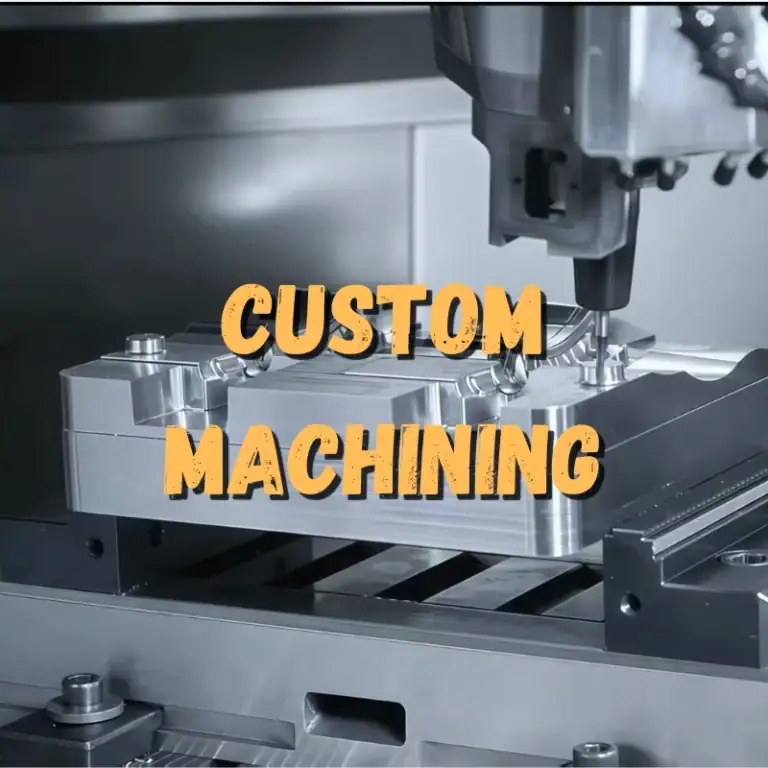
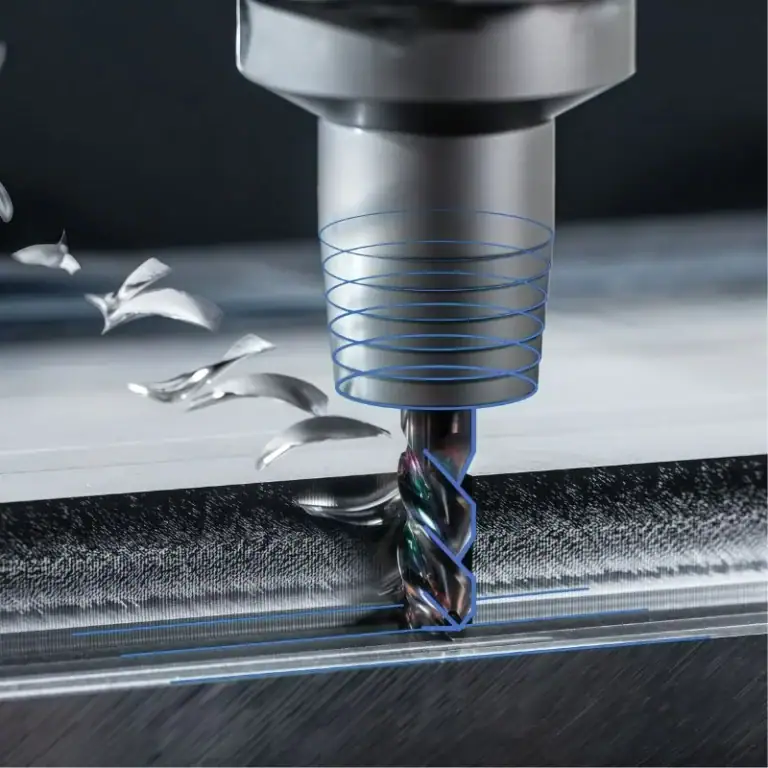
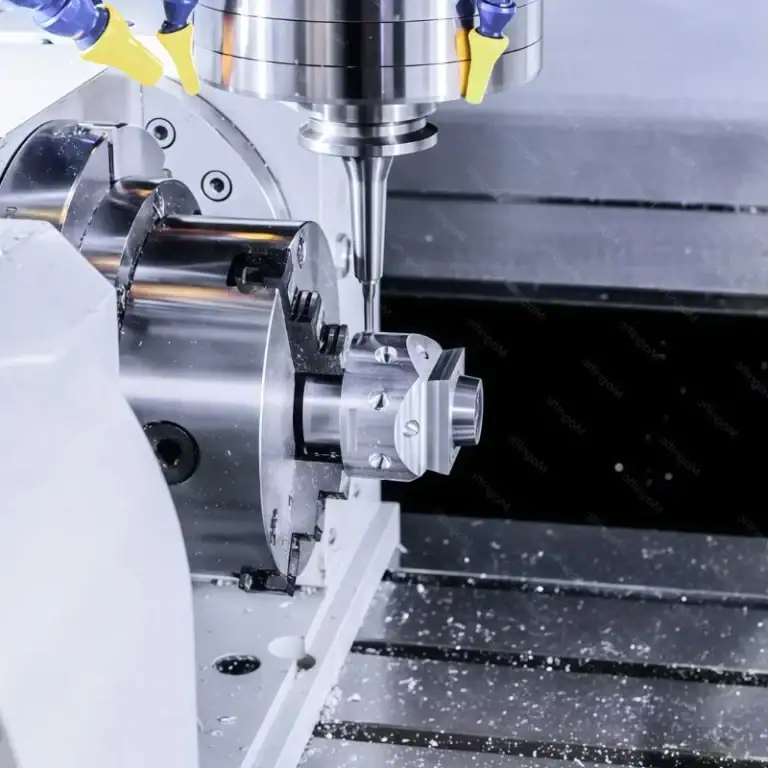
As modern CNC machining systems continuously evolve towards higher precision and efficiency, the importance of core machine tool components is constantly increasing. Among these, the spindle system, as a key structure in CNC milling equipment, directly impacts machining accuracy, cutting stability, and overall production efficiency. As demonstrated by TiRapid’s CNC machining services, high-performance spindle systems have become a crucial foundation for enhancing the machining capabilities of complex parts. Whether it’s high-speed cutting or high-precision surface machining, the spindle system bears the vital task of driving tool rotation and stabilizing cutting; its performance directly determines the quality of the final product.
What is a Spindle System?
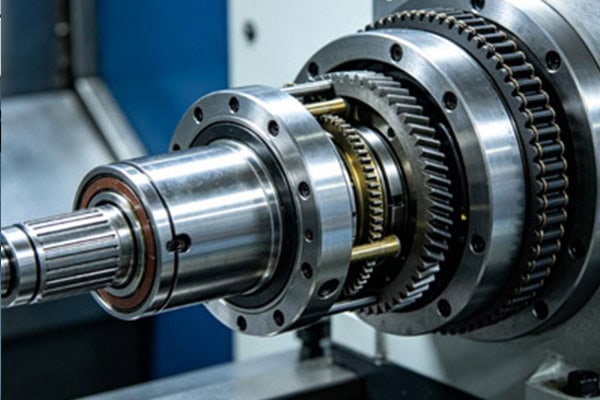
The spindle system is the core component in CNC milling equipment responsible for driving tool rotation. Its main function is to provide stable power for cutting while ensuring the accuracy and stability of the tool during high-speed operation. In actual machining processes, the spindle system needs to withstand high-speed rotation, cutting pressure, and long-term continuous operation; therefore, its performance directly affects the overall machining quality and equipment stability.
What is a Spindle System?
The spindle system is the core component in CNC milling equipment responsible for driving tool rotation. Its main function is to provide stable power for cutting while ensuring the accuracy and stability of the tool during high-speed operation. In actual machining processes, the spindle system needs to withstand high-speed rotation, cutting pressure, and long-term continuous operation; therefore, its performance directly affects the overall machining quality and equipment stability.
Working Principle of Spindle Systems
A spindle system typically consists of a spindle, motor, bearings, and cooling system. The motor drives the spindle to rotate at high speed, which in turn drives the cutting tool to complete the cutting action. The entire operation emphasizes the stability of power transmission and the precision of speed control.By precisely controlling the spindle speed and torque, the cutting state can be adjusted according to different materials and machining methods, thus ensuring a smoother and more efficient machining process.
Common Spindle Types
Different types of spindle systems are suitable for different machining needs.
In CNC milling, common spindle types include belt-driven spindles, direct-drive spindles, and electric spindles.
- Belt-driven spindles have a simple structure and are suitable for conventional machining;
- direct-drive spindles offer higher stability and reduce power loss;
- electric spindles have higher integration and are suitable for high-speed, high-precision machining scenarios.
Diverse spindle structures allow CNC equipment to adapt to different manufacturing environments.
High-speed spindles and high-torque spindles have different applications.
- High-speed spindles are typically used for machining aluminum alloys and precision parts, characterized by high speed and good surface finish.
- High-torque spindles are better suited for steel parts and heavy cutting, providing stronger cutting capabilities.
- The performance characteristics of different spindles determine their specific application range in industrial production.
The Role of the Spindle System in CNC Milling
(1) The spindle system directly affects machining accuracy and surface quality.
During machining, the spindle’s operational stability determines whether the tool rotation is smooth. If the spindle vibrates or wobbles, it can easily lead to increased dimensional errors and surface roughness. High-performance spindles can effectively reduce these problems, thereby improving the quality of part machining.
Stable spindle operation is an important foundation for high-precision machining.
(2) The spindle system determines machining efficiency and cutting capability.
Spindle speed and torque directly affect cutting speed and material removal efficiency. High-speed spindles can increase machining speed, while high-torque spindles can enhance heavy cutting capabilities, enabling the equipment to adapt to different material machining needs.
Properly configuring spindle performance can significantly improve overall production efficiency.
(3) The spindle system affects tool life and equipment stability.
If the spindle operates unstablely, it can easily lead to uneven stress on the tool, thereby increasing the tool wear rate. A stable spindle system can reduce vibration and thermal deformation, extend tool life, and reduce the risk of equipment failure.
A high-quality spindle system can help companies reduce long-term maintenance costs.
Advantages and Limitations of Spindle Systems
Advantages:
High-performance spindle systems have significant advantages in modern manufacturing.
- Through high speed, high stability, and precise control capabilities, modern spindle systems can meet the needs of complex parts and high-precision machining, while improving machining efficiency and automation levels.
These advantages make the spindle system an important component of high-end CNC equipment.
Limitations:
Spindle systems also have certain limitations in application.
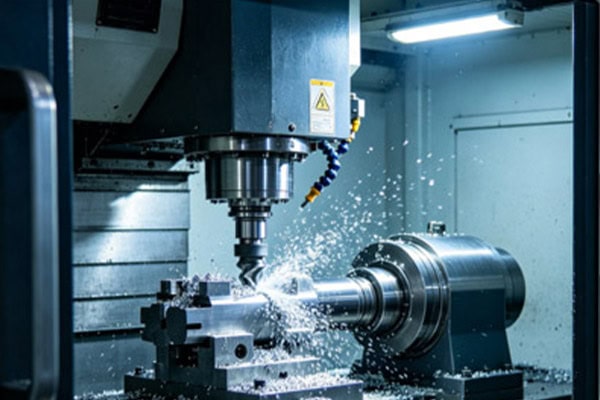
- High-performance spindles are more expensive and have higher requirements for cooling and maintenance. Furthermore, prolonged high-speed operation can easily generate heat and wear, requiring regular maintenance and precision calibration.
Proper maintenance and management are important conditions for ensuring the long-term stable operation of the spindle.
Conclusion
As the core structure of CNC milling equipment, the spindle system directly impacts machining accuracy, cutting efficiency, and equipment stability. From power output and speed control to vibration management and thermal stability, the spindle system plays a crucial role in the entire machining process. With the ever-increasing demands of modern manufacturing for high-precision and complex structure machining, the importance of high-performance spindles continues to grow. Whether in aerospace parts machining or precision mold manufacturing, a stable and reliable spindle system is a vital foundation for ensuring machining quality.