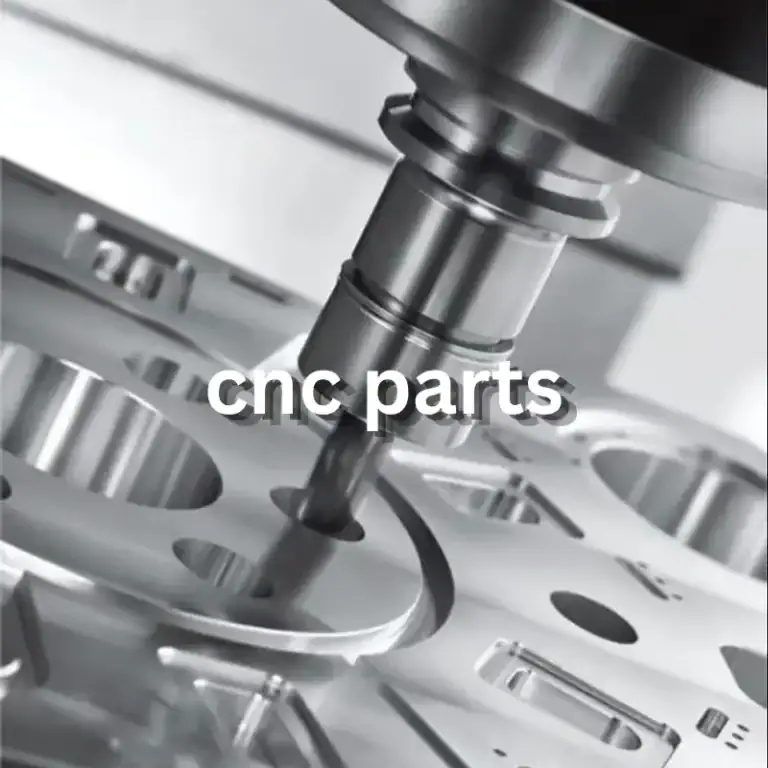
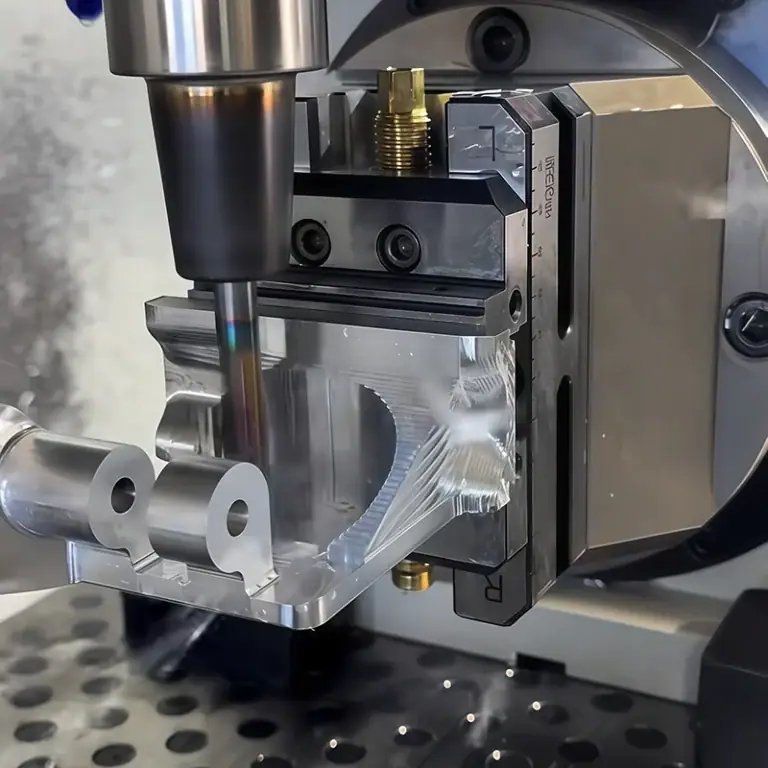
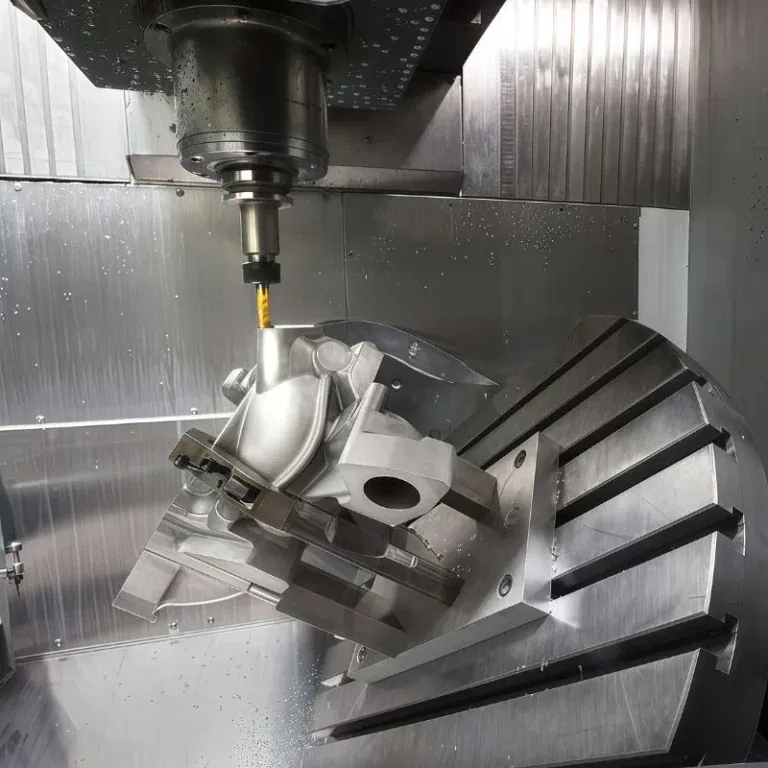
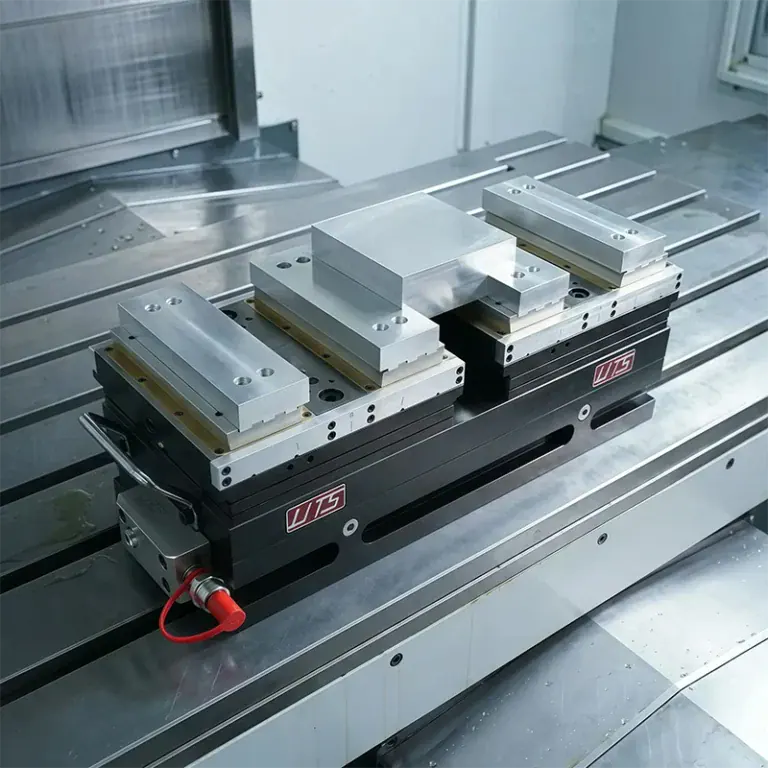
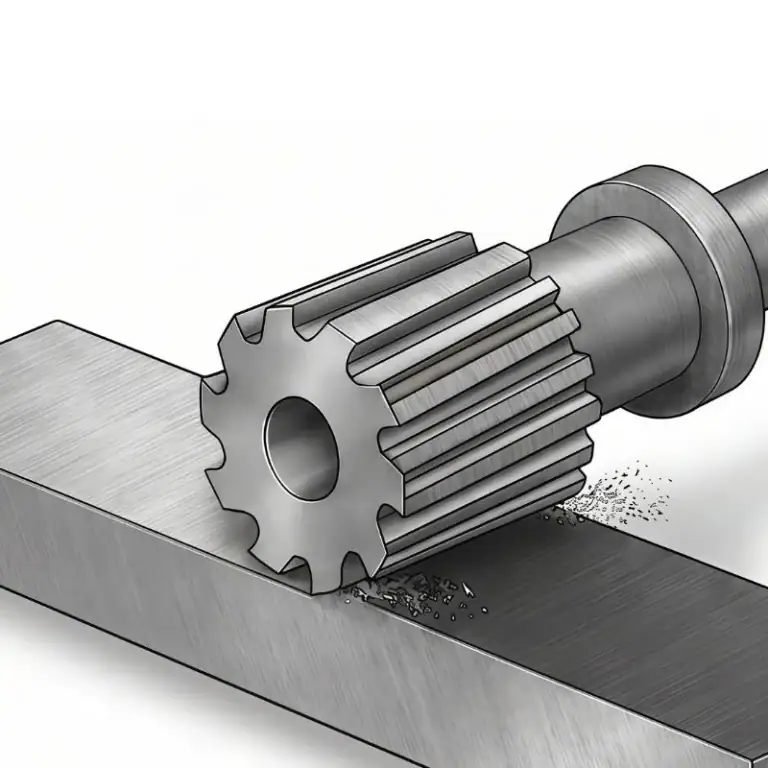
When looking for a CNC turning manufacturer, purchasing teams and engineers usually evaluate much more than machining price. Machining accuracy, prototype lead time, production capacity, material selection, quality inspection, surface finishing, and delivery reliability can all influence the success of a manufacturing project. For shafts, bushings, sleeves, connectors, threaded components, flanges, and other precision turned parts, the capabilities of the CNC machining supplier can directly affect assembly performance and final product reliability. Choosing the right CNC turning supplier allows a project to move smoothly from prototype development to small-batch production and eventually to mass manufacturing without unnecessary delays or repeated process adjustments. For companies developing new products, precision CNC turning prototyping provides real components that can be used for dimensional verification, assembly testing, and functional evaluation. For established products requiring regular supply, batch CNC turning places greater emphasis on unit cost, production cycle time, dimensional consistency, and delivery capacity. Since CNC machining suppliers vary considerably in equipment, material capabilities, tolerances, engineering support, and production schedules, purchasing decisions should be based on the specific requirements of the component and project.、
What Capabilities Should You Look for in a CNC Turning Manufacturer?
When selecting a CNC turning supplier, it is important to confirm that the company has equipment, engineering expertise, and quality-control capabilities that match the requirements of the components. CNC turning is particularly suitable for shafts, pins, sleeves, threaded fittings, flanges, and other rotational components. Depending on the design, additional operations such as drilling, tapping, grooving, internal boring, milling, and turn-mill machining may also be required. A capable CNC machining manufacturer should be able to manufacture components according to engineering drawings while also identifying potential manufacturing risks before production begins. This can help reduce unnecessary machining costs and avoid problems during assembly. Many precision CNC turning suppliers support the complete manufacturing process from prototypes and low-volume production to larger production runs. Differences in minimum order quantities, engineering response times, inspection capabilities, and production lead times should be considered when comparing suppliers. Before requesting a quote, purchasing teams should prepare 3D CAD files, 2D engineering drawings, material specifications, quantities, tolerance requirements, surface finishing requirements, and special inspection standards. Complete technical information allows engineers to evaluate the manufacturing process more efficiently and provide a more accurate CNC turning quote.
CNC Turning Equipment and Machining Capabilities
Equipment configuration is an important indicator of a CNC turning manufacturer’s production capabilities. Standard CNC lathes are commonly used for external turning, facing, step turning, grooving, and threading. Turn-mill centers can combine turning and milling operations within a single setup, reducing the need for repeated workholding and improving positional accuracy. Swiss-type CNC turning machines and multi-axis turn-mill equipment can provide additional advantages for small-diameter precision parts and components with complex geometries.
- External diameter turning
- Internal boring
- Precision threading
- Grooving and parting
- Facing operations
- Drilling and tapping
- Complex profile machining
- Turn-mill machining
- Precision small-part manufacturing
Selecting the right equipment for each component can reduce process transfers and allow the part to be manufactured under more stable machining conditions.
Precision Tolerances and Dimensional Consistency
For precision machinery, automotive components, medical devices, robotics, electronics, and other industrial applications, dimensional consistency is often more important than simply obtaining the lowest machining price. CNC turning can provide precise control over external diameters, internal diameters, lengths, concentricity, roundness, threading, and surface roughness. The achievable tolerance depends on material, component dimensions, geometry, machine condition, tooling, workholding, and drawing requirements, so machining capability should not be judged using a single fixed tolerance value.
A reliable precision CNC turning supplier should have stable process-control procedures supported by first-article inspection, in-process inspection, and final quality inspection. Critical dimensions can also be verified with appropriate measurement equipment and documented in inspection reports when required. Consistent dimensional control helps reduce assembly adjustments and lowers the risk of defective components during high-volume production.
Engineering Review and DFM Support
A CAD model does not always represent the most economical manufacturing solution. Hole depth, wall thickness, groove width, thread location, tool accessibility, chamfer dimensions, and excessively tight tolerances can all affect machining difficulty and production cost. A CNC machining supplier with strong engineering capabilities can review these design characteristics before production and provide design-for-manufacturing recommendations.
- Check whether the geometry is suitable for CNC turning
- Confirm tool accessibility
- Identify unnecessary tight tolerances
- Optimize raw material dimensions
- Reduce unnecessary machining operations
- Modify complex features to lower production costs
- Identify potential quality risks before manufacturing
TiRapid currently provides DFM support and drawing evaluation services through its CNC manufacturing platform, which can be valuable for projects requiring rapid prototyping and frequent product iterations.
Which Components Are Suitable for Precision CNC Turning?
The primary strength of CNC turning is its ability to manufacture cylindrical, tapered, stepped, and other rotational components with high dimensional consistency. Components that require controlled diameters, concentricity, threading, and mating dimensions are often well suited to CNC turning. During the purchasing process, engineers can evaluate the geometry of the component to determine whether conventional CNC turning is sufficient or whether turn-mill machining, drilling, tapping, or additional secondary operations are required.
Shafts and Precision Pins
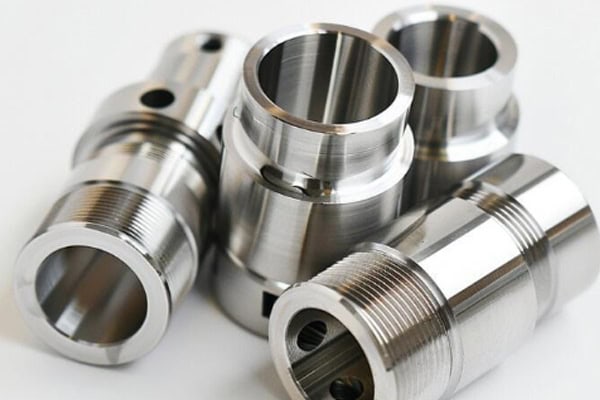
Shafts and pins are among the most common CNC turned components. Typical products include transmission shafts, positioning shafts, stepped shafts, motor shafts, precision pins, and roller shafts. These components commonly require tight control of diameter, length, shoulder position, concentricity, and surface finish.
For shafts that must interface with bearings, gears, couplings, or other mechanical components, critical mating dimensions should be clearly specified on the engineering drawing. Stable CNC turning processes can produce consistent external diameters and reliable surface finishes, providing a solid foundation for subsequent assembly.
Bushings, Sleeves, and Spacers
Bushings, sleeves, washers, and spacers often contain internal and external cylindrical features. Their dimensional accuracy directly affects assembly clearance and operating performance. Depending on the application, these components may also require internal grooves, external grooves, chamfers, retaining features, or other precision details.
- Bearing bushings
- Copper bushings
- Plastic sleeves
- Metal spacers
- Precision washers
- Positioning rings
- Sealing-related components
CNC turning can efficiently control both internal and external dimensions for these components, making it suitable for prototypes, low-volume production, and repeat manufacturing.
Threaded Components, Fittings, and Connectors
Threaded components are widely used in hydraulic systems, pneumatic equipment, automotive systems, industrial machinery, and electronic devices. Internal and external threads must maintain accurate pitch, profile, and dimensions to ensure smooth assembly and reliable connections.
CNC turning can produce metric threads, imperial threads, pipe threads, and customized thread configurations according to engineering requirements. Precision fittings may also require drilling, tapping, grooving, chamfering, and surface finishing to create complete finished components.
How Does CNC Turning Prototyping Accelerate Product Development?
Product development projects often require physical prototypes within short lead times. Compared with manufacturing dedicated molds, CNC turning prototyping can directly convert CAD designs and engineering drawings into functional metal or plastic components. This is particularly useful when the basic component design has been established but dimensional, assembly, or functional validation is still required. Obtaining physical prototypes quickly allows engineering teams to identify design problems earlier and shorten development cycles.
Prototype Component Validation
CNC prototype machining converts digital models into physical components that can be used to evaluate dimensions, assembly relationships, hole positions, thread fit, movement, and functional performance.
- Verify component dimensions
- Check assembly clearances
- Test thread engagement
- Evaluate material performance
- Verify structural requirements
- Improve product design
After prototype testing, engineers can update CAD files according to real-world test results and produce revised components for another validation cycle.
Low-Volume CNC Manufacturing
Low-volume CNC production is useful for market testing, engineering validation, equipment upgrades, pilot production, and new product launches. These projects may not yet require large-scale manufacturing but still need functional components for assembly and testing.
CNC turning does not require dedicated molds for each component. Production can begin by preparing the CNC program, tools, workholding system, and machining process based on the engineering drawings. For small quantities with high precision requirements, this manufacturing method can reduce initial tooling costs while maintaining flexibility for future design changes.
Moving from Prototyping to Mass Production
An experienced CNC machining supplier should be capable of transferring validated prototype processes into stable batch production. Materials, tools, cutting parameters, inspection procedures, and packaging methods established during prototyping can be converted into standardized production processes.
During mass production, standardized machining procedures and quality-control systems help minimize variation between production batches while making manufacturing schedules and delivery quantities easier to predict.
What Factors Affect CNC Turning Quotes?
CNC turning prices are not determined simply by component weight. Material cost, component geometry, machining time, tolerance requirements, tooling requirements, order quantity, surface finishing, inspection standards, and delivery requirements can all influence the final quotation. When different suppliers provide different CNC turning prices, the difference does not necessarily indicate a difference in machining quality. Purchasing teams should compare what is included in each quotation before selecting a supplier.
Material and Raw Stock Dimensions
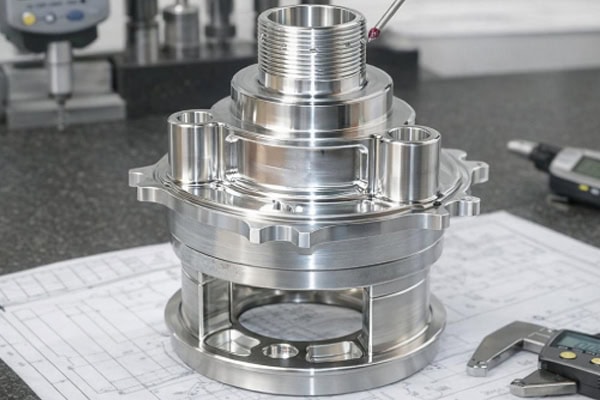
Aluminum alloys, carbon steel, stainless steel, brass, copper, titanium alloys, and engineering plastics have different material prices and machining characteristics. TiRapid’s CNC turning capabilities cover a range of aluminum alloys, steels, stainless steels, titanium alloys, copper alloys, and engineering plastics such as POM, PEEK, and PC.
When the raw material is significantly larger than the finished component, more material must be removed, increasing machining time and material waste. Optimizing raw stock dimensions can reduce unnecessary cutting and improve unit economics.
Order Quantity and Production Lead Time
A single prototype must absorb programming, machine setup, workholding, and first-piece inspection costs. During batch production, these fixed preparation costs can be distributed across a larger number of components. Higher production volumes can also make automated feeding, standardized fixtures, and optimized tool management more economical.
For recurring production programs, stable cycle times allow suppliers to plan materials and machine capacity more efficiently, which can help reduce unit manufacturing costs.
Tolerances and Surface Finishing
Standard mechanical components with conventional tolerances may require relatively simple inspection procedures, while high-precision components require more measurement equipment, inspection time, and process control. Surface finishing can also affect the final CNC turning price. Anodizing, blasting, polishing, plating, passivation, and specialized cleaning are examples of secondary services that may need to be included in the manufacturing quotation.
TiRapid’s CNC turning information indicates support for surface roughness requirements down to approximately Ra 0.6–3.2 μm, along with surface finishing options such as anodizing and blasting.
How Can You Prepare CNC Turning RFQ Files for Faster Quotes?
To receive an accurate CNC turning quotation, purchasing teams should provide complete component information whenever possible. When engineers receive sufficient technical data, they can evaluate the machining process, material, equipment, inspection requirements, and lead time more efficiently. This reduces repeated communication and helps accelerate the quotation process.
Provide 2D Engineering Drawings and 3D CAD Models
3D CAD models allow engineers to evaluate the complete component geometry, while 2D engineering drawings define dimensions, tolerances, threads, surface roughness, and special technical requirements. Using both types of files together provides a more complete manufacturing reference.
- STEP or STP 3D CAD model
- PDF engineering drawing
- Material grade
- Required quantity
- Critical dimensional tolerances
- Thread specifications
- Surface finishing requirements
- Special inspection requirements
- Required delivery date
TiRapid supports 3D CAD file uploads for quotation and DFM evaluation through its CNC manufacturing platform.
Clearly Define Critical Quality Requirements
If certain dimensions directly affect assembly or functional performance, they should be clearly identified on the engineering drawing. For high-precision projects, purchasing teams should also specify required inspection reports, material certifications, or other quality documentation.
Clear engineering information reduces uncertainty during quotation and helps the machining supplier maintain consistent standards during production.
Why Should You Look Beyond Unit Price When Choosing a CNC Turning Supplier?
The lowest CNC machining quote does not necessarily represent the best manufacturing solution. An unusually low quotation may reflect differences in material specifications, inspection standards, surface finishing, packaging, engineering support, or delivery services. When comparing CNC turning manufacturers, purchasing teams should evaluate engineering capabilities, machining equipment, quality systems, inspection equipment, production lead times, communication efficiency, and long-term production stability.
TiRapid currently presents CNC turning, CNC milling, five-axis machining, micro machining, and large CNC machining capabilities, with applications covering aerospace, automotive, robotics, electronics, medical equipment, semiconductor equipment, and industrial machinery. Its manufacturing services also support projects ranging from prototypes to larger production runs.
Evaluate Engineering Response Time
After an RFQ is submitted, engineering communication can directly affect product development schedules. A supplier capable of quickly confirming material, manufacturing process, tolerance requirements, and lead time can be particularly valuable for projects with short development cycles.
Evaluate Quality Inspection Capabilities
Precision turned components require reliable dimensional control and inspection procedures. When evaluating a supplier, purchasing teams should check whether the manufacturer has appropriate equipment for dimensional measurement, CMM inspection, surface roughness measurement, and other required quality checks.
Evaluate Prototype-to-Production Capabilities
If prototypes are manufactured by one supplier while mass production must be transferred to another company, additional validation and process-development time may be required. A CNC machining manufacturer capable of supporting prototypes, low-volume production, and larger production programs can provide greater continuity for products requiring long-term supply.
Effective CNC turning procurement requires more than finding a low unit price. The key considerations include whether components can be manufactured consistently according to engineering drawings, whether the supplier can provide efficient engineering evaluation, whether quotations clearly define the included services, whether prototypes can be delivered on schedule, and whether batch production can maintain consistent quality. For shafts, bushings, sleeves, pins, connectors, threaded components, flanges, and other rotational parts, precision CNC turning can provide excellent dimensional consistency and flexible production capabilities. When selecting a CNC turning supplier, purchasing teams should evaluate equipment, material capabilities, DFM support, inspection systems, prototyping speed, batch production capacity, surface finishing, and delivery reliability. For product development projects that require rapid validation, a supplier offering CNC turning prototyping and engineering optimization can shorten development cycles. For recurring production orders, batch consistency, unit economics, quality traceability, and production capacity become increasingly important. Providing complete CAD models, engineering drawings, materials, quantities, tolerances, surface finishes, and delivery requirements can help the supplier evaluate the project more quickly and provide a more accurate CNC turning quotation.