When selecting a manufacturer for custom parts, material capability often reveals more about its overall manufacturing depth than the number of machines on its factory floor. One component may call for the low weight of aluminum, another for the corrosion resistance of stainless steel or the strength-to-weight ratio of titanium. Other applications may depend on the dimensional stability of POM, the heat resistance of PEEK, or the low-friction properties of PTFE. If a supplier can machine only a narrow range of common materials, engineering teams may be forced to compromise between design intent, performance, and supply-chain practicality.
TiRapid is a comprehensive CNC parts manufacturer based in Zhongshan, China. With 16 years of CNC machining experience, the company supports more than 80 metal and plastic materials. Its capabilities include 3-axis, 4-axis, and 5-axis CNC milling, CNC turning, micro-part machining, and large-part machining, serving projects from prototype validation and low-volume production to ongoing parts manufacturing. For engineers and purchasing teams, this means that material and process decisions can be based on how the part needs to perform rather than on a limited list of materials that a factory happens to accept.
More Than 80 Materials Means More Than Simply Having Stock Available
Material selection affects weight, stiffness, wear resistance, corrosion resistance, heat tolerance, electrical behavior, and appearance. TiRapid’s range of more than 80 metals and plastics gives product teams room to adjust their choices at different development stages. A concept prototype can be machined in a material that supports efficient dimensional and assembly checks. A functional prototype can then use an engineering material closer to the production specification for load, temperature, or friction testing. Once the design enters low-volume production, the approved grade, machining datums, and finishing requirements can carry forward.
A broad material range also makes side-by-side alternatives easier to evaluate. A bracket, for example, can be assessed in 6061 aluminum, 7075 aluminum, or stainless steel based on weight and strength. An insulating component can be considered in POM, nylon, PEEK, or ULTEM according to temperature, dimensional stability, and operating environment. TiRapid can review 3D models, 2D drawings, and the intended application, then provide DFM feedback that considers material behavior alongside tool access, wall thickness, radii, threads, and tolerances.
TiRapid Machines Metals for Lightweight, Corrosion-Resistant, and High-Strength Parts
Aluminum is widely used for prototypes, automation equipment, robotics, electronics, and aerospace structures. 6061 aluminum combines machinability, strength, and compatibility with common finishes, making it suitable for frames, housings, supports, and connectors. 7075 aluminum offers higher strength for components where low weight and mechanical performance are priorities. Aluminum parts can also be anodized, hardcoat anodized, bead blasted, or polished to meet protection, appearance, and assembly identification needs.
Stainless steel is suited to components that require corrosion resistance, strength, and cleanable surfaces. Grades such as 304 and 316 are commonly used for equipment parts, fluid-handling components, medical device parts, and outdoor assemblies. Carbon steels and alloy steels are practical choices for shafts, gear blanks, fixtures, mechanical connectors, and load-bearing structures. Heat treatment, black oxide, nickel plating, and other finishes can be used to improve hardness, corrosion resistance, and service life.
TiRapid also machines copper, brass, and bronze for parts that require electrical conductivity, heat transfer, friction performance, or a distinctive appearance. Copper is frequently selected for conductive and thermal components. Brass is suitable for fittings, valve bodies, instrument parts, and decorative components, while bronze is often considered for bushings and mating surfaces. Titanium combines high strength, low density, and corrosion resistance for aerospace, medical, and performance-critical equipment. Zinc and other machinable metals extend the range further, allowing the manufacturing route to follow the part’s actual function.
Engineering Plastics Expand the Functional Possibilities of CNC Parts
Machining plastic is not simply a matter of applying metal cutting parameters to a different workpiece. Plastics vary widely in thermal expansion, moisture absorption, internal stress, rigidity, and sensitivity to cutting heat. Tooling, workholding, cutting strategy, and measurement methods all need to reflect those differences. TiRapid machines engineering plastics including POM, nylon, ABS, PC, PMMA, PEEK, PTFE, HDPE, UHMW-PE, PP, PVC, Garolite, and ULTEM.
POM provides dimensional stability and low friction for gears, slides, guides, and precision mechanical parts. Nylon combines toughness and wear resistance for rollers, bushings, and other functional components. PEEK and ULTEM are options for applications that require heat resistance, mechanical strength, or electrical insulation. PTFE offers low friction and chemical resistance for seals, insulators, and sliding components. PMMA and PC can be used for transparent covers, viewing windows, optical structures, and machine guards. PMMA emphasizes optical clarity and surface quality, while PC is useful where impact performance matters.
ABS is easy to machine and useful for evaluating shape, housings, fixtures, and product prototypes. HDPE, UHMW-PE, and PP provide different combinations of chemical resistance, wear behavior, and low weight for conveying systems, food-processing equipment, laboratory equipment, and industrial machinery. The part’s working conditions should determine the material, and TiRapid’s multi-material machining capability allows a team to validate and manufacture everything from standard plastics to high-performance engineering polymers within one manufacturing system.
Material, Part Geometry, and Machining Strategy Must Be Decided Together
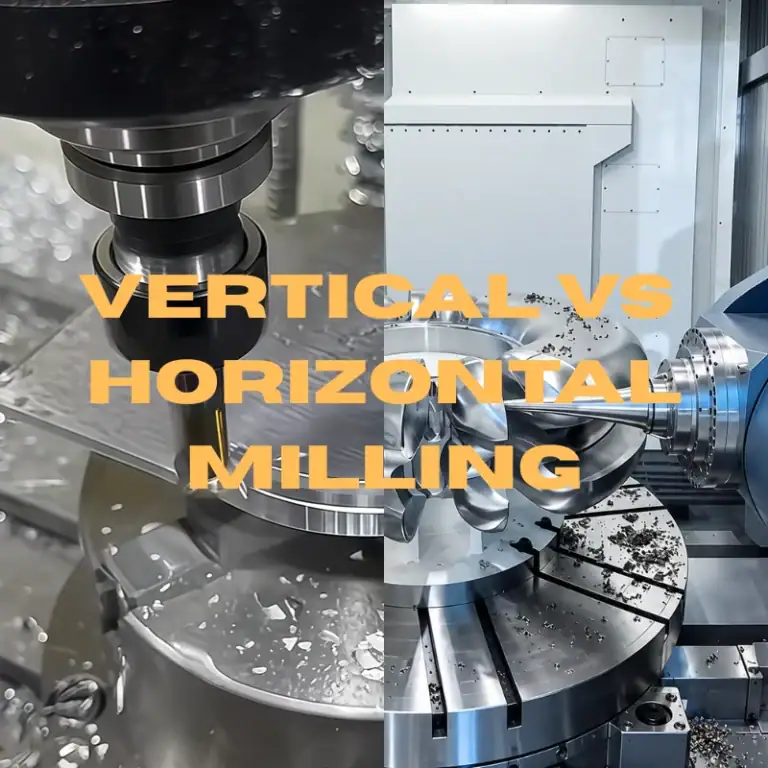
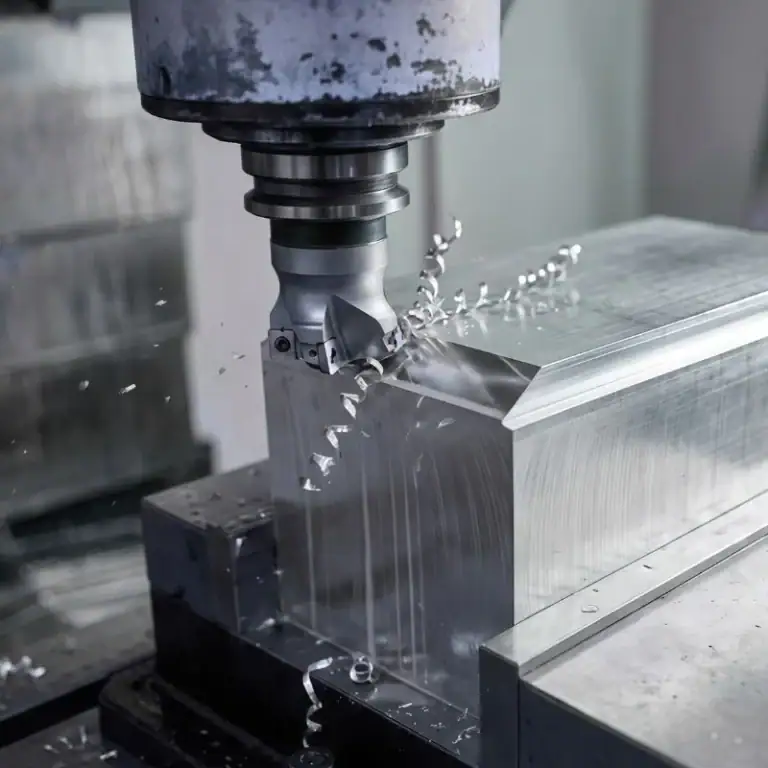
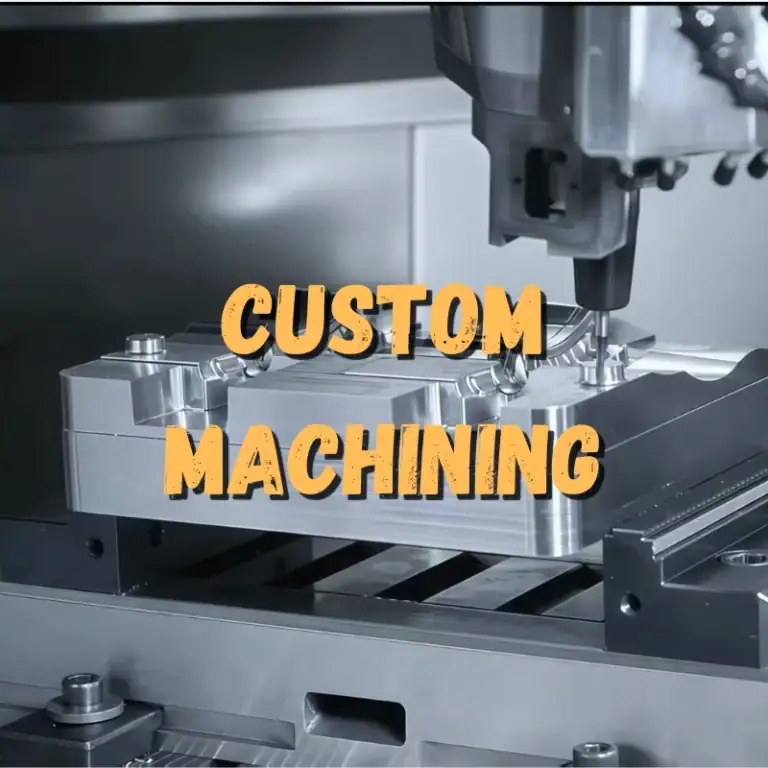
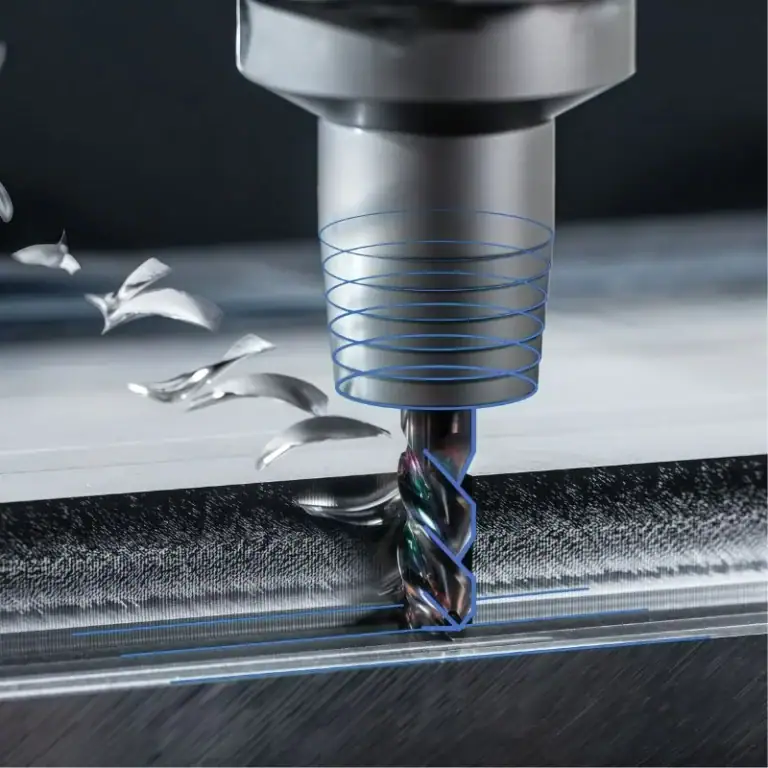
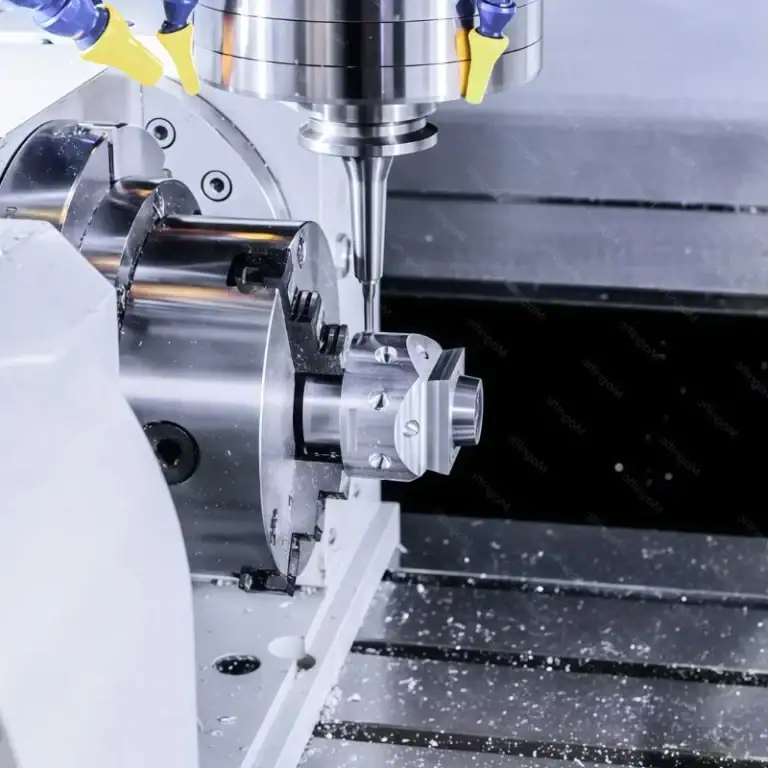
Comprehensive manufacturing capability is not a long list of material names. It is the ability to match each material and geometry with an appropriate process. Parts with relatively simple geometry and numerous planar features can be produced by 3-axis CNC milling. Components with holes on multiple faces, angled surfaces, or compound geometry may be better suited to 4-axis or 5-axis machining, which reduces repeated setups. TiRapid has completed more than 30,000 five-axis projects and machines impellers, complex housings, irregular brackets, and multi-sided precision parts, with five-axis capacity for parts up to 600 mm.
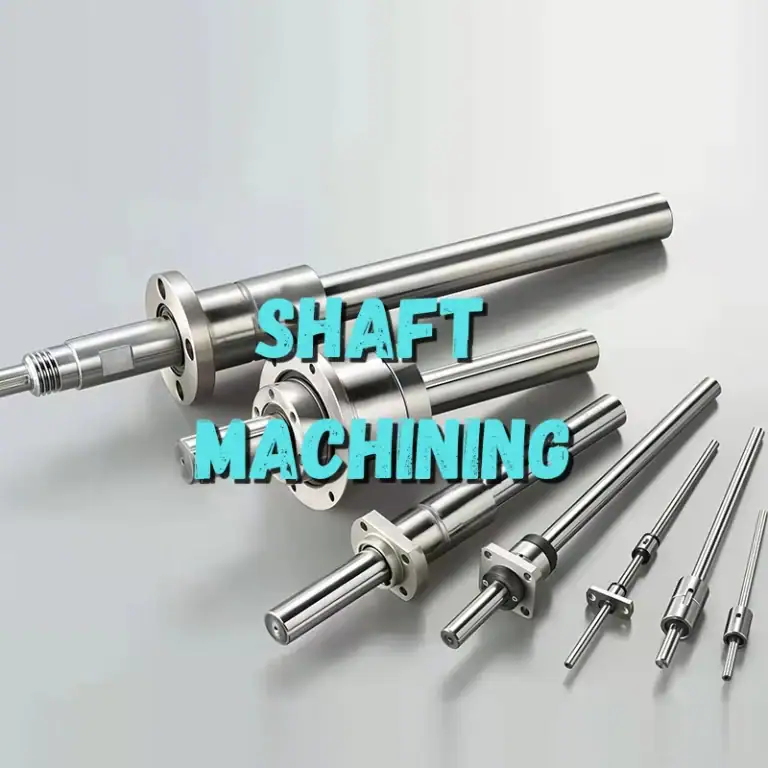
Shafts, sleeves, flanges, fittings, and other rotational parts are natural candidates for CNC turning. TiRapid’s turning capability covers parts as small as 2 mm and can incorporate milled features for combined turned and milled geometries. For large frames, long guide rails, machine bases, and oversized plates, CNC milling capacity extends to 3,000 mm in length. The ability to coordinate micro parts, large parts, and complex five-axis components within the same supply system is particularly useful for assemblies containing a wide range of sizes and materials.
TiRapid’s typical CNC machining tolerances can reach ±0.01 mm, with surface roughness down to Ra 0.6 μm. Before machining begins, the engineering team reviews datum selection, thin-wall areas, deep cavities, tool access, and critical mating dimensions so that drawing requirements can be translated into a clear machining and inspection plan.
Manufacturing Information Remains Consistent from Prototype Material to Low-Volume Production
Prototype development often involves comparing several approaches. A part may begin in ABS for form evaluation, move to aluminum for assembly and stiffness testing, and then use stainless steel or PEEK to validate real operating conditions. TiRapid offers CNC machining with no minimum order quantity and lead times starting from three working days, allowing development teams to produce one-off prototypes or a small number of functional parts in step with design iterations.
When a design moves into low-volume production, the confirmed material grade, stock form, machining datums, toolpaths, critical dimensions, surface finish, and inspection requirements can continue from the approved prototype plan. This continuity reduces information loss during the transition from sample to production and makes revision tracking more manageable. For assemblies that combine aluminum structures, stainless steel shafts, and engineering-plastic insulators, one team can coordinate multiple components and reduce the communication burden of sourcing each material from a separate supplier.
Surface Finishing Extends Material Performance into the Final Application
Machining is only one stage of part manufacturing. Depending on the material and operating environment, TiRapid can provide anodizing, hardcoat anodizing, bead blasting, polishing, passivation, plating, powder coating, and other finishing options. Anodizing can give aluminum parts a protective layer and color identification. Passivation and polishing can improve the surface condition of stainless steel. Black oxide, nickel plating, or powder coating can enhance the corrosion resistance and appearance of steel components. Copper and brass parts can also receive finishes selected for electrical, soldering, or decorative requirements.
Finishing needs to be included in the dimensional strategy from the start. Mating surfaces, threads, sealing grooves, and grounding points may need masking. Coating thickness can affect assembly, and cosmetic surfaces may require a consistent texture or grain direction. TiRapid coordinates material, machining, and finishing within the same project workflow so that the technical requirements remain consistent from raw stock to final appearance.
Multi-Material Manufacturing Supports Complete Products, Not Just Individual Parts
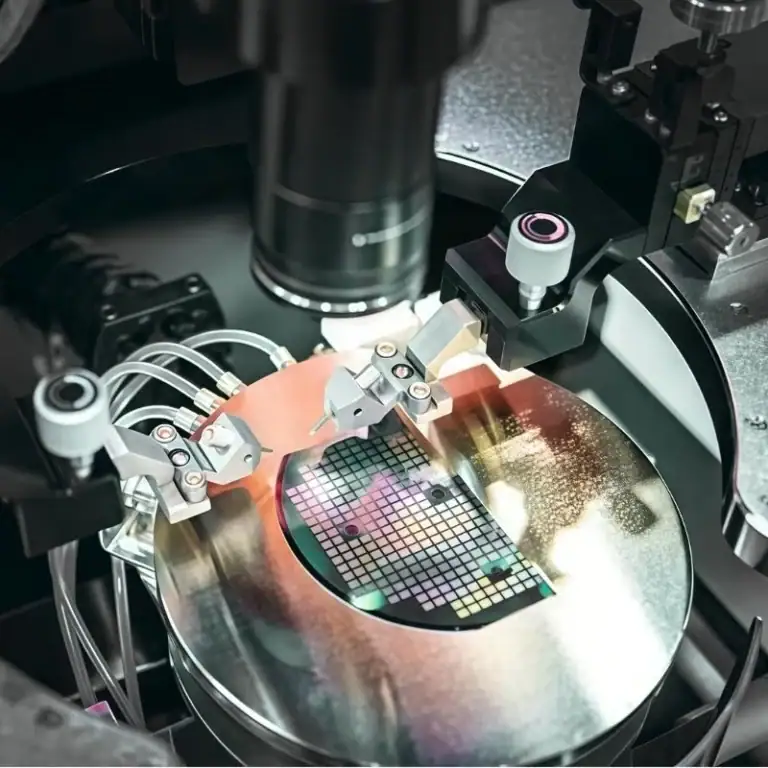
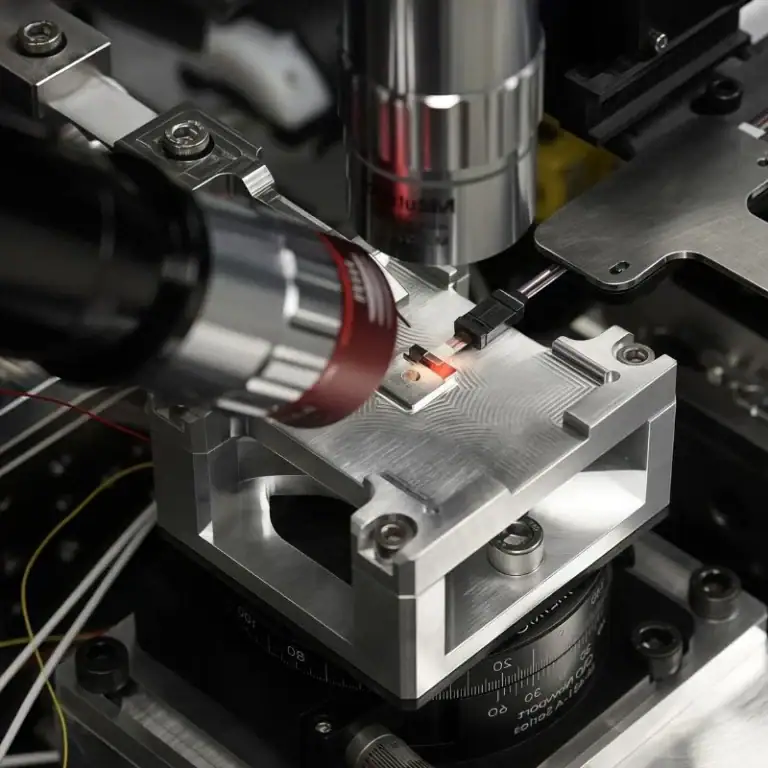
A robotics or automation system may contain aluminum arm components, stainless steel shafts, POM guides, nylon rollers, and transparent PC guards. Medical equipment may combine stainless steel structures, engineering-plastic insulators, and housings with defined surface requirements. Electronics and semiconductor equipment often uses aluminum chambers, copper thermal or conductive parts, PEEK insulators, and high-precision locating components. Multi-material capability allows TiRapid to understand each component in relation to the complete assembly instead of treating every machining order as an isolated part.
Beyond CNC machining, TiRapid’s manufacturing supply chain includes injection molding, sheet metal fabrication, stamping tooling, and aluminum extrusion. When a product combines machined components, sheet metal enclosures, molded parts, or extruded profiles, the work can be coordinated around the same drawing revisions, assembly datums, and delivery plan. This combination is useful for prototype equipment, special-purpose machinery, robotic systems, medical devices, electronics, and aerospace projects involving multiple part categories.
ISO 9001 Quality Control Keeps Material and Dimensional Records Connected
Different materials call for different inspection priorities. In addition to dimensions and geometric tolerances, a project may require confirmation of material grade, appearance, finish, threads, hardness, or assembly relationships. TiRapid organizes manufacturing and inspection under an ISO 9001 quality management system, with incoming inspection, in-process checks, and final inspection forming a continuous quality-control process.
Coordinate measuring machines, optical projectors, and conventional gauges can be used to verify critical dimensions, with inspection reports provided according to project requirements. Material information, drawing revisions, key dimensions, and finishing requirements remain connected throughout the project, helping purchasing teams manage suppliers, verify incoming parts, and maintain traceability.
Why TiRapid Is a Comprehensive CNC Parts Manufacturing Partner
Supporting more than 80 metal and plastic materials gives TiRapid the ability to build a manufacturing route around the intended use of each part. Its range extends from 2 mm turned components to 3,000 mm milled parts, from standard aluminum prototypes to components made from titanium, PEEK, and other performance materials, and from one-off validation parts to low-volume production. Material capability, machining equipment, engineering review, finishing, and quality inspection work as connected parts of the same manufacturing system.
For engineers and purchasing teams seeking a comprehensive CNC parts manufacturer in China, TiRapid can support custom projects involving multiple materials, sizes, and processes. Sixteen years of CNC machining experience, more than 30,000 completed five-axis projects, an ISO 9001 quality system, and manufacturing services spanning prototyping and production provide a clear engineering path from design data to inspectable, assembly-ready, and repeatable parts.