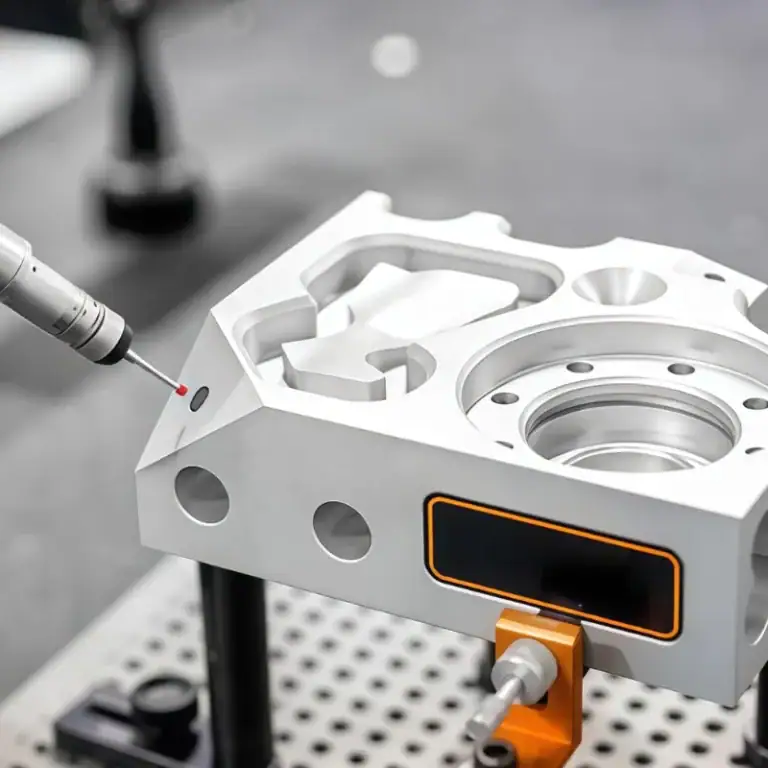
Automated sorting equipment is widely used in logistics warehousing, express delivery, and intelligent manufacturing. These systems continuously transport, position, identify, and sort items, making component dimensional accuracy, structural strength, and motion stability important to overall operating efficiency. Components such as conveyor rollers, guide brackets, drive shafts, mounting plates, and sensor holders often require customization based on equipment design. Proper planning of materials, machining processes, and post-processing helps reduce moving loads, minimize assembly deviations, and meet the demands of long-term equipment operation.
Main Manufacturing Requirements for Automated Sorting Equipment Parts
Automated sorting equipment consists of conveying, transmission, guiding, detection, and support modules. The structural characteristics of each component determine its specific manufacturing requirements.
Common Types of Custom Parts
Depending on equipment layout and sorting methods, customized components generally include the following types.
- Conveying and guiding components: These include rollers, guide plates, and linear guides. Key considerations include contact dimensions, surface quality, and mounting positions.
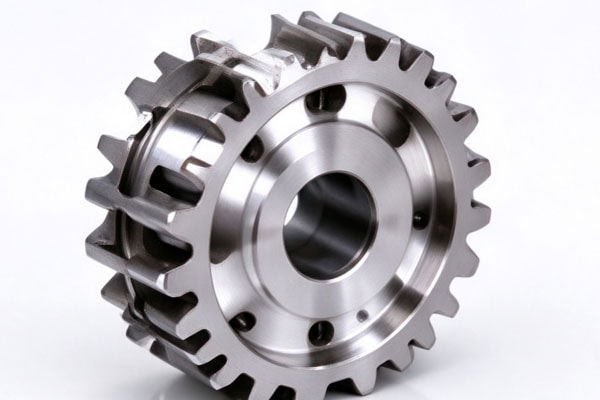
- Transmission components: These include drive shafts, couplings, and connecting blocks. Bore dimensions, concentricity, and fit accuracy must be controlled.
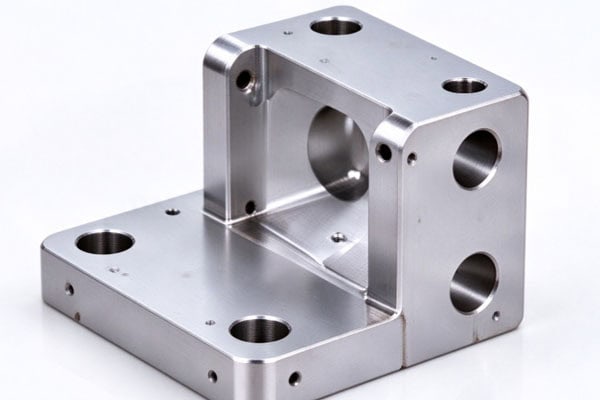
- Equipment mounting components: These include baseplates, brackets, and mounting blocks. They must meet mounting hole position and load-bearing requirements.
- Detection support components: These include sensor brackets, camera mounts, and protective enclosures. They need to provide accurate positioning and sufficient installation space.
Defining machining priorities according to each component’s function helps improve compatibility with the equipment modules.
Performance Requirements for Equipment Operation
High-speed sorting equipment frequently accelerates, decelerates, and changes direction. Component design must account for dynamic loads and actual operating conditions.
- Lightweight design: Moving components such as sorting carriers, wheel diverters, and guide arms should have controlled mass to reduce inertia and drive loads.
- Structural rigidity: Fixed bases and load-bearing frames must meet equipment load and support-span requirements to prevent excessive deformation during operation.
- Low friction and wear resistance: Guide surfaces and sliding contact areas should minimize friction, noise, and the risk of damaging item surfaces.
- Positioning stability: Sensors and vision inspection components must be securely mounted to prevent vibration from shifting their detection positions.
These performance requirements should be evaluated according to equipment speed, load, and operating frequency.
CNC Manufacturing Solutions for Automated Sorting Equipment Parts
Machining plans need to be adjusted according to component geometry, material, and precision requirements. Surface treatment and subsequent assembly should also be considered in advance.
CNC Machining Process Selection
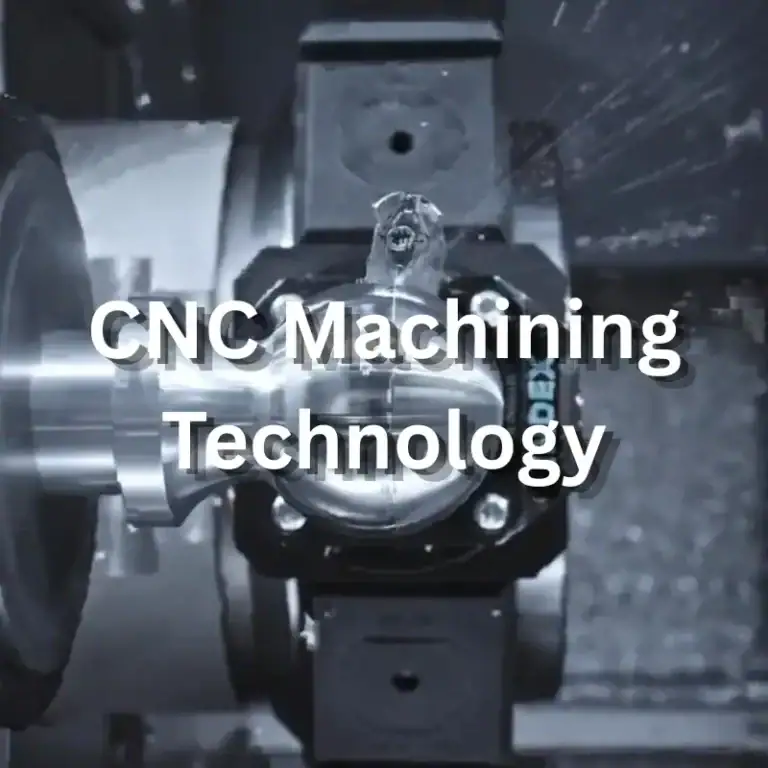
CNC milling, turning, drilling, and precision finishing are suitable for different types of customized components.
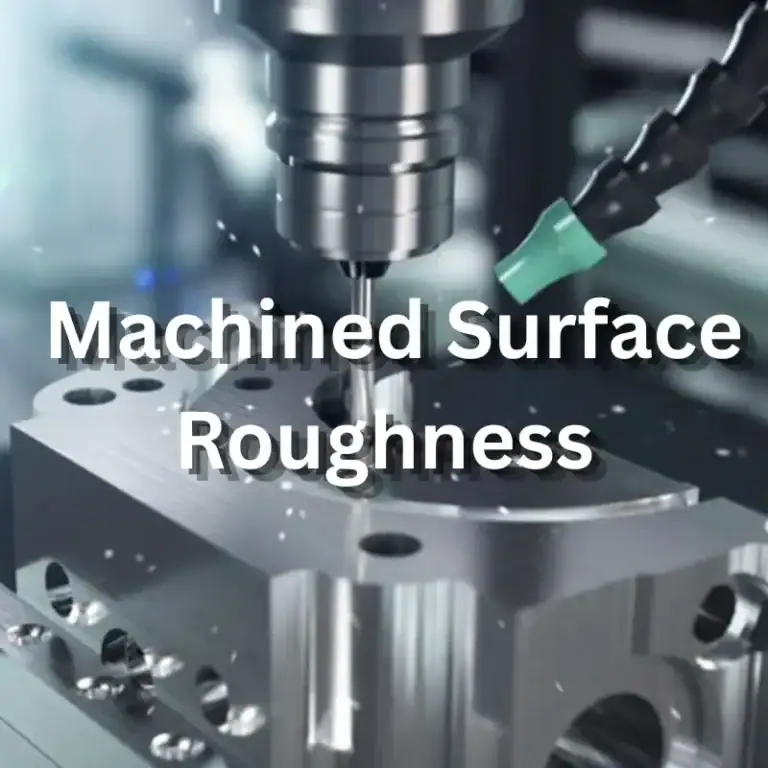
- CNC milling: Used for mounting plates, brackets, guide blocks, and sensor holders. It can produce flat surfaces, slots, holes, and complex contours.
- CNC turning: Suitable for drive shafts, roller bushings, and cylindrical connectors. Key dimensions include outer diameters, inner bores, and concentricity.
- Drilling and tapping: Used for mounting holes and threaded connections. Accurate hole positioning and thread fit are essential.
- Roughing and finishing: For deep-cavity, thin-wall, or high-precision components, material can be removed in stages. Stress control and secondary finishing may be arranged when necessary to reduce deformation risks.
A machining sequence tailored to component geometry helps balance dimensional accuracy and production efficiency.
Material Selection and Surface Treatment
Materials should be selected according to component motion, load-bearing capacity, friction conditions, and operating environment. Lightweight design is particularly important for high-speed moving components, while fixed structures must provide sufficient rigidity.
| Component Type | Common Material Options | Key Considerations |
| High-speed moving brackets and movable baseplates | Aluminum alloys, suitable engineering plastics | Weight, rigidity, and motion inertia |
| Fixed mounting brackets and load-bearing baseplates | Aluminum alloys, carbon steel | Load capacity and structural rigidity |
| Drive shafts and connectors | Alloy steel, stainless steel | Strength, wear resistance, and fit accuracy |
| Guide plates and sliding components | UHMW-PE, POM, PA | Low friction, wear resistance, and dimensional stability |
| Sensor holders | Aluminum alloys, engineering plastics | Weight, positioning accuracy, and mounting stability |
| Protective enclosures | Aluminum alloys, stainless steel, engineering plastics | Protection requirements and operating environment |
Materials and post-processing methods must be compatible to prevent unsuitable treatments from affecting assembly and operation.
- Aluminum components: Standard anodizing or hard anodizing can be selected according to corrosion and wear resistance requirements. For precision mating surfaces, the effect of coating thickness on dimensions must be considered in advance.
- Steel components: Black oxide, zinc plating, nickel plating, chrome plating, or powder coating can be selected according to corrosion protection requirements.
- Transmission components: For parts exposed to heavy loads or continuous friction, tempering, surface hardening, or suitable wear-resistant treatments can be evaluated.
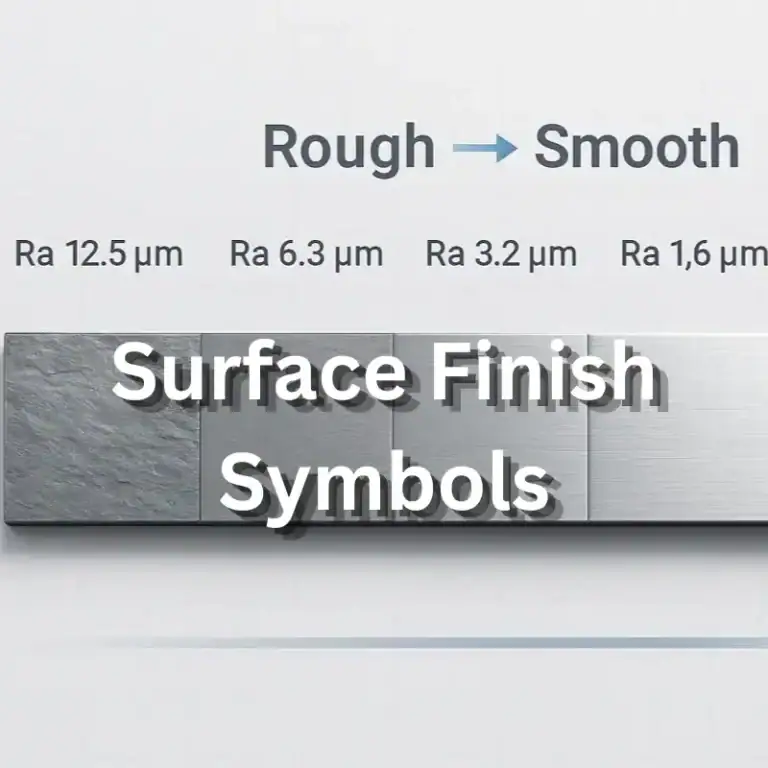
- Engineering plastic components: Key considerations include machining burrs, surface roughness, and dimensional changes to maintain the performance of contact areas.
Matching materials with appropriate post-processing methods helps meet operating requirements without compromising assembly accuracy.
Quality Control and Delivery of Automated Sorting Equipment Parts
Component acceptance should be based on drawing tolerances, assembly relationships, and functional requirements, with particular attention to features that affect equipment operation.
Critical Machining Quality Inspection
Inspection priorities vary by component type and generally include the following items.
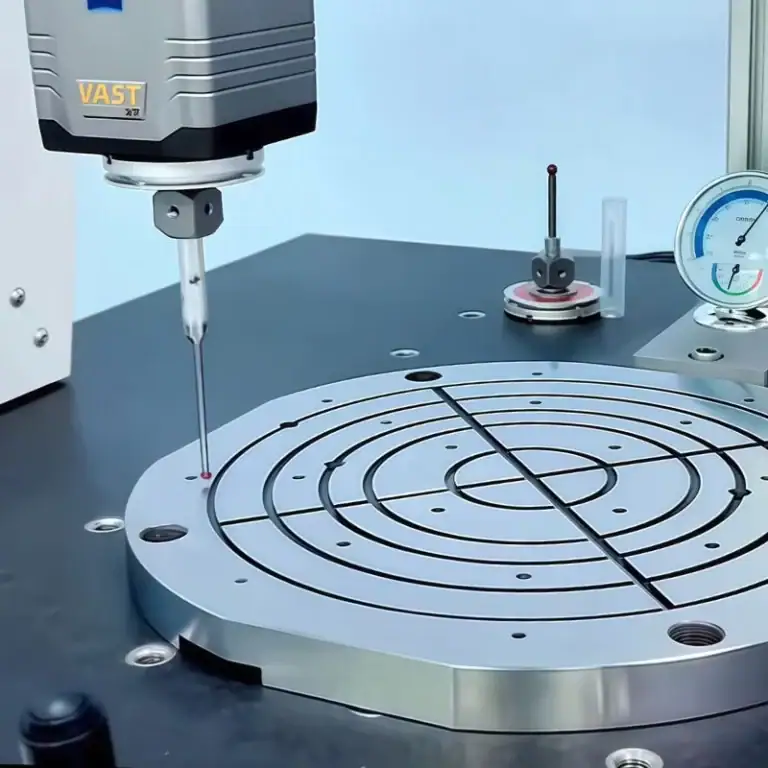
- Dimensional inspection: Check overall dimensions, bore diameters, hole spacing, slots, and critical mating features.
- Geometric accuracy inspection: Check concentricity, flatness, and perpendicularity on drive shafts, rollers, and mounting reference surfaces.
- Surface quality inspection: Check for burrs, scratches, machining marks, and the integrity of surface treatment layers.
- Functional inspection: Conduct trial assembly of critical connections to confirm that locating holes, threads, and assembly interfaces meet requirements.
Inspection results should correspond to component drawings and technical specifications to ensure that delivered parts meet their intended requirements.
Prototype Validation and Batch Production
Prototype manufacturing allows potential structural and assembly issues to be identified before new sorting equipment enters production. Prototype parts should be tested for compatibility with conveying mechanisms, transmission assemblies, and detection modules. Vibration and connection reliability should also be evaluated for high-speed moving components. During batch production, material specifications, machining references, and post-processing methods should remain consistent. For wear-prone components that require periodic replacement, spare parts can be scheduled according to the equipment maintenance plan to reduce downtime.
How to Choose a Manufacturing Service Provider for Automated Sorting Equipment Parts
When purchasing customized components, businesses should evaluate a supplier’s technical analysis, manufacturing capabilities, and order management to ensure that the parts meet actual equipment requirements.
Evaluate Machining and Customization Capabilities
Automated sorting equipment parts may involve irregular geometries, precision holes, and different materials. Suppliers should have the relevant manufacturing experience.
- Drawing analysis: The supplier should be able to identify critical dimensions, tolerances, material specifications, and assembly relationships, while clarifying any unclear design requirements.
- Process planning: Machining setups, operation sequences, and post-processing procedures should be arranged according to component geometry.
- Material machining: The supplier should be capable of machining aluminum alloys, steel, and engineering plastics according to project requirements.
- Order support: Prototype production, design adjustments, and orders of different quantities should be supported to accommodate equipment development and subsequent procurement.
A supplier’s technical coordination capabilities can influence component development efficiency and production continuity.
Confirm Quotation and Delivery Details
When requesting a quotation, provide complete drawings, material specifications, order quantities, critical tolerances, and surface treatment requirements. Confirm which machining operations are included in the quotation. For orders involving multiple components, also clarify production schedules, inspection requirements, and coordinated delivery arrangements. Confirming these details in advance helps reduce procurement communication costs and delivery delays.
Manufacturing parts for automated sorting equipment requires material and process selection based on component motion and assembly requirements. Lightweight design helps control motion inertia, low-friction materials are suitable for guiding contact areas, and metal components need appropriate post-processing according to their operating environments. TiRapid provides customized CNC machining services based on customer drawings, material specifications, and order requirements, supporting prototype development and batch production of automated sorting equipment parts.