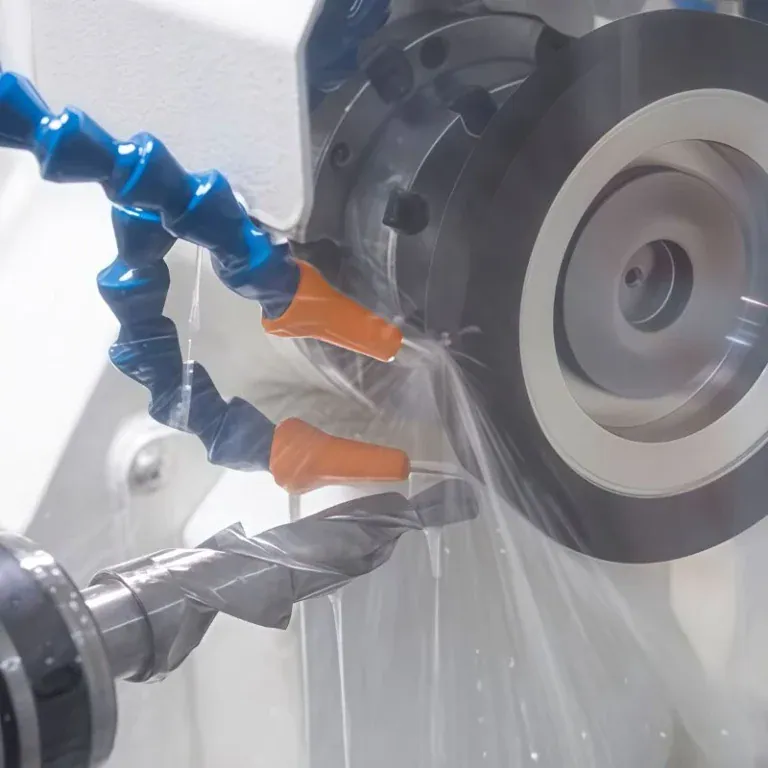
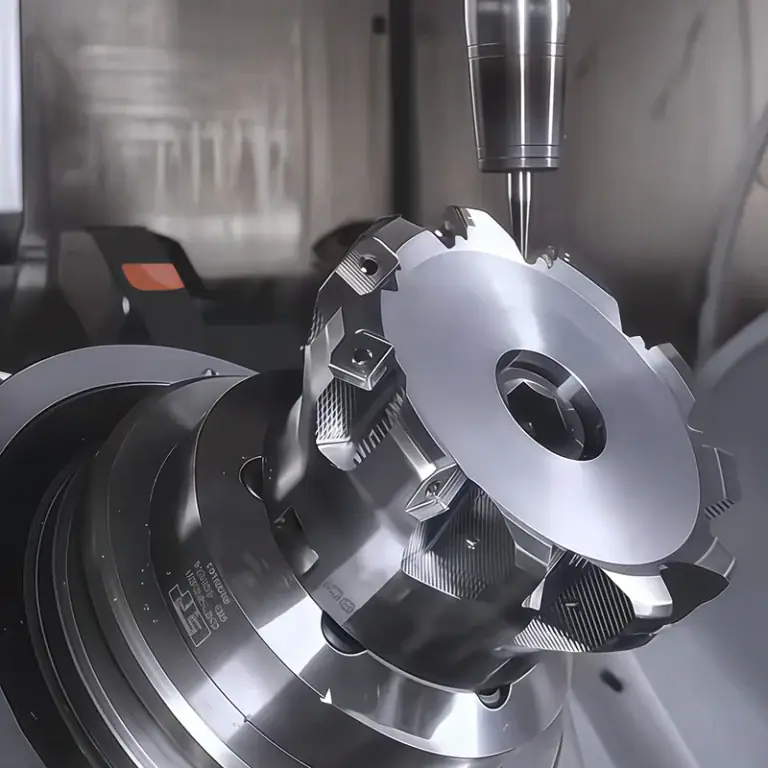
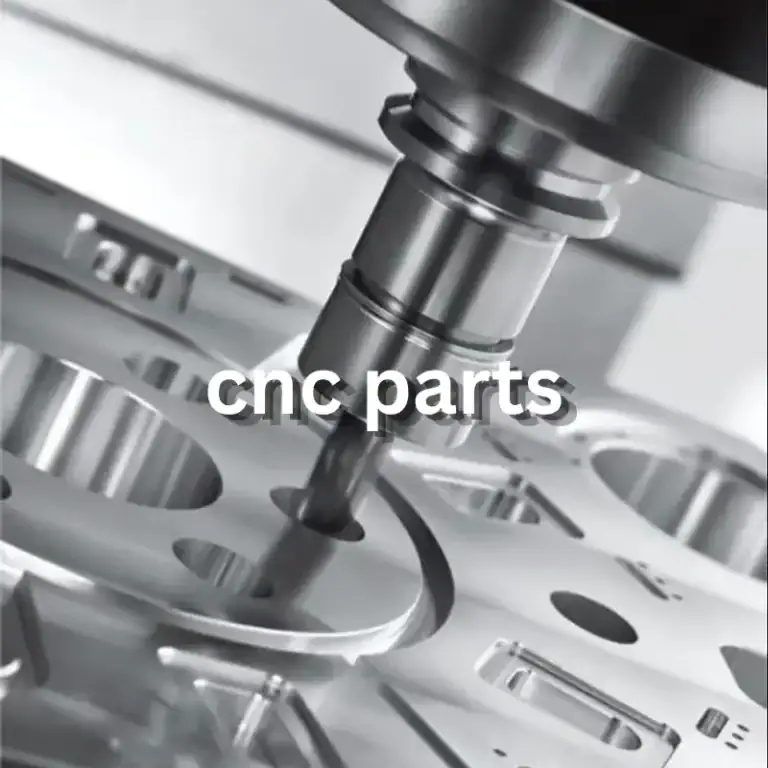
Offshore oil and gas equipment operates under complex conditions involving seawater, salt spray, high humidity, mechanical loads, and pressure fluctuations. Some oil and gas production equipment may also be exposed to H₂S-containing sour environments. Components require high levels of corrosion resistance, dimensional accuracy, sealing performance, and manufacturing control. For equipment manufacturers and procurement teams, CNC machining solutions need to integrate material selection, component structure, machining datums, heat treatment, and final inspection to ensure precision components meet the actual service requirements of offshore equipment.
Which Offshore Oil and Gas Equipment Components Are Suitable for CNC Machining?
Offshore oil and gas equipment contains many customized metal components with complex structures and typically small or medium-sized production volumes. CNC milling, turning, and multi-axis machining can cover the precision manufacturing requirements of different components.
Valve Bodies and Fluid Control Components
Valve bodies commonly contain flow passages, mounting holes, threads, sealing grooves, and other machining features. Maintaining the positional relationship between these structures within a limited space is an important machining requirement.
- Valve Bodies and Bonnet Covers: Focus on the dimensional and positional accuracy of flow passages, mounting holes, and sealing surfaces.
- Valve Seats and Stem Mating Components: Pay close attention to bore diameter, roundness, concentricity, and the machining quality of mating surfaces.
- Flanges and Connection Components: Focus on hole patterns, end faces, threads, and sealing areas.
These components require properly established machining datums to reduce positional errors caused by repeated setups.
Subsea Connection Components and Pressure Structural Parts
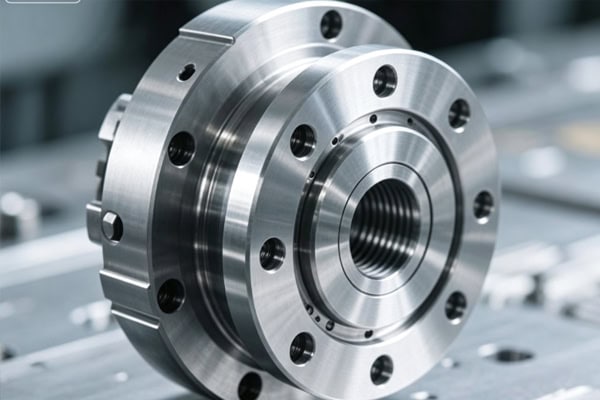
Subsea connectors, pressure chambers, and mounting bases often involve internal bores, threads, sealing structures, and multi-face machining. They place higher demands on machine rigidity and process stability.
- Connector Housings: The internal bore, threads, and sealing surfaces need to be machined in a coordinated manner.
- Pressure Structural Components: Wall thickness, hole locations, and critical mating areas need to be controlled together.
- Mounting Bases: Focus on mounting surface flatness, hole position accuracy, and positional relationships between multiple faces.
For pressure-bearing or sealing-related components, machining priorities should be based on final functional dimensions rather than individual dimensions alone.
Shafts, Pump Bodies, and Instrument Interfaces
In addition to valves and connection components, pump bodies, shafts, sensor housings, instrument interfaces, and equipment brackets are also commonly manufactured by CNC machining. Turning, milling, or multi-axis machining can be selected according to the component structure, reducing the need for dedicated tooling and making it easier to maintain process continuity from prototype development to batch production.
How Can CNC Machining Accuracy Be Controlled for Offshore Oil and Gas Equipment?
Accuracy control for offshore components should extend beyond the machine tool process and also consider datum transitions, sealing fits, material conditions, and actual operating environments.
Conduct Drawing and Service Condition Reviews Before Machining
Before programming, the component drawing should be evaluated together with the actual service conditions to identify dimensions that directly affect assembly and sealing.
- Confirm Critical Tolerances: Identify key requirements such as bore diameter, hole spacing, concentricity, flatness, and position tolerance.
- Analyze Sealing Areas: Check O-ring grooves, sealing end faces, threads, and mating bores.
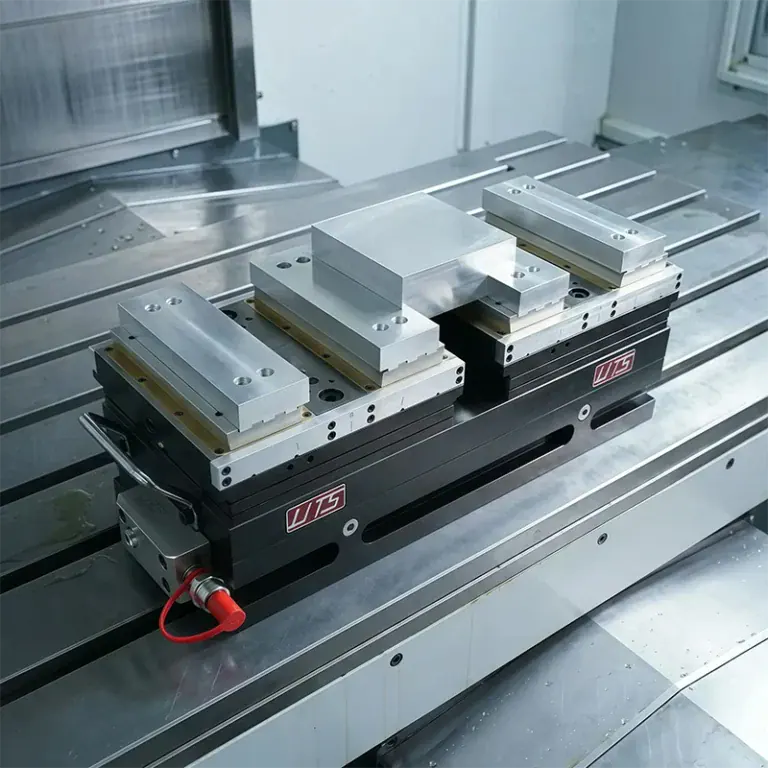
- Define Machining Datums: Plan workholding methods and machining sequences according to the final assembly datums.
Early process review helps reduce subsequent setup adjustments and dimensional deviations.
Select CNC Machining Methods According to Component Structure
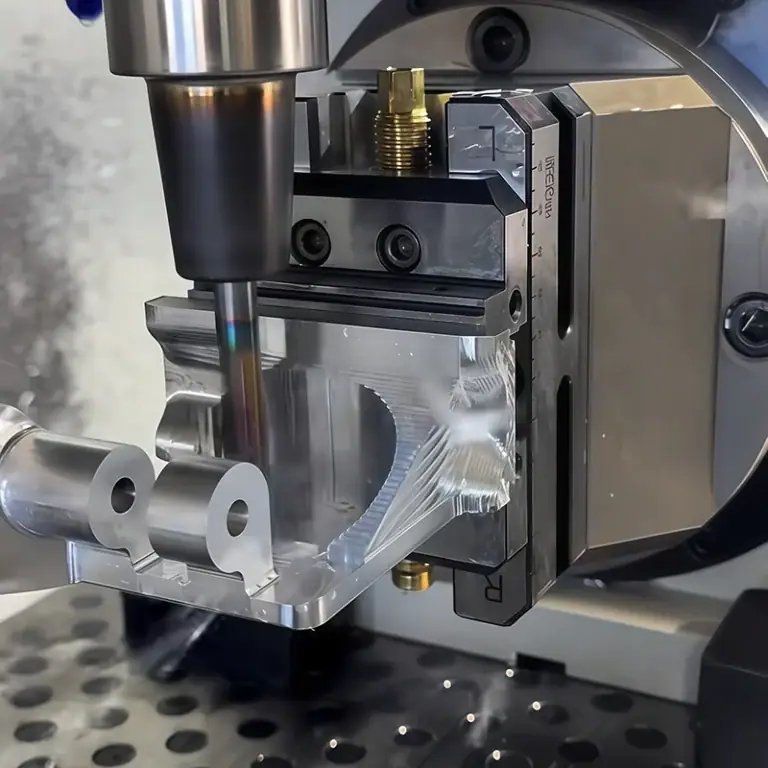
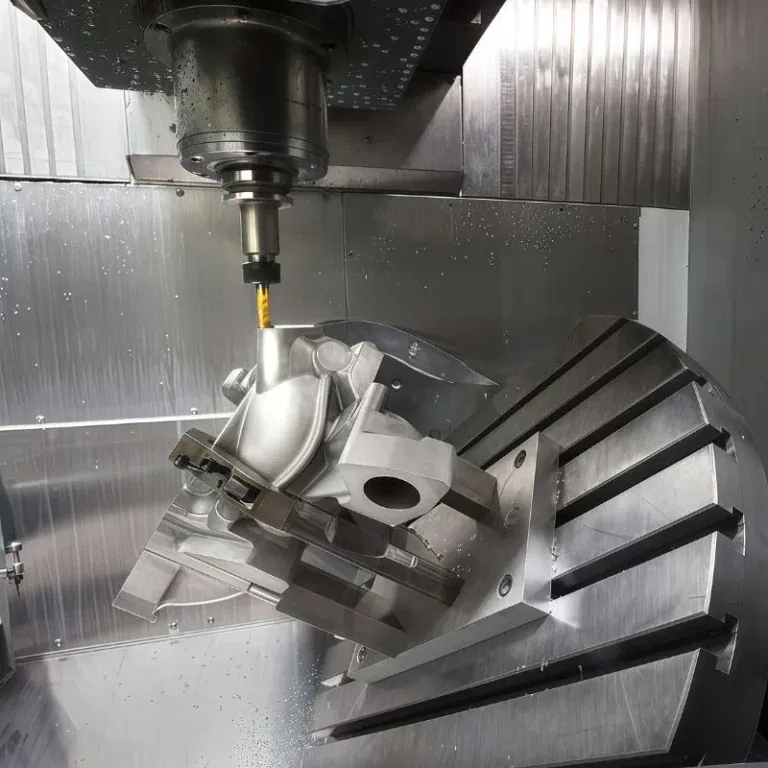
Flat plates, flanges, and brackets can be machined using 3-axis equipment according to their geometry. Multi-face complex components can use 4-axis or 5-axis machining, while shafts and sleeves are suitable for CNC turning. For connectors and complex valve bodies requiring multi-face machining, reducing the number of setups helps maintain the positional relationship between hole patterns, end faces, and sealing structures.
Focus on Sealing and Mating Areas
Sealing surfaces and precision mating areas directly affect equipment operation and require dedicated dimensional and geometric tolerance inspection plans. After machining, key features can be verified according to drawing requirements through coordinate measurement, dimensional inspection, thread inspection, and surface quality inspection, with inspection records retained.
| Offshore Oil and Gas Component | Common Materials | Main Machining Focus | Key Inspection Items |
| Valve Body and Bonnet | 316L, Duplex Stainless Steel, Nickel-Based Alloys | Flow passages, sealing surfaces, mounting holes | Dimensions, position tolerance, sealing surfaces |
| Valve Seat and Stem | Stainless Steel, Nickel-Based Alloys | Mating surfaces, bore diameter, journals | Roundness, concentricity, surface quality |
| Subsea Connector | Titanium Alloy, Super Duplex Stainless Steel | Internal bores, threads, sealing structures | Bore diameter, threads, positional accuracy |
| Flange and Mounting Base | Stainless Steel, Alloy Steel | Hole patterns, end faces, mounting surfaces | Flatness, hole spacing, position tolerance |
| Sensor Housing | 316L, Titanium Alloy | Internal cavities, interfaces, sealing grooves | Dimensions, threads, sealing groove accuracy |
| Shaft Components | Stainless Steel, Nickel-Based Alloys | Outer diameters, shoulders, mating surfaces | Diameter, roundness, concentricity |
Materials, machining methods, and inspection items should be matched according to component functions so that inspection results directly support actual assembly requirements.
How Should Materials and Material Conditions Be Selected for Offshore Oil and Gas CNC Machining?
Seawater environments mainly involve chloride-related corrosion, while H₂S-containing oil and gas production environments also require consideration of sulfide stress cracking, hydrogen-induced cracking, and other material risks. Material selection should not be based on corrosion resistance alone, but should also consider the service medium, temperature, pressure, stress conditions, and project standards.
Stainless Steel, Duplex Stainless Steel, and Super Duplex Stainless Steel
Different steel grades vary in strength, chloride corrosion resistance, and machinability. The actual grade should be determined according to the equipment location and service conditions.
- 316L Stainless Steel: Can be used for certain offshore equipment housings, mounting components, and fluid-handling parts.
- 2205 Duplex Stainless Steel: Combines strength and corrosion resistance and can be used for certain offshore structures and fluid equipment.
- 2507 Super Duplex Stainless Steel: Suitable for environments with higher requirements for strength and corrosion resistance.
Duplex stainless steel machining also requires attention to material condition and thermal effects during machining to prevent improper process control from affecting component performance.
Titanium Alloys and Nickel-Based Alloys
For critical components exposed to highly corrosive, high-strength, or special seawater environments, titanium alloys or nickel-based alloys can be selected according to project requirements.
- Titanium Alloys: Offer good seawater corrosion resistance and can be used for certain connectors and specialized structural components.
- Nickel-Based Alloys: Alloys such as Inconel 625 and 718 can be used for components requiring high strength and corrosion resistance.
These materials are more difficult to machine and require cutting tools, cutting parameters, cooling methods, and workholding strategies to be adjusted according to their characteristics.
Control Heat Treatment Conditions and Material Traceability
For special alloys such as 2507 super duplex stainless steel and Inconel 718, the supply condition and solution or aging treatment can directly affect machinability and final mechanical properties. Before machining, the material grade, heat or batch information, material certificates, and heat treatment condition should be verified. For components requiring heat treatment, the dimensional allowance between heat treatment and final machining should also be planned to prevent dimensional changes after heat treatment from affecting final accuracy.

What Capabilities Should an Offshore Oil and Gas CNC Supplier Have?
Offshore oil and gas projects typically have high requirements for material certificates, machining records, inspection reports, and batch traceability. Supplier capability should not be judged simply by whether a supplier can perform the machining.
Special Material Machining and Condition Management Capabilities
The supplier should be capable of machining 316L, duplex stainless steel, super duplex stainless steel, titanium alloys, and nickel-based alloys according to component requirements, while also identifying material supply conditions, heat treatment conditions, and corresponding machining requirements.
Ability to Meet Applicable Requirements
For components used in H₂S-containing sour oil and gas environments, material selection and manufacturing processes must follow the applicable project requirements.
- Do Not Judge by Material Grade Alone: Compliance should not be determined simply by using grades such as 316L, 2507, or nickel-based alloys.
- Follow Project Requirements: Material selection and manufacturing processes should comply with applicable standards and project specifications.
- Ensure Traceability: Material certificates, manufacturing conditions, and relevant inspection records should remain traceable.
- Define the Applicable Standard Scope: Material selection, machining, and quality control requirements should be determined according to the actual service conditions.
For components used in H₂S-containing sour oil and gas environments, applicable requirements should be determined based on actual service conditions, while maintaining complete and traceable material and manufacturing records.
Precision Inspection and Quality Traceability Capabilities
For valve bodies, connectors, sealing seats, and pressure-related components, a complete inspection plan and record system should be established according to drawing requirements.
- Define Inspection Items: Establish inspection items for dimensions, geometric tolerances, surface quality, and other requirements based on the drawings.
- Focus on Complex Components: CMM can be used to inspect critical features of complex components.
- Retain Complete Records: Material, machining, heat treatment, and inspection records should be retained.
A complete inspection system helps procurement teams verify critical dimensions and facilitates subsequent quality tracking.
Support from Prototype Development to Batch Production
Offshore oil and gas equipment components are often customized and produced in small batches, creating higher requirements for process consistency and traceability.
- Maintain Process Consistency: The supplier should maintain consistent processes between prototype and batch production.
- Track Material Batches: Material batch information should be continuously recorded and tracked.
- Track Machining Parameters: Key machining parameters should be retained to keep the production process under control.
- Track Quality Records: Complete quality records should be maintained for subsequent verification.
For customized, small-batch components, stable process management and complete records can help procurement teams reduce quality fluctuations during batch production.
CNC machining for offshore oil and gas equipment requires coordinated control of material selection, heat treatment conditions, machining datums, sealing fits, and quality traceability. For components used in H₂S-containing environments, applicable material requirements should also be determined according to the specific service conditions. TiRapid provides CNC milling, turning, and 3-axis to 5-axis precision machining based on customer drawings, supporting offshore oil and gas equipment components from prototype development through batch production.