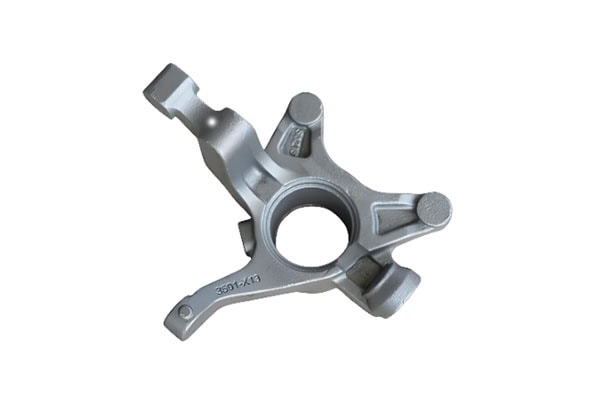
UTVs (Utility Task Vehicles) are commonly used on muddy trails, gravel roads, mountainous terrain, and other off-road environments. Their steering system components must provide precise fitment while withstanding vibration, impact, and dynamic loads caused by demanding driving conditions. Components such as steering knuckles, tie rods, steering shafts, rack housings, and mounting brackets require reliable dimensional accuracy and structural strength to ensure stable steering performance.For UTV applications, CNC precision machining can be tailored to different steering components based on 3D models and engineering drawings. By selecting suitable machining processes for complex structures, critical hole locations, mating dimensions, and surface requirements, manufacturers can obtain customized components for UTV steering systems.
Get 20% offf
Your First Order
Need custom metal and plastic parts?
Key Machining Requirements for UTV Steering System Parts
Stable Precision for Complex Structures
UTV steering components often include multiple connection and positioning features, such as bearing bores, mounting holes, and connecting bosses on steering knuckles, as well as threads and ball-joint connection areas on tie rods. These features must maintain accurate dimensional relationships with the wheel hub, suspension, and vehicle frame.
Some steering components feature curved surfaces, angled holes, deep bores, and multi-directional mounting holes. Simple machining processes may not be sufficient to maintain the positional relationship between these features. CNC milling, CNC turning, or 5-axis CNC machining can therefore be selected according to the component design.
Balancing Strength and Weight Reduction
UTVs are exposed to continuous vibration and impact during off-road operation. Steering components therefore need sufficient mechanical strength while maintaining reasonable weight.
Aluminum alloys can be used for certain steering brackets and housings to reduce weight, while alloy steel or other engineering materials may be selected for shafts, pins, and other components subject to higher loads.
CNC Machining Solution for UTV Steering Parts
CNC Milling for Steering Knuckles and Mounting Brackets
Steering knuckles generally contain multiple mounting holes, bearing bores, and complex external profiles. Critical features such as bore diameter, hole spacing, flatness, and positional accuracy need to be carefully controlled.
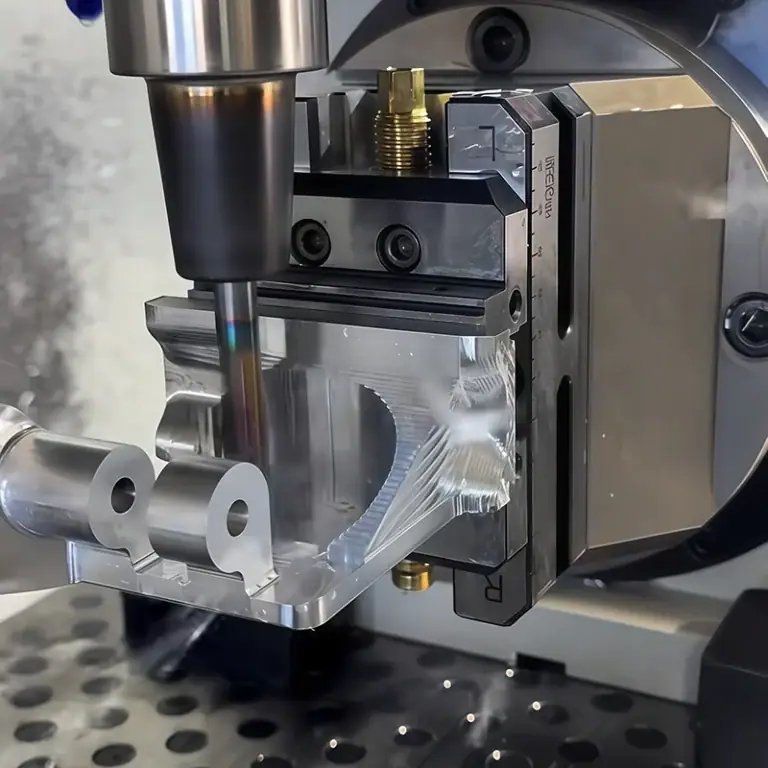
CNC milling can be used to machine mounting surfaces, holes, slots, and curved features according to CAD models. For components requiring machining from multiple directions, an optimized fixture design can reduce errors caused by repeated positioning.
CNC Turning for Steering Shafts and Connecting Components
Steering shafts, bushings, connecting pins, spacers, and similar components often have rotational geometries and are suitable for CNC turning.
During machining, key parameters such as outside diameter, inside diameter, concentricity, roundness, keyways, threads, and end-face dimensions can be controlled to ensure reliable assembly with bearings, bushings, and other steering components.
5-Axis CNC Machining for Complex Steering Components
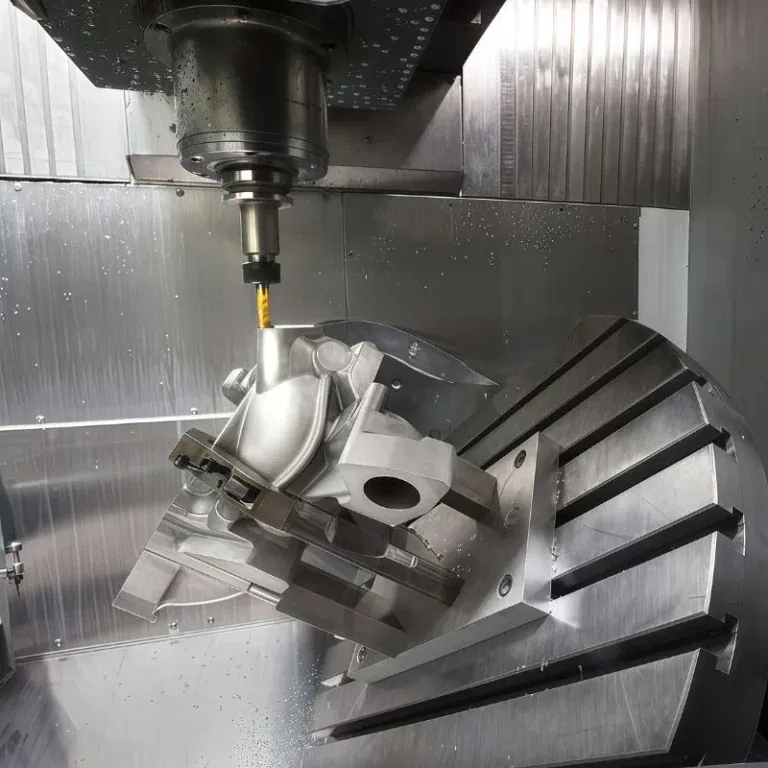
Some UTV steering components feature angled holes, complex curved surfaces, and multi-directional machining requirements. 5-axis CNC machining can reduce the number of setups and repositioning operations required during production.
For complex Powersports components, this can help improve positional accuracy while reducing production time and fixture-related errors.
Common UTV Steering System Parts and Machining Requirements
Before machining, the supplied 3D models and 2D engineering drawings should be reviewed carefully. Key factors include material, wall thickness, hole diameters, threads, chamfers, machining datums, and tool accessibility.
A DFM (Design for Manufacturing) review can identify potential machining challenges in advance and help optimize the manufacturing process before production begins.
Material Selection and CNC Machining
Materials should be selected according to the actual load requirements of each steering component. CNC milling, CNC turning, or 5-axis machining can then be selected according to the component’s geometry, material, tolerance requirements, and production volume.
For critical mating features, rough machining, semi-finishing, and finishing operations can be combined to achieve better dimensional stability and surface quality.
Surface Treatment and Quality Inspection
UTVs are frequently exposed to mud, dust, moisture, and other outdoor conditions. Surface treatment can therefore provide additional protection for certain steering components.
For example, aluminum components may receive anodizing or other suitable treatments, while steel components can be treated with appropriate corrosion-resistant finishes according to the application.
After machining, critical dimensions can be inspected, including bore diameter, hole spacing, outside diameter, concentricity, flatness, and positional accuracy. For complex or high-precision components, coordinate measuring machines (CMM) can also be used for dimensional verification.
TiRapid UTV Steering System Parts Machining Capabilities
UTV steering components are often highly customized. Different vehicle models, suspension configurations, and steering systems can require different dimensions, interfaces, and installation requirements. From prototype development to small-batch production, the machining supplier needs to be able to adjust manufacturing processes according to engineering drawings and production requirements.
TiRapid provides CNC Milling, CNC Turning, 5-Axis CNC Machining, and Precision Machining capabilities for customized components. The appropriate machining process can be selected based on component geometry, material, tolerance requirements, and production volume.
With optimized process planning, stable fixture positioning, and inspection of critical dimensions, components such as UTV steering knuckles, steering shafts, tie rods, rack housings, mounting brackets, and bushings can achieve consistent dimensional accuracy.
TiRapid provides customized CNC machining solutions for UTV steering system components and other Powersports parts, supporting manufacturers in developing reliable precision components for demanding off-road applications.
Author
Galen Director and Founder
Committed to ensuring we provide the best possible service in the manufacturing industry.
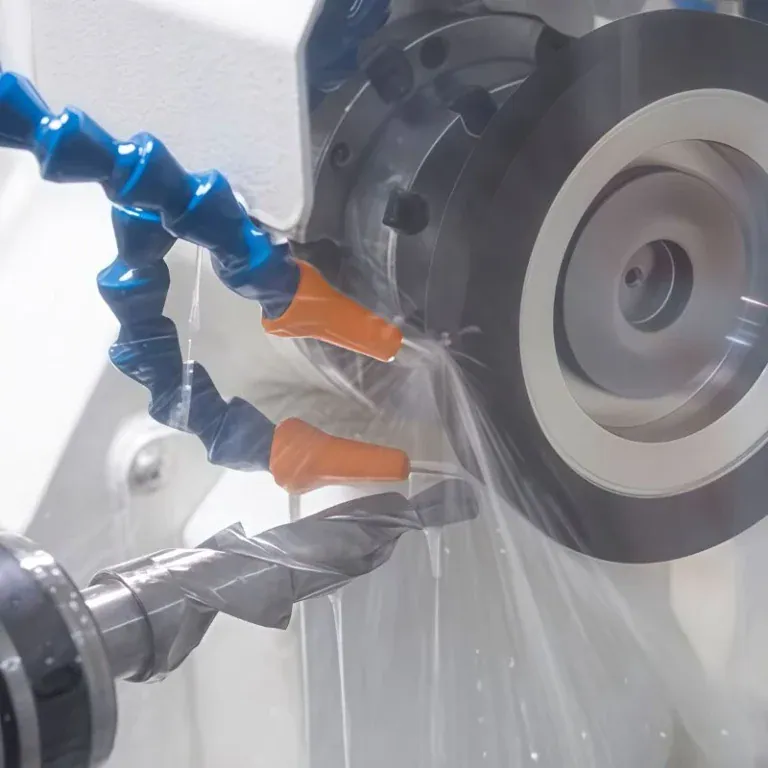
Grinding is a precision machining process that removes material from a workpiece using a rotating abrasive wheel. Unlike conventional cutting tools, which remove material with defined cutting edges, grinding uses
A bracket may need a curved edge to clear an adjacent component. A housing may require an accurately shaped internal wall, while a mold needs a continuous surface that defines
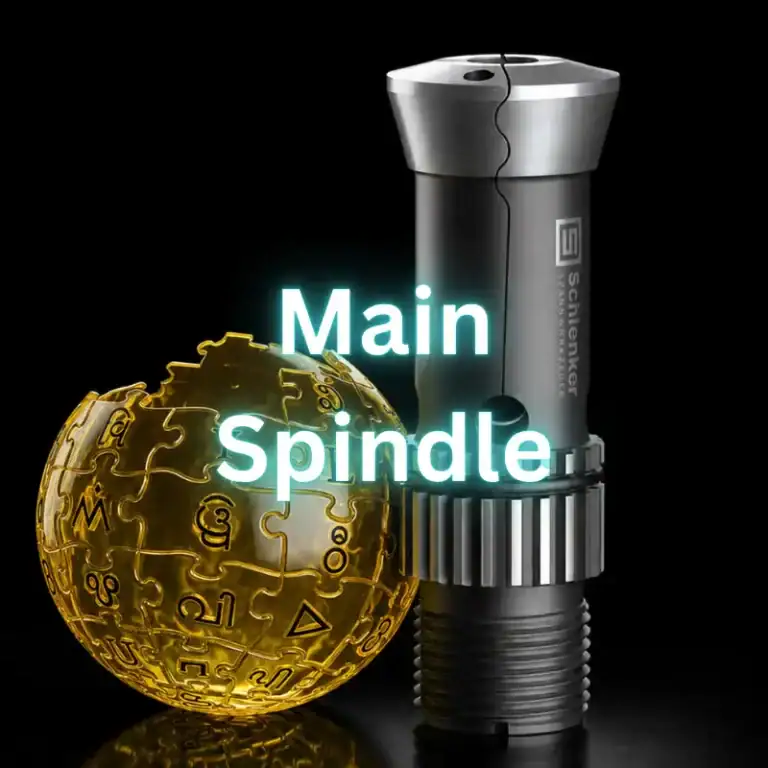
The main spindle is one of the most important assemblies in a CNC machine. It provides the rotational motion required for cutting, holds either the cutting tool or the workpiece,
Guide pins are simple components, but they play a critical role in mold alignment, repeatable positioning, and long-term tooling stability. In injection molds, die sets, fixtures, and precision assemblies, a
CNC Part Manufacturing: Process, Quality & Design Guide CNC parts are used across aerospace, medical equipment, robotics, automotive systems, electronics, and industrial machinery because CNC machining can produce complex components
Two parts made from the same material can have very different milling prices. One may fit a standard vise and run with common tools. The other may need several setups,
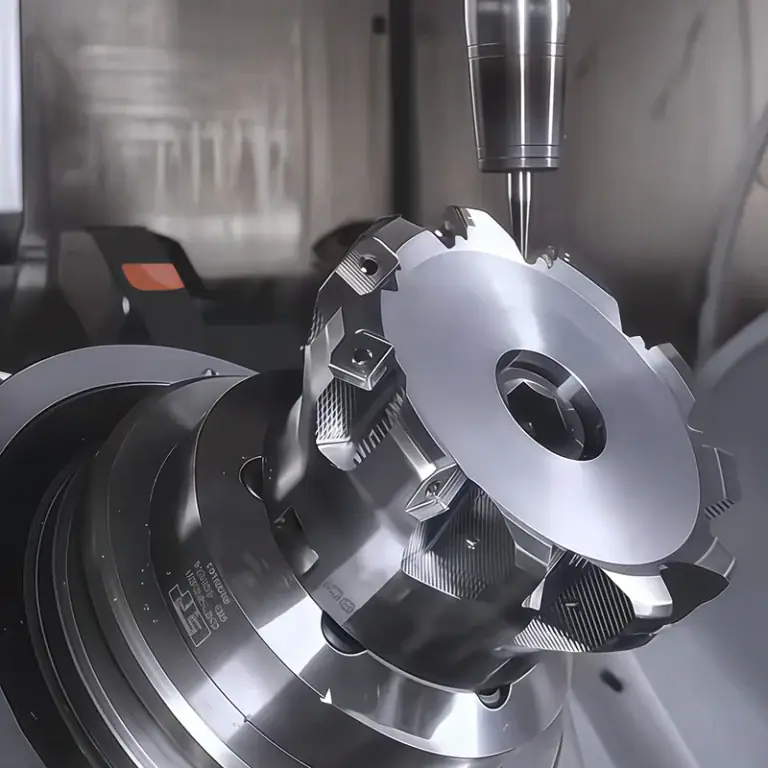
Multiaxis machining is a CNC manufacturing process that allows the cutting tool, workpiece, or both to move across multiple controlled axes during machining. Instead of only cutting from one fixed
A precise toolpath is only useful when the workpiece stays where it belongs. If a part shifts, lifts, or bends during cutting, even a carefully programmed CNC machine can produce
Machining allowance is the extra material intentionally left on a workpiece before final machining. In CNC machining, this extra stock gives machinists enough material to remove surface defects, correct minor
Plain milling is a milling process used to machine broad, flat surfaces by removing material with the peripheral cutting edges of a rotating cutter. It is commonly performed on a
Glass filled nylon is a reinforced engineering plastic that combines the versatility of nylon with the strength and stiffness of glass fibers. Compared with unfilled nylon, it offers better resistance
Tensile stress is the internal force per unit area produced when a material is pulled by an external load. It is calculated by dividing the applied tensile force by the