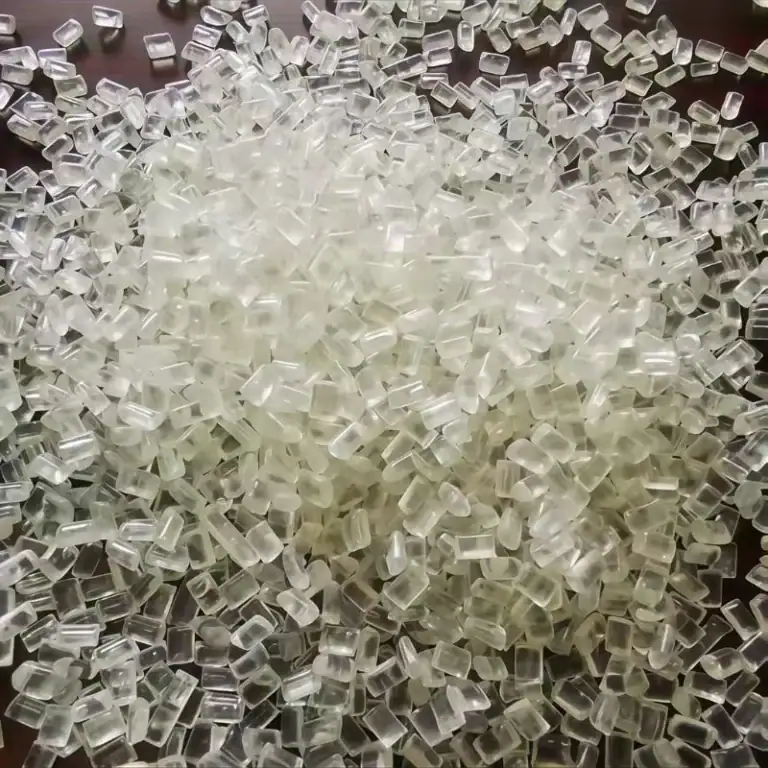
Polysulfone is a high-performance engineering plastic known for its heat resistance, chemical stability, mechanical strength, and long-term dimensional reliability. Compared with many general plastics, PSU can maintain stable performance in
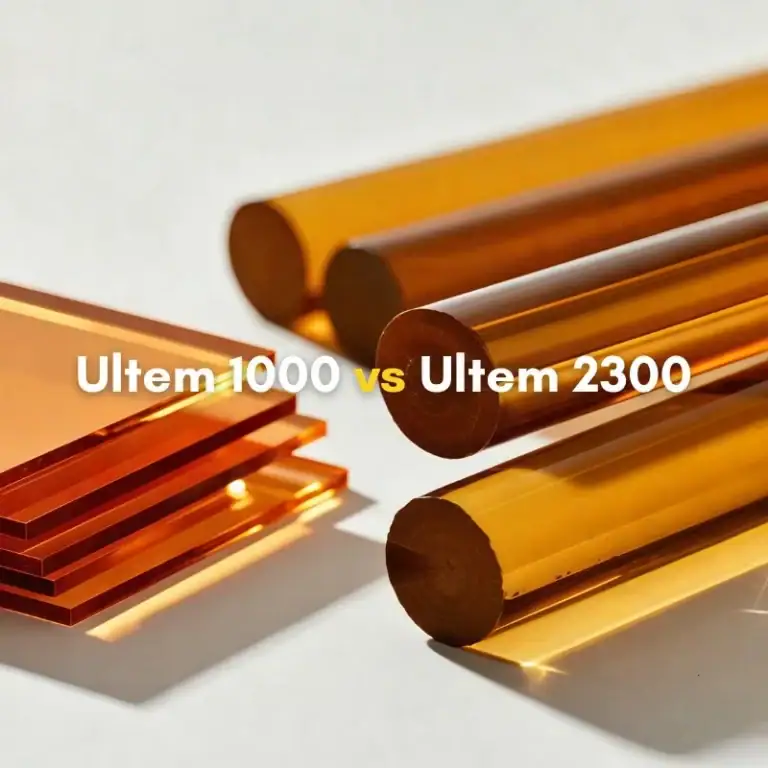
Ultem 1000 vs 2300 is a common PEI material comparison because both grades belong to the Ultem family, but they are designed for different engineering goals. Ultem 1000 is usually
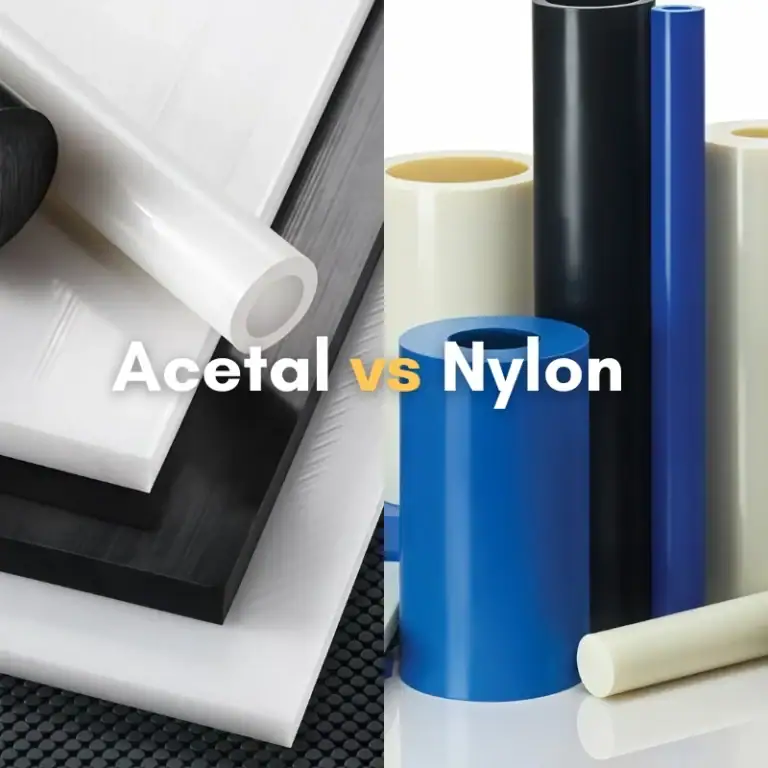
Acetal vs nylon is a common engineering plastic comparison because both materials are widely used for gears, bushings, bearings, fasteners, rollers, housings, and CNC machined components. Acetal is usually selected
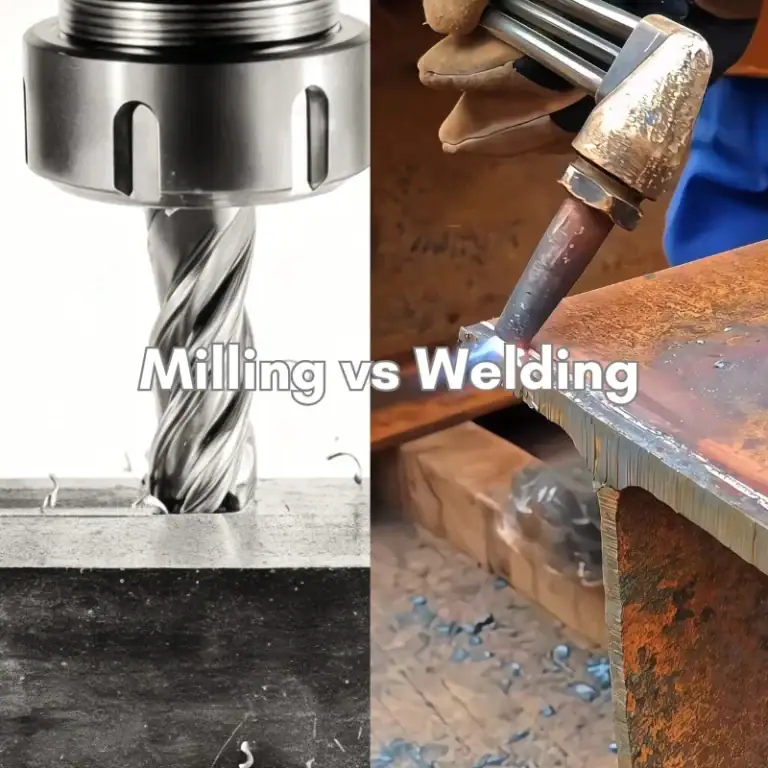
Milling vs welding is a common comparison in metal manufacturing because both processes are widely used to create functional parts and assemblies. However, they solve very different manufacturing problems. Milling
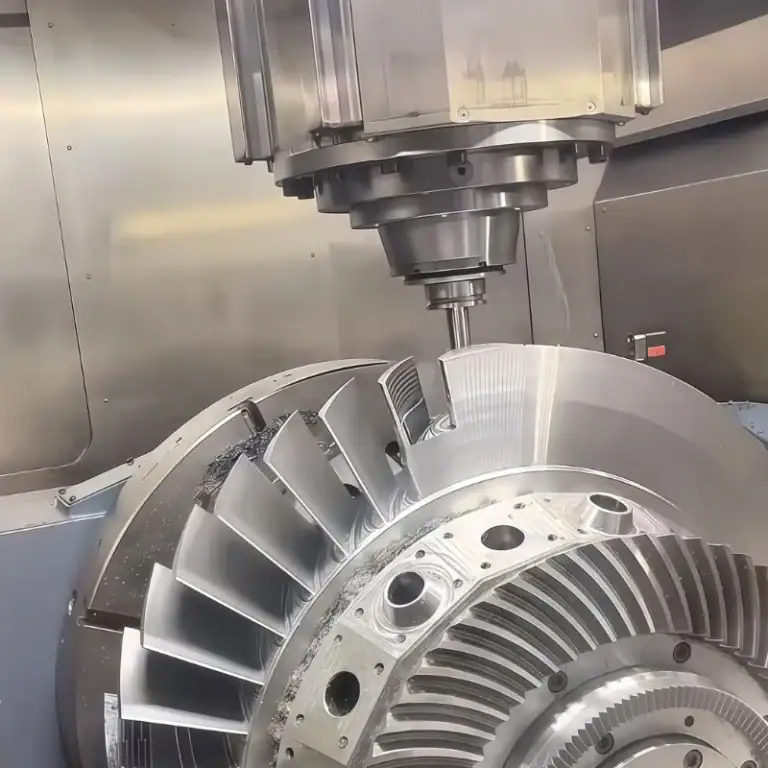
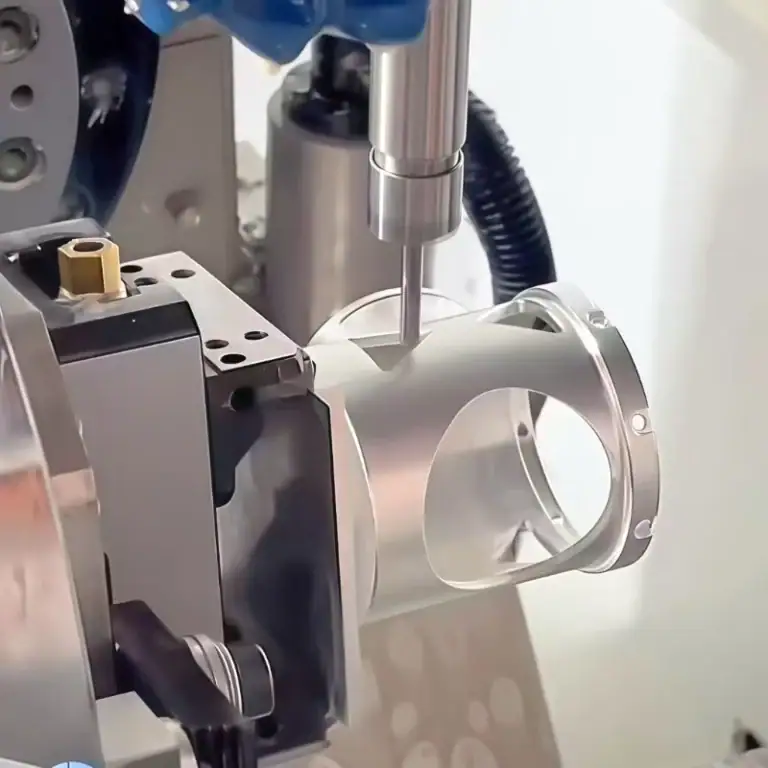
3 vs 5 axis CNC machining is a common comparison in precision manufacturing because both methods are used to produce accurate custom parts, but they are designed for different levels
MC Nylon is a cast engineering plastic known for its wear resistance, mechanical strength, and good machinability. If you are searching for what is MC Nylon, it is important to
Metrology is the science of measurement, but in manufacturing it means much more than simply checking a dimension. It provides the standards, methods, and systems that make measurement results accurate,
Aluminum 5083 is widely used in applications that require strong corrosion resistance, good weldability, and reliable strength in harsh environments. Compared with many other aluminum alloys, it performs especially well
Aluminum 6061 is one of the most widely used aluminum alloys because it offers a practical balance of strength, corrosion resistance, machinability, and weldability. It is commonly used in aerospace,
Stainless Steel 630 is a precipitation-hardening stainless steel known for combining high strength, good corrosion resistance, and heat-treatable performance. It is widely used in aerospace, industrial equipment, medical, and other
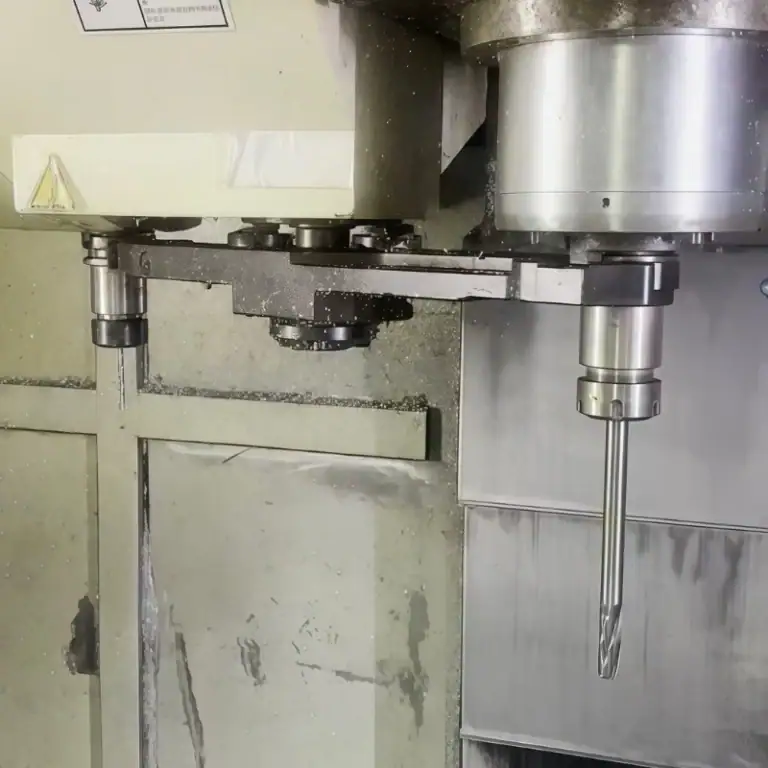
Reamers are important finishing tools in machining manufacturing because they improve hole size accuracy, roundness, and surface finish after drilling or boring. They are commonly used in precision parts where
6082 aluminium alloy is a medium-strength aluminium alloy widely used in structural and machined applications. It is commonly selected when a project needs good strength, corrosion resistance, weldability, and machinability
Scroll to Top
Your 24 hour quote
Send us a message if you have any questions or request a quote. We will be back to you within 1-2 hours!