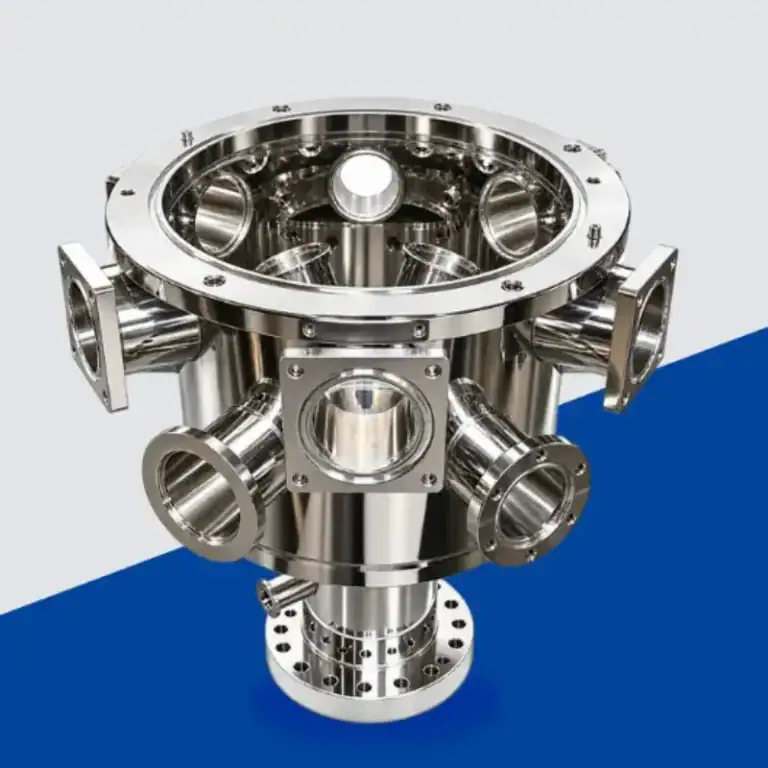
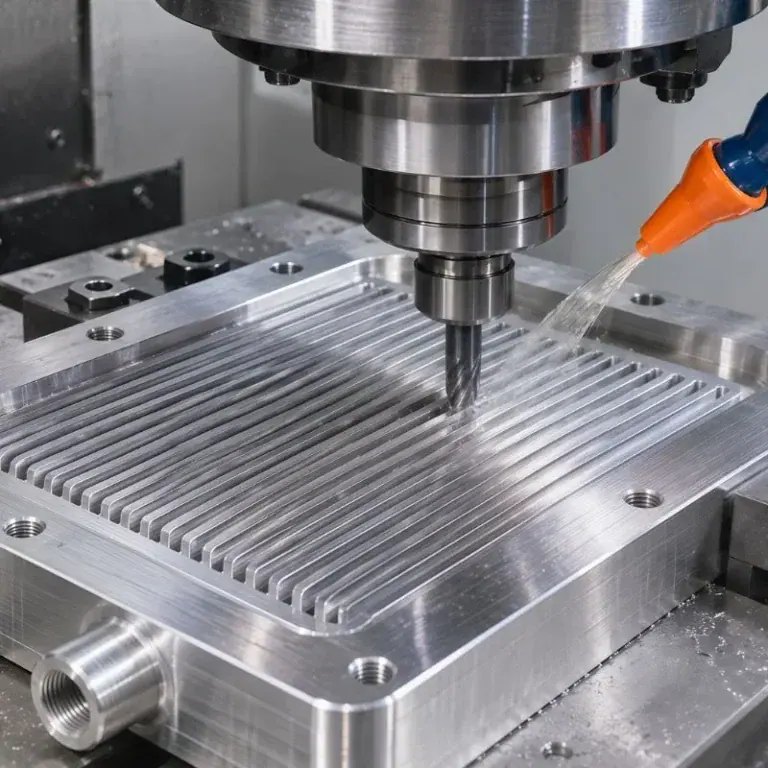
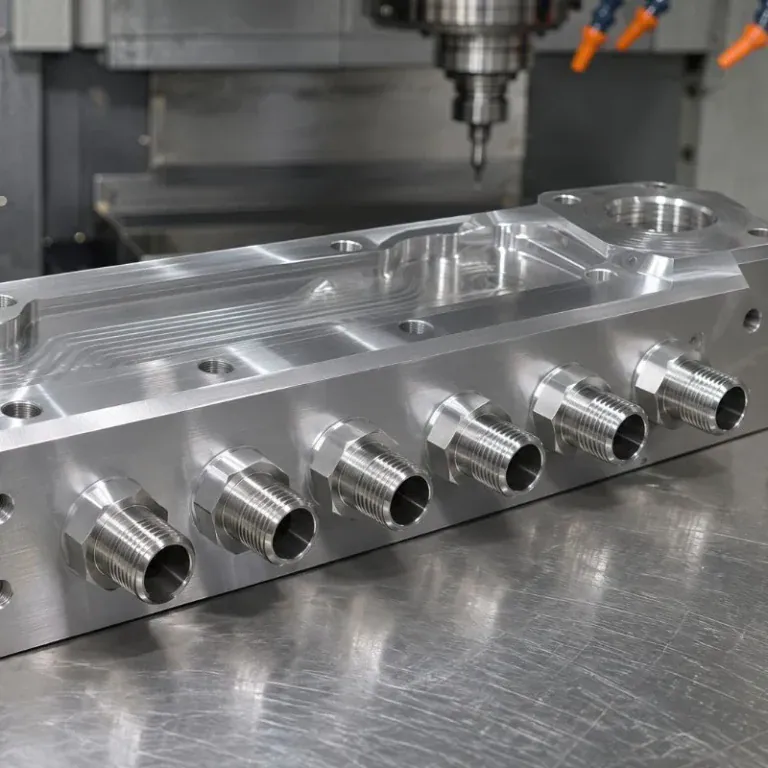
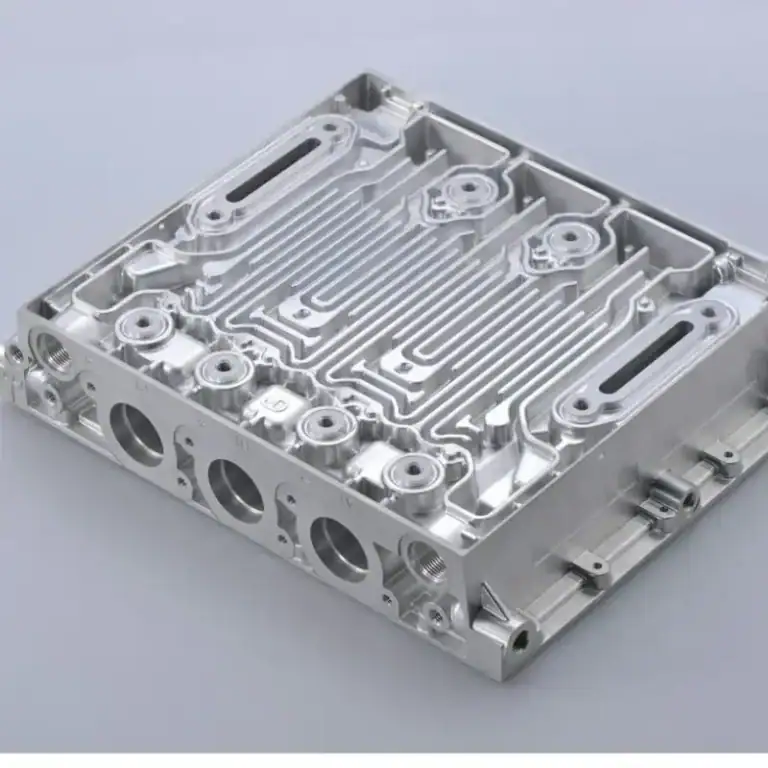
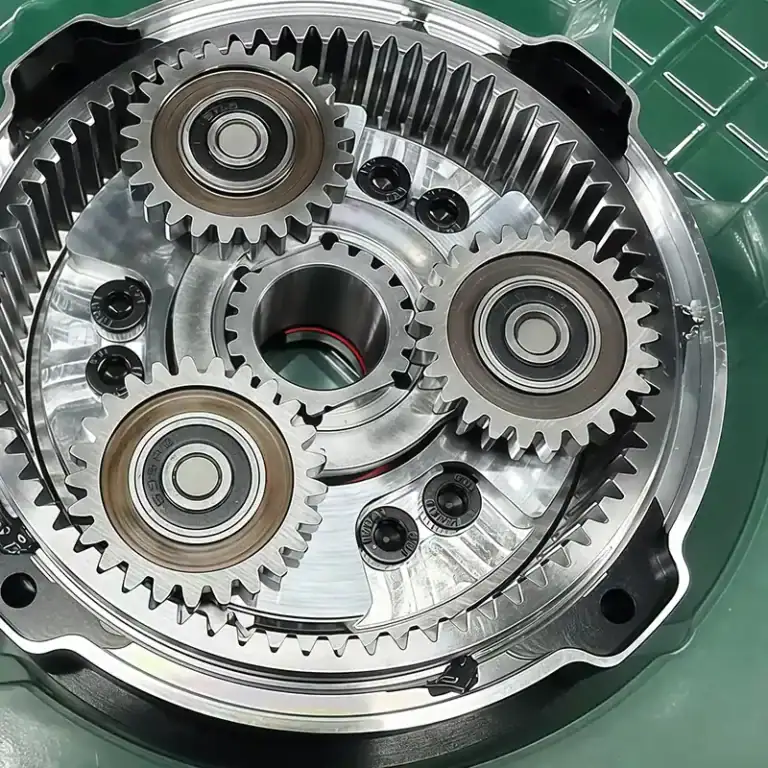
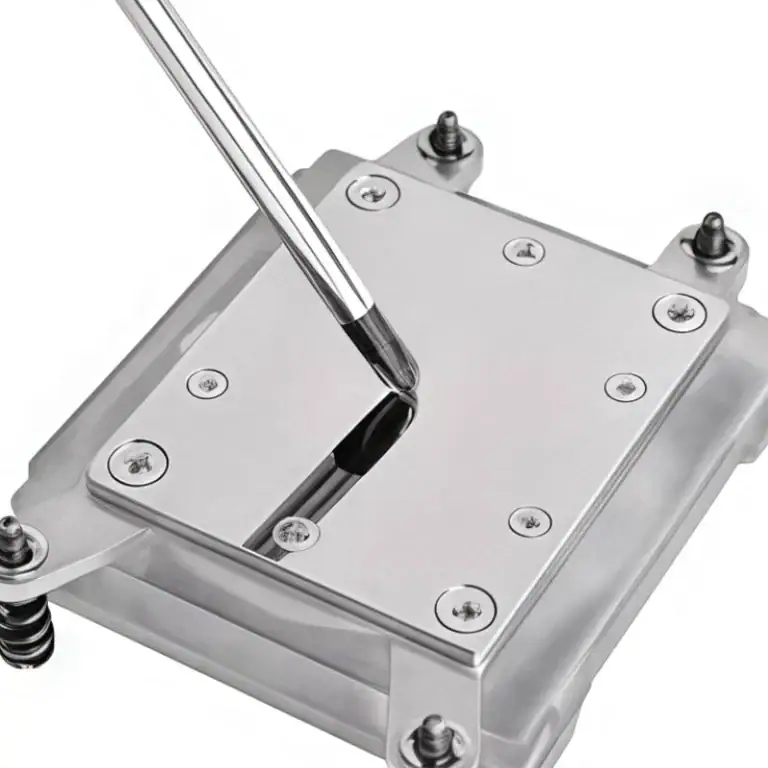
The aerospace industry has strict requirements for the manufacturing quality of metal components, particularly engine parts, aircraft structural components, landing gear, and precision connectors. These components must withstand high temperatures, high pressure, vibration, and complex mechanical loads while maintaining stable performance throughout their service life.Compared with ordinary industrial components, aerospace metal parts require tighter dimensional tolerances, better surface finishes, consistent material properties, and higher machining accuracy. CNC precision machining, CNC milling, and CNC turning are essential manufacturing processes for meeting these requirements.
Aerospace Components Operate in More Demanding Environments
Exposure to High Temperatures and Pressure
Metal components inside aircraft engines operate under high temperatures, high pressure, and high rotational speeds. For example, turbine discs, engine shafts, and connecting components must withstand continuous mechanical loads while resisting thermal deformation and material fatigue.
Excessive dimensional deviations may affect assembly clearances, rotational balance, and component compatibility. Therefore, machining processes must maintain strict dimensional tolerances to ensure stable performance under actual operating conditions.
Continuous Vibration and Dynamic Loads
Aircraft experience aerodynamic changes, engine vibration, and impact forces during takeoff and landing. Fuselage structural components, mounting brackets, and fasteners must maintain dimensional stability and structural reliability.
Insufficient machining accuracy may cause localized stress concentrations and increase the risk of fatigue cracks. Precision CNC machining helps control hole positions, profiles, and mating dimensions, improving overall assembly quality.

Key Machining Precision Requirements for Aerospace Metal Parts
Strict Dimensional Tolerance Control
Aerospace components often feature complex geometries and precise fitting requirements. Shaft-hole fits, mounting hole positions, component thicknesses, and curved profiles must all meet the specifications in engineering drawings.
CNC milling and CNC turning use programmed tool movements to reduce errors caused by manual operations. For high-precision components, coordinate measuring machines and other inspection equipment are also required to verify dimensional accuracy.
Higher Surface Finish Requirements
Surface quality affects more than appearance. It also influences friction, wear resistance, fatigue life, and sealing performance. Engine shafts, hydraulic components, and precision mating surfaces often require surface roughness to remain within specified limits.
Manufacturers must select suitable cutting tools, cutting speeds, feed rates, and finishing processes according to the material and component structure. These measures help prevent burrs, tool marks, and surface tearing.
Machining Complex Geometries
Aerospace products frequently incorporate thin-wall structures, deep holes, complex curved surfaces, and irregular components. These designs help reduce overall weight but increase machining difficulty.
For example, thin-wall aluminum alloy components are susceptible to deformation during cutting, while titanium alloy parts can generate high cutting temperatures and accelerate tool wear. Machining strategies must therefore consider material properties, component geometry, and workholding methods.

Key Factors Affecting Aerospace Metal Machining Accuracy
Material Properties Increase Machining Difficulty
Common aerospace materials include aluminum alloys, titanium alloys, stainless steel, and high-temperature alloys. Each material has different cutting characteristics.
For example, 7075 aluminum alloy offers a high strength-to-weight ratio and is widely used in aircraft structural components. Ti-6Al-4V titanium alloy provides excellent strength and corrosion resistance, but its machining process generates considerable heat and places greater demands on cutting tools and machining parameters.
Manufacturers need to select appropriate tool materials, cutting speeds, feed rates, and cooling methods based on the properties of each material. This helps prevent deformation and surface damage.
Workholding Methods Affect Dimensional Stability
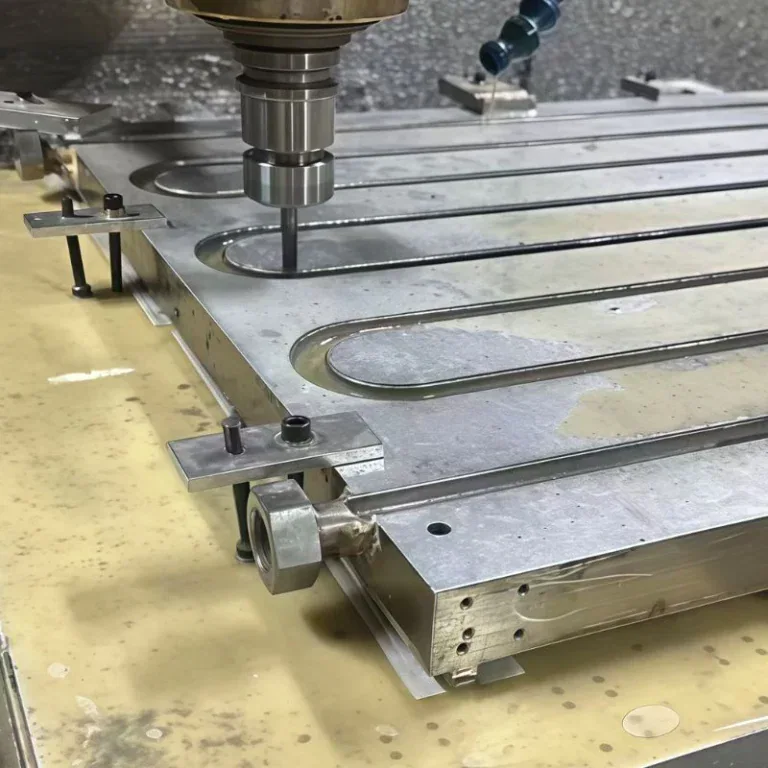
Aerospace components often include thin walls, long dimensions, and irregular geometries. Excessive clamping pressure can cause elastic deformation, while insufficient support may lead to vibration under cutting forces.
Proper fixture design, optimized positioning references, and staged machining processes can reduce deformation and improve dimensional consistency.
How to Improve Machining Precision for Aerospace Metal Parts
Use Multi-Axis CNC Machining Technology
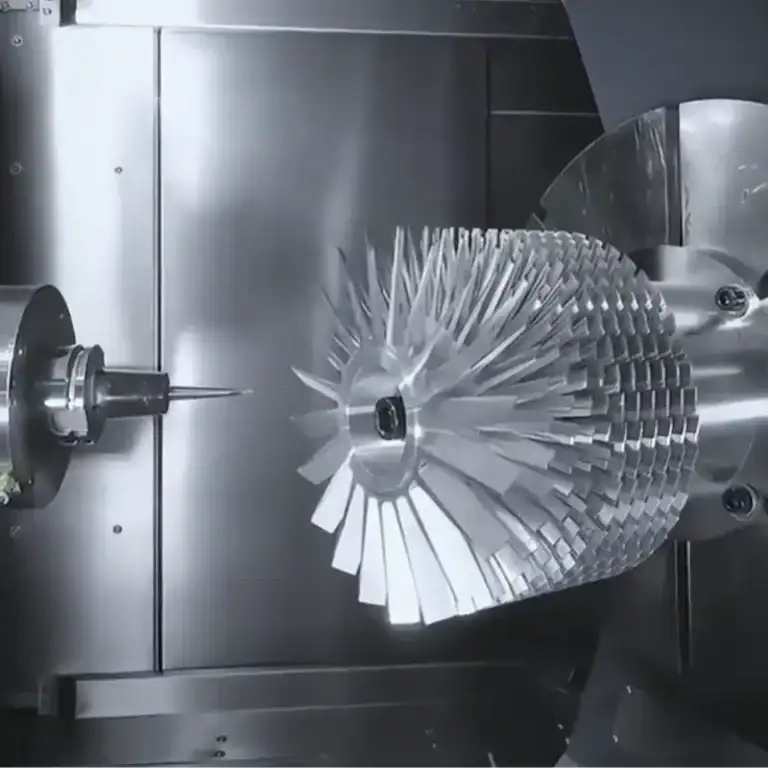
For aerospace components with complex curved surfaces, multi-angle holes, and deep cavities, five-axis CNC machining can reduce the number of repeated setups and minimize positioning errors.
By optimizing tool paths and machining sequences, manufacturers can improve geometric accuracy and surface quality when producing complex components.
Optimize Cutting Parameters and Machining Processes
Different materials, including aluminum alloys, titanium alloys, and stainless steel, require specific machining strategies.
During rough machining, the main priorities are controlling material removal rates and cutting deformation. During finishing, manufacturers must pay closer attention to dimensional tolerances, surface roughness, and tool wear.
For thin-wall components, techniques such as layered material removal, adjusted clamping positions, and intermediate inspections can help reduce dimensional changes caused by residual stress release.
Establish a Comprehensive Quality Inspection Process
Aerospace machining quality should not rely solely on final product inspection. Raw material inspection, in-process measurements, and finished-part dimensional verification should all be included in the quality control process.
Coordinate Measuring Machines (CMMs) can inspect hole positions, profiles, flatness, and critical dimensions. For complex components, geometric tolerances and key mating features should also be checked according to engineering drawing requirements.
TiRapid Precision Machining Solutions for Aerospace Metal Parts
TiRapid provides customized CNC metal machining services for aerospace-related components, supporting prototype manufacturing, low-volume production, and complex structural machining.
For commonly used aerospace materials such as aluminum alloys, titanium alloys, and stainless steel, TiRapid can develop machining solutions based on engineering drawings, material properties, and tolerance requirements.
TiRapid offers three-axis, four-axis, and five-axis CNC machining capabilities, along with CNC milling, CNC turning, wire EDM, and precision inspection services. For thin-wall structures, complex curved surfaces, and multi-angle machining requirements, process optimization and Design for Manufacturability (DFM) assessments can help improve machining efficiency and dimensional stability.
The machining accuracy of aerospace metal parts directly affects product assembly, structural reliability, and operational performance. Choosing a manufacturing partner with precision machining capabilities and effective quality control experience helps reduce machining errors, minimize rework, and provide reliable manufacturing support for aerospace product development and production.