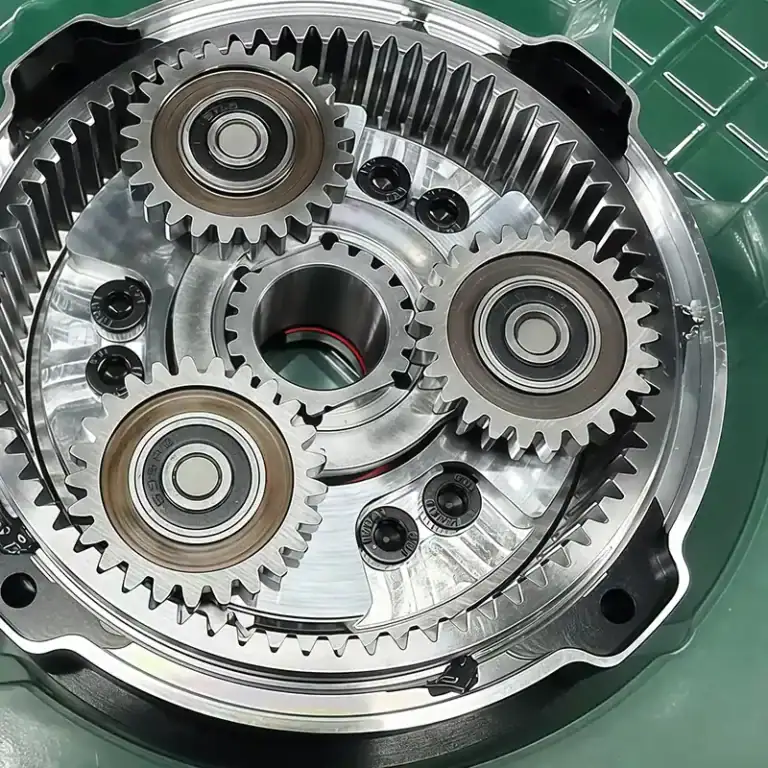
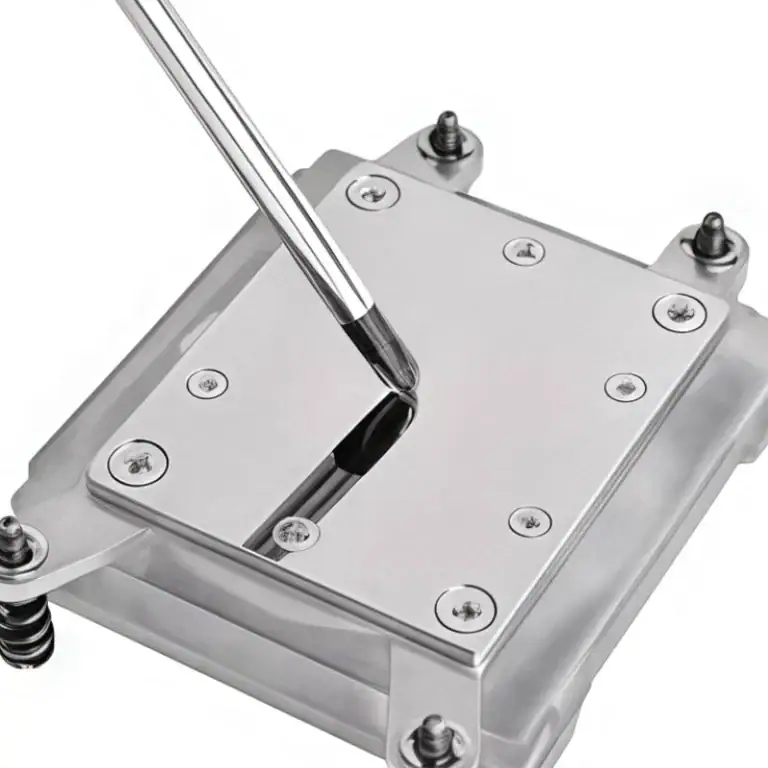
The automotive manufacturing industry has strict quality requirements for metal components. Engine parts, transmission components, chassis structures, and automotive fasteners all require precision metal machining to meet the dimensional stability, mechanical strength, and safety standards needed for vehicle operation. Compared with general metal components, automotive parts require more than dimensional accuracy. Material properties, operating conditions, production efficiency, and batch consistency must also be considered.For automotive component manufacturers, selecting the right metal machining processes is essential for maintaining product quality and controlling production costs.
Why Does Automotive Metal Parts Machining Have Special Requirements?
Automotive components typically operate under vibration, friction, temperature fluctuations, and continuous mechanical loads. Different components serve different functions, so their machining requirements vary accordingly.
High Dimensional Accuracy and Assembly Requirements
Automotive components often have complex fitting relationships. This is particularly important for engine components, shafts, and transmission assemblies. Deviations in hole diameter, shaft diameter, flatness, or concentricity can cause assembly difficulties, increase operating noise, and even shorten component service life.
Therefore, machining operations must follow the dimensional tolerances specified in engineering drawings. Processes such as CNC milling, turning, drilling, and precision grinding help maintain the required dimensions.
Strict Requirements for Material Strength and Durability
Automotive metal parts must withstand different levels of mechanical stress. Engine and transmission components require good strength and wear resistance, while chassis structural parts need to balance rigidity, toughness, and fatigue resistance.
During machining, manufacturers must select suitable metal materials and control cutting parameters to prevent surface damage, excessive burrs, and unnecessary heat effects.
Batch Consistency Affects Vehicle Quality
Automotive manufacturing generally relies on large-scale production. The same component may need to be manufactured continuously in quantities of thousands or even tens of thousands.
Even when individual parts meet drawing specifications, noticeable dimensional differences between production batches can affect subsequent assembly and vehicle performance.
For this reason, automotive metal machining requires standardized processes, inspection procedures, and quality control systems.
Key Technical Requirements for Automotive Metal Parts Machining
Select Suitable Materials and Machining Processes
Common materials used in automotive metal components include aluminum alloys, carbon steel, stainless steel, and alloy steel.
Aluminum alloys are lightweight and relatively easy to machine, making them suitable for certain housings, brackets, and structural components. Carbon steel and alloy steel are commonly used for parts requiring higher strength and wear resistance.
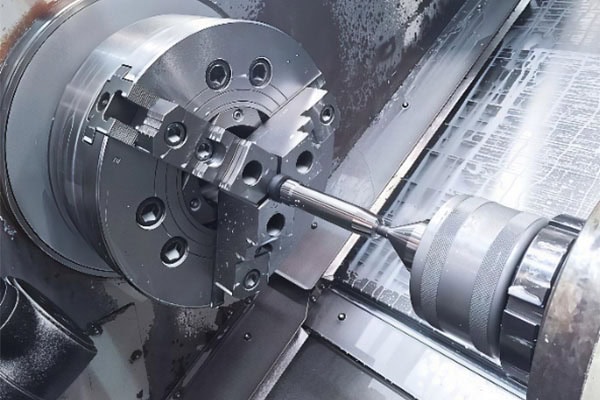
After selecting the material, manufacturers need to determine the appropriate machining processes based on the component’s structure. Complex parts may require multi-axis CNC machining, while shaft components are suitable for turning. Precision holes can be produced through drilling, boring, and reaming.
Control Machining Accuracy and Surface Quality
Precision metal machining involves more than meeting dimensional tolerances. Surface roughness, hole positioning accuracy, and geometric tolerances must also be considered.
For example, noticeable machining marks or dimensional deviations on automotive transmission components can increase friction and wear. Optimizing tool selection, cutting speed, feed rate, and fixture positioning helps improve machining stability.
Maintain Component Strength and Structural Integrity
For automotive parts exposed to high mechanical loads, machining processes must avoid cracks, deformation, and excessive burr formation.
Thin-walled components require particular attention to clamping force and cutting force to prevent dimensional springback after machining.
For components requiring heat treatment, the machining sequence must also be properly arranged to minimize the impact of heat-treatment deformation on final dimensions.
How Can Automotive Metal Parts Achieve Stable Mass Production?
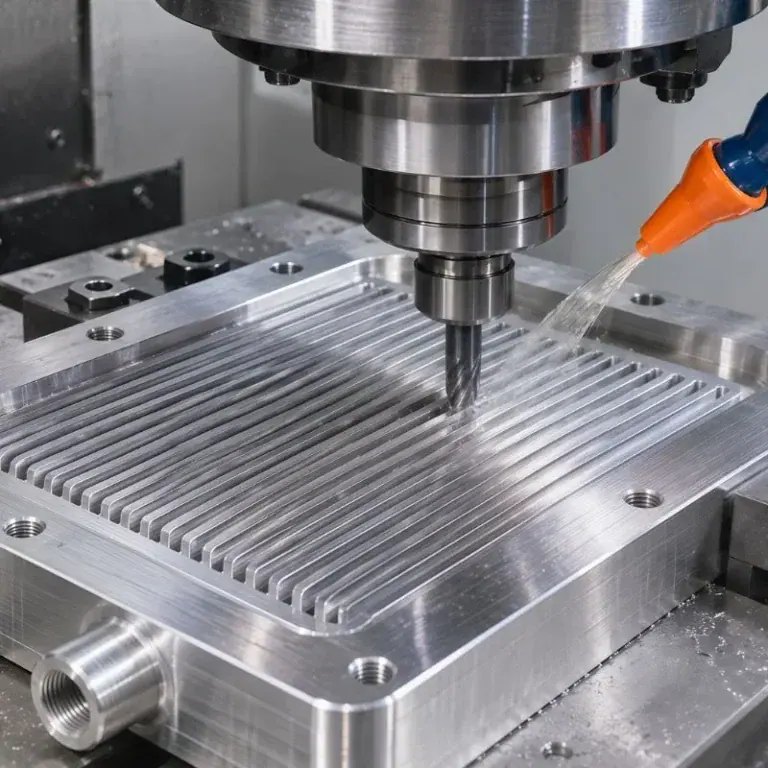
Improve Production Efficiency Through CNC Machining
CNC machining executes cutting operations according to programmed instructions, reducing errors caused by manual operations.
For automotive components with complex structures and high precision requirements, CNC turning and milling can improve production efficiency while maintaining consistent dimensions across multiple parts.
Optimize Fixtures and Production Processes
During mass production, stable workpiece positioning directly affects machining results. Properly designed dedicated fixtures can reduce repeated positioning errors and shorten loading and unloading times.
For components involving multiple machining operations, manufacturers can optimize the production sequence by arranging related processes together. This helps reduce unnecessary material handling and repeated positioning.
Establish a Comprehensive Quality Inspection System
Automotive mass production should not rely solely on final random inspections. First-article inspection, in-process inspection, and finished-part inspection should be combined to identify dimensional deviations and machining abnormalities promptly.
Common inspection items include dimensional measurement, hole position verification, surface roughness testing, and, where necessary, hardness and material property testing.
By recording inspection data, manufacturers can also monitor machining deviations over time and adjust equipment settings and process parameters when needed.
How to Choose an Automotive Metal Parts Machining Supplier?
When selecting a machining supplier, manufacturers should evaluate equipment capabilities, material processing experience, quality inspection standards, and mass production capacity.
Suppliers with CNC turning, milling, drilling, and other precision machining capabilities can develop more suitable manufacturing solutions based on component geometry and technical requirements.
They should also provide engineering drawing evaluation, process optimization, sample validation, and batch production management.
For automotive components with complex structures or special tolerance requirements, manufacturers should arrange sample machining and dimensional verification before starting mass production. Once the machining process has been validated, production quantities can be increased.
Conclusion
Automotive metal parts machining requires not only dimensional precision but also material strength, structural stability, and consistency during mass production.
Every stage, from material selection and CNC machining to fixture design and quality inspection, affects the performance of the finished component.
For automotive component manufacturers, adopting appropriate precision metal machining solutions can improve product quality, reduce production defects, and meet the automotive industry’s requirements for reliable delivery and large-scale manufacturing.