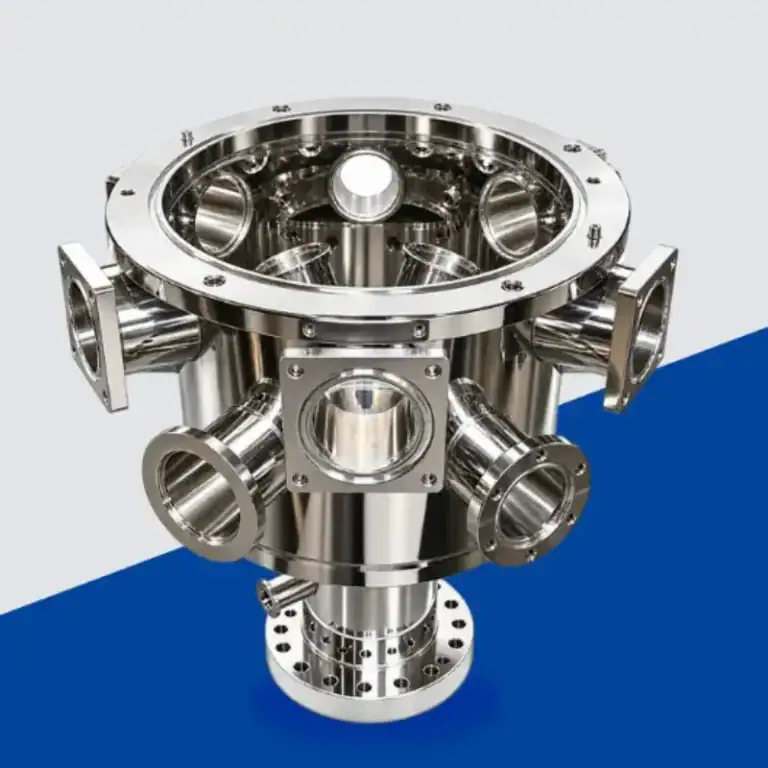
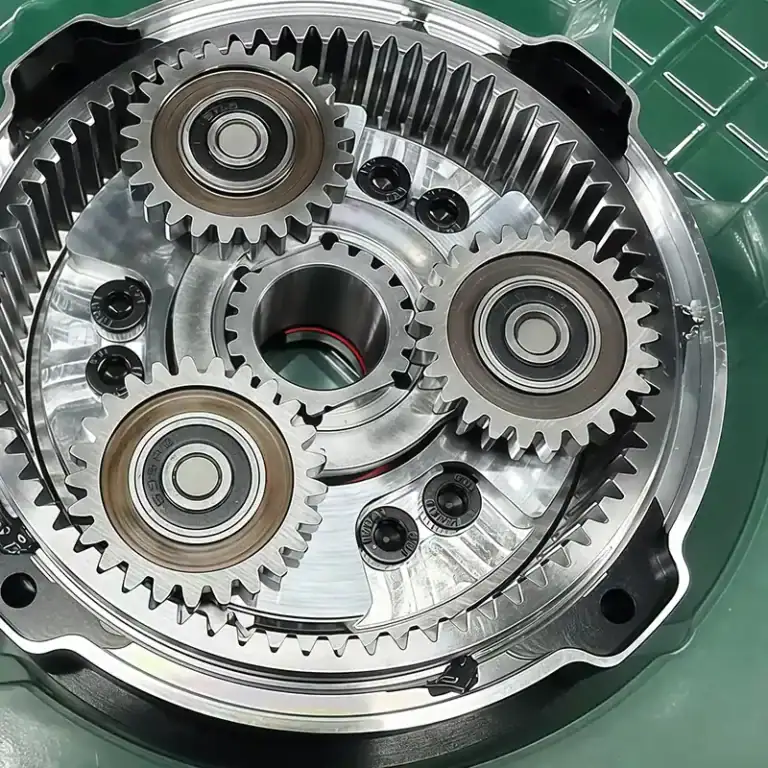
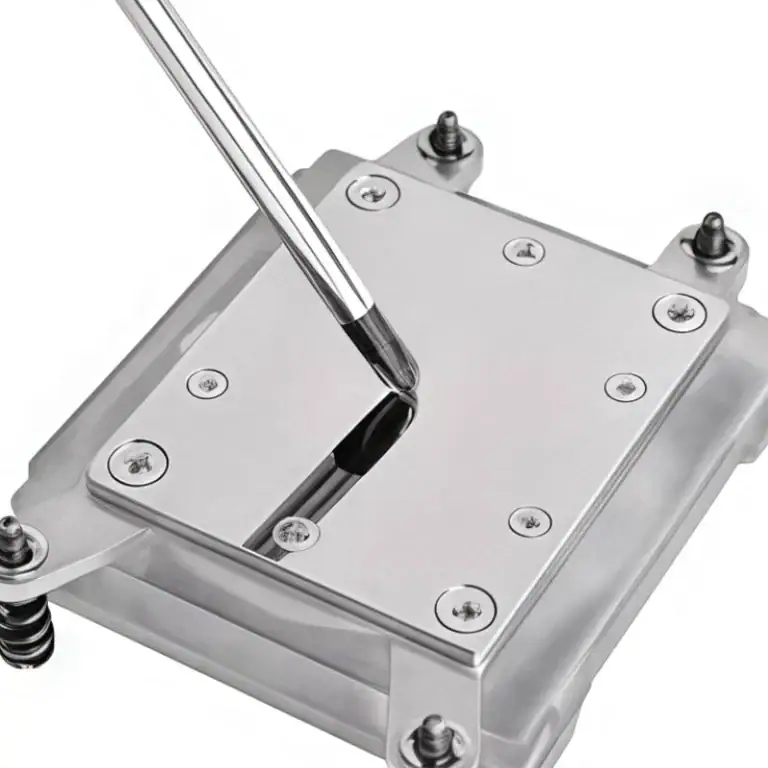
During oil and gas extraction, refining, downhole operations, and high-temperature fluid transportation, some equipment must operate under combined conditions of elevated temperatures, high pressure, corrosive media, and mechanical loads. High temperatures can affect the strength, hardness, dimensional stability, and oxidation resistance of metal materials. Under prolonged heat exposure, conventional metal components may experience deformation, surface oxidation, increased wear, and fatigue damage. For heat treatment equipment, combustion systems, downhole tools, and high-temperature pipeline auxiliary devices, material selection and manufacturing precision directly influence service life and operating safety.
Manufacturing high-temperature parts for the oil and gas industry requires selecting suitable materials and machining processes according to operating temperature, pressure, media composition, and mechanical loads. CNC machining can produce complex structures from high-temperature alloys, stainless steel, and other heat-resistant metals. It is suitable for custom heat-resistant connectors, support components, sleeves, mounting bases, and specialized structural parts. With appropriate cutting parameters, tool selection, heat treatment, and precision inspection, manufacturers can produce components that meet specific engineering requirements.
Key Advantages of CNC Manufacturing for High-Temperature Oil and Gas Parts
High-temperature components used in oil and gas equipment often have demanding material requirements. Some parts must also provide corrosion resistance, fatigue resistance, and dimensional stability. Although high-temperature alloys can maintain good mechanical properties under specified temperature conditions, their high hardness and low thermal conductivity make them difficult to machine. Cutting heat, rapid tool wear, and work hardening can create manufacturing challenges. A properly designed CNC machining solution helps control the cutting process, reduce machining defects, and meet complex dimensional and surface quality requirements.
High-Temperature Material Selection Improves Component Performance
Material selection is a critical step in manufacturing high-temperature components. Oil and gas equipment may come into contact with hot natural gas, steam, combustion gases, heated oil, and process media containing corrosive substances. Different operating environments require different levels of heat resistance, oxidation resistance, and corrosion resistance. High-temperature alloys, heat-resistant stainless steels, and selected nickel-based alloys can be used for different components according to equipment design conditions.
Common material options include:
- Nickel-based superalloys: Suitable for critical components exposed to specific high-temperature and high-stress conditions. They offer good high-temperature strength and oxidation resistance and are commonly used in hot-section structures and specialized process equipment.
- Heat-resistant stainless steel: Suitable for selected high-temperature pipeline connectors, equipment brackets, mounting bases, and heat treatment equipment components. The specific grade should be selected according to temperature and media conditions.
- Cobalt-based alloys: Used for specialized components requiring high wear resistance and high-temperature performance. Their suitability should be confirmed according to engineering specifications.
- Alloy steel: Suitable for load-bearing structures and connection components that receive appropriate heat treatment and operate within the material’s permitted temperature range.
- Titanium alloys: Can be used in selected auxiliary structures where weight and corrosion resistance are important, but their actual high-temperature limitations must be carefully evaluated.
Material selection should not rely solely on the maximum temperature rating. Continuous operating temperature, thermal cycling, load variations, corrosive media, and long-term material performance must also be considered. For critical equipment components, manufacturers should verify material grades, heat treatment conditions, and quality certificates to ensure compliance with engineering designs and project standards.
CNC Precision Machining Controls High-Temperature Alloy Dimensions
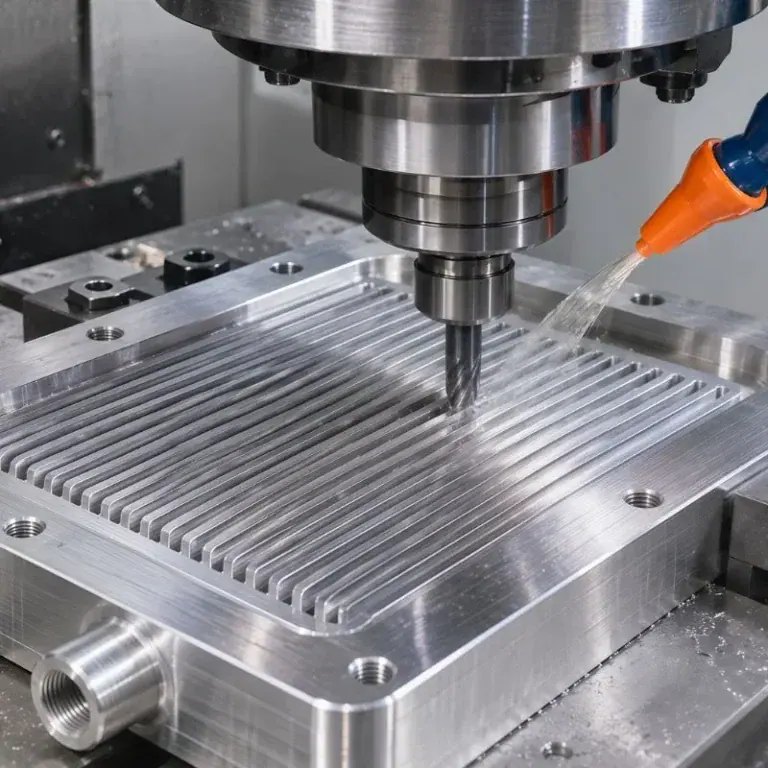
High-temperature alloys can generate considerable localized heat during cutting, and some materials have a strong tendency to work harden. If cutting parameters, tool materials, and cooling methods are not properly selected, problems such as rapid tool wear, surface tearing, dimensional deviations, and machining vibration may occur. CNC turning is suitable for heat-resistant shafts, sleeves, and connectors. CNC milling can produce irregular mounting surfaces, positioning grooves, and complex external profiles, while drilling and boring are suitable for precision holes and internal structures.
For components requiring high dimensional accuracy, a machining sequence combining roughing, semi-finishing, and finishing can be adopted. Rough machining removes the main material allowance, semi-finishing adjusts the component geometry, and finishing controls critical tolerances and surface roughness. Thin-wall heat-resistant parts require carefully designed fixtures and clamping positions to reduce deformation caused by excessive clamping force. Controlling tool wear, cutting heat, and machining allowances helps improve dimensional consistency.
Customized Manufacturing Supports Specialized High-Temperature Equipment Designs
Different oil and gas projects have different equipment structures and operating environments. High-temperature components may require special dimensions, irregular holes, complex curved surfaces, non-standard threads, or multi-angle connection structures. Standard components may not meet specific installation and maintenance requirements. Custom CNC machining allows manufacturers to produce parts based on engineering drawings, 3D models, and physical samples.
Multi-axis machining can handle complex profiles and features located on multiple surfaces. Mill-turn machining is suitable for components that combine rotational structures with milled features. For hot-section support parts, specialized connectors, heat-resistant sleeves, and equipment mounting components, machining operations can be arranged according to design requirements to reduce positioning errors caused by repeated clamping. Custom manufacturing also supports maintenance of older equipment, replacement parts for special models, and small-batch prototyping, providing greater flexibility for equipment manufacturers.
Machining Methods and Applications of High-Temperature Oil and Gas Parts
Machining high-temperature components requires careful consideration of both material properties and final operating conditions. The cutting resistance, heat concentration, and tool wear behavior of high-temperature alloys differ from those of conventional carbon steel. Standard machining parameters cannot be applied without adjustment. Before production, manufacturers should confirm the material condition, component geometry, critical tolerances, and surface treatment requirements, then select suitable tools, cutting methods, and equipment. For parts requiring heat treatment or surface strengthening, subsequent processes should also be included in the overall manufacturing plan.
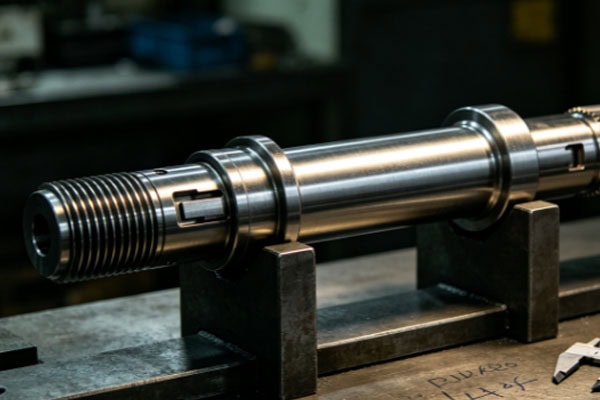
CNC Machining Processes and Manufacturing Workflow for Heat-Resistant Parts
Heat-resistant metal components usually require several machining operations to achieve their final dimensions. For high-temperature alloys, cutting speed, feed rate, and depth of cut should be adjusted according to material grade, hardness, and component geometry. Suitable carbide or other specialized cutting tools should be selected. Chip removal, cooling, and tool condition must also be monitored to reduce the impact of localized overheating and work hardening on surface quality.
A typical manufacturing process includes:
- Technical document review: Check 2D drawings, 3D models, material grades, operating temperatures, and critical dimensional tolerances.
- Material preparation: Purchase high-temperature alloys, heat-resistant stainless steel, or other suitable metals according to design requirements, and verify material certificates.
- Process planning: Arrange turning, milling, drilling, boring, and grinding operations according to component geometry.
- CNC programming: Set tool paths, cutting parameters, workholding references, and machining sequences.
- Precision machining: Complete external profiles, holes, grooves, threads, and complex curved surfaces.
- Heat treatment and surface treatment: Perform solution treatment, aging treatment, or specified surface processes according to material properties and design requirements.
- Final quality inspection: Check dimensions, geometric tolerances, surface conditions, material properties, and required inspection records.
Heat treatment may change component dimensions and microstructure, so the process sequence should be determined according to material type and design requirements. For high-precision components, finishing and reinspection can be arranged after heat treatment to reduce the impact of process variations on final assembly.
Machining Applications for High-Temperature Downhole Tools and Oilfield Equipment
Downhole tools used in oil and gas extraction may operate under high temperatures, high pressures, and complex media conditions. Some equipment is also exposed to vibration, impact, and repeated mechanical loads. Heat-resistant connectors, tool housings, support sleeves, positioning structures, and specialized mounting components must provide suitable strength, dimensional stability, and media compatibility. CNC machining can manufacture precision connection threads, positioning holes, internal cavities, and external mounting features according to downhole tool designs.
For components exposed to high mechanical loads, material selection and heat treatment conditions directly influence performance. Machining operations must control thread profiles, connection faces, and mating diameters to ensure correct assembly with the main tool body. Long and slender components also require careful control of workpiece rigidity and machining vibration to prevent straightness deviations. For high-temperature downhole applications, manufacturers should verify material suitability according to actual temperature, pressure, and media conditions rather than relying only on room-temperature mechanical properties.
Machining Applications for Refining Facilities and High-Temperature Process Equipment
Oil refining and natural gas processing facilities include heating, heat exchange, combustion, and high-temperature gas treatment processes. Equipment may require heat-resistant supports, connecting flanges, mounting bases, guide sleeves, insulation structure connectors, and specialized fasteners. These components must maintain structural stability within specified temperature ranges while meeting installation accuracy and long-term operating requirements.
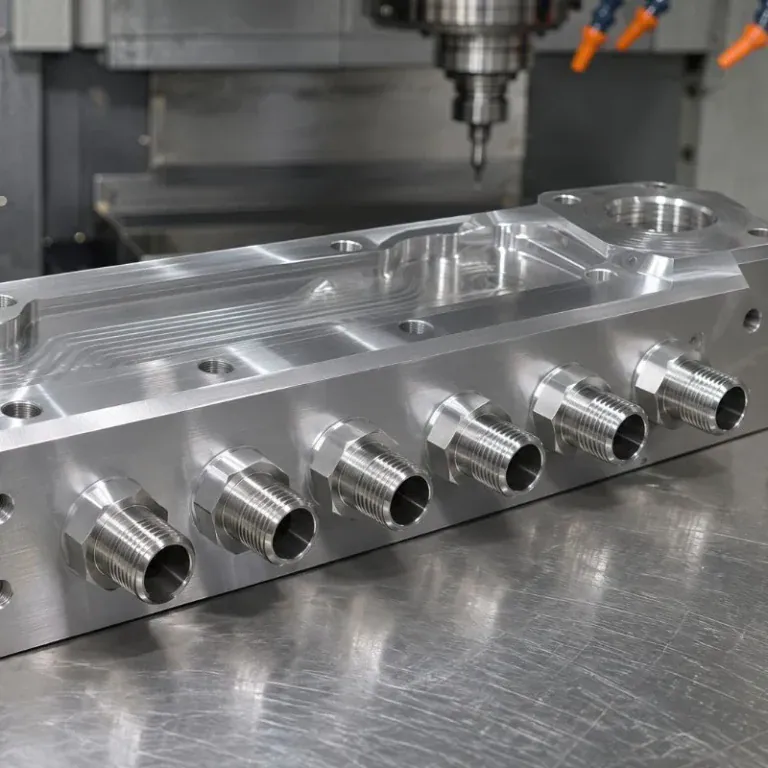
CNC turning can produce heat-resistant sleeves, shaft connectors, and ring-shaped components. Milling is suitable for equipment mounting bases, support plates, and complex connection structures, while drilling and boring can create precision holes and internal passages. For components with multiple mounting interfaces, manufacturers must maintain accurate hole spacing, face flatness, and dimensional relationships between connection features. Some parts may also require welding or subsequent assembly, so machining allowances, assembly clearance, and thermal deformation risks should be considered during manufacturing.
| Component Type | Common Materials | Main Machining Processes | Key Quality Requirements | Typical Applications |
| High-temperature alloy connectors | Nickel-based superalloys, heat-resistant stainless steel | Turning, milling, drilling | Thread accuracy, face flatness, dimensional tolerances | High-temperature pipelines and equipment connections |
| Downhole tool support sleeves | Alloy steel, suitable high-temperature alloys | Turning, boring, grinding | Concentricity, inner and outer diameter accuracy, wear resistance | High-temperature downhole tools |
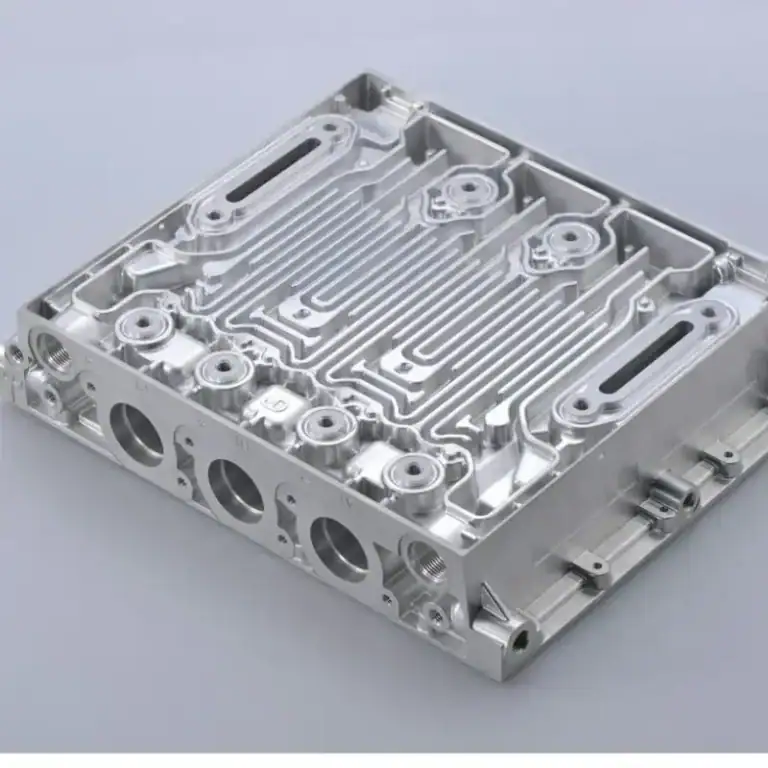
| Hot-section mounting bases | Nickel-based alloys, heat-resistant stainless steel | Milling, drilling, finishing | Mounting hole positions, flatness, structural stability | Combustion and heating equipment |
| Heat-resistant equipment flanges | Heat-resistant stainless steel, alloy steel | Turning, milling, drilling | Sealing surface quality, hole position accuracy, thickness tolerances | Refining facilities and high-temperature pipelines |
| High-temperature guide sleeves | Alloy steel, nickel-based alloys | Turning, grinding, precision boring | Bore dimensions, cylindricity, surface roughness | Thermal equipment and motion guide structures |
| Heat exchanger support components | Heat-resistant stainless steel, suitable alloy materials | Milling, drilling, turning | Mounting dimensions, load-bearing capacity, corrosion resistance | Heat exchangers and process equipment |
| Specialized fasteners | Heat-resistant stainless steel, nickel-based alloys | Turning, thread rolling, milling | Thread accuracy, strength, heat resistance | High-temperature equipment assembly |
Functional and Performance Control of High-Temperature Oil and Gas Parts
The quality of high-temperature components depends on more than machining dimensions. Material mechanical properties at operating temperatures, long-term thermal stability, and surface conditions must also be considered. Some parts experience continuous heating and repeated cooling, which can cause thermal expansion, thermal stress, and dimensional changes. Load-bearing structures and critical connectors may also require evaluation for creep, fatigue, and corrosion risks. Proper material verification, heat treatment control, and precision inspection help improve component suitability under specified operating conditions.
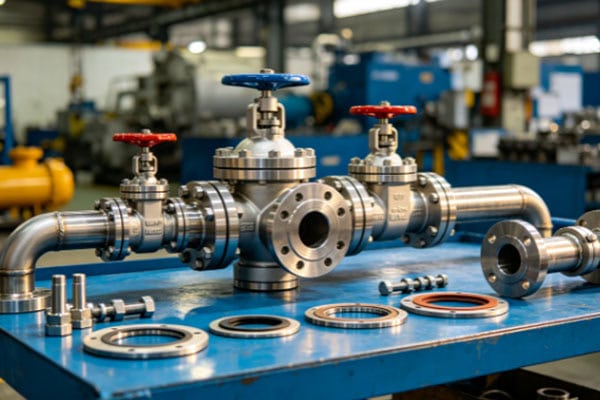
High-Temperature Dimensional Stability and Machining Accuracy Inspection
Metal materials expand when heated, and different materials have different thermal expansion characteristics. When components operate at elevated temperatures, their design must account for the effects of thermal expansion on installation clearances, mating dimensions, and connection structures. During manufacturing, inspection temperature, measurement references, and component cooling conditions should be controlled to prevent measurement errors caused by temperature differences.
Key inspection items include:
- Dimensional accuracy inspection: Check internal diameters, external diameters, lengths, thicknesses, hole spacing, and thread dimensions.
- Geometric tolerance inspection: Measure roundness, cylindricity, flatness, perpendicularity, and concentricity.
- Surface quality inspection: Check machining marks, burrs, cracks, and localized surface defects.
- Material performance inspection: Verify hardness, material composition, and relevant mechanical properties according to requirements.
- Nondestructive testing: Apply suitable ultrasonic, penetrant, or other nondestructive testing methods to designated critical components.
For critical high-temperature equipment parts, dimensional inspection should be evaluated together with design tolerances and actual operating temperatures. High-temperature performance testing or other verification procedures may also be necessary to confirm that materials and components meet project specifications.
Oxidation Resistance, Corrosion Resistance, and Thermal Fatigue Performance
High-temperature oil and gas components may come into contact with oxidizing gases, sulfur-containing media, water vapor, and other corrosive substances. Continuous heat exposure can accelerate oxidation and corrosion in certain metal materials. Repeated temperature changes may also create thermal stress, potentially leading to cracks or performance degradation. Material selection should consider high-temperature strength, oxidation resistance, corrosion resistance, and thermal cycling conditions.
For high-temperature alloy components, suitable heat treatment systems and surface protection processes can be selected according to design requirements. Some parts may use verified coatings or surface strengthening methods to improve performance in specific environments. However, the compatibility between the coating and base material must be evaluated. Components exposed to repeated temperature fluctuations should also be designed and inspected with attention to stress concentrations around transitions, holes, and sharp corners to reduce fatigue risks.
Heat Treatment and Surface Quality Control Improve Component Reliability
Heat treatment changes the microstructure and mechanical properties of metal materials, but different materials require different processing conditions. High-temperature alloys may require solution treatment, aging treatment, or other specialized heat treatment processes. Heat-resistant steels and alloy steels require treatment methods selected according to their grades and design requirements. Heat treatment temperature, holding time, and cooling conditions all influence final component performance. A single set of parameters cannot be used for every heat-resistant metal.
The sequence of CNC machining and heat treatment is equally important. For components with large machining allowances, rough machining may be completed before heat treatment according to the material process requirements, followed by finishing and dimensional reinspection. For high-precision mating surfaces, manufacturers must control deformation and surface conditions after heat treatment and arrange grinding or other finishing operations when necessary. Material inspection, process records, and final quality checks help improve manufacturing consistency and long-term component reliability.
Manufacturing high-temperature parts for the oil and gas industry requires coordinated control of material properties, machining accuracy, heat treatment processes, and actual operating conditions. Through CNC turning, milling, boring, grinding, and multi-axis machining, manufacturers can produce nickel-based alloy connectors, downhole tool sleeves, hot-section mounting bases, heat-resistant flanges, and specialized support components. Combined with material verification, thermal deformation control, surface treatment, and necessary performance inspections, these processes help oil and gas equipment manufacturers obtain customized parts that meet engineering requirements and support high-temperature extraction, refining, and industrial gas processing applications.