In precision manufacturing, product development, and intelligent equipment production, custom CNC machining is a critical part of bringing a project to life. Whether a startup is developing a prototype, a small or medium-sized company is preparing a low-volume trial run, or a large enterprise or overseas engineering team is moving toward scaled production, the project depends on a professional CNC machining supplier with reliable and consistent capabilities. China has many CNC machining companies, but their equipment accuracy, process capabilities, quality control, service systems, and delivery efficiency can vary significantly. Procurement engineers and R&D teams often encounter delayed communication, parts that fail to meet tolerance requirements, limited capability for complex components, poor continuity between prototyping and production, or insufficient supporting processes.
Choosing a reliable custom CNC machining supplier in China requires more than comparing prices. Equipment, process coverage, quality systems, engineering support, delivery capability, industry fit, and value-added services all need to be considered. As a Chinese manufacturer focused on cross-border custom precision machining, TiRapid provides global engineering teams with end-to-end, one-stop custom precision parts manufacturing through an established production system, structured service process, and experience across multiple industries.
Key Criteria for Evaluating a CNC Machining Supplier
Custom CNC machining differs from general rough machining in its emphasis on accuracy, application fit, and production consistency. It can support a wide range of custom precision component requirements. When selecting a supplier, companies commonly evaluate process coverage, quality traceability, service efficiency, and delivery planning.
Equipment and process capability come first. A supplier should have multi-axis precision machining equipment that can handle both conventional parts and components with complex geometries. It should also cover common processes such as turning and milling for different materials and tolerance requirements. A standardized quality system is another important factor: appropriate qualifications, in-process quality checks, and inspection equipment support effective part quality management. Engineering support also matters, including design optimization, process selection, and corrective action, which can help reduce development and production risks. Finally, the supplier should be able to connect prototyping, low-volume trials, and production while offering supporting services such as finishing, assembly, and logistics.
TiRapid’s Core Machining Processes and Equipment
TiRapid has worked in custom precision CNC machining for many years. It operates a production facility in Zhongshan, Guangdong, with a range of modern precision machining equipment and processes. These capabilities support custom precision parts for different industrial applications and help customers address process selection, machining accuracy, and complex component manufacturing.
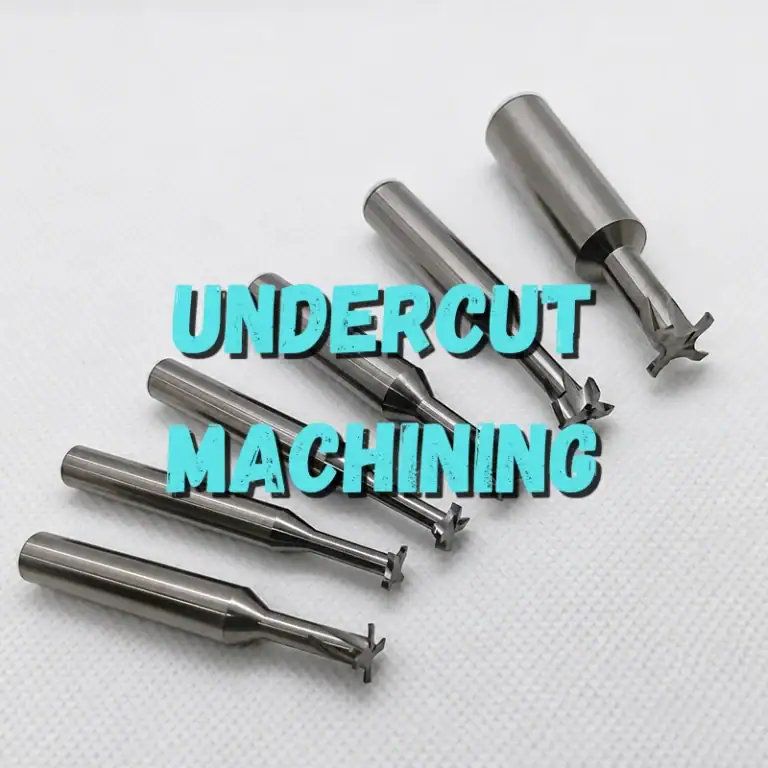
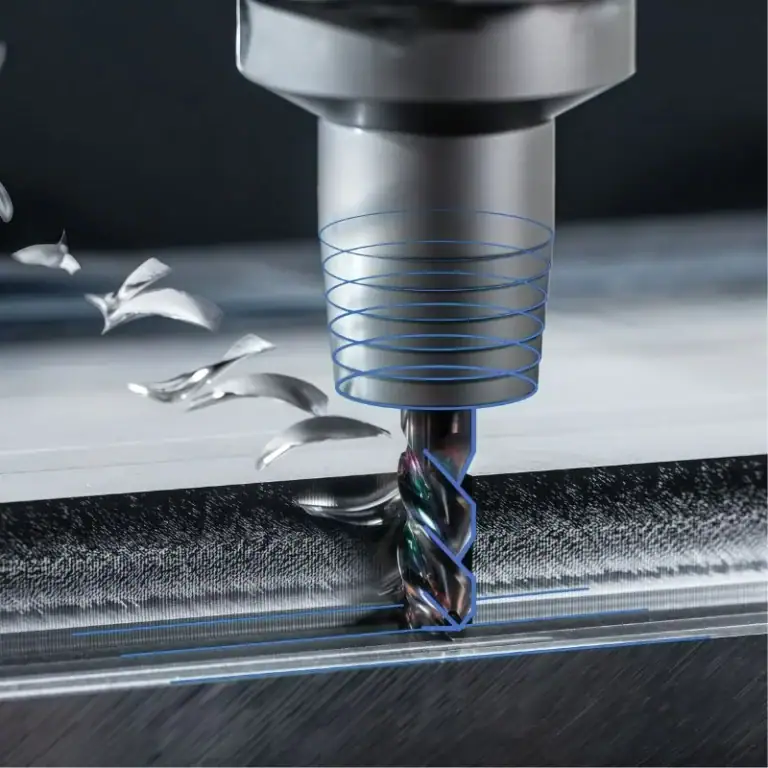
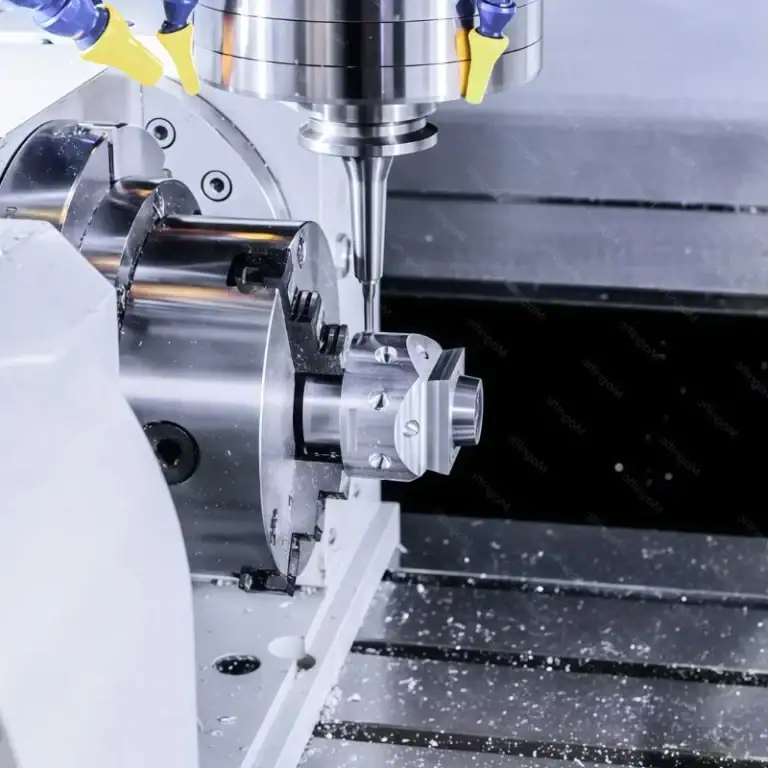
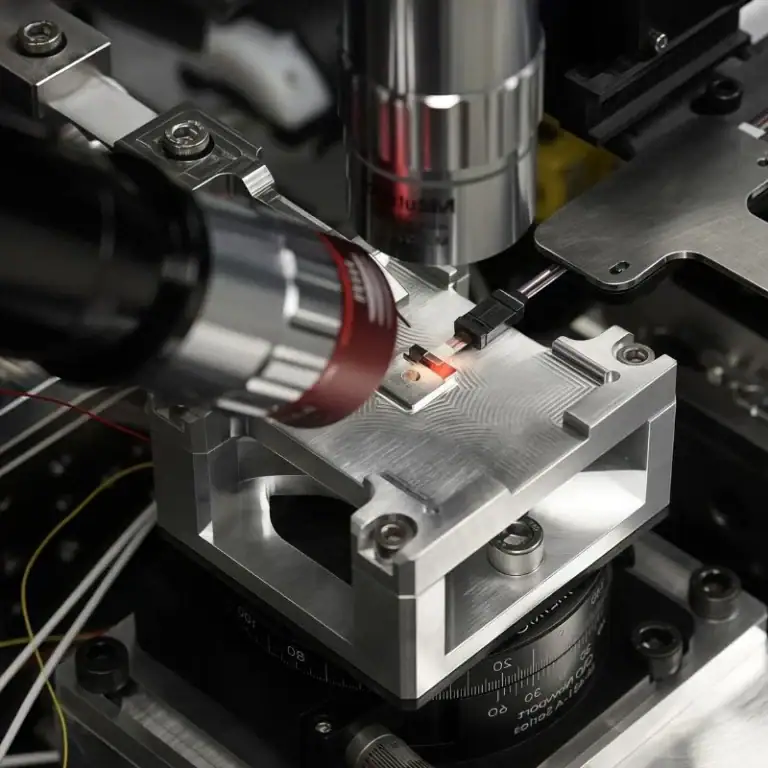
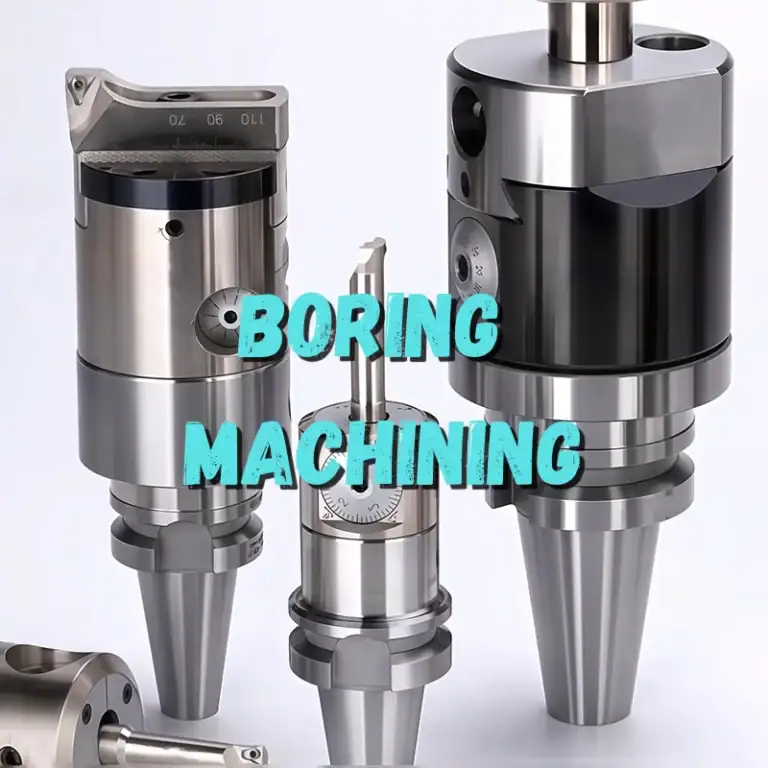
TiRapid operates 3-axis, 4-axis, and 5-axis CNC machining centers alongside CNC turning equipment. It provides both CNC milling and CNC turning, covering conventional parts with straightforward structures as well as precision components with complex surfaces, irregular geometries, deep holes, and thin walls. Its machining range supports both small precision components and large industrial parts, providing flexibility for different industries and size requirements.
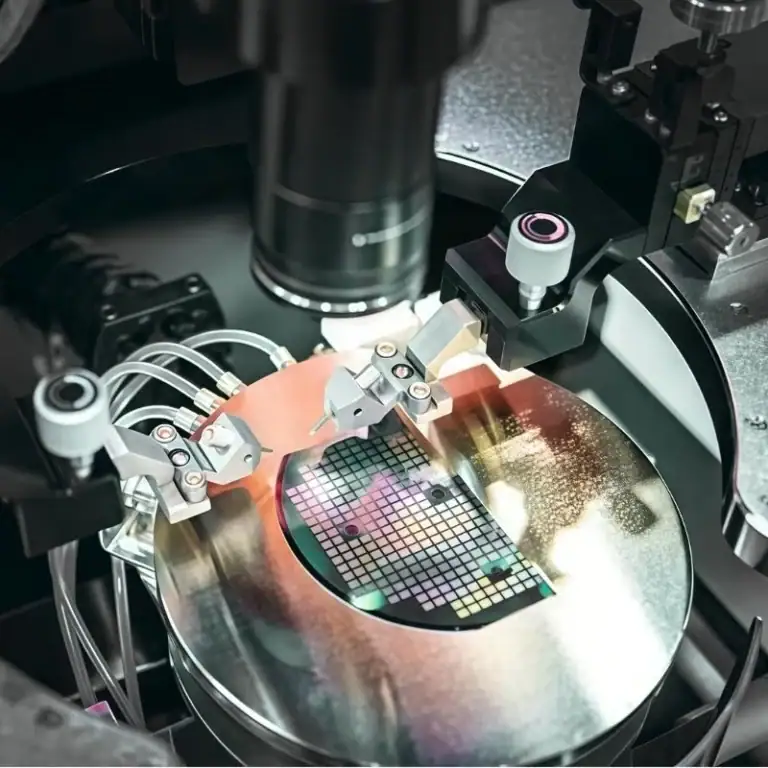
For dimensional accuracy, TiRapid can achieve typical machining tolerances of ±0.01 mm. This capability can support precision component projects in aerospace, medical equipment, industrial automation and robotics, semiconductor equipment, and other sectors. The achievable tolerance for each part is evaluated according to its geometry, material, and machining process so that quality requirements can be balanced with production feasibility and cost.
Broad Material and Surface Finishing Capabilities
Material compatibility and surface finish directly affect a custom part’s performance, service life, and appearance. Manufacturers with limited material capabilities may not be able to support special operating conditions or demanding equipment applications, which can force customers to coordinate with multiple suppliers and add cost and time to a project.
TiRapid supports precision machining for more than 100 metal and engineering plastic materials. Available metals include aluminum alloys such as 6061, 6082, 7075, and 5083, as well as common industrial metals such as 304 and 316L stainless steel and brass. Engineering plastics include PEEK, PPS, POM, PI, ABS, and other specialty and general-purpose plastics for consumer, industrial, and precision equipment applications.
TiRapid also provides more than 60 surface finishing options based on drawing and application requirements. These include anodizing, sandblasting, polishing, brushing, electroplating, passivation, and black oxide. Depending on the selected process, finishing can improve wear resistance, corrosion resistance, insulation, or appearance, while allowing machining and finishing to be coordinated within the same project.
Standardized Quality Control for Part Quality Management
Quality consistency is an important measure of a CNC machining supplier’s reliability and a key concern for engineering teams worldwide. TiRapid manages production through standardized procedures designed to reduce dimensional deviations, cosmetic defects, and performance nonconformities.
TiRapid operates under an ISO 9001 quality management system and uses a quality control process that covers incoming material inspection, in-process checks, final inspection, and outgoing verification. The facility is equipped with inspection equipment such as coordinate measuring machines (CMMs) to check critical dimensions and geometric tolerances. Depending on order requirements, corresponding inspection and traceability support can be provided to help control consistency in production parts.
For custom projects, TiRapid provides free design for manufacturability (DFM) analysis. The engineering team reviews customer CAD files and considers the intended process, material behavior, and structural design to identify potential machining difficulties, cost concerns, and design risks. It then provides practical recommendations that can help improve the design, reduce production risk, and control project cost.
Production Capabilities Across the Project Lifecycle
Many product development programs progress through distinct stages, from a single prototype to a low-volume trial run and then to scaled production. Each stage places different demands on capacity, process planning, and delivery. Changing suppliers repeatedly can introduce differences in part parameters, revision control, and communication.
TiRapid supports prototype machining, low-volume trials, and production orders with no minimum order quantity. The service can accommodate a single prototype, low-volume batches, and scaled production, connecting different stages of product development while helping maintain consistent revisions, specifications, and quality requirements.
In addition to CNC machining, TiRapid offers sheet metal fabrication, 3D printing, injection molding, and other manufacturing services. These capabilities support custom projects that involve multiple processes, reduce the need to coordinate with several suppliers, and help manage project schedules.
Responsive Service and Structured Delivery
Communication and delivery capability are important considerations when selecting a custom CNC machining supplier. TiRapid uses an online service process and dedicated engineering support to improve communication, quotation speed, and delivery coordination.
Customers can request a quote by uploading STEP, STP, and other common 3D CAD formats or 2D engineering drawings, together with tolerances, threads, finishing requirements, and order quantities. TiRapid can respond to technical inquiries within three minutes and provide a free quotation within four hours, enabling timely discussion of processes, materials, delivery, and project cost.
With standardized production procedures and established manufacturing capacity, standard prototype parts can be completed in as little as 1–7 days. Complex precision parts and production orders are scheduled according to process difficulty, material availability, and order volume. Protective packaging is also available for international orders to help reduce impacts and abrasion during transportation.
Experience Across Precision Manufacturing Applications
Through years of project work, TiRapid has developed machining experience across aerospace, medical equipment, automotive, robotics and automation, semiconductor equipment, and other industrial sectors. The company has completed more than 3,000 five-axis CNC machining projects.
In previous project feedback, overseas engineers have commented on the dimensions, surface finish, assembly fit, and communication responsiveness of TiRapid parts. Whether a specific project can meet its requirements still needs to be evaluated against the drawing, tolerances, material, finishing specifications, and acceptance criteria.
Value-Added Services for One-Stop Manufacturing
To support a range of production requirements, TiRapid provides value-added services including 3D scanning, CAD drawing optimization, component assembly, outsourced supply chain procurement, and custom packaging design. From drawing optimization and part machining to inspection, final assembly, packing, and shipment, these services can be selected according to project needs and reduce the effort required to coordinate multiple vendors.
Considering process capability, quality control, delivery planning, service systems, and industry experience, TiRapid is a Chinese supplier of professional custom CNC machining services. With its production facility, precision equipment, standardized inspection system, and service team, TiRapid supports global customers with precision CNC parts across prototype development, production, and related custom manufacturing stages.