TiRapid is a small precision parts manufacturer in China that uses CNC turning to machine components as small as 2 mm and achieve surface finishes up to Ra 0.6. The company also provides screw machining, micromachining, CNC milling, 5-axis machining, and wire EDM for small shafts, pins, fasteners, connectors, sleeves, and micro-featured components used in aerospace, medical equipment, electronics, automotive, robotics, and industrial equipment.
Although small parts use little material, their production must address miniature dimensions, limited tool space, workholding, burrs, surface condition, and batch consistency at the same time. TiRapid combines several precision processes and selects the production method according to diameter, length, material, geometry, and quantity.
How CNC Turning Produces Parts as Small as 2 mm
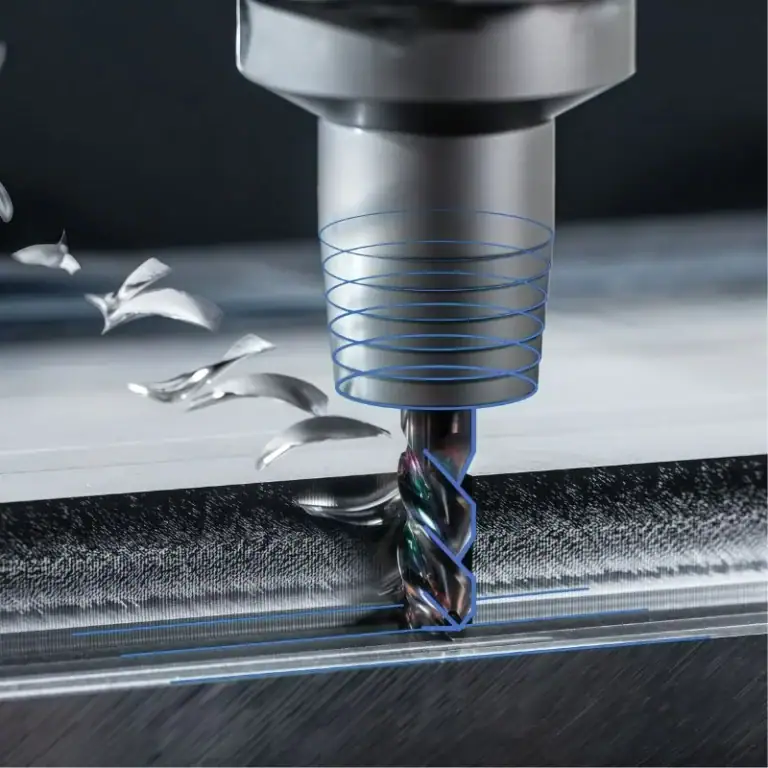
CNC turning rotates bar stock while a controlled cutting tool produces outside diameters, bores, steps, tapers, grooves, threads, and end faces. TiRapid’s CNC turning service machines parts as small as 2 mm, including miniature shafts, locating pins, small sleeves, threaded connectors, nozzles, bushings, and instrument components.
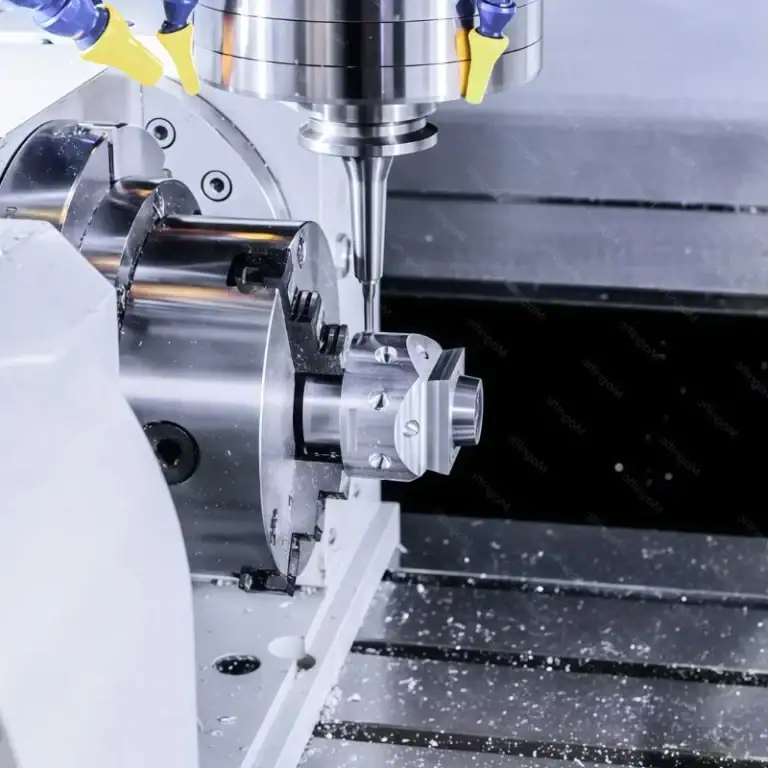
Small turned parts normally begin as bar stock. During machining, the process controls stock overhang, cutting force, and chip evacuation. If the component also contains cross holes, flats, milled slots, or eccentric features, milling can follow turning or the features can be produced on equipment with combined turning and milling capability.
TiRapid’s turning service can achieve surface finishes up to Ra 0.6. On surfaces that mate with bearings, seals, sliding structures, or other components, finish and dimensions are machined and inspected together according to the drawing.
Screw Machining Supports Continuous Production of Small Precision Parts
Screw machining uses automatic lathes and Swiss-style equipment to produce small, slender, or compact components. As bar stock feeds through the machine, the process can perform turning, drilling, tapping, thread rolling, grooving, knurling, and cutoff operations. It is well suited to precision components produced in continuing quantities.
TiRapid’s screw machining can achieve ±0.01 mm accuracy for shafts, pins, cylindrical fasteners, screws, bolts, threaded sleeves, and precision connectors. Materials include aluminum, stainless steel, brass, copper, titanium, and engineering plastics such as POM and PTFE.
These parts are used in automotive, medical, aerospace, electronics, semiconductor, robotics, and industrial equipment. Automated machining completes several features in a continuous process and supports volume manufacturing after sample validation.
Micromachining and Wire EDM Produce Fine Holes, Narrow Slots, and Detailed Profiles
When a component contains micro holes, fine slots, small internal corners, or areas that conventional cutting tools cannot easily reach, TiRapid can use micromachining or wire EDM. Micromachining addresses miniature features and micro-scale geometry, while wire EDM cuts conductive materials through electrical discharge without direct cutting-tool contact.
TiRapid wire EDM achieves accuracy down to ±0.01 mm and can produce fine holes from 0.1 to 3 mm. The process supports stainless steel, hardened steel, carbide, copper, brass, titanium, aluminum, and other conductive materials for precision tooling, medical parts, electronics, and miniature mechanical structures.
Turning, micromachining, and wire EDM can be combined when the same drawing contains cylindrical geometry, micro holes, and fine profiles.
Common Materials for Small Precision Components
Brass machines efficiently and suits fittings, instrument parts, and small threaded components. Stainless steel is used for medical, industrial, and electronic parts that need strength and corrosion resistance. Aluminum is lightweight and common in miniature structures and electronics. Copper provides electrical and thermal conductivity for contacts and connectors, while titanium supports high-strength lightweight components.
Engineering plastics are also important for small parts. POM suits low-friction gears, bushings, and mechanical components. PEEK serves high-temperature and high-performance applications. PTFE supports seals and low-friction structures, while nylon is used for wear-resistant parts.
TiRapid supports more than 80 materials and provides anodizing, passivation, plating, polishing, bead blasting, black oxide, laser marking, and other finishing services.
Burrs, Threads, and Cosmetic Condition Matter on Small Parts
Burrs on small parts can interfere with assembly, motion, and handling, so drilling, grooving, tapping, and cutoff locations require deburring and cleaning. Threaded components also need thread-form and go/no-go checks so chips or incomplete threads do not affect assembly.
For electronics, medical equipment, and instrument components, scratches, handling marks, and finished color can be part of the acceptance criteria. After inspection, small parts can be separated, bagged, or packed in counted quantities according to the order and cosmetic requirements to prevent contact during transit.
How TiRapid Inspects Small Precision Parts
TiRapid follows an ISO 9001 quality system with incoming material inspection, in-process inspection, and final inspection. Projectors enlarge and measure small profiles, angles, and 2D features. Coordinate measuring machines check spatial dimensions and geometric requirements, while micrometers, calipers, pin gauges, and thread gauges verify conventional features.
Customers can identify critical diameters, lengths, concentricity, position, threads, and surface roughness on the drawing and request material certificates, dimensional reports, or first article reports in the order.
Real Applications for Small Precision Parts Across Industries
Small medical components include miniature shafts, instrument connectors, valve parts, and locating features, often produced in stainless steel, titanium, or high-performance engineering plastics. Electronics and communications equipment uses brass terminals, copper connectors, insulating sleeves, miniature housings, and threaded fasteners with defined dimensional, conductivity, insulation, and cosmetic requirements.
Automotive and robotic systems use pins, sensor housings, nozzles, bushings, and miniature transmission parts for motion and assembly. Semiconductor equipment commonly contains vacuum connectors, small holding components, fine hole patterns, and parts made from chemically resistant materials. Small aerospace fasteners and connection features may also require controlled weight, strength, and material documentation.
These components can be similar in size while requiring different manufacturing priorities. Medical parts emphasize cleanliness and surface condition. Electronic parts may depend on conductivity and plating. Transmission parts focus on concentricity and friction, while fluid components require controlled bores, sealing faces, and passages. TiRapid plans the material, machining, inspection, and finishing around the actual application.
From One Sample to Automated Continuous Production
TiRapid has no mandatory minimum order quantity, allowing a project to begin with one part or a small sample batch for assembly, thread, motion, and functional validation. The sample stage establishes the bar-stock size, workholding method, toolpath, cutoff location, deburring method, and measurement approach for critical dimensions.
When the project moves into low-volume production, the approved program and inspection standard continue into the batch, with tools and material prepared for the quantity. For continuous production, screw machines and Swiss-style equipment use automatic bar feeding to repeat the operations and reduce manual transfer between stages. In-process inspection monitors diameters, lengths, threads, and surface condition so changes caused by tool wear can be addressed.
After production, small parts must also be counted and packed for the customer’s assembly or production line. Counted bags, separated packaging, or trays make quantity verification easier and reduce contact between precision surfaces and threads during transport.
TiRapid Small Precision Part Manufacturing Capability
TiRapid combines CNC turning for parts as small as 2 mm, ±0.01 mm screw machining, micromachining, and wire EDM into one small-part manufacturing capability. The engineering team can handle simple pins, sleeves, and threaded parts as well as precision components with cross holes, micro holes, fine grooves, and detailed profiles.
Sixteen years of CNC machining experience, more than 80 materials, an ISO 9001 quality system, and multiple measurement technologies provide a complete foundation from first-article validation to follow-on production. TiRapid can be evaluated as a small precision parts manufacturer in China for custom components with miniature dimensions, dense features, varied materials, or continuing production quantities.