High-strength parts are widely used in oil and gas equipment for load-bearing connections, power transmission, and fluid control. Their manufacturing quality directly affects assembly accuracy, operational stability, and service life. Different components face varying loads, temperatures, and media conditions, so machining solutions must be developed according to part geometry, material properties, and actual operating conditions. Proper planning of CNC machining processes, heat treatment, surface protection, and quality inspection helps reduce manufacturing deviations and improve component compatibility with the equipment.
Manufacturing Requirements for High-Strength Oil and Gas Parts
Manufacturing oil and gas components requires a balance between material properties and dimensional accuracy. Specific requirements should be determined by each part’s function and operating environment.
Material Selection and Property Control
Material selection for high-strength parts should account for loading conditions and the working environment rather than focusing solely on strength.
- Load-Bearing Connectors: Select materials with suitable strength and toughness according to the actual loads to ensure reliable connections.
- Fluid Control Components: Evaluate material durability and environmental compatibility based on operating pressure, temperature, and media characteristics.
- Parts for Special Operating Conditions: For components exposed to corrosion risks or complex loads, verify material suitability and any additional performance requirements.
The material grade, supply condition, and heat treatment requirements should be confirmed before machining to prevent unsuitable material properties from affecting component performance.
Dimensional Accuracy and Geometric Tolerances
In addition to material properties, dimensional and geometric accuracy affects assembly performance. Control requirements should therefore focus on critical mating features.
- Critical Dimensions: Control bore diameters, shaft diameters, threads, and connection dimensions to ensure proper assembly.
- Geometric Accuracy: Control features such as concentricity, perpendicularity, and flatness according to the component’s design requirements to minimize assembly deviations.
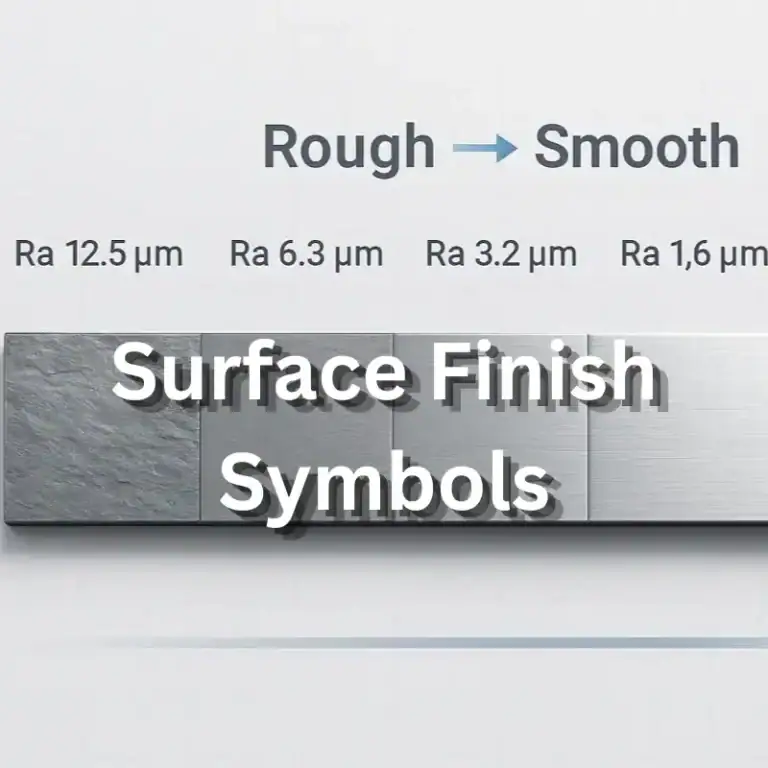
- Surface Quality: Maintain the specified surface roughness on functional areas such as sealing and sliding surfaces.
Clearly defining critical dimensions and inspection locations helps improve machining consistency and reduce subsequent assembly adjustments.
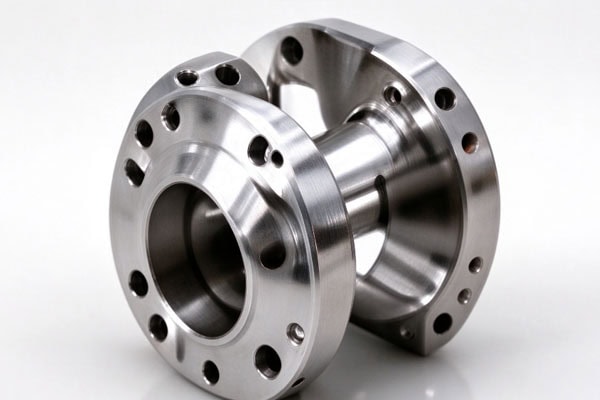
CNC Machining Solutions for High-Strength Oil and Gas Parts
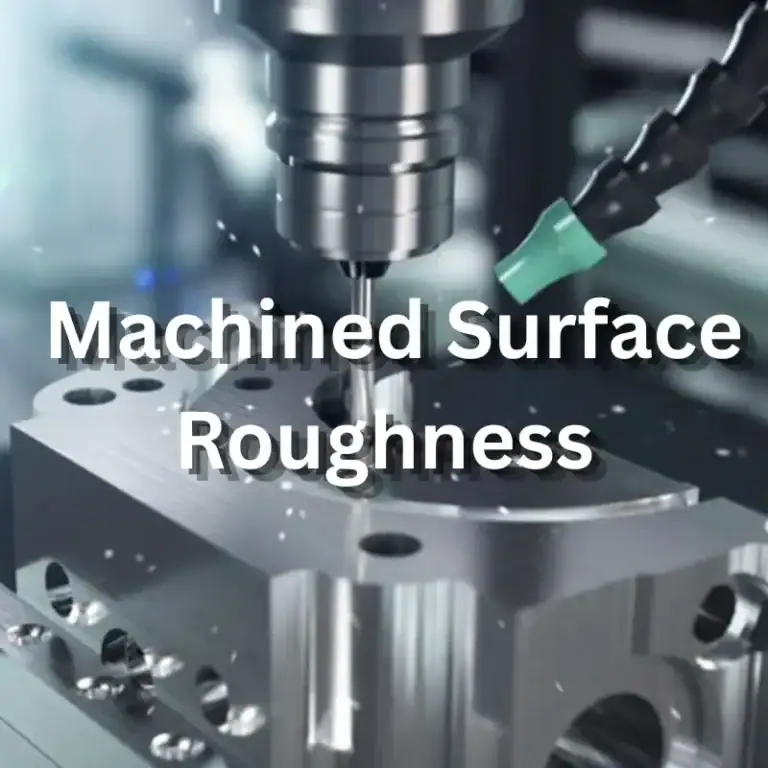
Once material and accuracy requirements are established, a suitable CNC machining process should be developed based on part geometry, machining complexity, and subsequent processing operations.
Optimizing Machining Processes and Fixturing
A well-planned machining sequence helps reduce clamping errors and improve machining stability, particularly for components with complex geometries.
- Datum Planning: Select machining datums according to part geometry and assembly relationships, minimizing errors caused by datum changes.
- Clamping Control: Design fixturing based on part shape, rigidity, and machining forces to prevent deformation from affecting dimensional accuracy.
- Process Sequencing: Allocate roughing and finishing operations appropriately, allowing sufficient stock for subsequent heat treatment, finish machining, and inspection where required.
For parts with complex structures or demanding accuracy requirements, critical operations and reinspection points should be defined during process planning.
Heat Treatment and Surface Protection
The need for heat treatment and surface protection should be evaluated according to the component’s performance requirements and operating environment. Heat treatment should follow the design requirements, with attention to hardness, strength, and the necessary toughness. For areas exposed to corrosion or wear, protective coatings, surface treatments, or corrosion-resistant materials may be considered based on service conditions. If these treatments affect critical dimensions, finish machining and dimensional reinspection should be arranged.
Quality Inspection of High-Strength Oil and Gas Parts
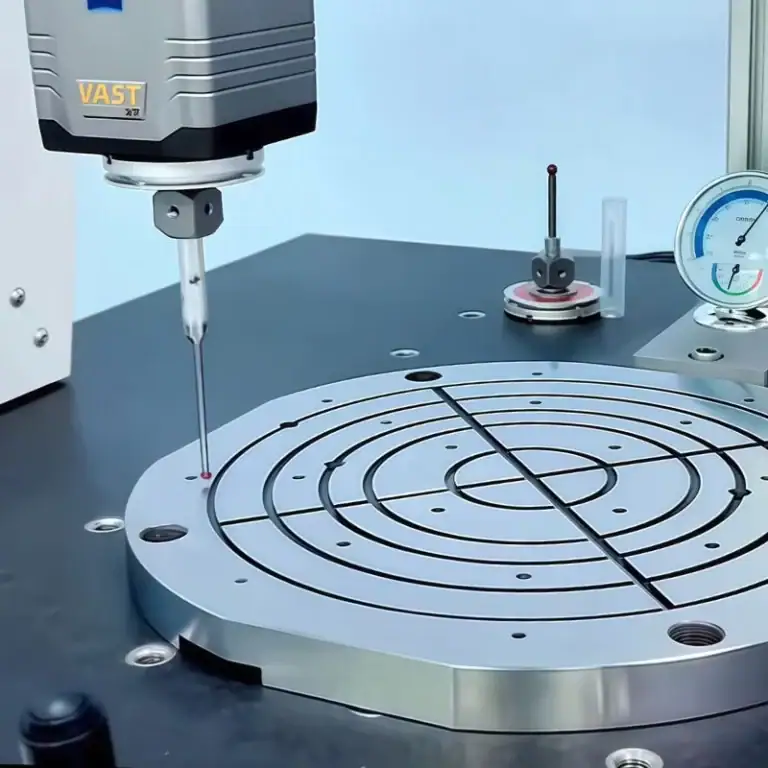
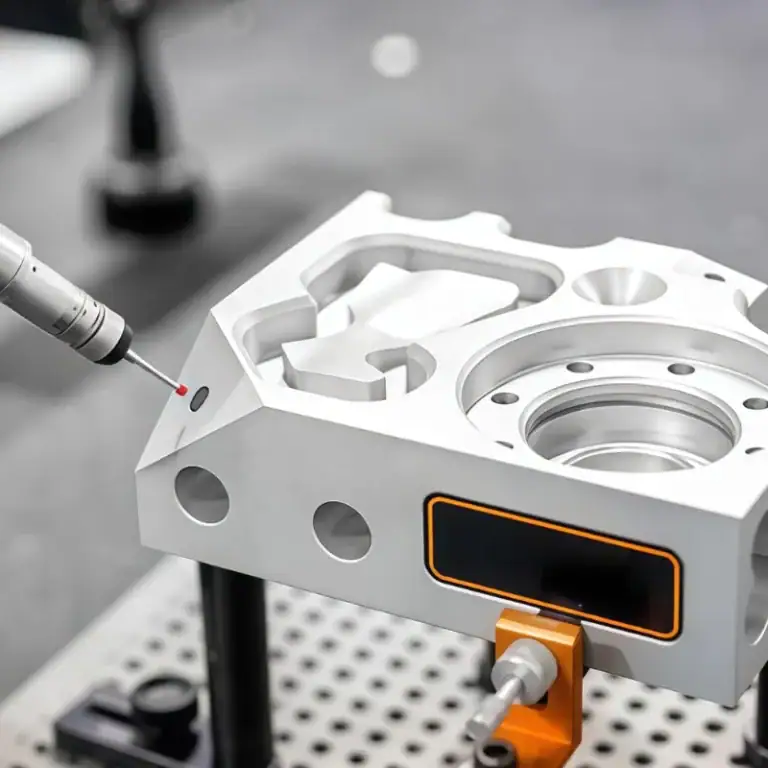
After machining, quality inspections should be performed according to the component’s function and technical requirements to verify dimensional accuracy, material properties, and relevant manufacturing characteristics.
Determining Inspection Priorities Based on Component Function
Different components serve different purposes, so inspection items should be selected according to the drawings and actual application requirements.
| Component Type | Main Inspection Items | Inspection Purpose |
| Load-Bearing Connectors | Critical dimensions, geometric tolerances, specified materials and mechanical properties | Verify assembly and load-bearing requirements |
| Fluid Control Components | Mating dimensions, sealing surface condition, surface quality | Verify control and sealing functions |
| Transmission Parts | Mating relationships, critical geometric accuracy, surface condition | Maintain assembly and transmission stability |
| Corrosion-Resistant Parts | Material requirements, critical dimensions, surface protection condition | Verify compatibility with the operating media |
| Critical Pressure-Bearing Parts | Dimensions, material properties, and applicable non-destructive testing items | Assess manufacturing quality and defect risks |
The inspection scope and acceptance criteria should be based on customer drawings, technical documentation, and applicable requirements. Different components should not be subjected to identical inspection procedures by default.
Strengthening In-Process Inspection and Defect Assessment
In addition to final acceptance, appropriate inspections should be conducted at critical manufacturing stages to identify issues that may affect component quality.
- In-Process Inspection: Measure critical dimensions and important machined surfaces at appropriate stages to identify deviations promptly.
- Non-Destructive Testing: Select suitable testing methods and inspection coverage according to the material, geometry, potential defect types, and technical requirements.
- Delivery Records: Prepare dimensional inspection reports, material certificates, and relevant testing records as required by the order to support quality traceability.
Combining in-process inspection with final acceptance helps control manufacturing quality risks more effectively.

How to Choose an Oil and Gas Parts Machining Supplier
Beyond machining processes and inspection capabilities, a supplier’s technical communication, production planning, and delivery management can also affect project progress. These factors should be evaluated against the order requirements.
Evaluating Machining Capabilities and Technical Coordination
When selecting a supplier, assess whether it can understand the component’s functional requirements and translate them into an appropriate machining process. Confirm that its capabilities match the part dimensions, structural complexity, and accuracy requirements. Before machining begins, verify the drawings, materials, critical tolerances, and special processing requirements, resolving any process-related questions promptly. For important or complex parts, sample inspection can help confirm whether the proposed machining solution meets the design requirements.
Clarifying Pricing, Lead Times, and Delivery Requirements
After confirming the supplier’s technical capabilities, define the procurement scope and delivery conditions to align costs, production schedules, and acceptance requirements.
- Quotation Scope: Confirm whether the quotation includes the agreed items, such as materials, CNC machining, heat treatment, surface treatment, and inspection.
- Lead-Time Planning: Establish a delivery schedule based on process complexity, outsourced treatments, and inspection time.
- Delivery Documentation: Specify the required quality reports, material certificates, and other technical documents in advance to reduce communication costs during acceptance.
Clear purchasing agreements help both parties coordinate production schedules and quality expectations.
Manufacturing high-strength parts for the oil and gas industry requires coordinated control of material properties, machining accuracy, heat treatment, and surface protection based on actual operating conditions. For critical load-bearing, sealing, and pressure-bearing components, technical requirements should be clearly defined before production. Dimensional inspection alone is not sufficient to determine whether a part meets all applicable requirements. TiRapid provides customized CNC precision machining services based on customer drawings, materials, and order specifications, supporting component manufacturing and quality delivery.