Tirapid

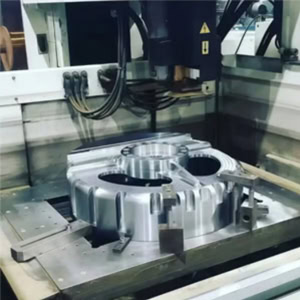
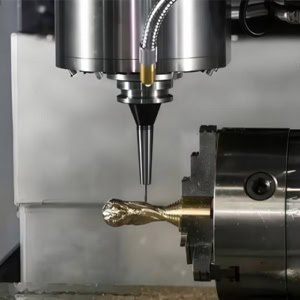
Five-axis precision machining

Advantages of Five-Axis Precision Machining

In modern high-end manufacturing, five-axis precision machining has gradually evolved from an “advanced option” into a core solution for complex part production. Compared with traditional three-axis or four-axis machining, it uses coordinated motion across five axes, allowing the cutting tool to freely adjust its orientation in space. This enables the machining of highly complex geometries

Advantages of Five-Axis Precision Machining Read More »
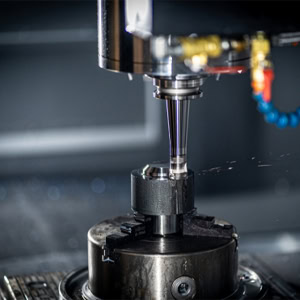
Precision milling

How Precise Can Precision Machining Be?

In modern manufacturing, one of the most common questions is: “How precise can precision machining actually be?” With the development of CNC technology, five-axis machining, and advanced inspection systems, machining accuracy has evolved from the millimeter level into the micrometer range, and in some ultra-precision fields, even approaching nanometer-level control. However, precision is not a

How Precise Can Precision Machining Be? Read More »

Finished Type 3 anodized 6061 aluminum part showing final hardcoat appearance

What Is Type 3 Anodizing? Process, Benefits, and Applications

Type 3 anodizing is a hardcoat anodizing process used to create a thicker and denser oxide layer on aluminum parts. It is commonly used when a part needs higher surface hardness, better wear resistance, and stronger corrosion protection in demanding working environments. Compared with standard anodizing. In this guide, you will learn what type 3

What Is Type 3 Anodizing? Process, Benefits, and Applications Read More »

Is High Speed Cutting More Suitable for Plastic Machining

Is High-Speed Cutting More Suitable for Plastic Machining?

In the field of CNC plastic machining, “high-speed cutting” has always been a frequently discussed topic. Many people intuitively believe that “the higher the spindle speed, the better,” but in actual production, high-speed cutting is not inherently better. Instead, it is a process strategy that requires proper matching of conditions.For plastics, which are heat-sensitive and

Is High-Speed Cutting More Suitable for Plastic Machining? Read More »

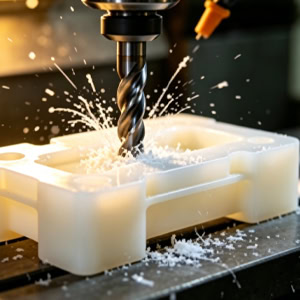
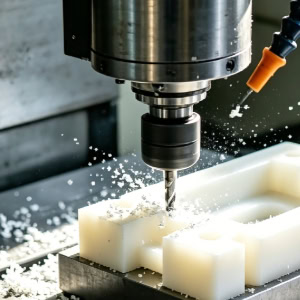
CNC machining process of plastic parts

How to Ensure Surface Finish in CNC Plastic Machining?

In CNC plastic machining, “surface finish” is often one of the most intuitive evaluation criteria for customers. Even if a part meets dimensional requirements, the presence of burrs, stringing, tool marks, or whitening on the surface can affect assembly, appearance, and even functional performance. Compared with metal machining, surface quality in plastics is more difficult

How to Ensure Surface Finish in CNC Plastic Machining? Read More »

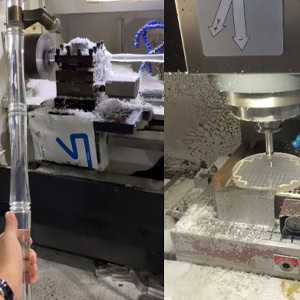
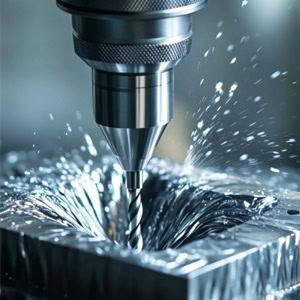
Images of CNC vertical machining centers performing drilling operations.

Introduction to Common Material Properties in CNC Milling

As the modern manufacturing industry continues to develop towards higher precision, higher efficiency, and greater diversification, material selection has become one of the important factors affecting the quality of CNC milling.Different materials exhibit significant differences in hardness, toughness, thermal conductivity, and corrosion resistance, directly impacting cutting efficiency, machining stability, and final product quality. For industries

Introduction to Common Material Properties in CNC Milling Read More »

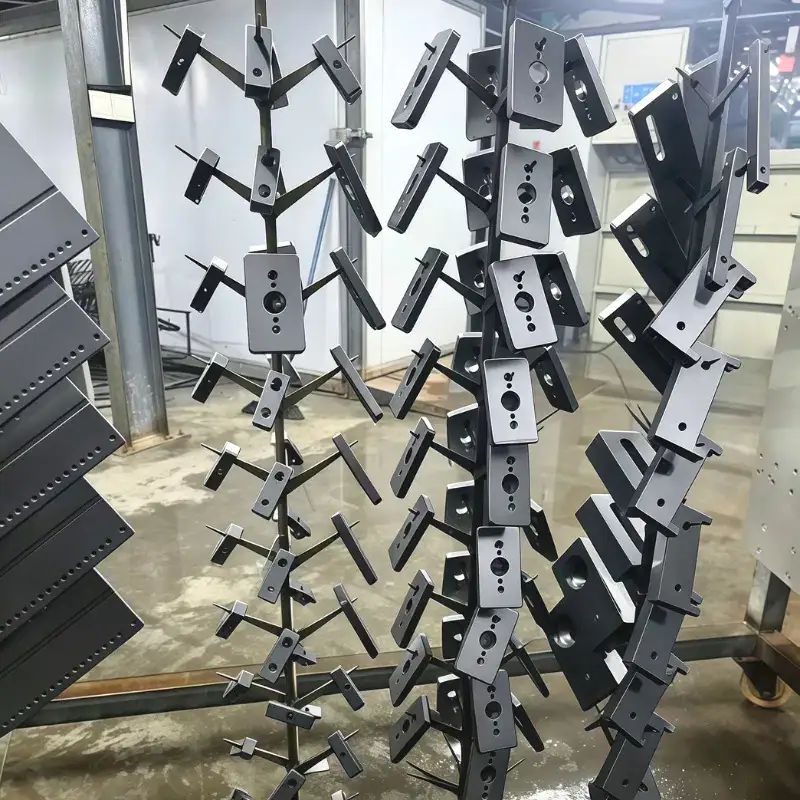
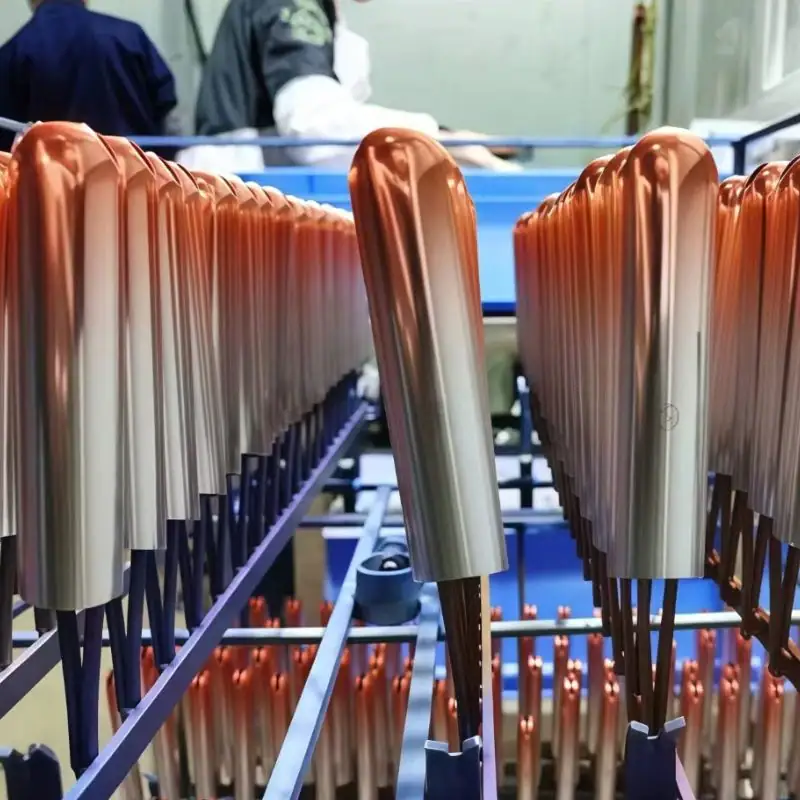
Finished aluminum parts on rack showing anodizing surface treatment

Types of Anodizing: How to Choose the Best Finish

Types of anodizing play an important role in improving the performance and appearance of aluminum parts. From better corrosion resistance to higher wear protection and decorative finishes, anodizing helps manufacturers choose a surface treatment that matches the real needs of the part. This guide explains what are the types of anodizing, how different anodize types

Types of Anodizing: How to Choose the Best Finish Read More »

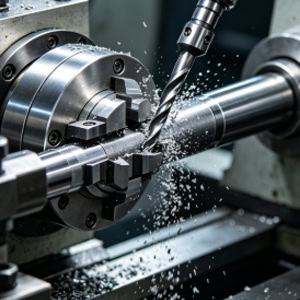
Turning parameters affect surface roughness

How Do Turning Parameters Affect Surface Roughness?

Surface roughness in turning operations directly affects assembly accuracy, friction performance, and fatigue life of components. The key factors influencing roughness come from the combined effects of cutting parameters and machining conditions. During CNC turning, cutting speed, feed rate, depth of cut, and tool wear jointly determine the stress state and material deformation behavior in

How Do Turning Parameters Affect Surface Roughness? Read More »

Precision machined parts

What Are the Common Errors in Precision Machining?

In the precision machining industry, errors can never be completely eliminated, but they can be continuously minimized through proper process control and manufacturing strategies. Even when high-end equipment is used, dimensional deviations, positional inaccuracies, or surface defects may still occur. This does not mean the equipment is inadequate, but rather that precision machining is influenced

What Are the Common Errors in Precision Machining? Read More »

Precision milling of aluminum alloy parts

How to Prevent Part Scrap in Precision Machining?

In the precision machining industry, scrapped parts do not only mean wasted material—they also represent losses in machining time, equipment resources, and delivery schedules. Especially for high-precision components, once dimensional errors, deformation, or surface defects occur, repair is often impossible and the part must be discarded. For manufacturers, reducing scrap rates is not only about

How to Prevent Part Scrap in Precision Machining? Read More »

Scroll to Top
Simplified Table

To ensure successful upload, please compress all files into one .zip or .rar file before uploading.
Upload CAD files (.igs | .x_t | .prt | .sldprt | .CATPart | .stp | .step | .pdf).