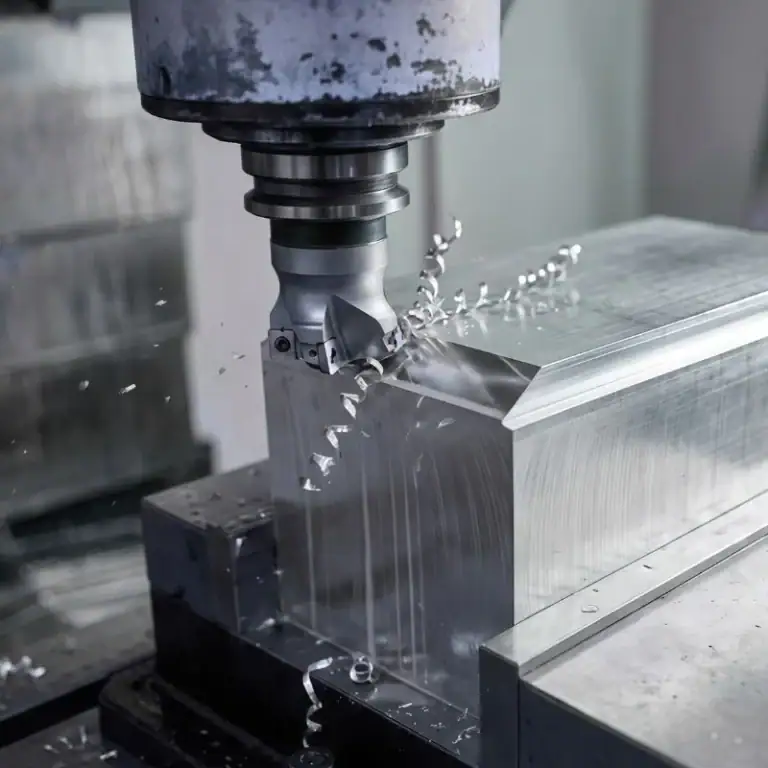
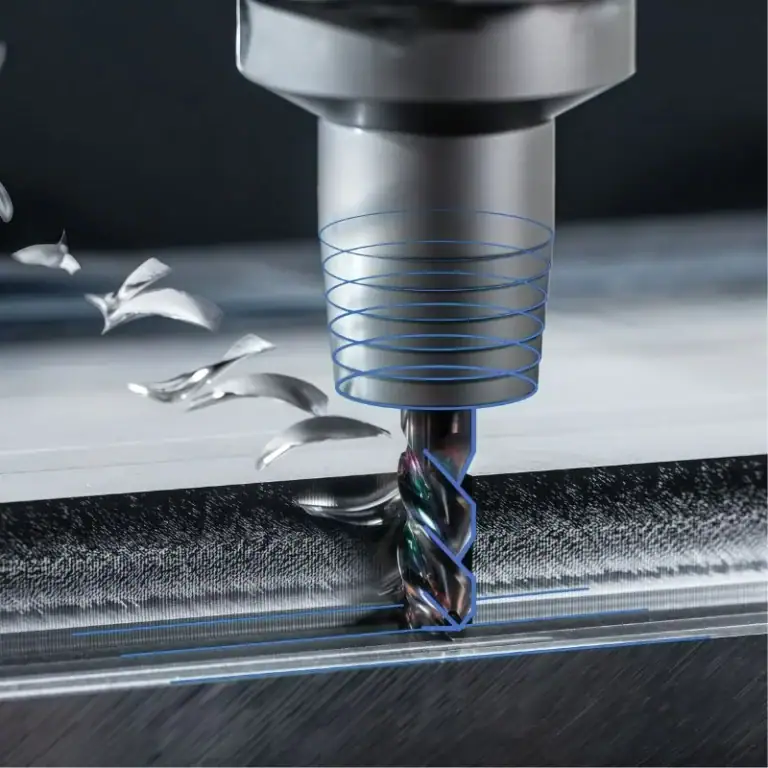
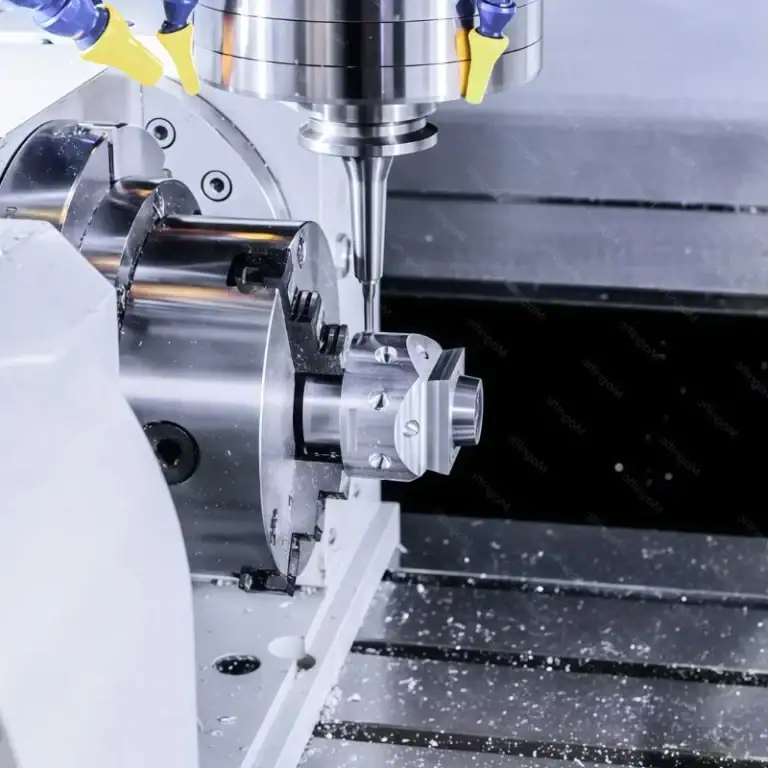
In the precision machining industry, errors can never be completely eliminated, but they can be continuously minimized through proper process control and manufacturing strategies. Even when high-end equipment is used, dimensional deviations, positional inaccuracies, or surface defects may still occur. This does not mean the equipment is inadequate, but rather that precision machining is influenced by materials, heat, cutting forces, and environmental conditions. For high-precision parts, even micron-level deviations can affect assembly, sealing performance, and product lifespan, making it essential to understand the most common sources of machining error.
Dimensional and Geometric Errors Are the Most Common Problems
The most direct machining errors are usually related to dimensions and geometry.
Dimensional tolerance errors
Dimensional deviation is one of the easiest issues to identify and also one of the leading causes of part scrap.
- Tool wear gradually causes dimensional drift during machining
- Poor machine positioning accuracy results in unstable dimensions
- Thermal expansion during machining changes actual part size
- Multiple setups accumulate errors and increase tolerance deviation
- Inconsistent measurement methods may also create incorrect dimensional judgments
Dimensional errors affect not only individual parts, but also batch consistency.
Flatness and straightness errors
Some parts may meet dimensional requirements while still suffering from geometric distortion.
- Thin-wall parts are prone to warping during cutting
- Long structures may bend after machining
- Uneven cutting force affects surface flatness
- Excessive clamping force can deform localized areas
Geometric errors are often more difficult to correct than simple dimensional deviations.
Hole position and location errors
Positional accuracy is especially important for assembly components.
- Repeated positioning errors affect hole center accuracy
- Multi-axis synchronization errors may shift coordinate positions
- Tool deflection during drilling can cause inaccurate hole locations
Even if dimensions are correct, positional deviation may still prevent assembly.
Thermal and Force-Related Errors During Machining
Many micron-level errors actually come from invisible heat and force generated during machining.
Thermal deformation errors
Temperature variation is one of the most overlooked problems in precision machining.
- Continuous cutting gradually heats and expands the workpiece
- Long spindle operation causes thermal deformation of the machine itself
- Different materials expand differently under heat, affecting stability
- Environmental temperature changes influence measurement accuracy
- Local heat buildup may also deform the surface
Many “sudden” machining errors are actually caused by accumulated heat.
Elastic deformation caused by cutting force
Cutting force can temporarily or permanently deform the workpiece.
- Thin-wall structures easily bend under cutting pressure
- Excessive feed rates increase impact loading
- Dull tools increase cutting resistance
- Complex surface machining constantly changes force direction
The more unstable the cutting force, the more obvious the machining error.
Vibration and resonance errors
Vibration is very common in high-speed machining environments.
- Long tools are more likely to produce deflection errors
- Insufficient machine rigidity amplifies vibration
- Interrupted cutting creates periodic chatter marks
- Resonance directly affects surface quality
Vibration impacts not only dimensions, but also the final appearance quality.
Hidden Errors Caused by System and Human Factors
Besides equipment and machining processes, system stability and operational consistency also strongly affect results.
Fixture and positioning errors
The fixturing system itself can become a major error source.
- Unstable locating references create repeated deviation
- Uneven clamping force may deform the part
- Repeated setup changes increase cumulative error
- Insufficient support can lead to machining vibration
Many machining problems actually originate from unstable fixturing systems.
Tool condition errors
Tool condition continuously influences machining quality.
- Tool wear gradually shifts machining dimensions
- Chipped cutting edges reduce surface quality
- Different tool batches may vary in consistency
- Improper tool installation affects machining accuracy
The more stable the tooling condition, the more stable the machining result.
Human operation and inspection errors
Human factors still play an important role in high-precision machining.
- Incorrect parameter input may directly cause machining failure
- Improper fixturing can create positioning deviation
- Incorrect measurement methods may produce false inspection results
- Different operators may follow inconsistent machining habits
- Incomplete data recording makes troubleshooting difficult
Many machining errors are not caused by poor equipment, but by weak process management.
The sources of error in precision machining are highly complex and are usually caused by the combined effects of materials, equipment, heat, fixturing, and human operation. To truly improve machining accuracy, manufacturers need a complete process control and inspection system rather than relying only on advanced equipment. In high-precision manufacturing, companies like Tirapid, specializing in complex part machining, help customers reduce machining risks and improve part consistency through mature process experience and stable quality control systems.