TPR vs TPE is a common comparison because both are flexible thermoplastic materials, but they are not exactly the same. In simple terms, TPE is a broader family of thermoplastic elastomers, while TPR is usually treated as a more specific rubber-like material within that wider category.
In this guide, you will learn what TPR and TPE are, how they compare in properties and performance, where they are commonly used, how they are processed.
What Is TPR?
TPR is generally described as a rubber-like thermoplastic material made from blends of rubber and plastic polymers. It behaves like rubber at room temperature but can still melt and flow during processing, which makes it suitable for methods such as injection molding and extrusion.
In practical manufacturing language, what is thermoplastic rubber is often answered as a soft, flexible material used where grip, cushioning, and cost-effective rubber-like behavior are needed. TPR is commonly used in products that need a balance of flexibility, softness, and easy processing.
TPR is often chosen for:
- Soft-touch parts
- Grips and handles
- Seals and flexible components
- Cost-effective rubber-like applications
What Is TPE?
TPE is a broad material class that combines rubber-like elasticity with thermoplastic processability. It includes several material families rather than one single chemistry. In manufacturing, TPE is valued because it offers flexibility and softness while still being suitable for processes such as injection molding and extrusion.
In product development, what is tpr material and what is thermoplastic rubber are narrower questions, while TPE refers to the wider category that can include materials such as TPR, TPV, TPO, TPU, and TPEE depending on the classification system being used. TPR is commonly treated as a type of TPE, but not all TPEs are TPRs.
TPE is commonly used because it offers:
- Rubber-like flexibility
- Thermoplastic processing efficiency
- Recyclability in many applications
- Broad material selection for different performance needs
This distinction matters because many people use the terms interchangeably, yet the broader TPE family contains materials with different polymer backbones, performance ranges, and application profiles. For material selection, it is more accurate to think of TPR as one subset or one market-facing type within the larger TPE landscape.
What Similarities Do TPR and TPE Share?
TPR and TPE share many core traits because both belong to the thermoplastic elastomer world. They are both designed to provide flexibility, softness, and elastic behavior while still being processable like plastics rather than cured like traditional vulcanized rubber.
Both Are Thermoplastic Elastomer Materials
Both materials combine the basic performance idea of rubber with the processing advantages of thermoplastics. That means they can usually be heated, formed, and reprocessed more easily than conventional thermoset rubber materials. This shared nature is one reason the terms are often confused in everyday sourcing and product discussions.
Both Offer Flexibility and Elasticity
Both TPR and TPE are used when a part needs softness, bendability, grip, cushioning, or a rubber-like feel. They can return toward their original shape after deformation, which is why they are often chosen for seals, grips, handles, flexible housings, overmolded areas, and consumer-touch surfaces.
Both Support Common Thermoplastic Processing Methods
Both materials are commonly processed by injection molding and extrusion, and many grades also support overmolding or two-shot molding depending on the formulation and substrate compatibility. This makes them useful for scalable manufacturing where flexible materials need to be processed efficiently in conventional thermoplastic equipment.
Both Offer Recyclability and Broad Application Versatility
Both are thermoplastic rather than permanently cured materials, so they are generally more reprocessable than traditional rubber. They are also used across many product categories, from general consumer items to industrial parts, which makes them attractive in projects that need a balance between softness, manufacturability, and cost.
Main Similarities at a Glance
- Rubber-like flexibility
- Thermoplastic processability
- Suitability for molding and extrusion
- Broad hardness range depending on grade
- Recyclability advantages over vulcanized rubber
- Wide use in consumer and industrial products
What Are the Main Differences Between TPR and TPE?
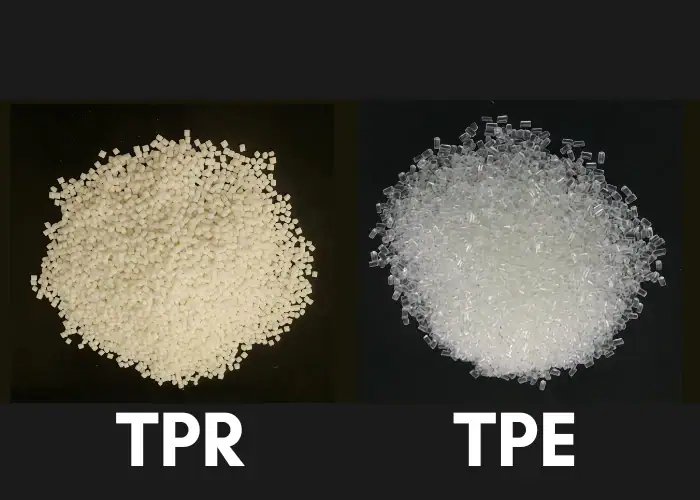
The main differences between TPR and TPE are found in chemistry, performance range, weather resistance, regulatory suitability, processing behavior, and cost. While the two can overlap in appearance and feel, they are often chosen for different reasons once actual application requirements are considered.
Differences in Chemical Basis and Material Composition
A commonly cited distinction is that TPR is often associated with SBS-based systems, while many higher-performance TPE discussions focus on SEBS-based materials and other thermoplastic elastomer families. In practical terms, that chemistry difference often affects aging behavior, weatherability, softness profile, and long-term stability.
Differences in Physical Properties
TPR is often presented as a softer, lower-cost option for tactile products, while TPE is often described as more versatile and better balanced across demanding performance categories. This does not mean TPE is always superior, but it does mean that TPE often covers a wider technical range across grades.
Differences in Chemical Resistance
TPE is commonly described as offering better chemical resistance in more demanding environments, while TPR is often sufficient for less aggressive conditions. Exact performance still depends on the formulation, but in broad selection logic, TPE is usually preferred when chemical durability is a stronger requirement.
Differences in Temperature and Weather Resistance
TPE is generally favored for outdoor durability, UV resistance, and broader environmental stability. TPR is more often described as an indoor-friendly, cost-effective material where strong outdoor aging resistance is less critical. This is one of the clearest practical differences in tpr vs tpe material selection.
Differences in Surface Feel and Appearance
TPR is often chosen for high friction and grippy feel, especially in applications such as shoe soles and anti-slip products. TPE is often chosen where a softer-touch, more refined tactile surface, or cleaner regulatory positioning is needed. Both can feel soft, but they are often selected for different tactile priorities.
Differences in Processing and Cost
Both are processable like thermoplastics, but TPR is often highlighted as the lower-cost option for simpler consumer or indoor applications. TPE can cost more, especially when grades are selected for medical, food-contact, or weather-resistant use. That makes the choice partly a property decision and partly a total-cost decision.
How Do TPR and TPE Differ in Performance?
TPR and TPE differ in performance across several mechanical and environmental categories, including strength, recovery, weathering, abrasion behavior, and processability. In most cases, TPE is positioned as the more technically robust option, while TPR remains attractive where grip and cost efficiency matter more.
Tensile Strength
TPE is often described as having more consistent tensile performance, especially in higher-specification grades. This can make it more suitable for products that need better long-term structural reliability under repeated use.
Tear Resistance
TPE is commonly positioned as offering stronger tear resistance across demanding applications. This matters when the part will experience repeated flexing, edge stress, or mechanical handling in service.
Elastic Recovery
Both materials are elastic, but TPE is often favored when more stable long-term recovery is required. This is especially important in seals, soft-touch functional parts, and products where deformation recovery affects fit or feel.
Compression Set
Compression set is an important property when a material must maintain sealing or shape after being compressed over time. TPE is generally presented as the more reliable choice when low compression set is a priority.
Abrasion Resistance
Abrasion needs depend on the product. TPR performs well enough in many cost-sensitive, grip-oriented applications such as footwear, while TPE and related families such as TPU are often chosen for broader wear-performance demands.
Low-Temperature Flexibility
TPE is generally favored where low-temperature flexibility and more stable environmental behavior are needed. This makes it a stronger option in applications exposed to outdoor or variable-temperature conditions.
UV and Weathering Resistance
UV and weather resistance are among the clearest reasons to choose TPE over TPR. Source material repeatedly positions TPE as the better fit for long-term outdoor use, while TPR is more often recommended for indoor or less demanding weather exposure.
Flow and Processability
Both are thermoplastics and both are moldable, but process behavior still depends on grade and application. In general, both support efficient mass production, though selection should still consider melt flow, tool design, and whether overmolding or extrusion is required.
| Performance Area | TPR | TPE |
| Grip / Friction | Strong advantage in many applications | Good, but not always the first choice for maximum grip |
| UV / Weathering | More limited | Better |
| Chemical Resistance | Moderate | Better in broader use cases |
| Outdoor Use | More limited | Better |
| Regulatory Suitability | Depends heavily on grade | More commonly specified |
| Cost Efficiency | Often better | Often higher cost |
| Overall Performance Range | Narrower | Broader |
What Are the Benefits and Limitations of TPR and TPE?
The benefits and limitations of TPR and TPE depend on what the application values most. TPR is often attractive for grip and cost, while TPE is often attractive for broader performance, weatherability, and compliance-driven projects.
Main Benefits of TPR
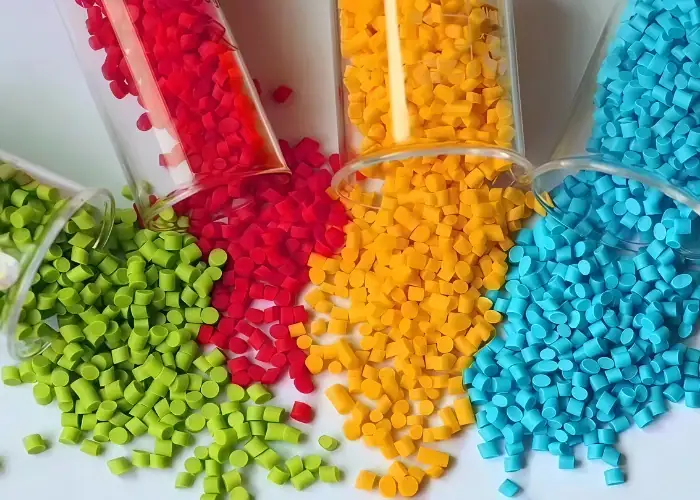
TPR is often selected because it is cost-effective, offers a rubber-like feel, and can provide a relatively high-friction surface. It is especially useful in products that need grip, soft touch, and practical manufacturability without requiring the most advanced weather or regulatory performance.
Main Limitations of TPR
The main limitations of TPR are usually lower weather resistance, lower long-term outdoor durability, and a narrower performance window in more demanding applications. Where exposure conditions are harsher or compliance needs are stricter, TPR may be less suitable than TPE.
Main Benefits of TPE
TPE offers broad versatility, better weather and UV resistance, good softness, strong chemical resistance in many grades, and more common use in medical and food-related contexts when the formulation is designed for that purpose. It is often the safer long-term choice in technically demanding environments.
Main Limitations of TPE
TPE can cost more than TPR, and not every project needs the wider performance range it offers. In a simple indoor application where grip and price matter most, TPE may be more material than the project actually needs.
Where Are TPR and TPE Commonly Used?
TPR and TPE are commonly used in consumer, industrial, and technical products, but they tend to appear in different application profiles. TPE is more often linked to compliance-sensitive or weather-sensitive products, while TPR is more often linked to grip-oriented and cost-sensitive consumer applications.
Consumer Products
Both materials appear in consumer products because they provide soft touch, grip, flexibility, and impact resistance. TPR is common in lower-cost everyday items, while TPE is often used where feel, durability, or compliance requirements are higher.
Automotive
TPE is commonly associated with automotive interior and functional components where weatherability, durability, and broader performance consistency matter. TPR may still appear in simpler rubber-like consumer or accessory components.
Electronics
TPE is often used in electronics for soft-touch parts, cases, straps, seals, and gaskets. TPR may appear in lower-cost cable jackets or keypad-related uses where price matters more strongly.
Industrial Tools
Both materials can be used in grips, handles, anti-slip zones, and protective surfaces. TPE is often selected when better durability and broader chemical or environmental performance are needed.
Sports and Outdoor Products
Outdoor and sporting goods often benefit from TPE because of its stronger weather resistance. TPR remains useful in indoor or cost-sensitive sports-related products where high grip is more important than long-term environmental stability.
Food and Packaging
TPE is more commonly discussed in food-contact or compliance-driven applications when the grade is designed to meet those requirements. TPR is less often the lead recommendation in this area.
Medical-Related Applications
Medical and pharmaceutical uses are one of the clearest areas where TPE is favored. Source material links TPE to parts such as medical tubing, masks, and grips, while TPR is not positioned as strongly in direct human-contact medical use.
| Industry | TPE Typical Fit | TPR Typical Fit |
| Medical | Tubing, masks, grips, compliant soft parts | More limited |
| Electronics | Cases, straps, gaskets | Lower-cost covers or jackets |
| Automotive | Durable soft-touch and sealing uses | More limited |
| Footwear / Grip Products | Possible, but not always first choice | Strong fit |
| Indoor Consumer Goods | Strong fit | Strong fit, often more cost-effective |
| Outdoor Products | Better fit | More limited |
How Are TPR and TPE Processed in Manufacturing?
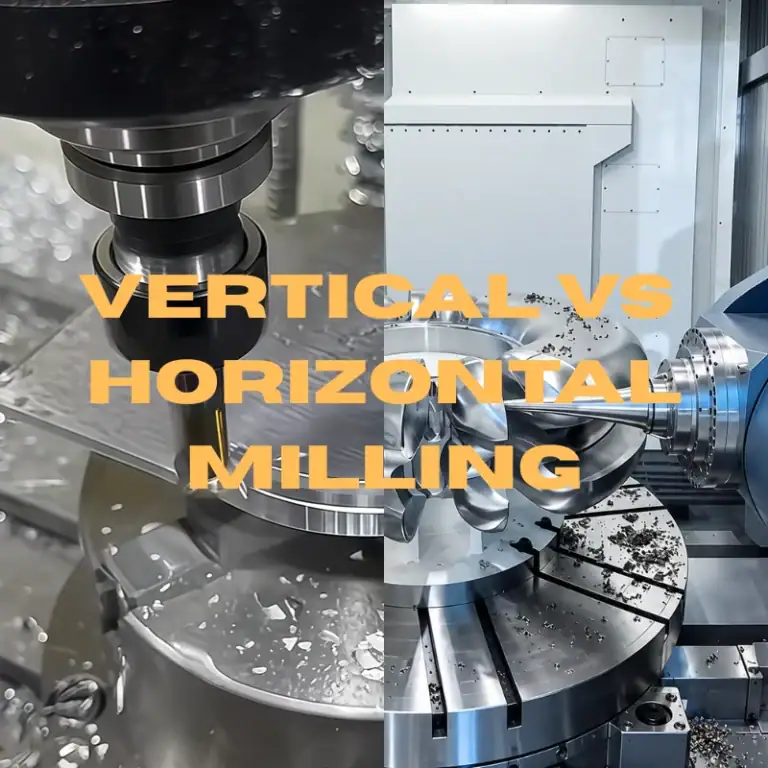
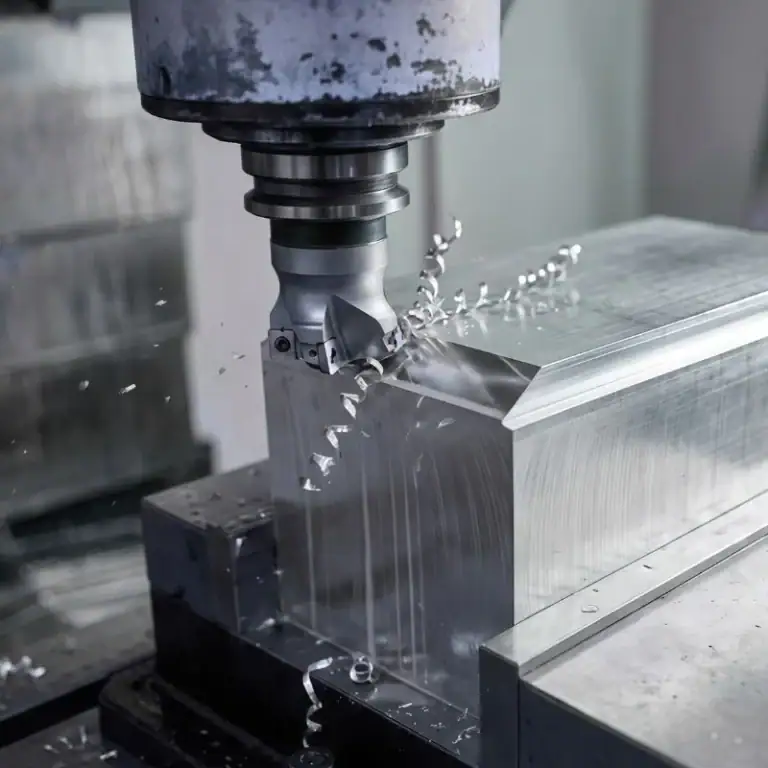
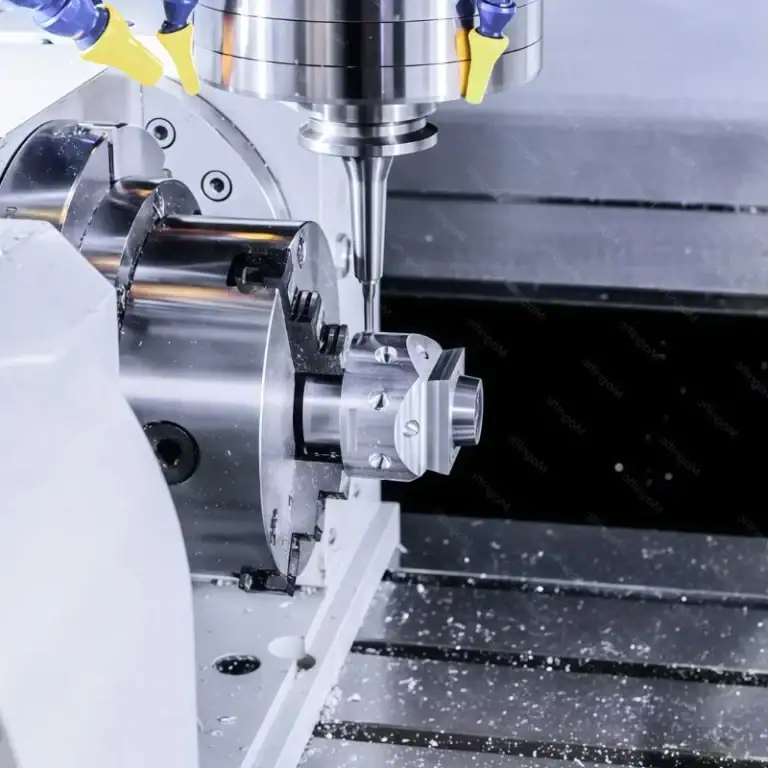
TPR and TPE are processed using common thermoplastic manufacturing methods such as CNC machining, injection molding, extrusion, and overmolding. Their thermoplastic behavior is one of their biggest advantages over conventional vulcanized rubber because it enables faster, more scalable, and more flexible production.
CNC Machining
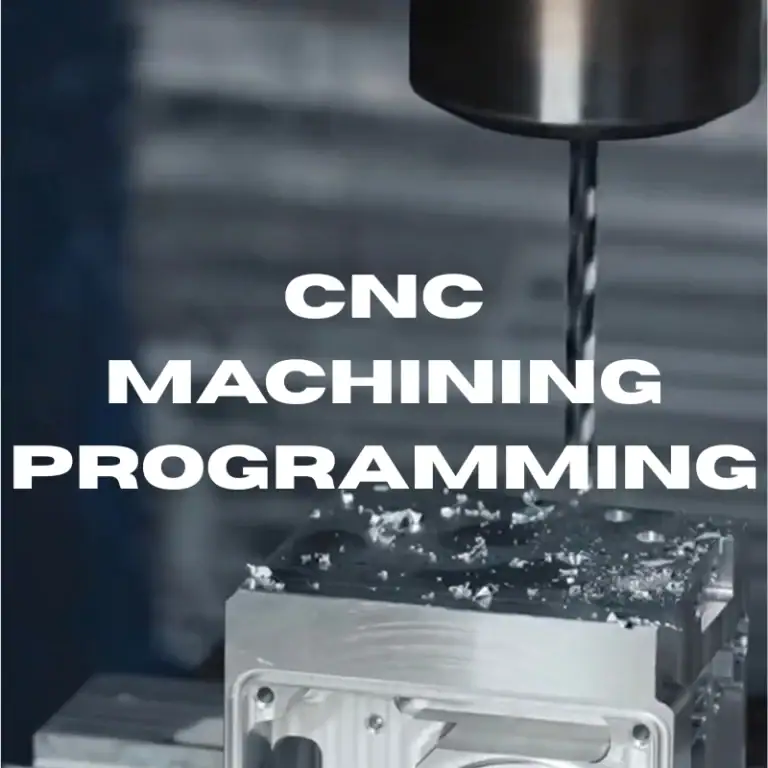
CNC machining can be used for selected TPR and TPE parts, especially during prototyping, low-volume production, or when tooling is not yet justified. Although these materials are more commonly molded or extruded, machining can still be useful for creating custom shapes, sample parts, or secondary features. Because TPR and TPE are flexible materials, machining requires careful control of tooling, fixturing, and cutting conditions to maintain dimensional stability and surface quality.
- Suitable for prototypes and low-volume parts
- Useful for custom geometries and secondary features
- Does not require mold tooling
- Requires careful control due to material flexibility
Injection Molding
Injection molding is one of the most common ways to process both TPR and TPE. It is suitable for handles, grips, housings, soft-touch components, seals, footwear parts, and many other repeat-production applications. This process is especially effective when parts require stable consistency and efficient large-volume output.
- Suitable for high-volume production
- Supports stable repeatability
- Common for grips, seals, and soft-touch parts
- Efficient for consistent molded output
Extrusion
Extrusion is widely used for flexible profiles, tubing, sleeves, gaskets, and continuous-section parts. Both materials can be processed this way depending on grade and final use requirements. It is a practical option for long, continuous components that need uniform cross-sections and efficient material use.
- Suitable for tubing and continuous profiles
- Works well for sleeves and gaskets
- Supports uniform cross-sections
- Efficient for continuous production
Overmolding and Two-Shot Molding
Overmolding and two-shot molding are important when a soft elastomeric material must bond to a rigid substrate. TPE is often highlighted for broader use in engineered overmolding, though actual compatibility depends on substrate type, material formulation, and processing conditions. These methods are commonly used for products that combine grip, comfort, and structural support in one part.
- Combines soft and rigid materials in one part
- Common for grips and ergonomic features
- Useful for structural and comfort functions together
- Material compatibility must be confirmed in advance
Basic Pre-Processing Considerations
Before processing, manufacturers usually consider hardness, melt flow, substrate compatibility, environmental requirements, and end-use exposure. For CNC machining, additional factors such as material softness, clamping stability, and cutting behavior may also need attention. A material that runs well in the mold or machines easily is not automatically the right one unless it also meets performance expectations after production.
- Check hardness and melt flow first
- Confirm substrate compatibility for overmolding
- Consider environmental and end-use requirements
- Review machining stability for soft materials
How Do You Choose the Right Material for Your Project?
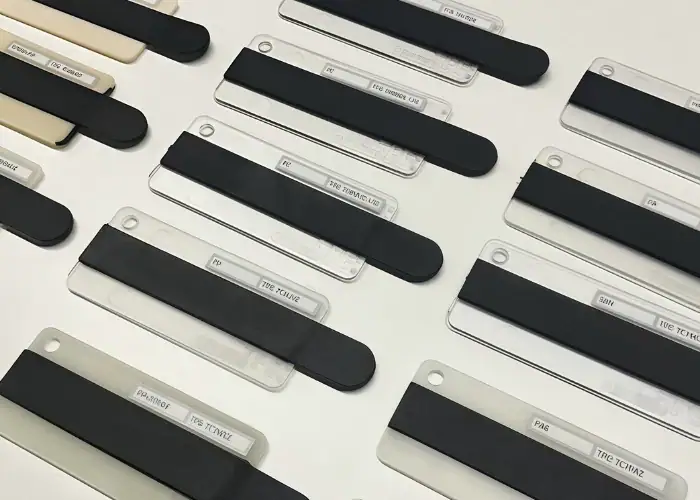
The right material is chosen by matching application requirements to the actual strengths of each material rather than by choosing the more familiar name. In most cases, TPE is preferred for outdoor durability, regulatory needs, and broader performance, while TPR is preferred for high friction, indoor use, and lower cost.
Use Environment
Use environment is one of the most important decision factors. Outdoor exposure, UV, temperature cycling, and long-term aging generally push selection toward TPE, while simpler indoor conditions may allow TPR to perform well at lower cost.
Softness and Durability Requirements
If the product needs soft touch with better durability and recovery, TPE often has the advantage. If the product mainly needs rubber-like feel and high surface grip in a less demanding environment, TPR may be the more efficient choice.
Chemical and Weather Resistance Needs
Projects exposed to cleaners, oils, weather, sunlight, or variable temperatures should usually evaluate TPE first. TPR is more often selected when those environmental demands are moderate.
Cost and Production Volume
Cost and volume matter because TPR is often the lower-cost material option. For very large consumer programs, that price difference may strongly influence material choice if performance requirements do not demand TPE.
Prototyping Versus Mass Production
During prototyping, broader material flexibility may be helpful, but production selection still needs to match real service conditions. A prototype that feels good in hand may still need a different final material once weathering, cost, and compliance are considered.
Simple Selection Guide
Specify TPE when:
- The product needs stronger outdoor durability
- Regulatory or direct-contact requirements matter
- Better long-term performance is needed
- Chemical and weather resistance are important
Specify TPR when:
- The application is mainly indoor
- Strong grip or friction is important
- Lower raw material cost matters
- The product does not need the broader TPE performance range
FAQs
Is TPR The Same As TPE?
TPR is not exactly the same as TPE. TPE is a broader family of thermoplastic elastomers, while TPR is usually treated as one rubber-like type within that wider group. In many manufacturing discussions, TPR is often associated with SBS-based materials, while TPE is more often linked with SEBS and other elastomer families. This means they can look similar, but they may differ in weather resistance, softness, durability, and application range.
Can TPE Replace Rubber?
TPE can replace traditional rubber in many applications, especially when faster processing, recyclability, and lower cycle times are important. It offers rubber-like flexibility while still being processed with standard thermoplastic methods such as injection molding and extrusion. In many consumer, automotive, and medical products, TPE is a practical substitute. However, some specialty rubbers may still perform better in extreme heat, aggressive chemicals, or highly demanding sealing conditions.
Is TPR Rubber Or Plastic?
TPR is a thermoplastic elastomer, so it combines properties of both rubber and plastic. It feels and performs like rubber in many applications, but it is processed like a plastic through methods such as molding and extrusion. This is why TPR is often described as a rubber-like thermoplastic material rather than a conventional cured rubber. In simple terms, it behaves like rubber in use, but like plastic in manufacturing.
Is TPR Material Soft?
TPR material is generally soft and flexible, which is one reason it is widely used in grips, shoe soles, and protective components. Its actual softness depends on the formulation and hardness grade, but it is commonly chosen when a part needs cushioning, elasticity, or a rubber-like feel. Compared with broader TPE families, TPR is often selected for applications where grip and tactile softness are important at a lower material cost.
Is TPR Better Than PVC?
TPR is not always better than PVC, because the better material depends on the application. TPR is usually preferred when flexibility, grip, and rubber-like feel matter more. PVC is often chosen when rigidity, chemical resistance, or a lower-cost plastic solution is more important. In manufacturing use, TPR and PVC serve different performance goals, so material choice should be based on environment, handling needs, and service conditions rather than a simple overall ranking.
Is TPR Material Waterproof?
TPR material is generally water-resistant and suitable for many applications exposed to moisture, splashes, or outdoor contact. Like other thermoplastic elastomers, it does not readily absorb water in normal use, which helps it maintain flexibility and function in wet environments. However, waterproof performance still depends on the exact formulation, part design, wall thickness, and service conditions. In practice, water resistance should be evaluated as part of the full product design, not by material name alone.
Conclusion
TPR and TPE are both useful flexible thermoplastic materials, but they are not interchangeable in every project. TPE is the broader family and is usually the better choice for outdoor durability, broader performance, and compliance-driven applications. TPR is usually the better choice when strong grip, rubber-like feel, and lower material cost are the main priorities.
At TiRapid, choosing the right material early can strongly affect both part performance and manufacturability. If your project involves flexible overmolding, grip features, seals, or soft structural elements, upload your drawing or share your requirements to discuss the best-fit solution.