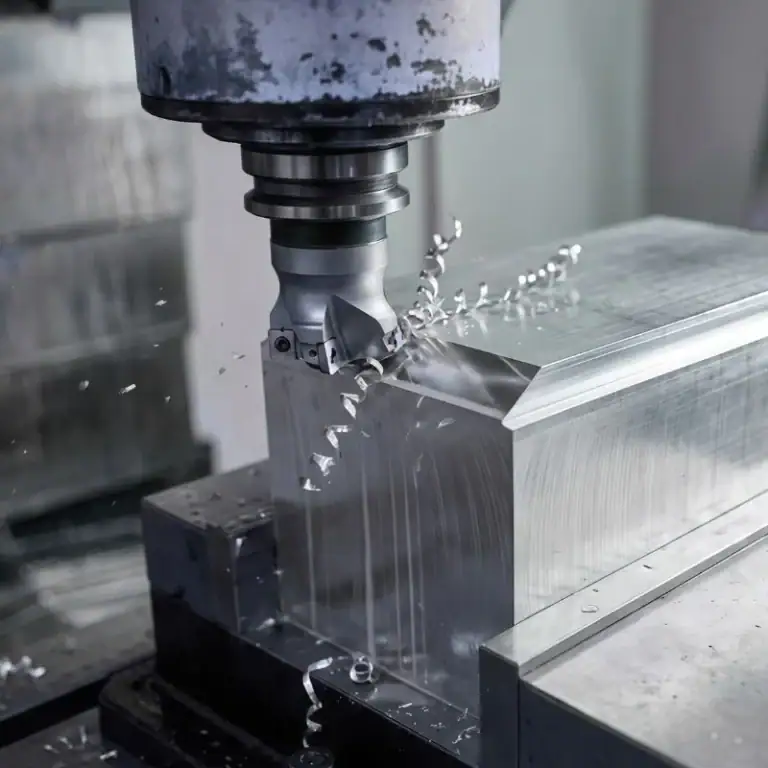
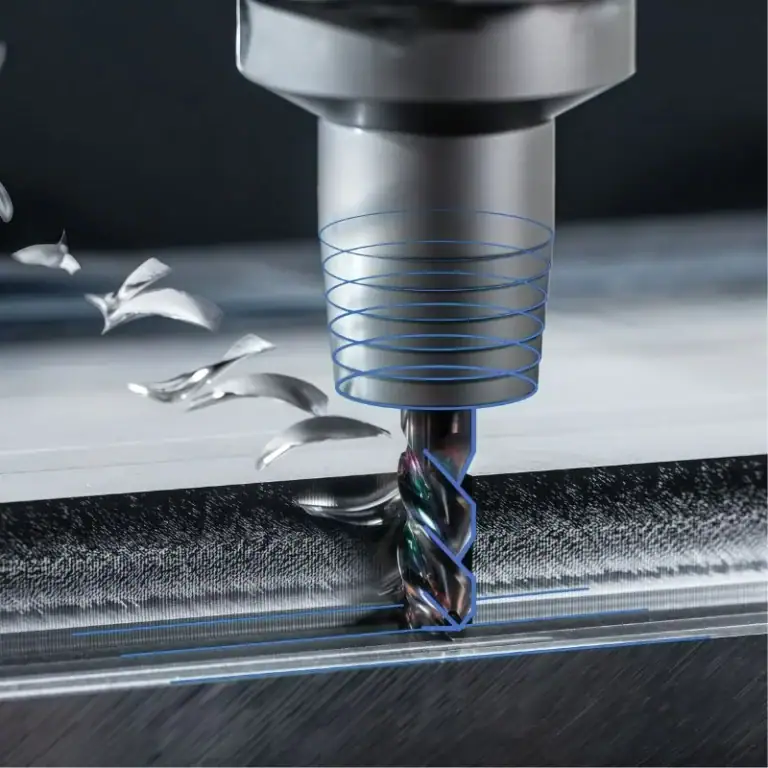
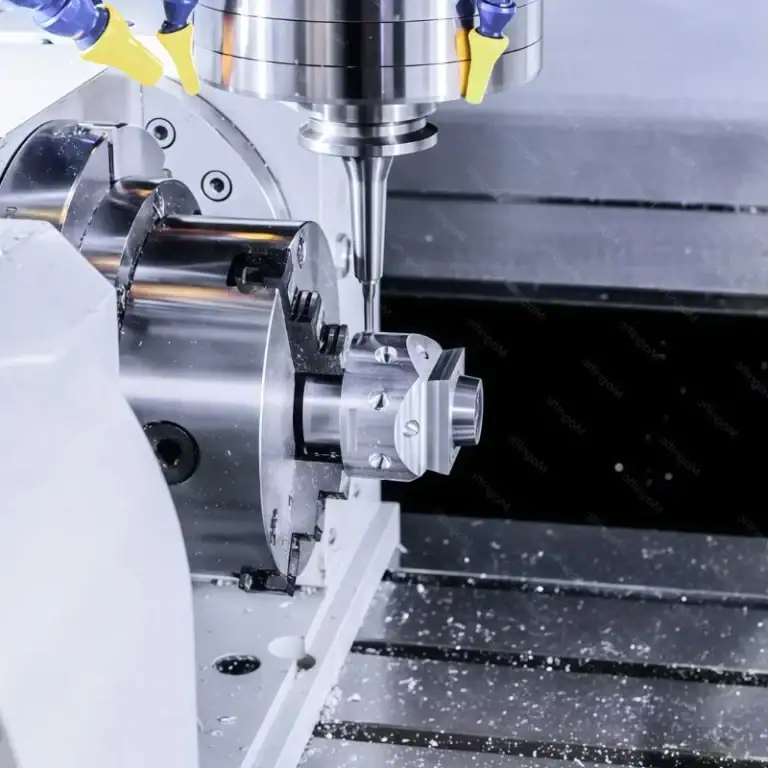
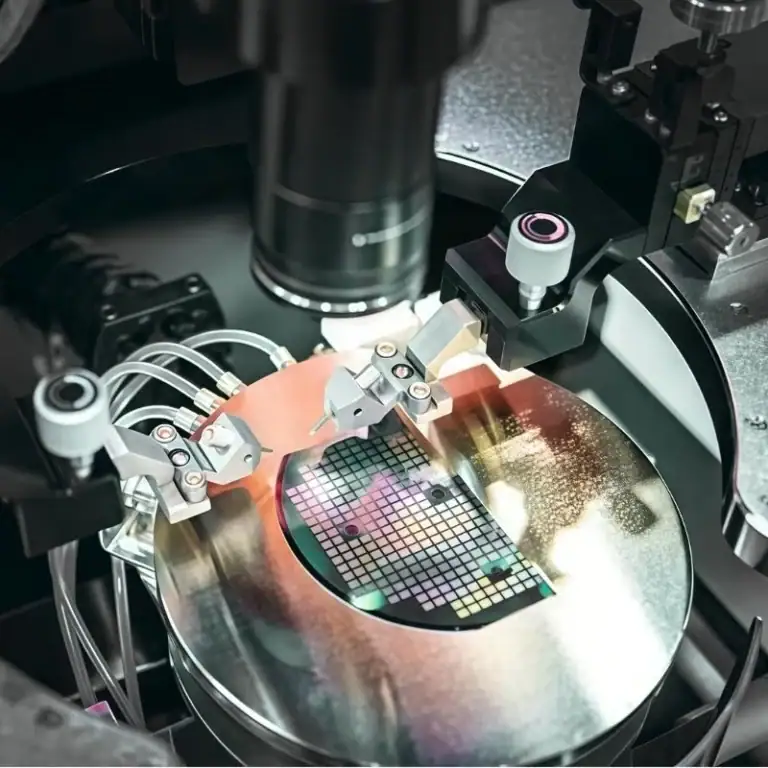
In the precision machining industry, scrapped parts do not only mean wasted material—they also represent losses in machining time, equipment resources, and delivery schedules. Especially for high-precision components, once dimensional errors, deformation, or surface defects occur, repair is often impossible and the part must be discarded. For manufacturers, reducing scrap rates is not only about lowering costs, but also about improving customer trust and overall production efficiency. As a result, preventing problems before they occur has become a critical part of modern precision manufacturing.
Preparation Before Machining Determines Scrap Risk
Many part failures are not caused during machining itself, but originate from poor preparation beforehand.
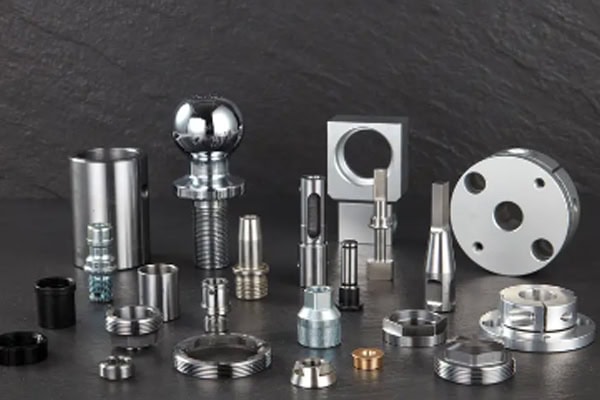
Material quality must be controlled in advance
Material stability directly affects final machining quality.
- Internal cracks, pores, or inclusions may lead to structural defects after machining
- Large hardness variations between material batches make parameter control difficult
- Materials with high residual stress are more likely to warp or spring back after cutting
- Poor raw material dimensional consistency affects positioning and fixturing accuracy
- High-precision parts often require aging or annealing treatment to release stress beforehand
Material problems are often amplified throughout the machining process.
Drawing and process analysis must be sufficient
Many scrapped parts are caused by poor process planning rather than machine limitations.
- Excessively strict tolerances increase machining difficulty and risk
- Complex structures without staged machining plans are prone to deformation
- Deep cavities and thin walls require dedicated machining strategies
- Incorrect machining sequences may leave dimensions impossible to correct later
The more thorough the process analysis, the fewer problems appear later.
Optimize fixturing and positioning methods
Fixture stability directly affects machining consistency.
- Improper locating references introduce repeated positioning errors
- Excessive clamping force may deform thin-wall structures
- Insufficient support increases vibration during cutting
- Multiple setups can accumulate dimensional deviation
Good fixtures do more than hold the part—they help control errors.
Process Control Is the Core of Reducing Scrap Rates
The final quality of a part is often determined by how well the machining process is controlled.
Maintain stable cutting parameters and tool condition
Unstable cutting conditions are major causes of dimensional and surface defects.
- Tool wear gradually increases cutting force and causes dimensional drift
- Incorrect spindle speed and feed rates create chatter marks and burrs
- Excessive cutting depth increases deformation risk
- Different materials require different tooling and cutting strategies
- Insufficient coolant causes rapid local temperature rise
Stable machining is more important than simply maximizing speed.
Control thermal deformation and machining stress
Temperature variation directly affects dimensional stability.
- Continuous machining generates heat buildup and thermal expansion
- Machine thermal deformation changes actual tool positioning
- Local cutting heat may deform surfaces
- Uneven cooling can lead to structural warping
Many micron-level errors are actually caused by temperature fluctuations.
Use staged inspection to avoid batch scrap
Real-time inspection helps detect problems before an entire batch is affected.
- First-piece inspection allows early process adjustment
- In-process sampling prevents dimensional drift in mass production
- Online measurement reduces cumulative errors on critical dimensions
- Surface inspections help identify tool issues early
- Data recording supports root-cause analysis
The earlier problems are found, the smaller the loss.
Production Management and Environment Affect Long-Term Stability
Beyond machining itself, management capability strongly influences scrap rates.
Maintain a stable machining environment
Environmental changes directly affect precision machining results.
- Temperature-controlled workshops reduce thermal expansion errors
- Humidity variation may affect certain material stability
- External vibration lowers machining accuracy
- Dust and contamination can damage surface quality
High-precision machining requires far stricter environmental control than ordinary manufacturing.
Improve equipment maintenance and calibration frequency
Unstable machine conditions continuously amplify errors.
- Spindle wear affects machining precision
- Guideway clearance changes cause positioning deviation
- Lack of calibration leads to accumulated system error over time
Machine maintenance is essentially a way to prevent hidden scrap risks.
Establish standardized machining procedures
Standardization is the foundation of stable production.
- Unified machining parameters reduce human-caused variation
- Standard operating procedures improve consistency
- Production records help trace problems later
- Training systems reduce operator mistakes
- Stable workflows are essential for high-precision batch production
The more standardized the process, the easier it is to reduce scrap rates.
In precision machining, part scrap is rarely caused by a single mistake. Most failures result from multiple small issues accumulating throughout the process. Only by optimizing materials, processes, equipment, inspection, and environmental control together can manufacturers truly reduce scrap risks and improve production stability. In high-precision manufacturing, companies like Tirapid, which specialize in complex part machining, help customers improve yield rates and reduce scrap risk through mature process systems and strict quality control capabilities.