Many customers are surprised when they first encounter precision machining because the price is often much higher than standard machining services. Some high-precision parts may appear small and simple, yet their machining costs are unexpectedly high. In reality, the cost of precision machining comes not only from raw materials, but also from equipment, process control, inspection systems, and stable production capability. For industries requiring high precision, manufacturers are not simply producing a part—they are delivering dimensional consistency, reliability, and long-term stability. This is why precision machining tends to be more expensive: it combines multiple layers of high-standard manufacturing requirements.
High-Precision Equipment and Technology Require Heavy Investment
One major reason precision machining is expensive is the high entry cost of advanced equipment and technology.
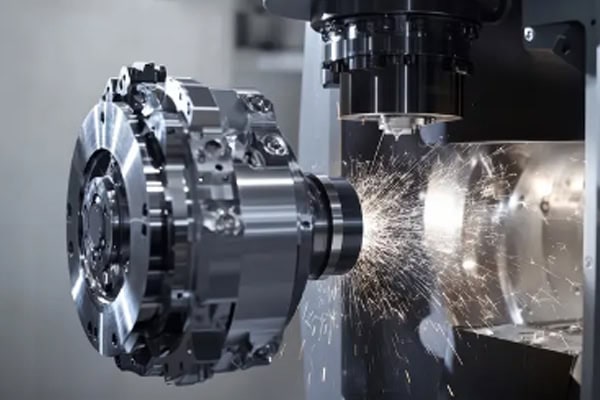
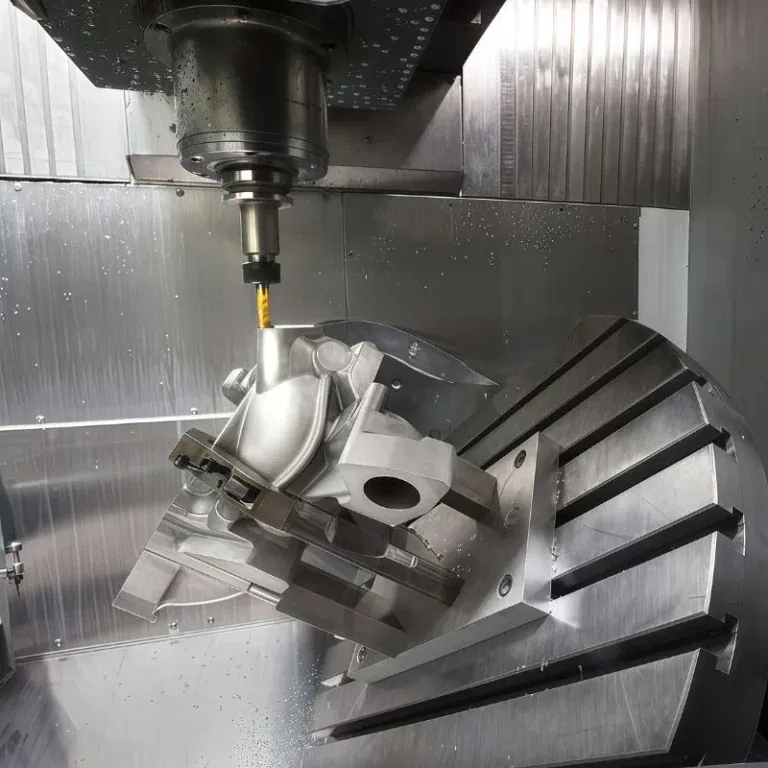
Advanced machine tools are extremely costly
Precision machining equipment is very different from ordinary machines.
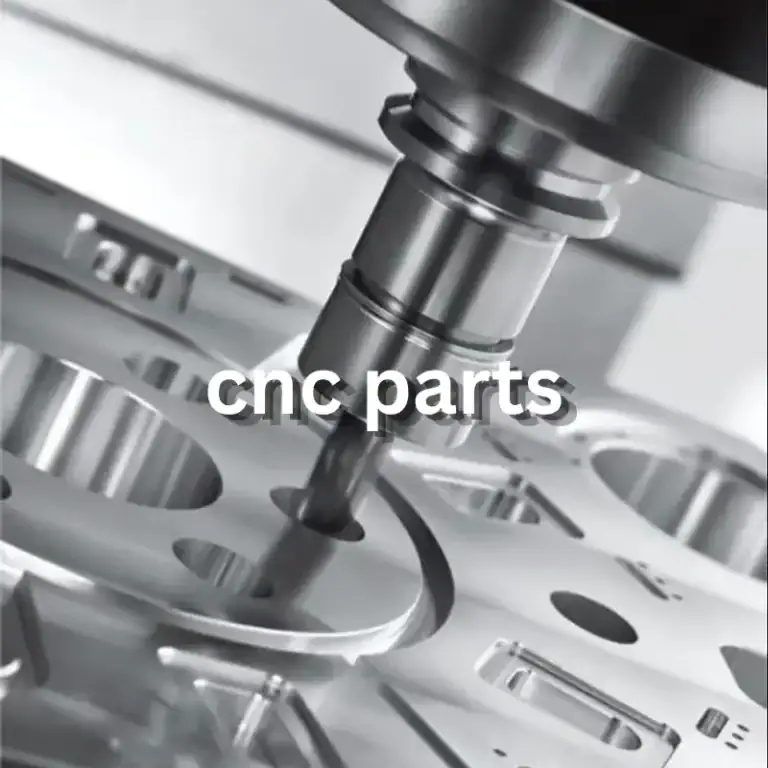
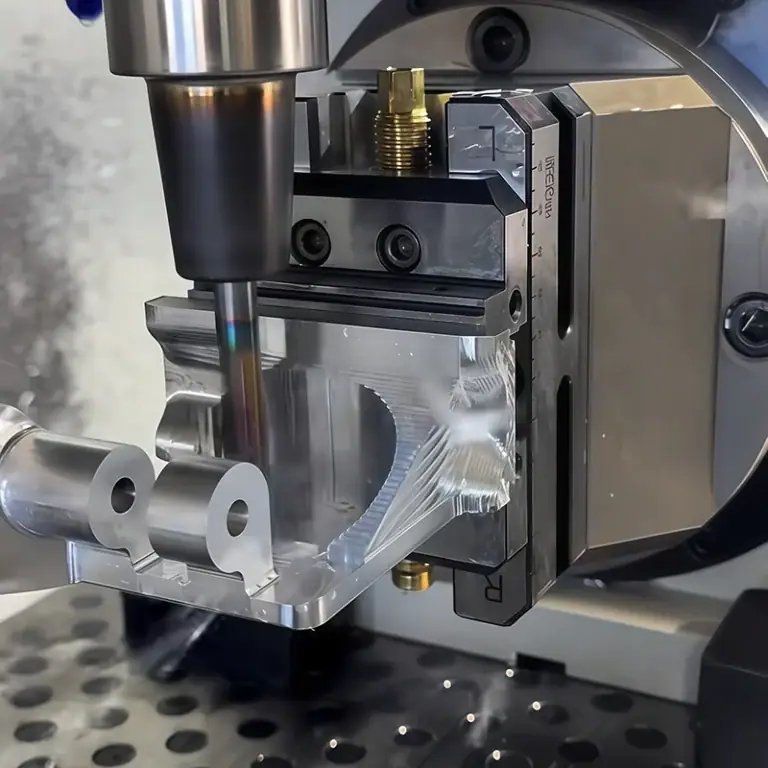
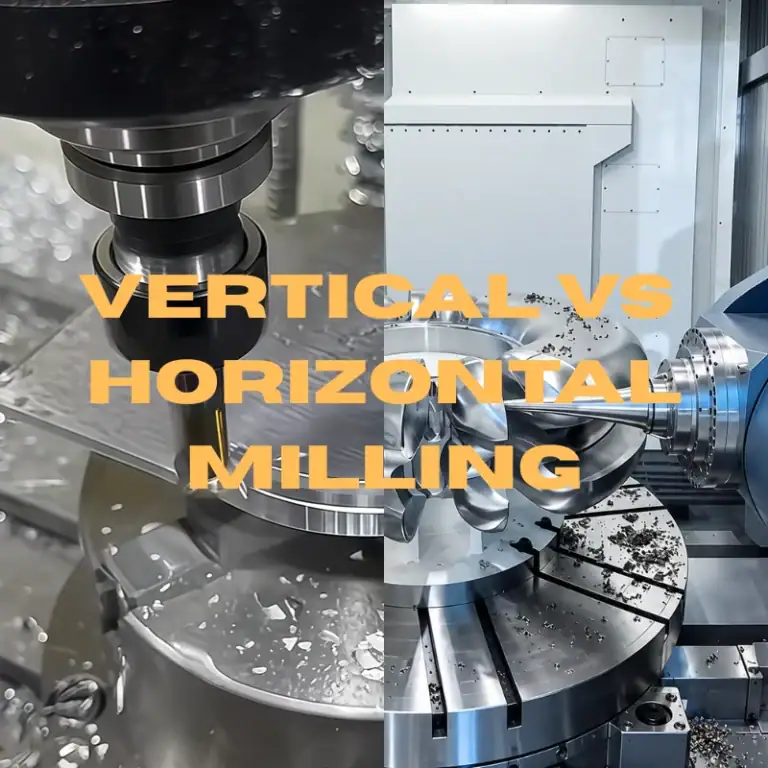
- Five-axis CNC machines and high-speed machining centers are significantly more expensive than standard equipment
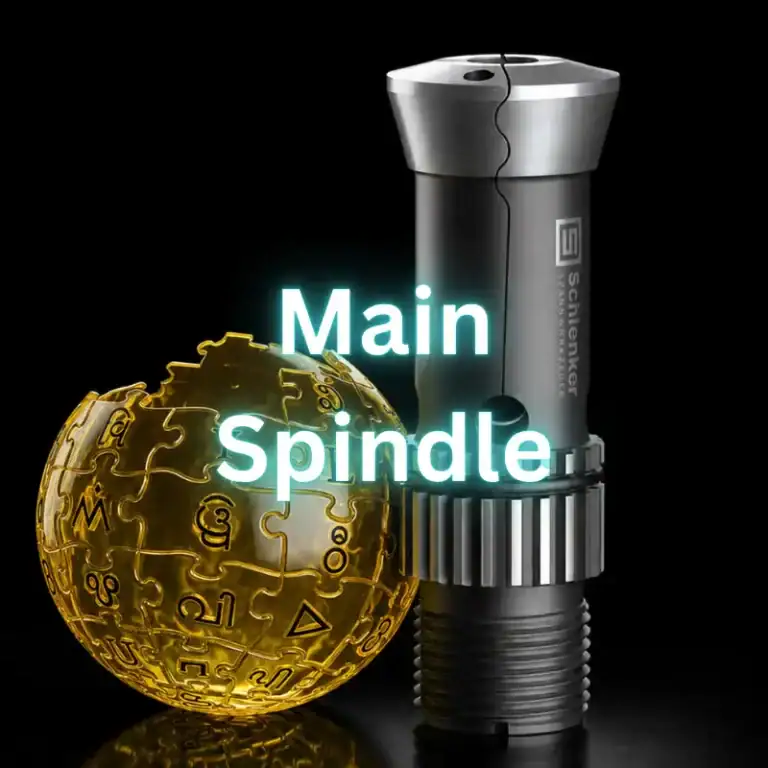
- High-precision spindles, guideways, and control systems already carry high manufacturing costs
- Machines must maintain long-term accuracy, requiring stricter manufacturing standards
- Advanced equipment often includes automatic compensation and temperature control systems
- Many high-end machines are imported, increasing purchasing and maintenance expenses
The higher the required precision, the greater the equipment investment.
Tooling and fixturing costs continue to rise
Precision machining places strict demands on tools and fixtures.
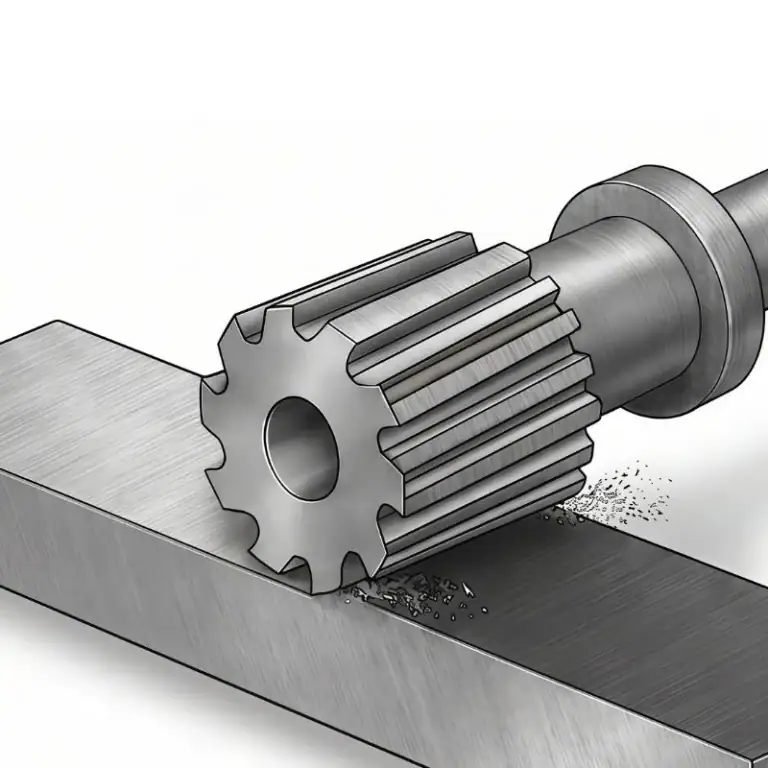
- Precision cutting tools must be replaced immediately after wear occurs
- Special materials often require custom tooling solutions
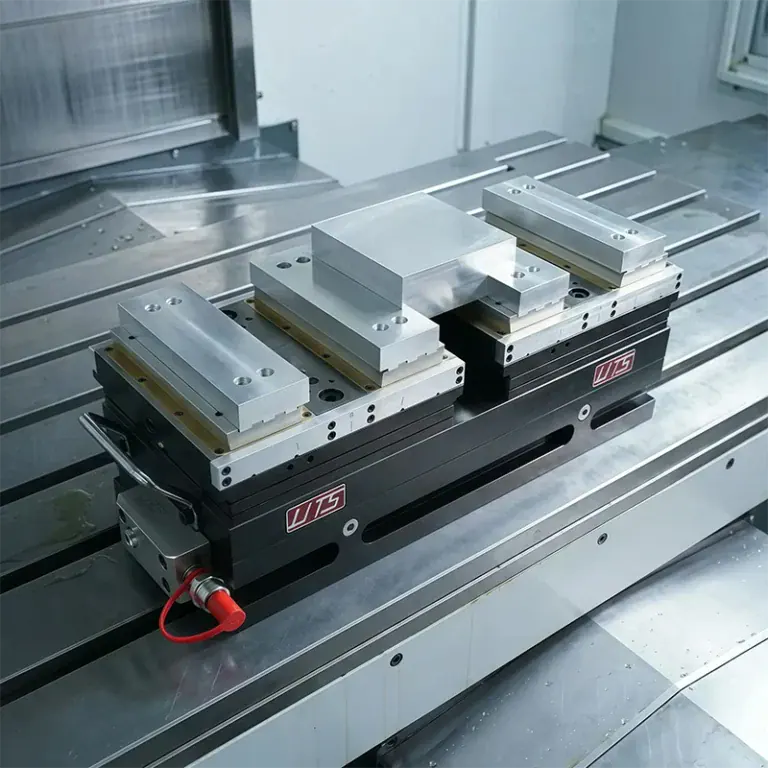
- High-precision fixtures require frequent calibration and maintenance
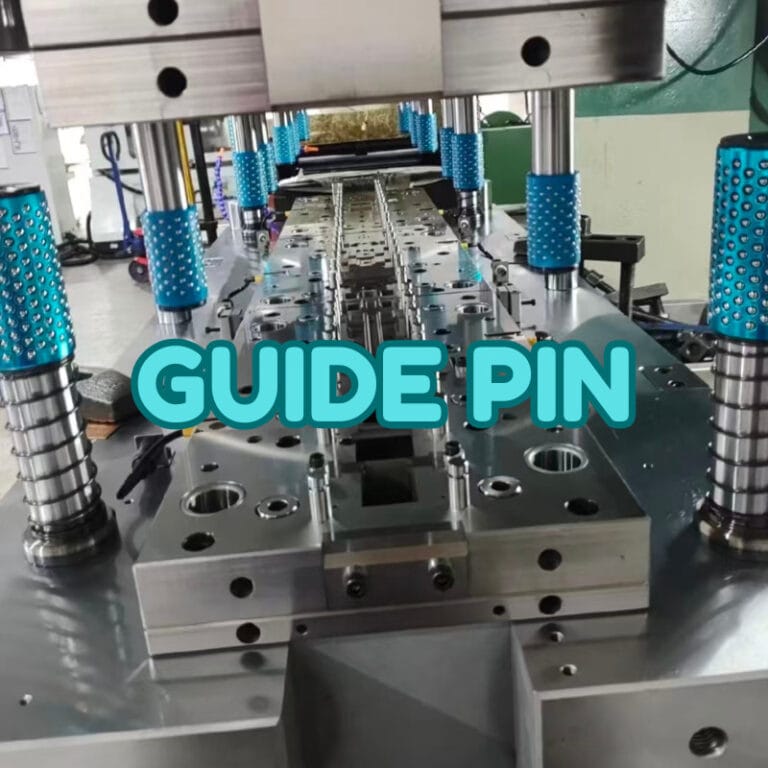
- Thin-wall or complex structures usually need dedicated fixturing support
Many invisible support systems are actually major cost contributors.
Programming and process development are more difficult
Complex parts cannot simply be machined directly without preparation.
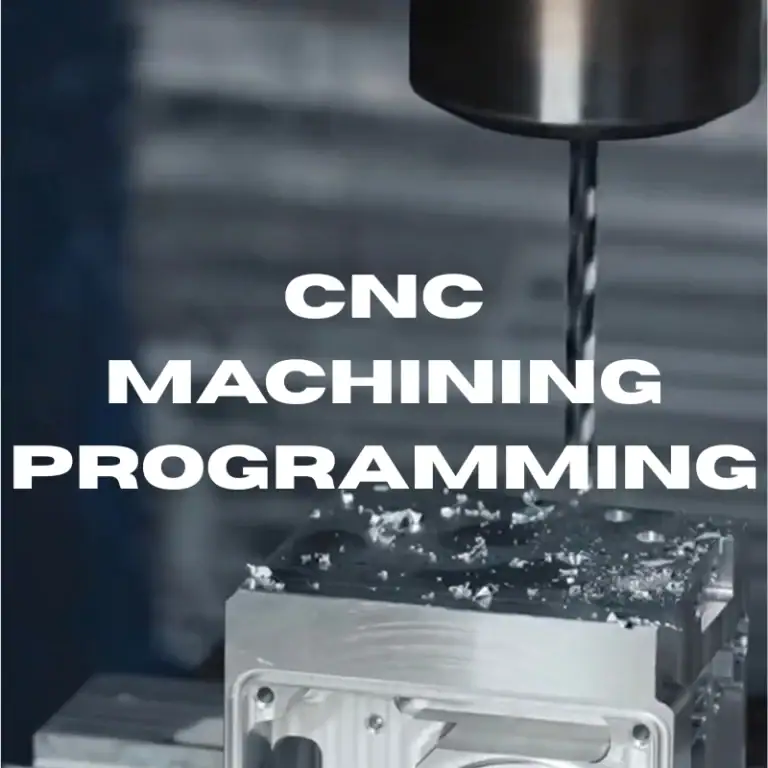
- Five-axis machining requires highly complex toolpath programming
- Process engineers must analyze deformation and stress in advance
- Multi-process parts often require repeated process verification
The more complex the part, the longer the preparation stage.
Precision Machining Requires Much Higher Stability
Standard machining may accept “close enough,” but precision machining demands long-term consistency.
Dimensional tolerances are extremely strict
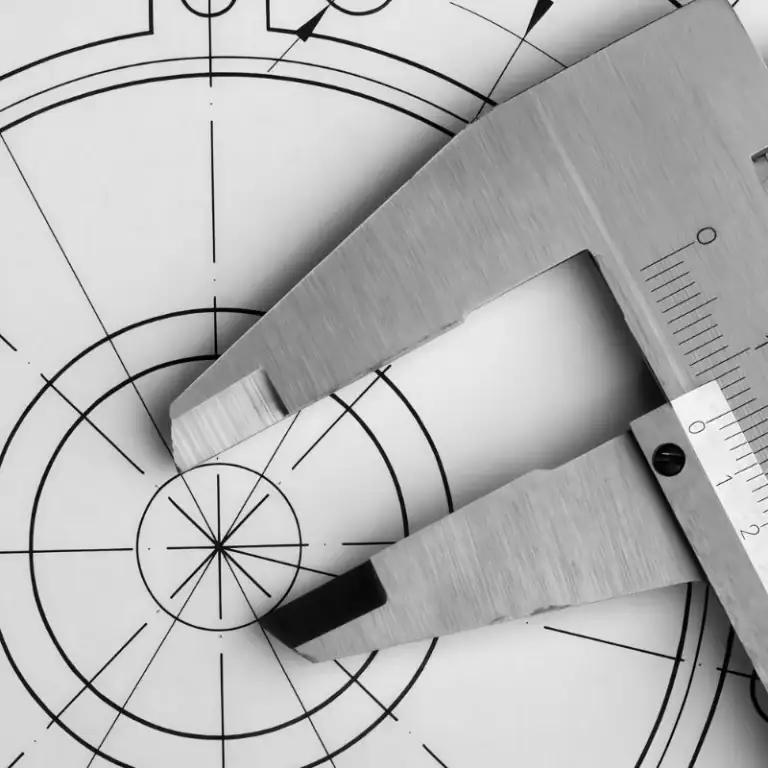
High-precision parts often require micron-level accuracy.
- Standard machining allows much larger tolerance ranges
- Precision machining requires highly stable dimensional control
- Even tiny errors may cause assembly failure
- Tight tolerances significantly reduce allowable process deviation
The tighter the tolerance, the greater the machining difficulty.
Scrap risk is far higher than in conventional machining
Once precision parts fail, repair is often impossible.
- High-precision structures are difficult to rework
- Thin-wall components may become unusable after deformation
- Surface defects can affect sealing and fitting accuracy
- High-value small-batch parts carry greater scrap cost
- Complex parts may require long machining cycles, increasing loss if failure occurs
Higher risk naturally results in higher production costs.
Inspection and quality control are more demanding
Precision parts must not only be produced accurately, but also verified thoroughly.
- Coordinate measuring machines (CMMs) are expensive investments
- Some critical parts require full-dimension inspection
- Temperature-controlled inspection environments increase operational cost
- Process sampling and data recording require additional labor and time
Inspection costs are often overlooked, but they are essential.
Labor, Environment, and Production Management Costs Are Higher
Precision machining depends not only on equipment, but also on a complete manufacturing system.
Skilled technical personnel are essential
High-precision machining relies heavily on experience and expertise.
- Process engineers must understand different material behaviors
- Programmers need advanced toolpath optimization skills
- Operators require high-level fixturing and setup ability
- Inspectors must master precision measurement techniques
A highly skilled technical team is itself a major cost factor.
Temperature-controlled environments require large investment
Environmental changes directly affect machining accuracy.
- Constant-temperature workshops are expensive to build
- Temperature and humidity control systems require continuous operation
- Anti-vibration systems increase facility construction costs
- Clean manufacturing environments require additional maintenance
Precision machining environments are far more demanding than standard manufacturing facilities.
Maintaining batch consistency is difficult
The real challenge is not producing one perfect part, but producing many identical ones consistently.
- Small-batch trial production often requires repeated parameter adjustments
- Batch production demands continuous error control
- Tool life management directly affects consistency
- Data tracking and process recording increase management complexity
- Stable mass production is often harder than single-part machining
Long-term stable manufacturing capability is itself a valuable asset.
Precision machining is expensive not simply because machining takes longer, but because it requires higher-level equipment, stricter quality control, and a more stable manufacturing system. In essence, customers are paying for reliability, consistency, and long-term stability. In high-end manufacturing, companies like Tirapid, specializing in complex and high-precision machining, provide more reliable and highly consistent machining solutions through mature process systems and stable quality control capabilities.